
Berghia Nudibranch Care Guide
Berghia stephanieae · Saltwater Nudibranch
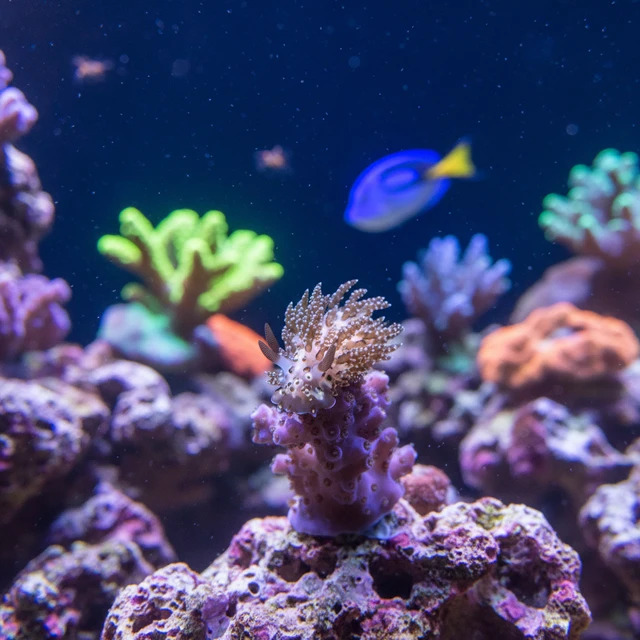
What Berghia Nudibranch look like
Berghia stephanieae exhibits a slender, elongated body that can reach a maximum adult size of approximately 5 cm. Its body is adorned with a vibrant greenish hue, which serves as camouflage among the soft corals and anemones it inhabits. The nudibranch features numerous cerata, which are finger-like projections that increase its surface area for gas exchange and may also serve a defensive role by housing nematocysts acquired from its prey. The cerata are arranged in a distinctive pattern along the dorsal surface, contributing to its unique morphology. Unlike many other nudibranchs, Berghia stephanieae lacks a prominent mantle, and its gills are located at the rear, adding to its streamlined appearance. This species exhibits minimal sexual dimorphism, though females may appear slightly larger during the reproductive season.
Behavior & temperament
Berghia stephanieae is primarily a solitary and nocturnal species, often found crawling on the substrate or on the surfaces of its preferred anemone hosts. It exhibits a slow, deliberate movement pattern, utilizing its muscular foot for locomotion. During the day, it tends to remain hidden among the corals or in crevices to avoid predation. Breeding behavior involves the release of eggs in a spiral formation, which can be observed during the night. This nudibranch is known for its specialized feeding behavior, primarily consuming a diet of aiptasia anemones, and it has developed a symbiotic relationship with these hosts, as it can incorporate their nematocysts into its own defenses. Its stinging potential is minimal, as it relies more on camouflage and chemical defenses than on aggressive stinging.
Diet & feeding
Berghia stephanieae is an obligate predator of aiptasia anemones, feeding exclusively on them in the wild. In captivity, it requires a consistent supply of live aiptasia or similar anemones to thrive.
Behind the name
The genus name 'Berghia' is derived from the name of the Dutch zoologist, J. Bergh, while the species name 'stephanieae' honors Stephanie, a name often associated with the discoverer or a person of significance in the study of this species.
Plan your tank
Check the numbers before you buy: tank volume, salinity, salt mix, water changes, and your ongoing care routine. Keeping reef? Start from the Saltwater & Reef hub.
Keep reading
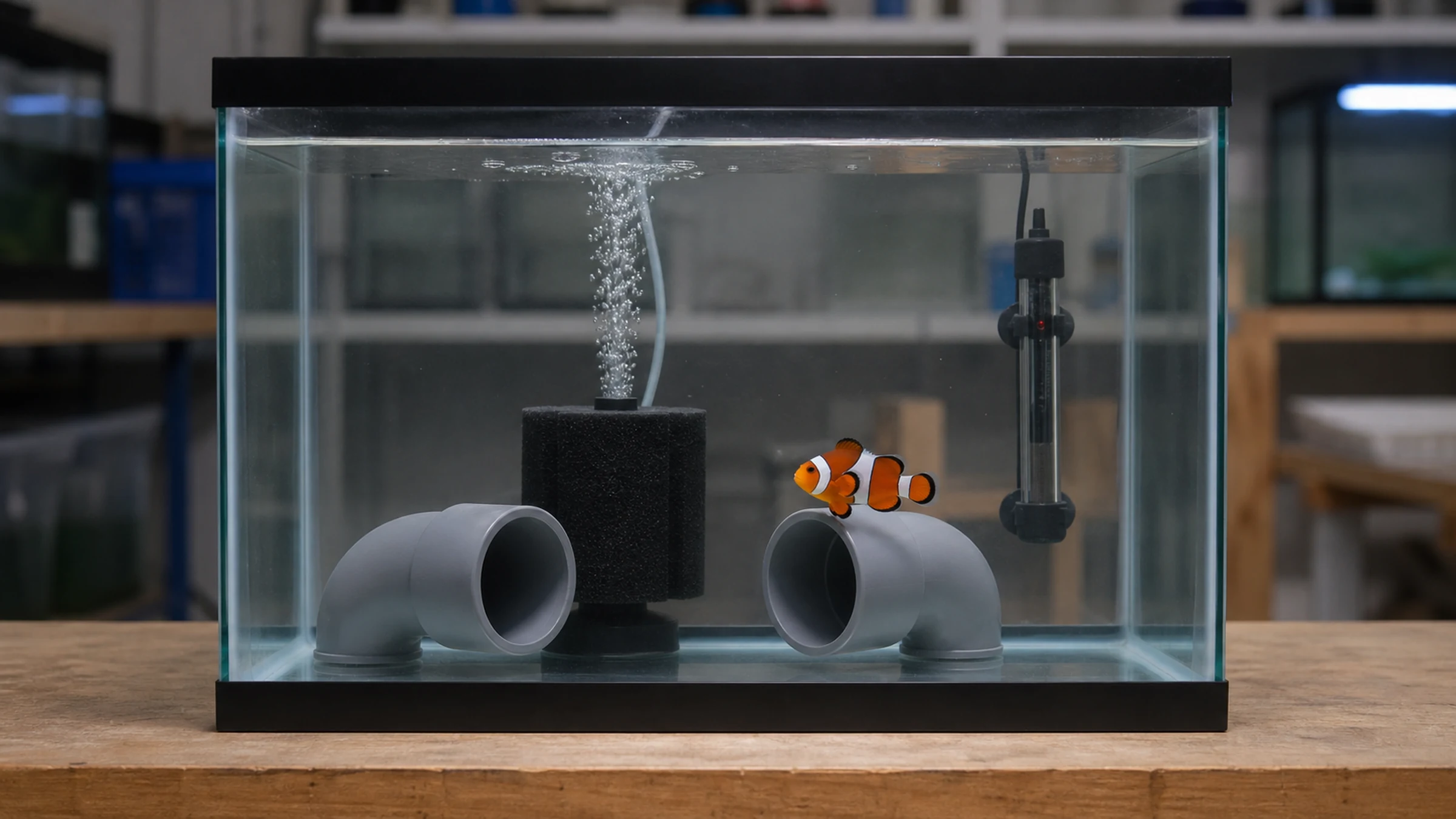
How to quarantine new saltwater fish against marine ich, velvet, and brooklynella: the QT tank, treatments, timelines, and the buy-clean shortcut.

What every reef parameter means and where to keep it: salinity, temperature, pH, alkalinity, calcium, magnesium, nitrate, and phosphate.

Choose compatible fish: school sizes, swimming zones, aggression, temperature and hardness matching, and honest bioload math for a peaceful community.
Keeping Berghia Nudibranch?
AquaLens identifies your fish and plants from a photo, tracks water chemistry, and flags health issues early — free on iOS and Android.