Coral Banded Shrimp Care Guide
Stenopus hispidus · Saltwater Shrimp
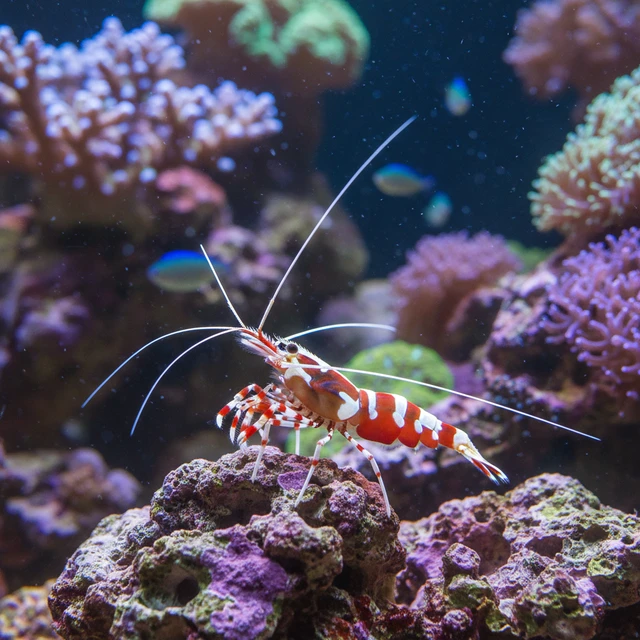
What Coral Banded Shrimp look like
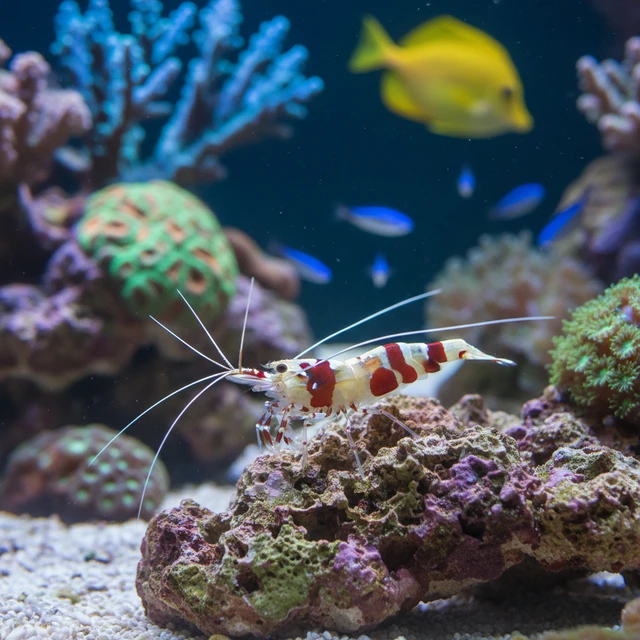
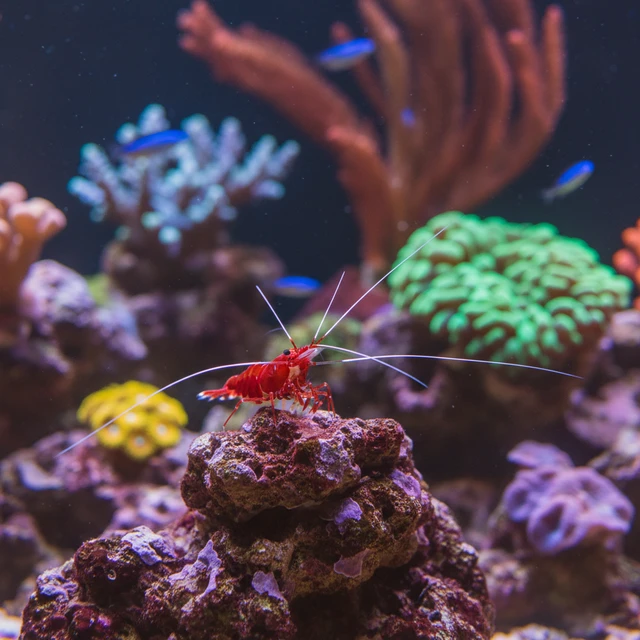
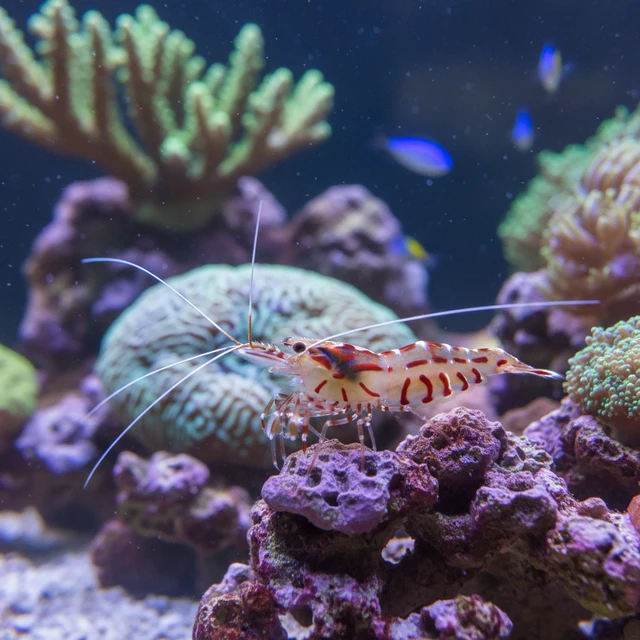
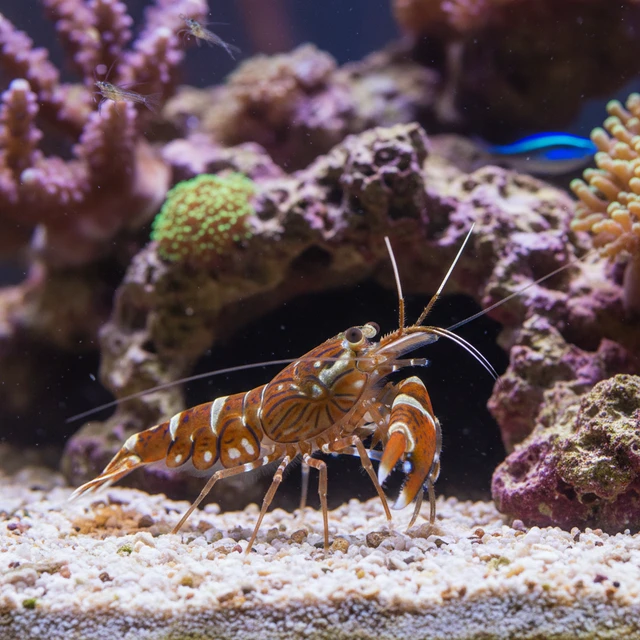
Stenopus hispidus, commonly known as the Coral Banded Shrimp, exhibits a striking appearance characterized by its elongated body, which can reach a maximum adult size of approximately 3 inches (7.5 cm). The shrimp displays a distinctive coloration with alternating bands of red and white across its carapace and appendages, providing effective camouflage among coral reefs. Sexual dimorphism is evident, with females typically being larger and possessing a more robust abdomen compared to males. Defensive adaptations include the presence of long, spiny antennae that can deter potential predators and a pair of chelae (claws) that are used for both defense and foraging. Unique morphological features include a segmented abdomen that allows for flexibility and agility in navigating complex reef structures, as well as a well-developed exoskeleton that provides protection against physical damage.
Behavior & temperament
The Coral Banded Shrimp is known for its social behavior, often forming small groups or pairs within their habitat. They are primarily nocturnal, exhibiting increased activity during the night when they forage for food. Breeding behavior involves a courtship display where males perform a series of movements to attract females. Their temperament can be described as semi-aggressive, especially towards other shrimp species, as they establish territories within their environment. These shrimp are also known to engage in cleaning symbiosis, where they remove parasites and dead tissue from fish, thus benefiting both parties involved.
Diet & feeding
In the wild, Stenopus hispidus primarily feeds on detritus, small invertebrates, and algae. In captivity, they thrive on a diet that includes high-quality frozen or live foods such as brine shrimp, mysis shrimp, and specialized shrimp pellets.
Behind the name
The genus name 'Stenopus' is derived from the Greek words 'stenos', meaning narrow, and 'pous', meaning foot, referring to the shrimp's slender appendages. The species name 'hispidus' comes from the Latin word for rough or bristly, likely describing the texture of its exoskeleton.
Plan your tank
Check the numbers before you buy: tank volume, salinity, salt mix, water changes, and your ongoing care routine. Keeping reef? Start from the Saltwater & Reef hub.
Keep reading
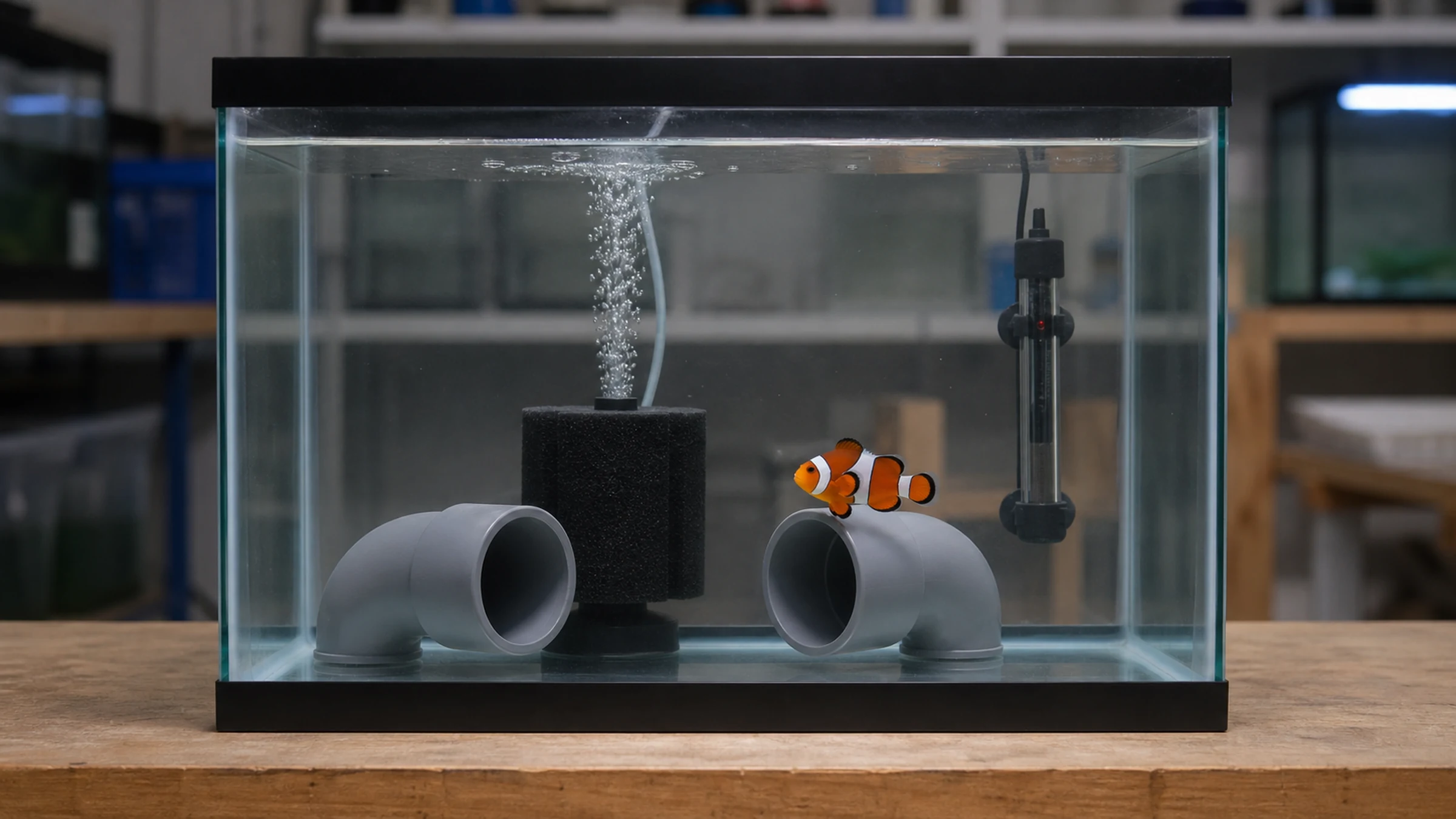
How to quarantine new saltwater fish against marine ich, velvet, and brooklynella: the QT tank, treatments, timelines, and the buy-clean shortcut.
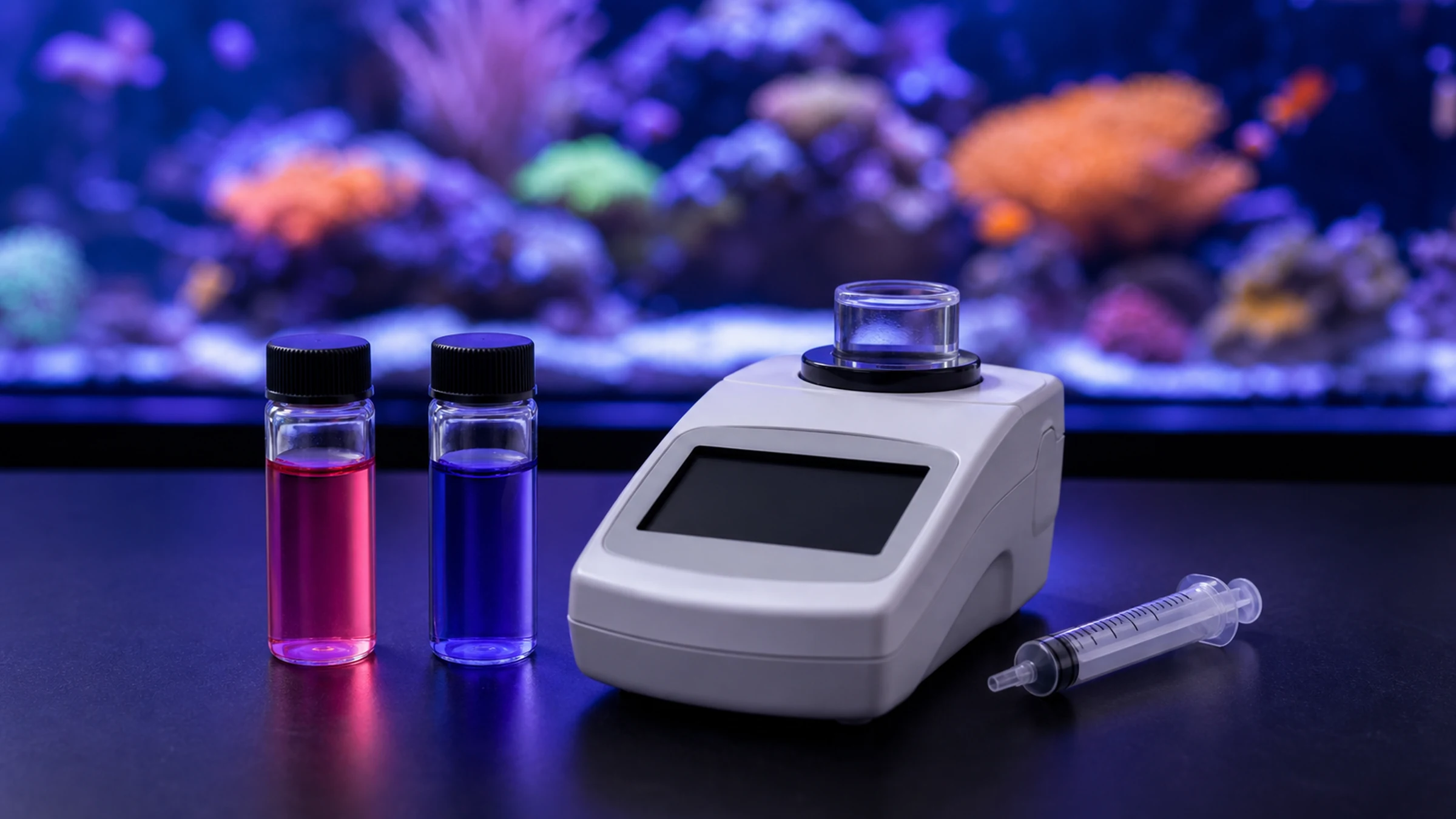
What every reef parameter means and where to keep it: salinity, temperature, pH, alkalinity, calcium, magnesium, nitrate, and phosphate.

Choose compatible fish: school sizes, swimming zones, aggression, temperature and hardness matching, and honest bioload math for a peaceful community.
Keeping Coral Banded Shrimp?
AquaLens identifies your fish and plants from a photo, tracks water chemistry, and flags health issues early — free on iOS and Android.