Diamond Goby Care Guide
Valenciennea puellaris · Saltwater Goby
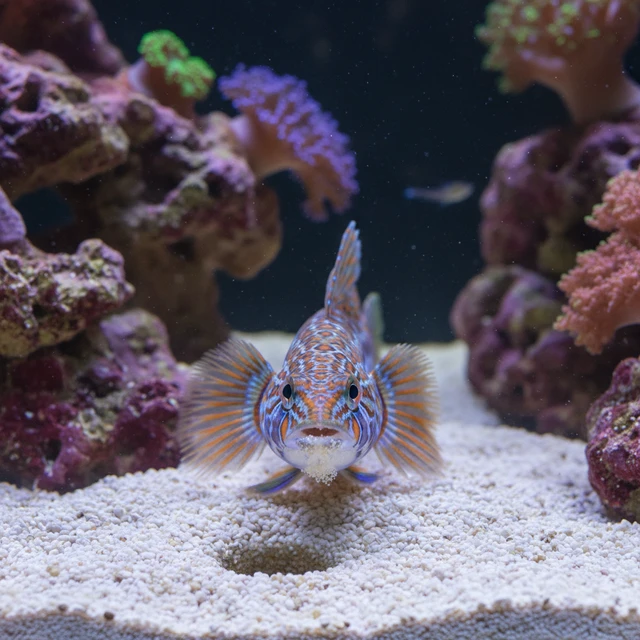
What Diamond Goby look like
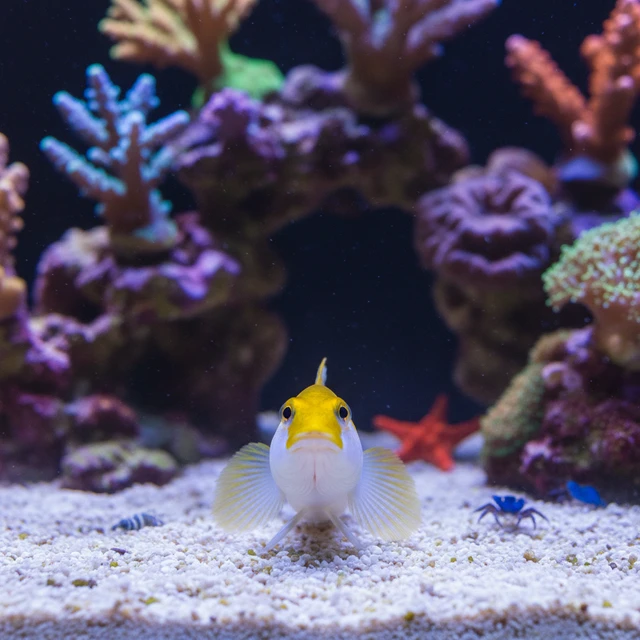
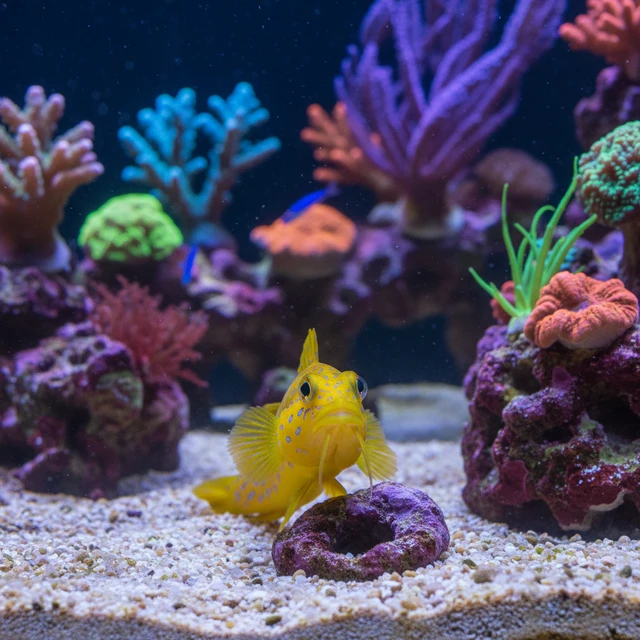
The Diamond Goby (Valenciennea puellaris) exhibits a streamlined, elongated body that can reach a maximum adult size of approximately 6 inches (15 cm). Its coloration is characterized by a pale body adorned with numerous small, diamond-shaped spots that vary in hue from blue to green, providing effective camouflage against sandy substrates. Sexual dimorphism is subtle, with males typically displaying slightly larger fins and more vibrant coloration during breeding periods. This species possesses a distinctive, elongated dorsal fin that extends into a filamentous structure, enhancing its hydrodynamic efficiency. Additionally, the Diamond Goby features a prominent lateral line system that aids in detecting vibrations in the water, and its dentition is adapted for a diet primarily consisting of small invertebrates found in the substrate. Defensive adaptations include rapid burrowing behavior into the sand to evade predators.
Behavior & temperament
The Diamond Goby is a social fish that exhibits a hierarchical structure within its population, often forming small groups in the wild. It primarily occupies the substrate level of the reef, where it engages in constant foraging and burrowing activities. Breeding behavior involves elaborate courtship displays, where males perform swimming displays and fin flares to attract females. The species is generally peaceful but can exhibit territorial aggression towards conspecifics, especially during breeding. Its behavior includes frequent darting movements and a unique feeding strategy where it sifts through the sand to extract food, demonstrating a high level of activity and interaction with its environment.
Diet & feeding
In the wild, the Diamond Goby primarily feeds on small benthic invertebrates, including copepods and amphipods. In captivity, it requires a varied diet of high-quality sinking pellets, frozen or live foods such as brine shrimp and mysis shrimp, and should be supplemented with occasional vegetable matter.
Behind the name
The genus name 'Valenciennea' is derived from the name of the French naturalist Achille Valenciennes, while 'puellaris' is Latin for 'of a girl' or 'maiden-like', possibly referring to its delicate appearance.
Plan your tank
Check the numbers before you buy: tank volume, salinity, salt mix, water changes, and your ongoing care routine. Keeping reef? Start from the Saltwater & Reef hub.
Keep reading
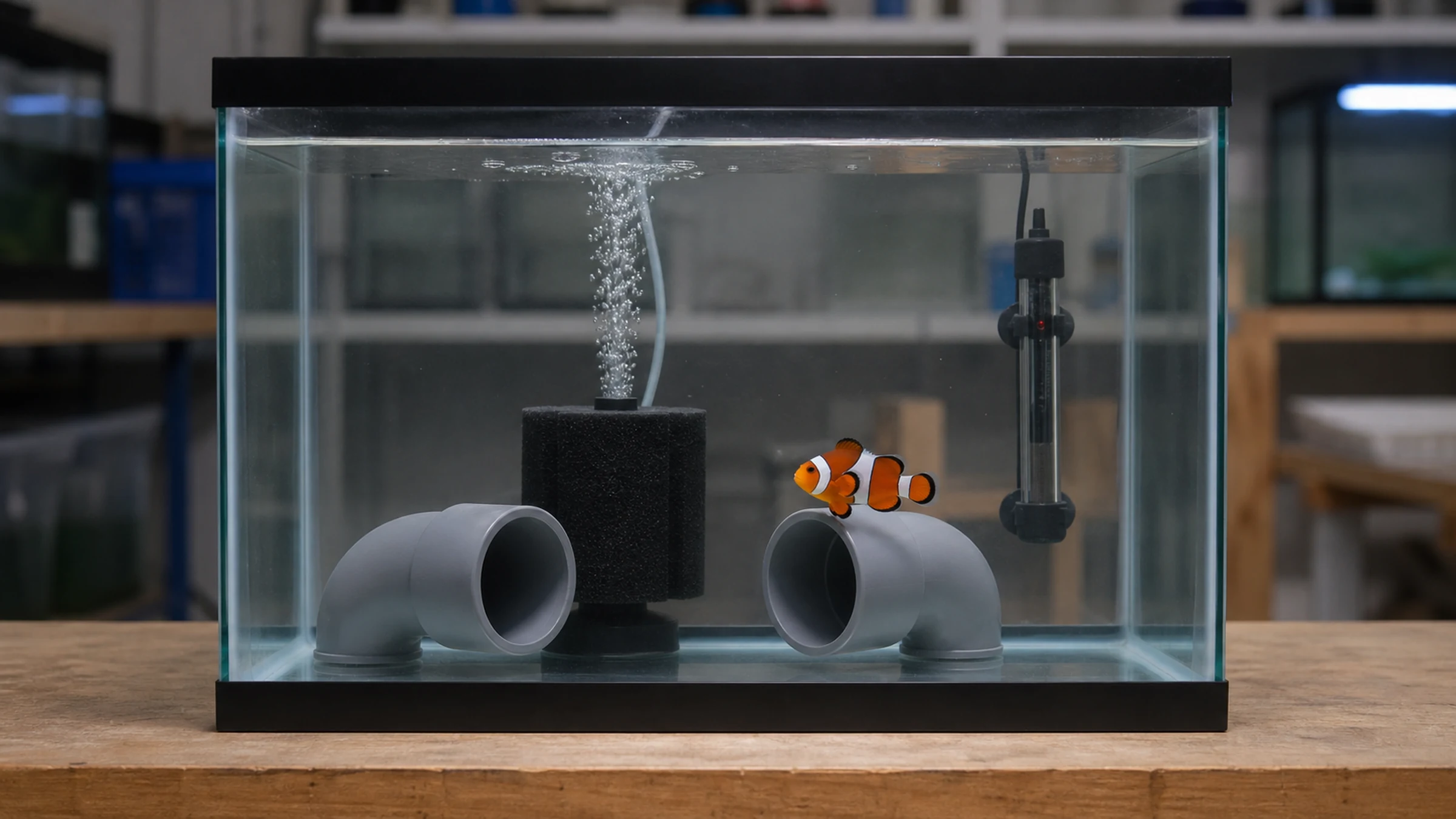
How to quarantine new saltwater fish against marine ich, velvet, and brooklynella: the QT tank, treatments, timelines, and the buy-clean shortcut.

What every reef parameter means and where to keep it: salinity, temperature, pH, alkalinity, calcium, magnesium, nitrate, and phosphate.

Choose compatible fish: school sizes, swimming zones, aggression, temperature and hardness matching, and honest bioload math for a peaceful community.
Keeping Diamond Goby?
AquaLens identifies your fish and plants from a photo, tracks water chemistry, and flags health issues early — free on iOS and Android.