
Giant Top Shell Care Guide
Tectus niloticus · Saltwater Snail
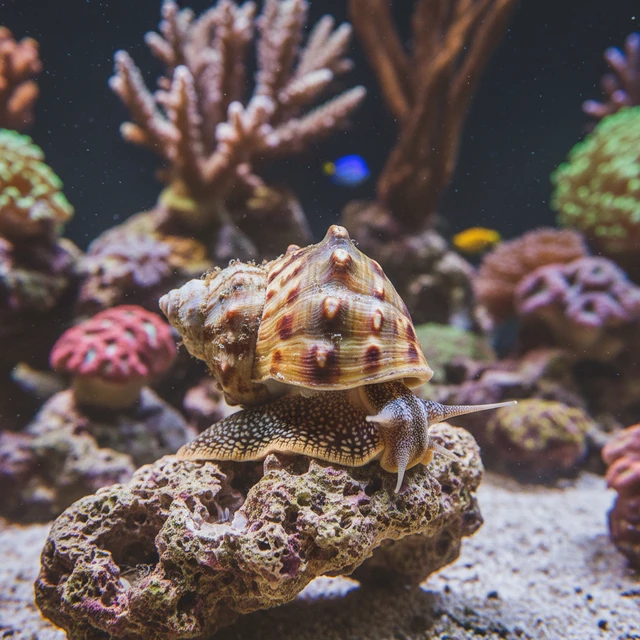
What Giant Top Shell look like
Tectus niloticus, commonly known as the Giant Top Shell, exhibits a robust, conical shell that can reach a maximum diameter of up to 15 cm (6 inches). The shell is characterized by its thick, spiraled structure adorned with prominent, radiating ribs and a glossy surface that varies in color from olive green to brown, often with intricate patterns of lighter hues. The aperture of the shell is large and oval, facilitating the easy extension of the soft body. Sexual dimorphism is not pronounced in this species; however, males may exhibit slightly larger shells. As a defensive adaptation, the shell is heavily calcified, providing protection against predation. Unique features include a well-developed operculum that seals the shell when the animal retracts, and a specialized foot that allows for strong adhesion to substrates, preventing dislodgment by wave action.
Behavior & temperament
Tectus niloticus is primarily a herbivorous grazer, feeding on a variety of algae and detritus found on rocky substrates. It exhibits a solitary lifestyle, often found clinging to rocks in intertidal zones. The species is known for its slow movement and can extend its foot significantly to adhere to surfaces, which aids in both feeding and avoiding predation. Breeding behavior involves the release of gametes into the water column, where external fertilization occurs. The temperament of the Giant Top Shell is generally passive, with minimal aggression towards conspecifics, although individuals may compete for prime grazing areas.
Diet & feeding
Tectus niloticus primarily feeds on macroalgae and biofilm in its natural habitat. In captivity, it requires a diet rich in algae, such as spirulina, and may benefit from supplemental calcium sources to maintain shell health.
Behind the name
The genus name 'Tectus' is derived from the Latin word 'tectus', meaning 'covered' or 'protected', referring to the shell's protective nature. The species name 'niloticus' denotes its association with the Nile River, indicating its geographical distribution.
Plan your tank
Check the numbers before you buy: tank volume, salinity, salt mix, water changes, and your ongoing care routine. Keeping reef? Start from the Saltwater & Reef hub.
Keep reading
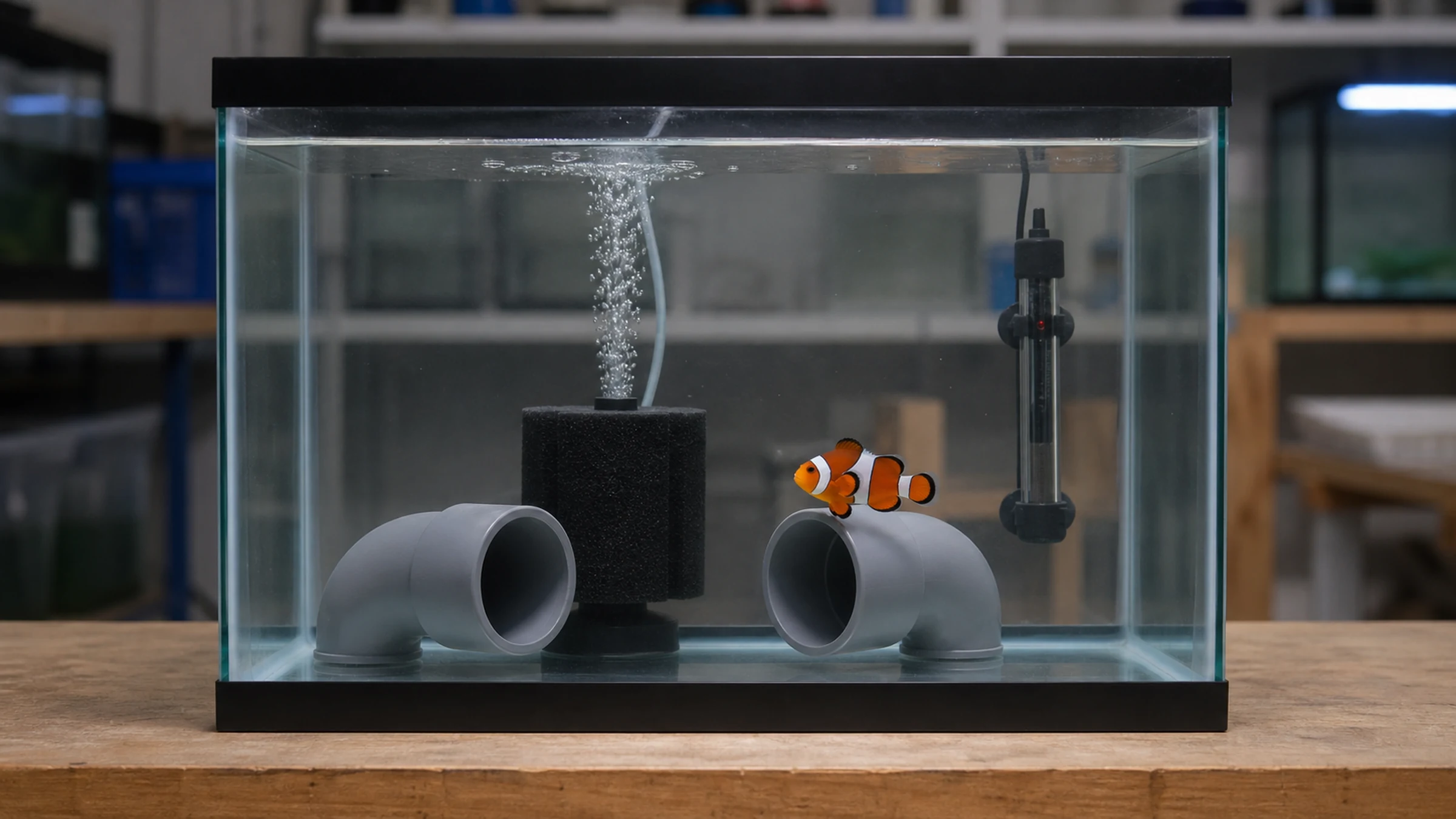
How to quarantine new saltwater fish against marine ich, velvet, and brooklynella: the QT tank, treatments, timelines, and the buy-clean shortcut.

What every reef parameter means and where to keep it: salinity, temperature, pH, alkalinity, calcium, magnesium, nitrate, and phosphate.
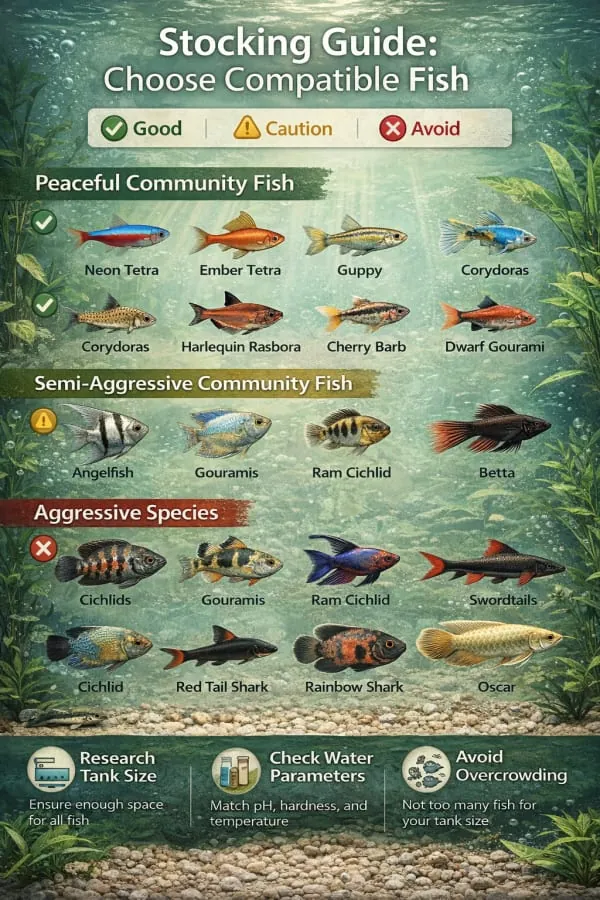
Choose compatible fish: school sizes, swimming zones, aggression, temperature and hardness matching, and honest bioload math for a peaceful community.
Keeping Giant Top Shell?
AquaLens identifies your fish and plants from a photo, tracks water chemistry, and flags health issues early — free on iOS and Android.