Leptastrea Coral Care Guide
Leptastrea purpurea · Saltwater LPS Coral
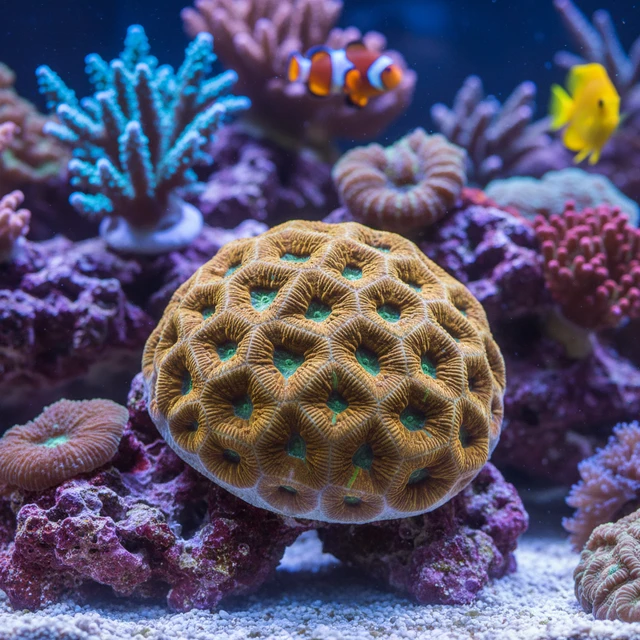
What Leptastrea Coral look like
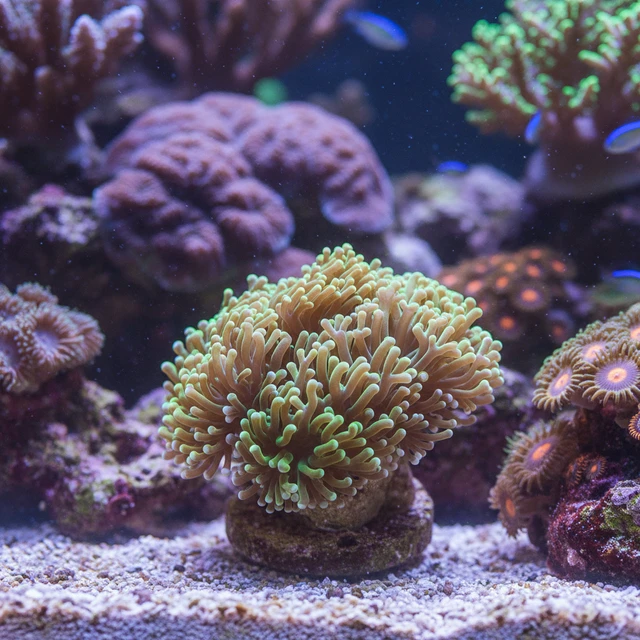
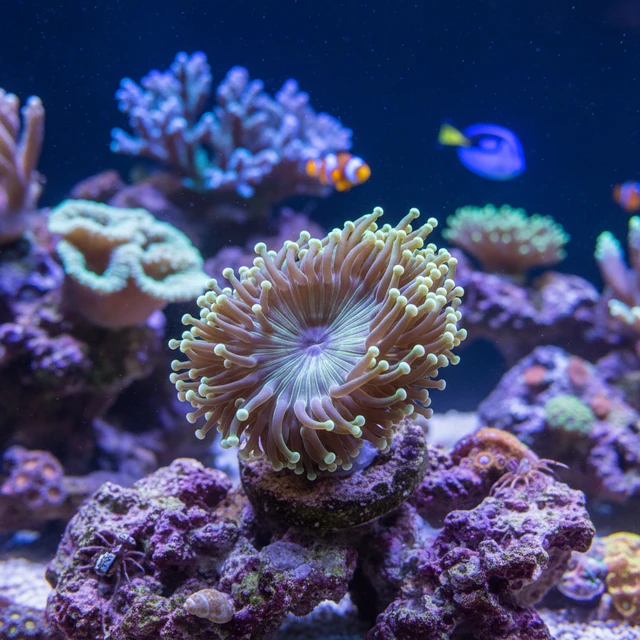
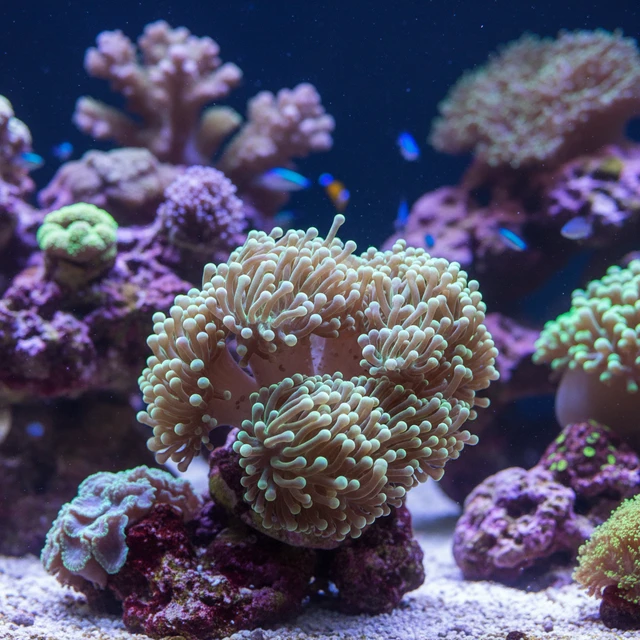
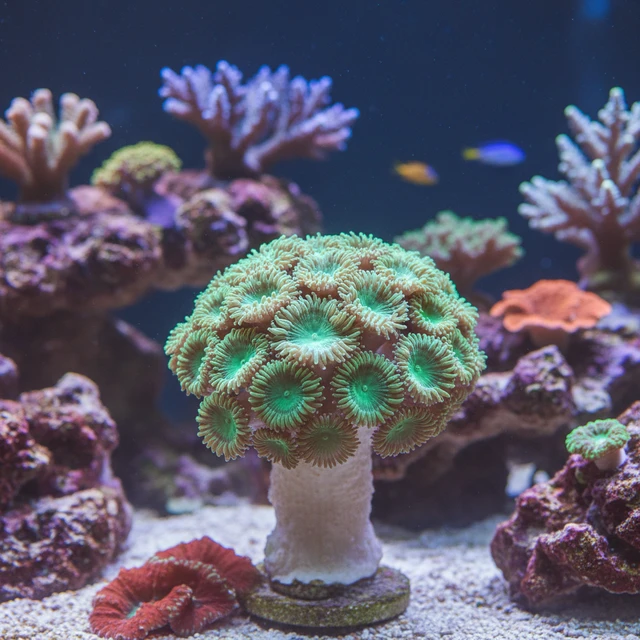
Leptastrea purpurea exhibits a robust and encrusting growth form, characterized by its thick, fleshy polyps that can extend up to 1 cm in diameter. The coral typically reaches a maximum adult size of approximately 30 cm in diameter, forming expansive colonies that can cover substantial areas of substrate. Sexual dimorphism is not evident in this species, as both male and female reproductive structures are found within the same colony. Defensive adaptations include a potent array of nematocysts, which are used to deter potential predators. Unique morphological features include its distinctively textured surface, which is often adorned with small, rounded corallites that house the polyps, and its ability to exhibit color variations ranging from deep purple to brown, influenced by environmental factors and symbiotic zooxanthellae populations.
Behavior & temperament
Leptastrea purpurea is primarily a sessile organism, displaying limited movement through the extension and retraction of its polyps. It engages in a form of passive feeding, utilizing its tentacles to capture plankton and organic debris from the water column. This species often forms symbiotic relationships with zooxanthellae, which provide essential nutrients through photosynthesis. The coral exhibits a relatively low aggression level, often cohabitating with other corals, although it can engage in aggressive interactions with neighboring colonies under certain conditions, particularly when competing for space or resources.
Diet & feeding
Leptastrea purpurea is a facultative heterotroph, primarily relying on photosynthesis from its symbiotic zooxanthellae, but also capturing zooplankton and organic matter from the water column. In captivity, it requires a diet supplemented with small particulate foods and regular feeding of planktonic organisms.
Behind the name
The genus name 'Leptastrea' derives from the Greek words 'leptos', meaning 'thin', and 'strephos', meaning 'twisted', referring to the thin, twisted appearance of its corallites. The species name 'purpurea' is Latin for 'purple', indicative of the coral's common coloration.
Plan your tank
Check the numbers before you buy: tank volume, salinity, salt mix, water changes, and your ongoing care routine. Keeping reef? Start from the Saltwater & Reef hub.
Keep reading
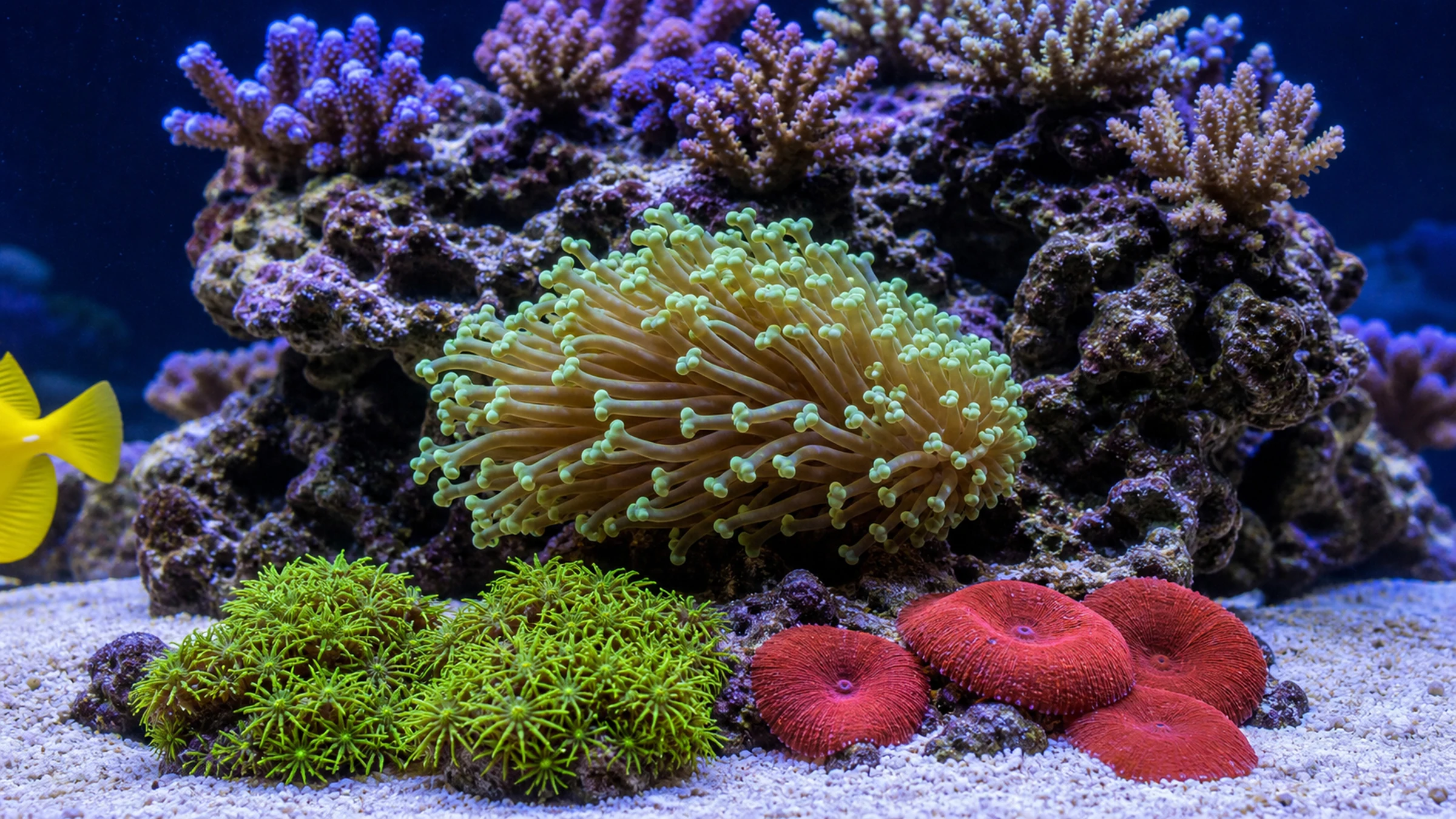
How to place corals by light and flow, PAR targets for softies, LPS, and SPS, dipping new corals for pests, and acclimating them without bleaching.
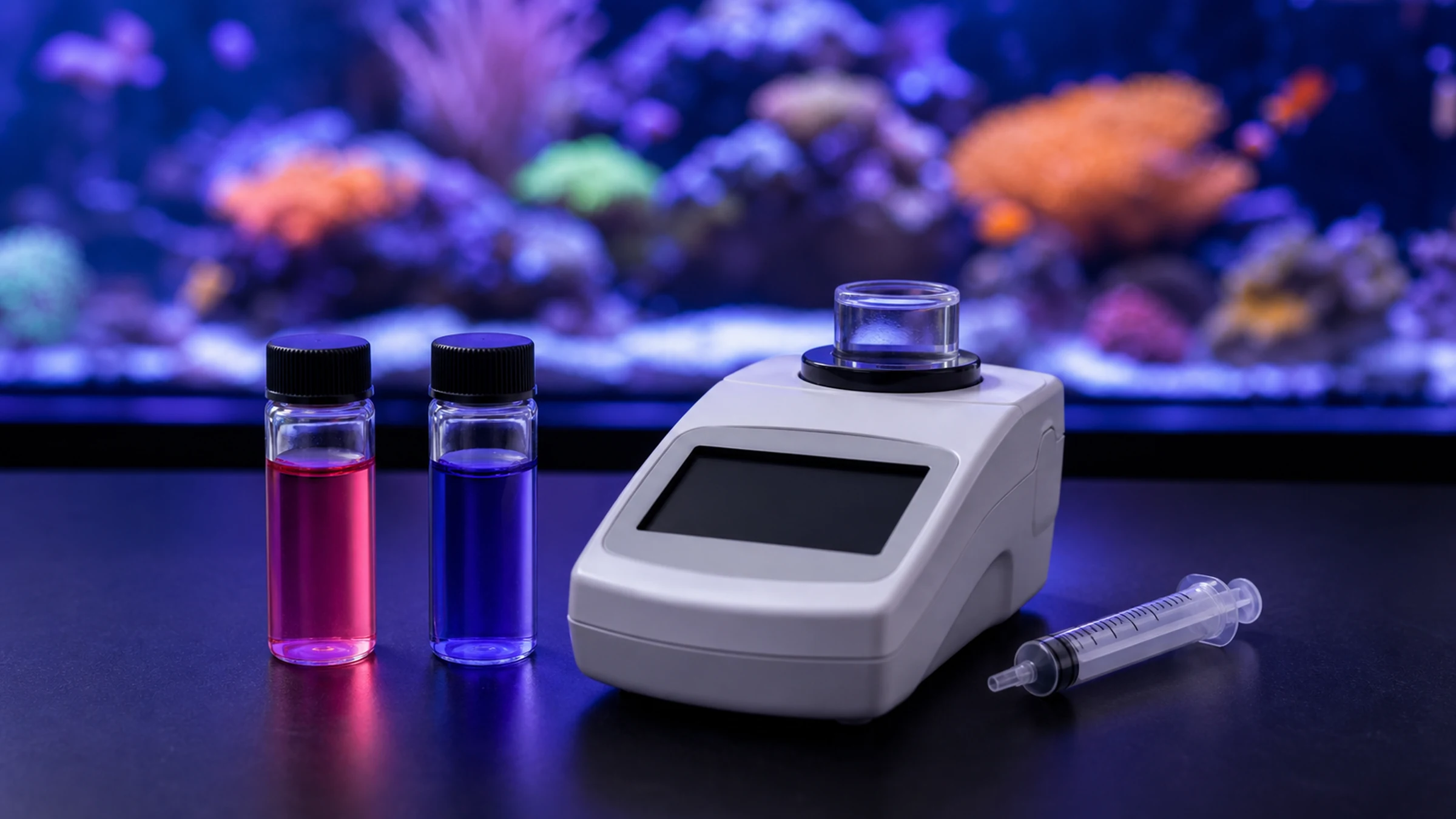
What every reef parameter means and where to keep it: salinity, temperature, pH, alkalinity, calcium, magnesium, nitrate, and phosphate.
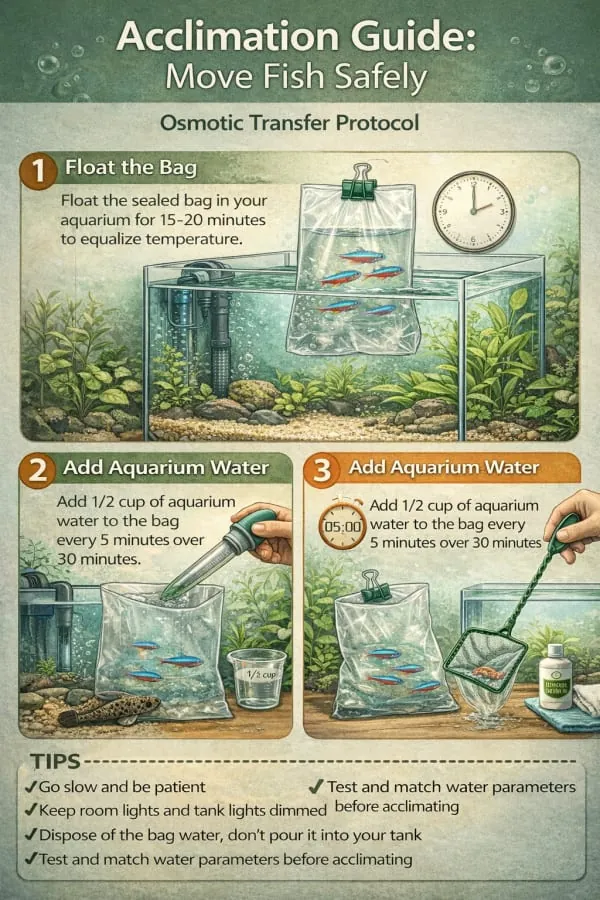
Acclimate new fish, shrimp, and coral safely: temperature floating, drip acclimation, plop-and-drop for shipped livestock, and the first 24 hours.
Keeping Leptastrea Coral?
AquaLens identifies your fish and plants from a photo, tracks water chemistry, and flags health issues early — free on iOS and Android.