Miniatus Grouper Care Guide
Cephalopholis miniata · Saltwater Grouper
What Miniatus Grouper look like
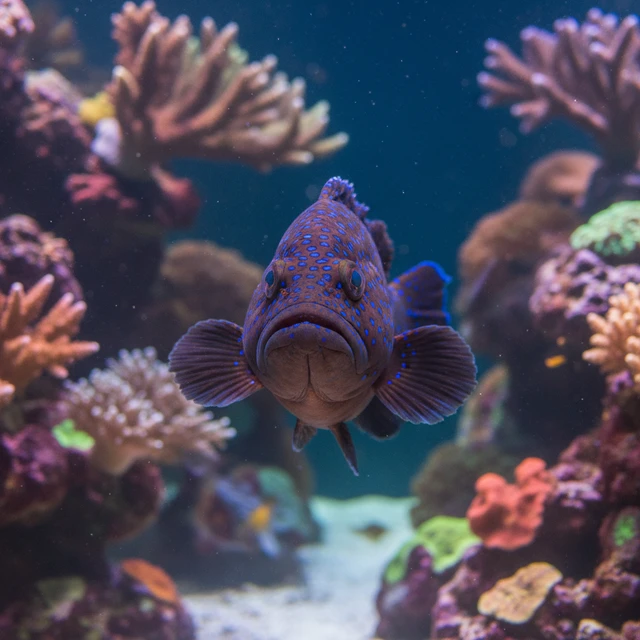
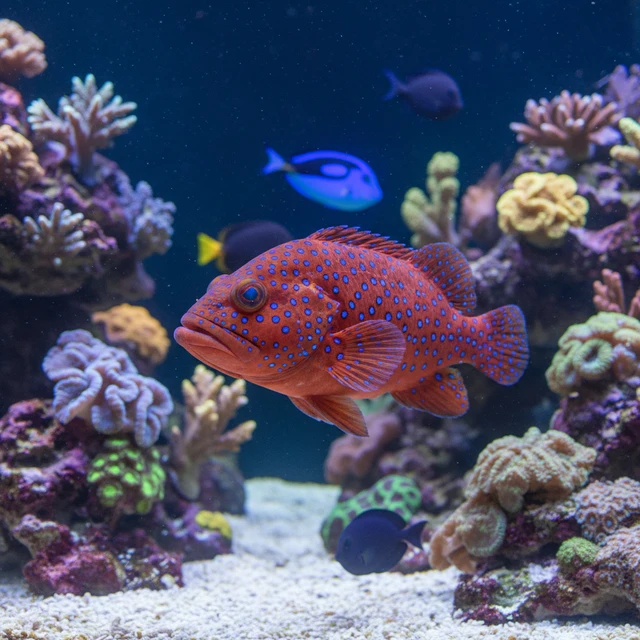
The Miniatus Grouper, scientifically known as Cephalopholis miniata, exhibits a robust and laterally compressed body that can reach a maximum adult size of approximately 50 cm (20 inches) in length. Its coloration is striking, featuring a vibrant red to orange background adorned with numerous small blue spots, which serve as a form of disruptive coloration. Sexual dimorphism is not pronounced in this species; however, males may exhibit slightly larger body sizes and more vivid coloration during breeding periods. The Miniatus Grouper possesses a large mouth with sharp, conical teeth adapted for grasping prey, and its dorsal fin is continuous and elongated, contributing to its agile swimming capabilities. Notably, this species has a well-developed lateral line system that aids in detecting vibrations in the water, enhancing its predatory efficiency.
Behavior & temperament
Cephalopholis miniata is generally a solitary fish but can be found in small groups during breeding seasons. It typically inhabits rocky substrates and coral reefs, where it displays a territorial nature, often establishing a home range that it defends against intruders. The Miniatus Grouper is a sit-and-wait predator, utilizing ambush tactics to capture prey, which includes smaller fish and crustaceans. During breeding, males may engage in elaborate courtship displays, showcasing their vibrant colors and engaging in synchronized swimming with females. The species exhibits a moderate level of aggression, particularly towards conspecifics and potential competitors for food and territory.
Diet & feeding
In the wild, the Miniatus Grouper is primarily piscivorous, feeding on a diet of smaller fish and crustaceans. In captivity, it requires a varied diet that includes high-quality frozen or live foods such as shrimp, fish fillets, and other meaty offerings to maintain optimal health.
Behind the name
The genus name 'Cephalopholis' derives from the Greek words 'kephalē' meaning 'head' and 'pholis' meaning 'scale', referring to the scale-covered head of the fish. The species name 'miniata' is derived from the Latin word for 'red', indicative of its vibrant coloration.
Plan your tank
Check the numbers before you buy: tank volume, salinity, salt mix, water changes, and your ongoing care routine. Keeping reef? Start from the Saltwater & Reef hub.
Keep reading
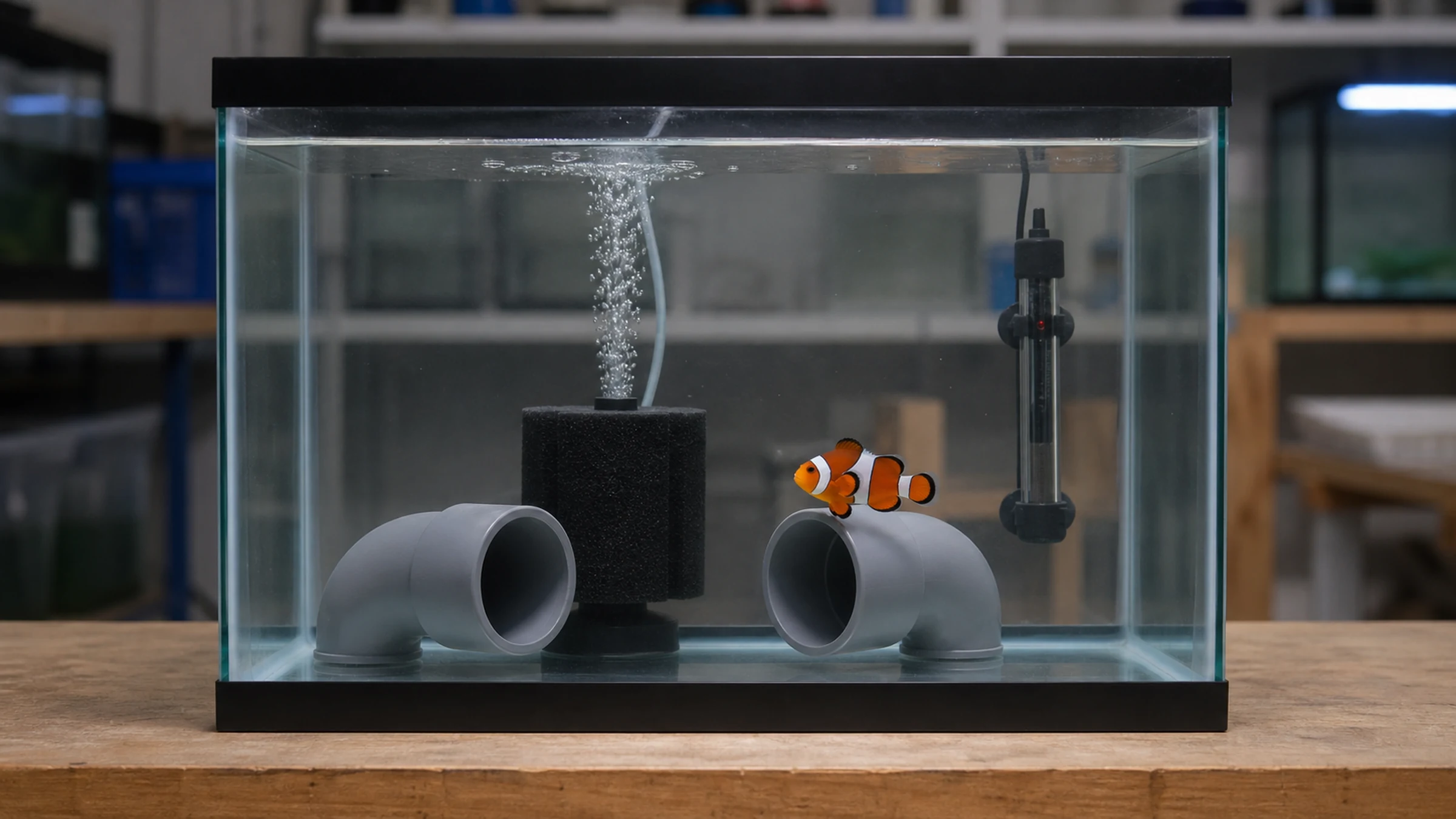
How to quarantine new saltwater fish against marine ich, velvet, and brooklynella: the QT tank, treatments, timelines, and the buy-clean shortcut.

What every reef parameter means and where to keep it: salinity, temperature, pH, alkalinity, calcium, magnesium, nitrate, and phosphate.
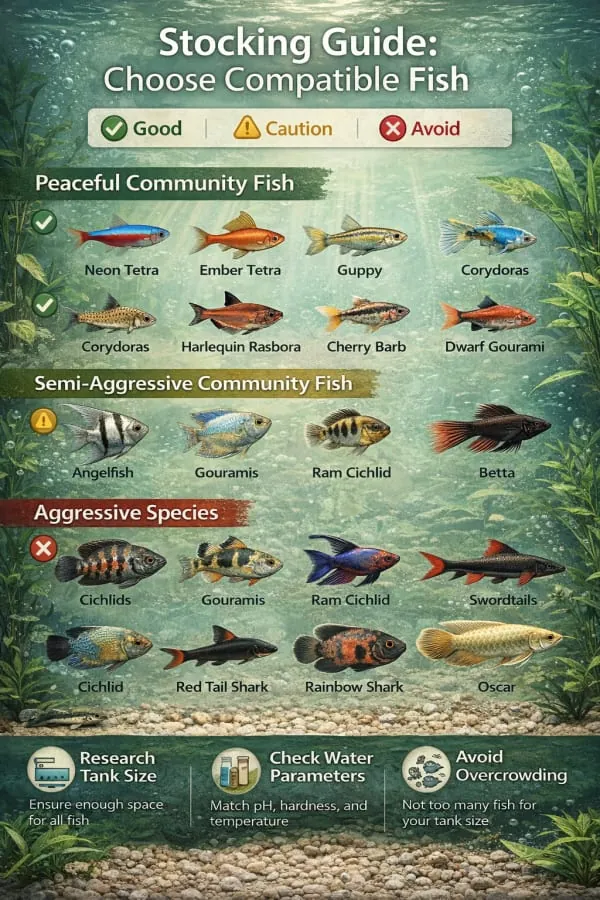
Choose compatible fish: school sizes, swimming zones, aggression, temperature and hardness matching, and honest bioload math for a peaceful community.
Keeping Miniatus Grouper?
AquaLens identifies your fish and plants from a photo, tracks water chemistry, and flags health issues early — free on iOS and Android.