Plate Coral Care Guide
Fungia fungites · Saltwater LPS Coral
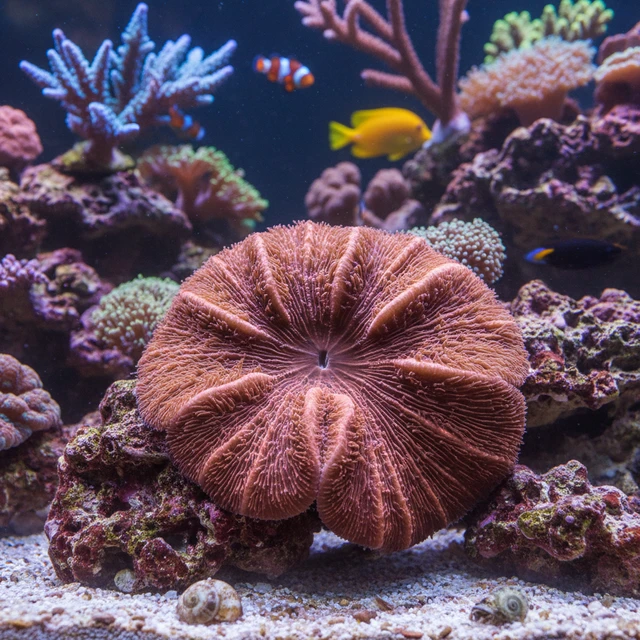
What Plate Coral look like
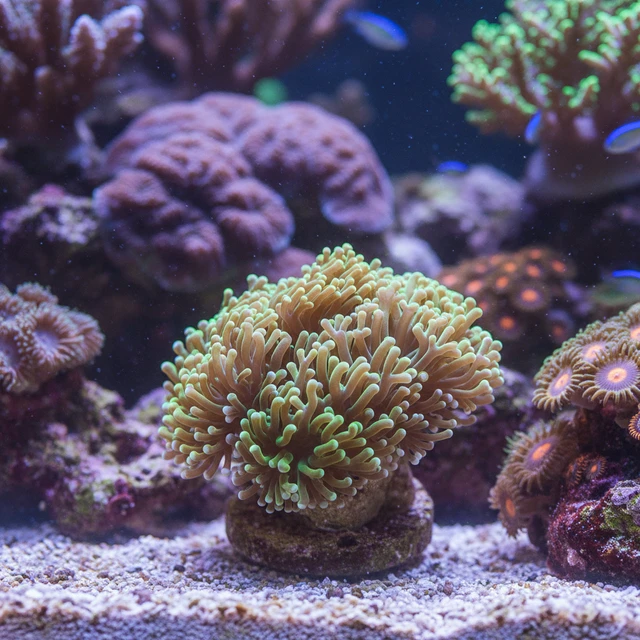
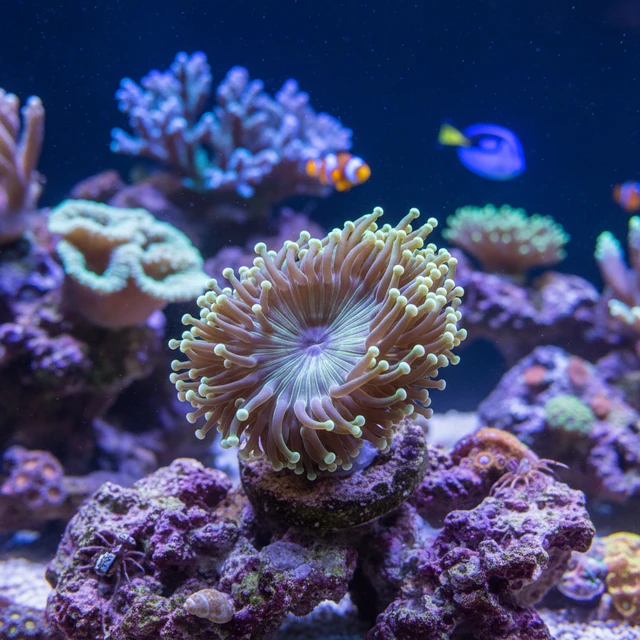
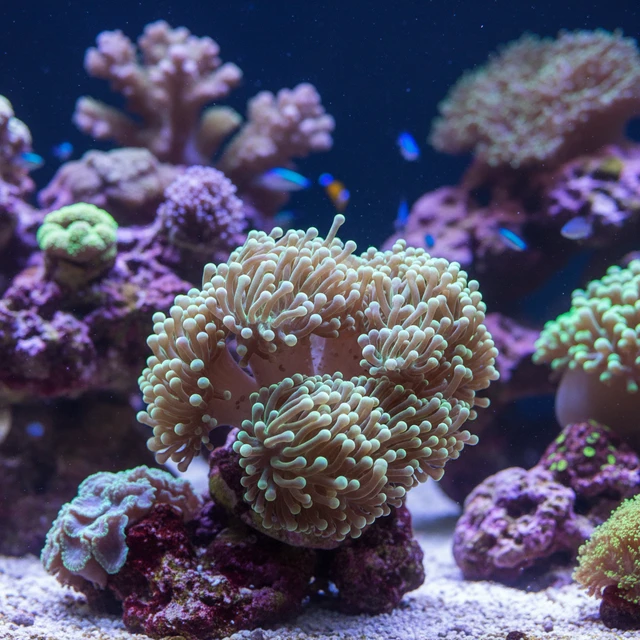
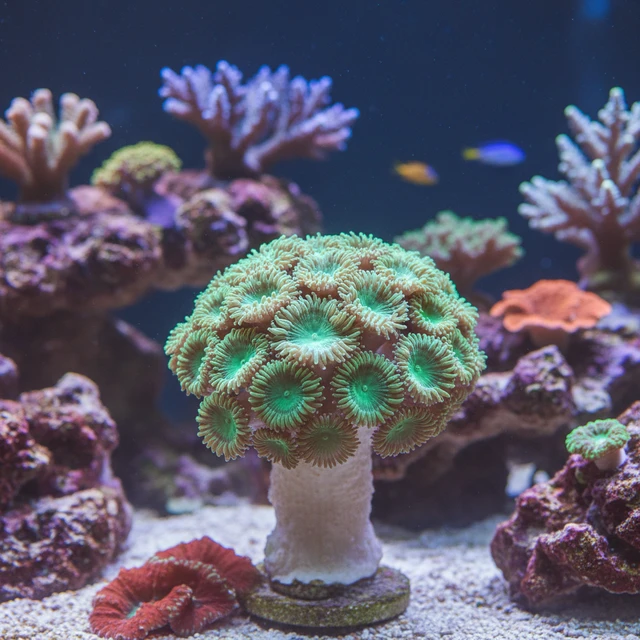
Fungia fungites, commonly known as Plate Coral, exhibits a distinctive, flattened, disc-like morphology that can reach a maximum diameter of 30 cm (12 inches). The coral features a prominent central mouth surrounded by a series of radiating septa that are typically well-defined, contributing to its unique star-like appearance. The coloration can vary widely, including shades of green, brown, and blue, often with vibrant patterns that enhance its aesthetic appeal. Sexual dimorphism is not pronounced in this species; however, individual polyps may exhibit slight variations in size and coloration. Defensive adaptations include the ability to retract its polyps into the skeleton during periods of stress or predation, and its stinging potential is moderate due to the presence of nematocysts, which are primarily used for capturing prey rather than for defense. The skeletal structure is robust, with a smooth upper surface that aids in sediment accumulation and provides a stable base for the coral.
Behavior & temperament
Fungia fungites is primarily a solitary coral, often found resting on the substrate rather than forming colonies. It exhibits a unique feeding behavior, extending its polyps at night to capture zooplankton and other small particulate matter from the water column. This species has a symbiotic relationship with zooxanthellae, which provide it with additional energy through photosynthesis during the day. While generally non-aggressive, it can exhibit territorial behavior towards other corals when space is limited. The polyp extension is most pronounced during the evening hours, and it is capable of moderate movement across the substrate, allowing it to optimize its position for light and feeding.
Diet & feeding
Fungia fungites is primarily a carnivorous coral that feeds on zooplankton and small organic particles. In captivity, it requires a diet supplemented with finely chopped meaty foods and can benefit from regular feeding of planktonic foods.
Behind the name
The scientific name 'Fungia fungites' derives from the Latin word 'fungus,' meaning 'mushroom,' reflecting its mushroom-like shape, and 'fungites,' which indicates a resemblance to fungi.
Plan your tank
Check the numbers before you buy: tank volume, salinity, salt mix, water changes, and your ongoing care routine. Keeping reef? Start from the Saltwater & Reef hub.
Keep reading
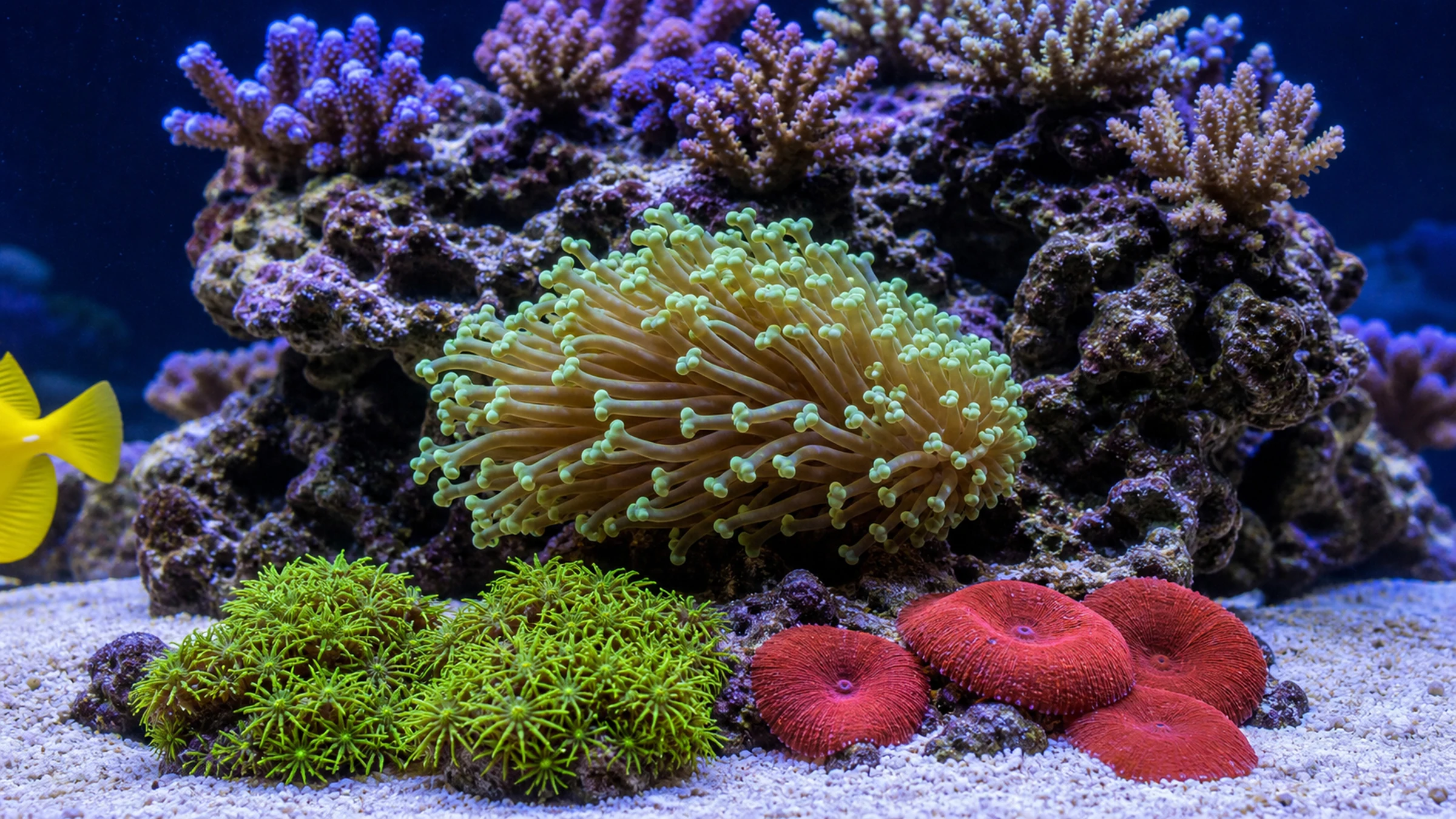
How to place corals by light and flow, PAR targets for softies, LPS, and SPS, dipping new corals for pests, and acclimating them without bleaching.
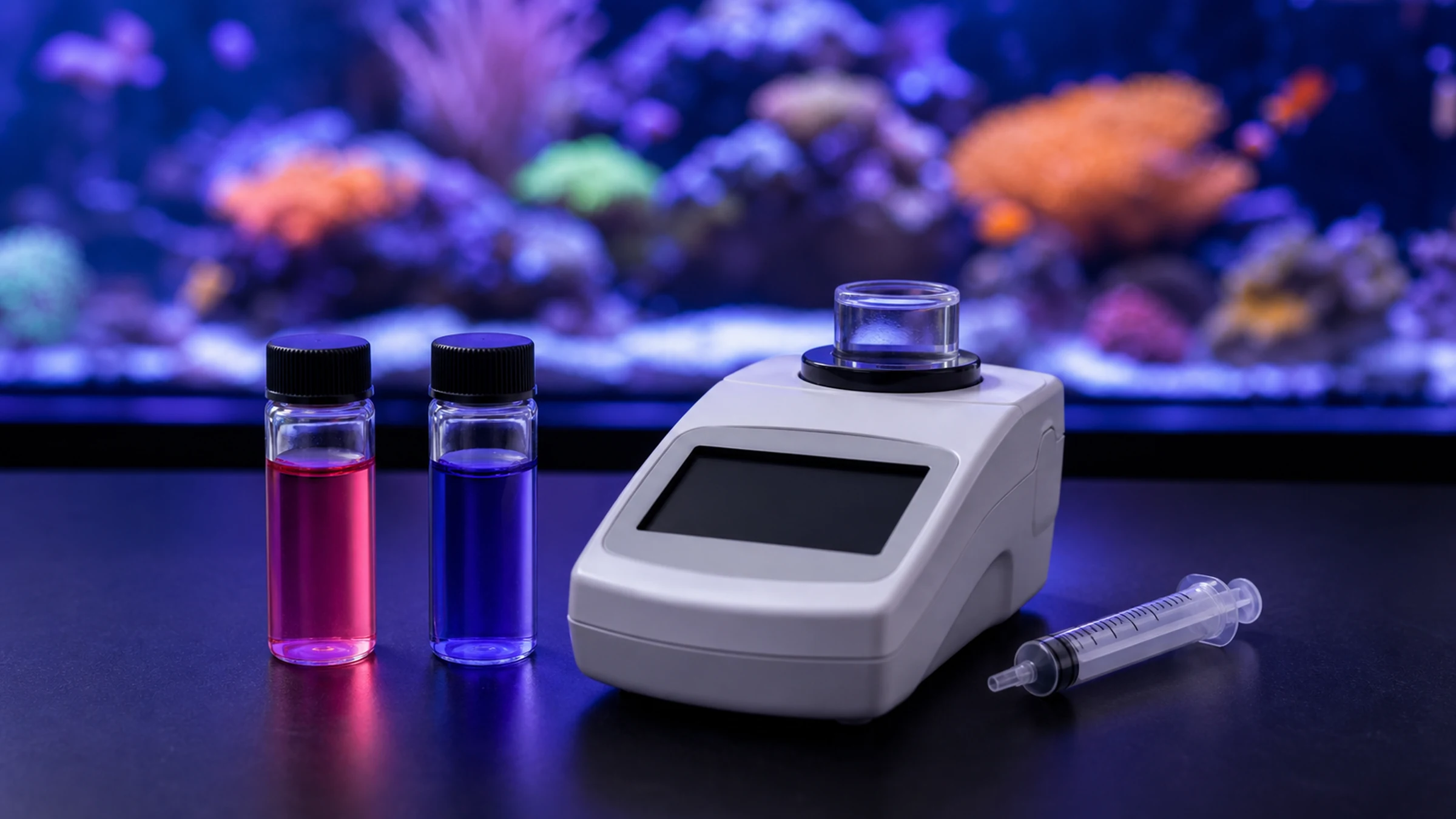
What every reef parameter means and where to keep it: salinity, temperature, pH, alkalinity, calcium, magnesium, nitrate, and phosphate.
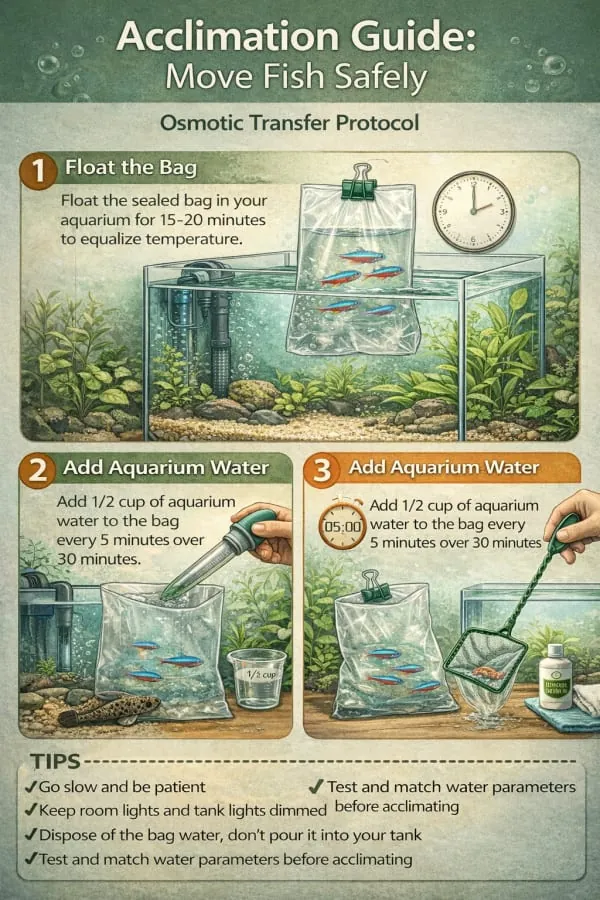
Acclimate new fish, shrimp, and coral safely: temperature floating, drip acclimation, plop-and-drop for shipped livestock, and the first 24 hours.
Keeping Plate Coral?
AquaLens identifies your fish and plants from a photo, tracks water chemistry, and flags health issues early — free on iOS and Android.