
Pulsing Xenia Care Guide
Xenia elongata · Saltwater Soft Coral
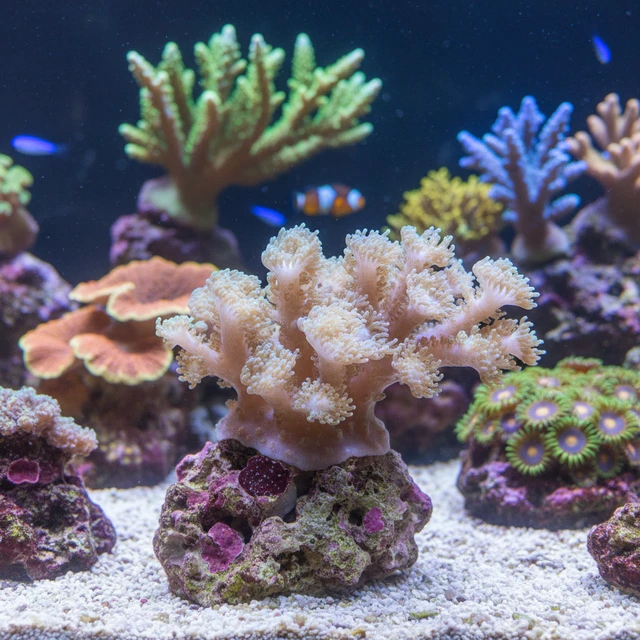
What Pulsing Xenia look like
Xenia elongata, commonly known as Pulsing Xenia, exhibits a distinctive morphology characterized by its soft, fleshy polyps that can extend and retract rhythmically, creating a pulsing effect. The polyps are typically elongated, measuring up to 2-3 cm in length, and are arranged in clusters on a branching, often encrusting base. The coloration ranges from pale pink to bright purple, with a translucent appearance that allows for light penetration. The coral lacks a hard skeleton, which is typical of soft corals, and features a unique structure of eight tentacles per polyp, each adorned with fine, feather-like extensions known as pinnate lobes. This species does not exhibit sexual dimorphism, and its primary defensive adaptation is the production of secondary metabolites that can deter herbivores. Additionally, Xenia elongata possesses a well-developed system of mesenterial filaments that can be extended for both feeding and defense.
Behavior & temperament
Pulsing Xenia is known for its unique pulsing behavior, which is thought to facilitate water circulation and enhance feeding efficiency. This coral is generally found in colonies, exhibiting a clonal growth pattern where individual polyps can expand and contract in unison, creating a visually striking display. In terms of symbiotic relationships, Xenia elongata often hosts zooxanthellae, which provide it with essential nutrients through photosynthesis. The coral is relatively peaceful and does not exhibit aggressive behaviors towards neighboring corals, although it can overgrow less competitive species if conditions are favorable. Its movement is limited to the extension and retraction of polyps, and it possesses a low stinging potential due to its soft tissue composition.
Diet & feeding
Xenia elongata is primarily a photosynthetic coral, relying on symbiotic zooxanthellae for energy, but it also captures plankton and organic particulates from the water column. In captivity, it requires a well-lit environment with moderate flow and can benefit from supplemental feeding with liquid coral foods or phytoplankton.
Behind the name
The genus name 'Xenia' is derived from the Greek word 'xenos', meaning 'strange' or 'foreign', while the species name 'elongata' comes from the Latin 'elongatus', meaning 'elongated', referring to the shape of the polyps.
Plan your tank
Check the numbers before you buy: tank volume, salinity, salt mix, water changes, and your ongoing care routine. Keeping reef? Start from the Saltwater & Reef hub.
Keep reading
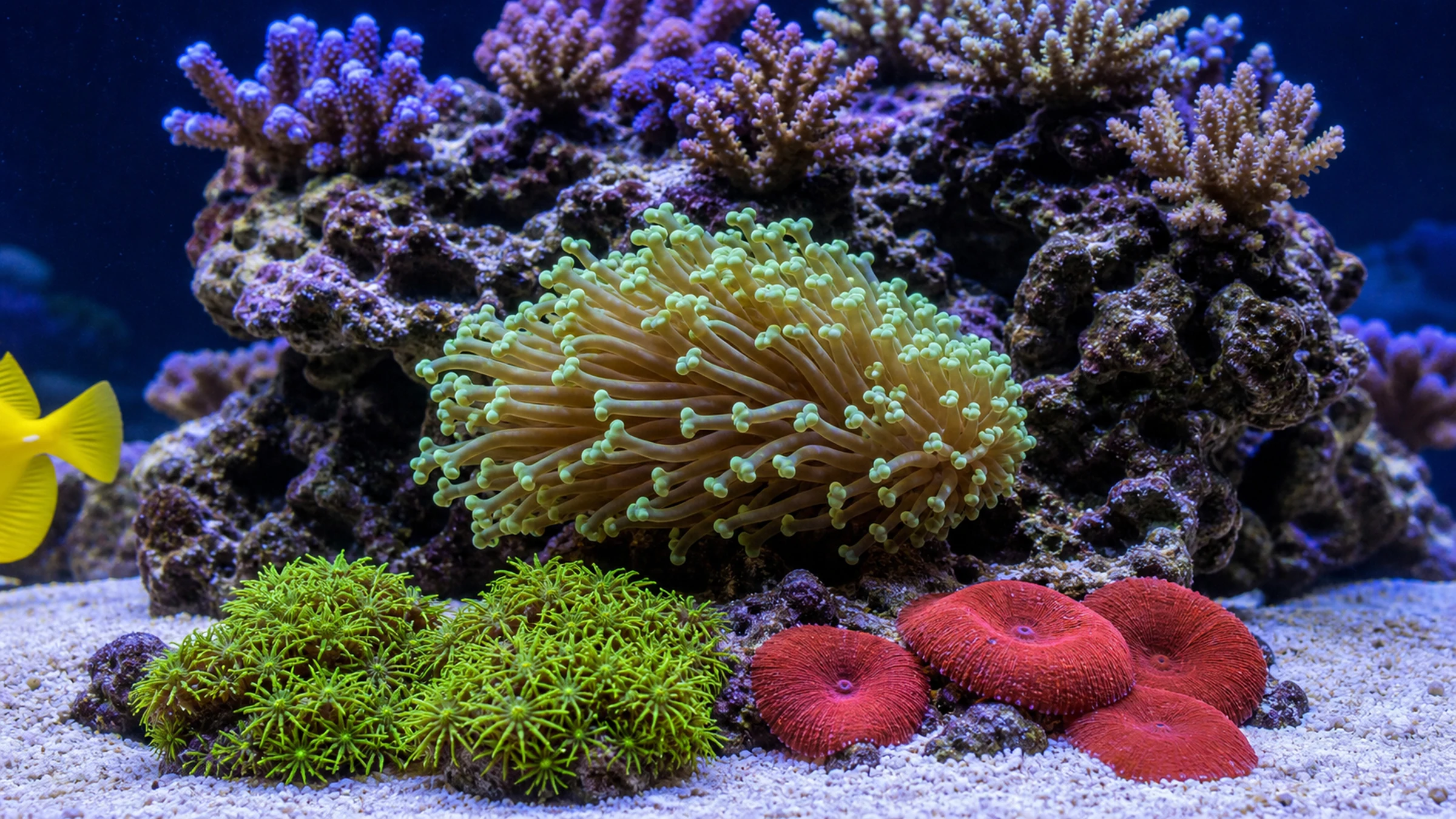
How to place corals by light and flow, PAR targets for softies, LPS, and SPS, dipping new corals for pests, and acclimating them without bleaching.

What every reef parameter means and where to keep it: salinity, temperature, pH, alkalinity, calcium, magnesium, nitrate, and phosphate.

Acclimate new fish, shrimp, and coral safely: temperature floating, drip acclimation, plop-and-drop for shipped livestock, and the first 24 hours.
Keeping Pulsing Xenia?
AquaLens identifies your fish and plants from a photo, tracks water chemistry, and flags health issues early — free on iOS and Android.