Sammara Squirrelfish Care Guide
Neoniphon sammara · Saltwater Squirrelfish
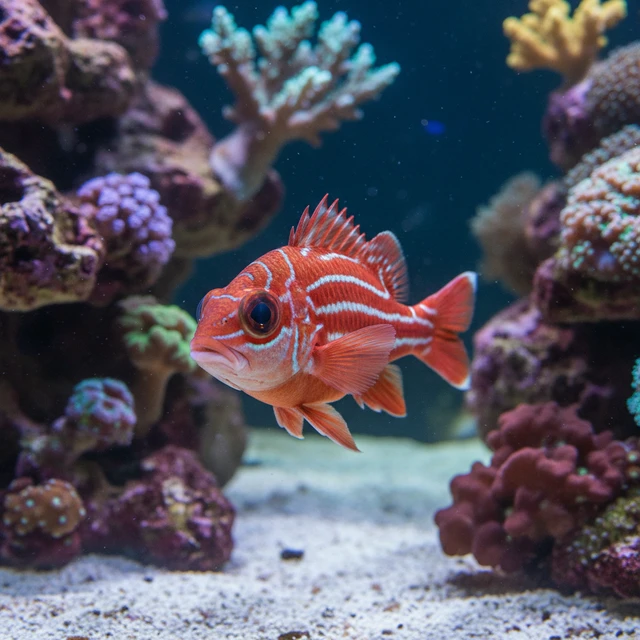
What Sammara Squirrelfish look like
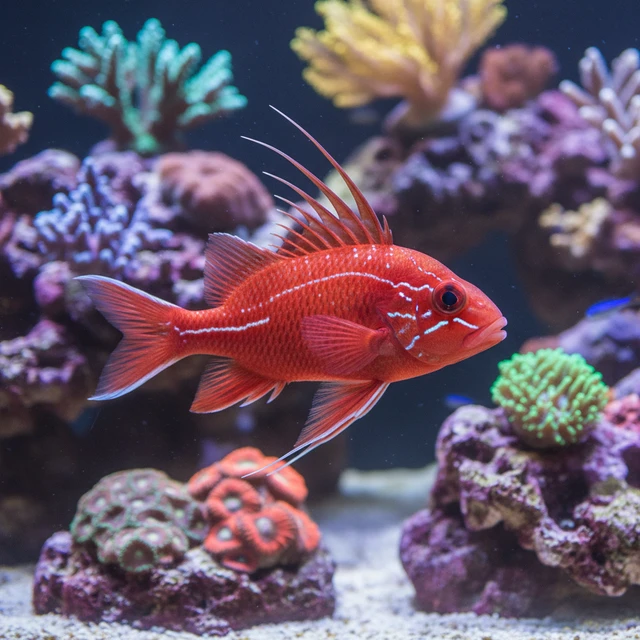
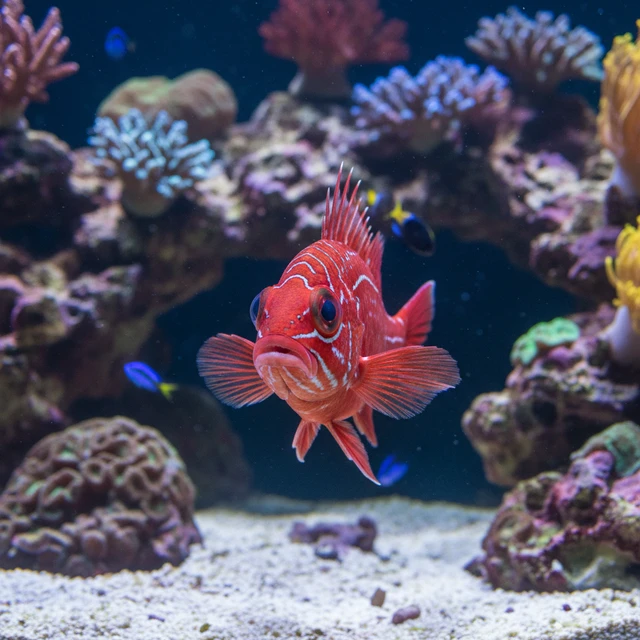
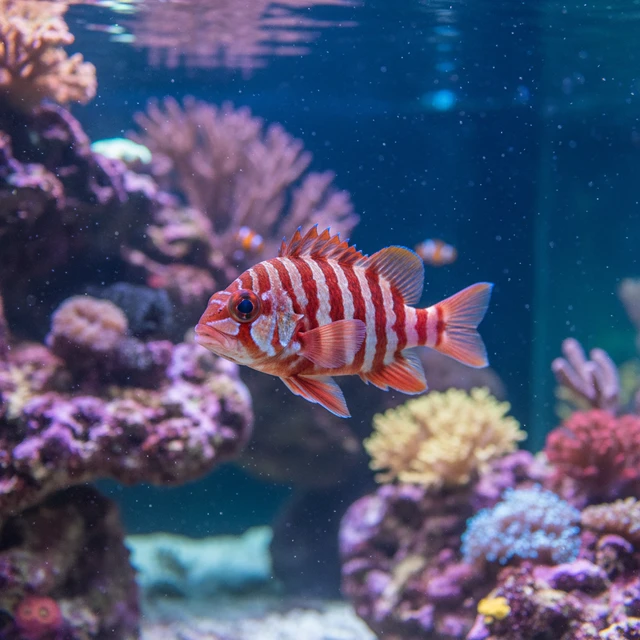
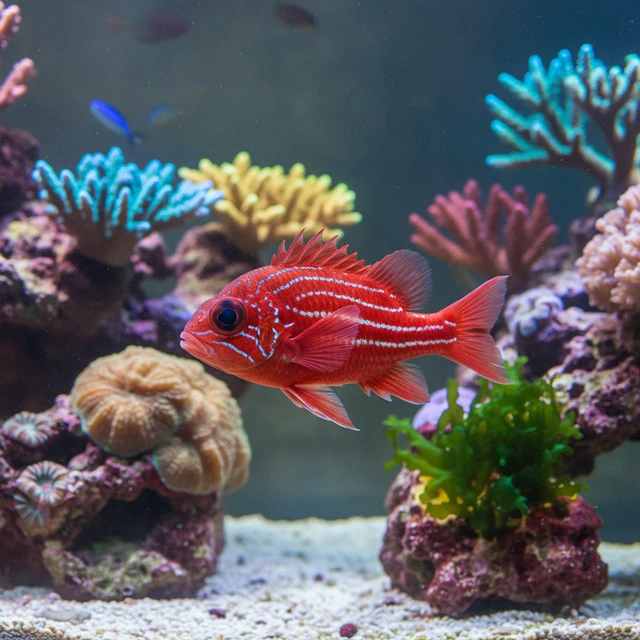
The Sammara Squirrelfish (Neoniphon sammara) exhibits a robust, laterally compressed body that can reach a maximum adult size of approximately 30 cm (12 inches) in standard length. Its coloration is characterized by a striking combination of bright red to orange hues, which serve as a warning coloration against potential predators. The eyes are large and prominent, adapted for nocturnal vision, and are surrounded by a distinctive yellow ring. Sexual dimorphism is not pronounced in this species; however, males may display slightly larger dorsal fins during breeding displays. Defensive adaptations include a set of venomous spines located on the dorsal fin, which can deter predators. Unique morphological features include a well-developed lateral line system that aids in detecting vibrations in the water, and sharp, conical teeth that are ideal for grasping slippery prey.
Behavior & temperament
Sammara Squirrelfish are primarily nocturnal and exhibit a social hierarchy, often forming small groups or schools during the day, which provide safety in numbers. They typically inhabit the crevices of rocky reefs and are known to be territorial, displaying aggressive behaviors towards intruders, especially during breeding seasons. Breeding behavior involves courtship displays where males may engage in intricate swimming patterns to attract females. Their temperament can be described as moderately aggressive, particularly when defending their territory. During the night, they become more active hunters, utilizing their keen eyesight to forage for prey.
Diet & feeding
In the wild, Sammara Squirrelfish are carnivorous, primarily feeding on small crustaceans, mollusks, and small fish. In captivity, they require a diet rich in meaty foods such as high-quality frozen or live shrimp, fish, and other protein sources to thrive.
Behind the name
The genus name 'Neoniphon' is derived from the Greek words 'neos' meaning 'new' and 'niphon' meaning 'to swim', while the species name 'sammara' is likely derived from a local name or descriptor used in its native habitat.
Plan your tank
Check the numbers before you buy: tank volume, salinity, salt mix, water changes, and your ongoing care routine. Keeping reef? Start from the Saltwater & Reef hub.
Keep reading
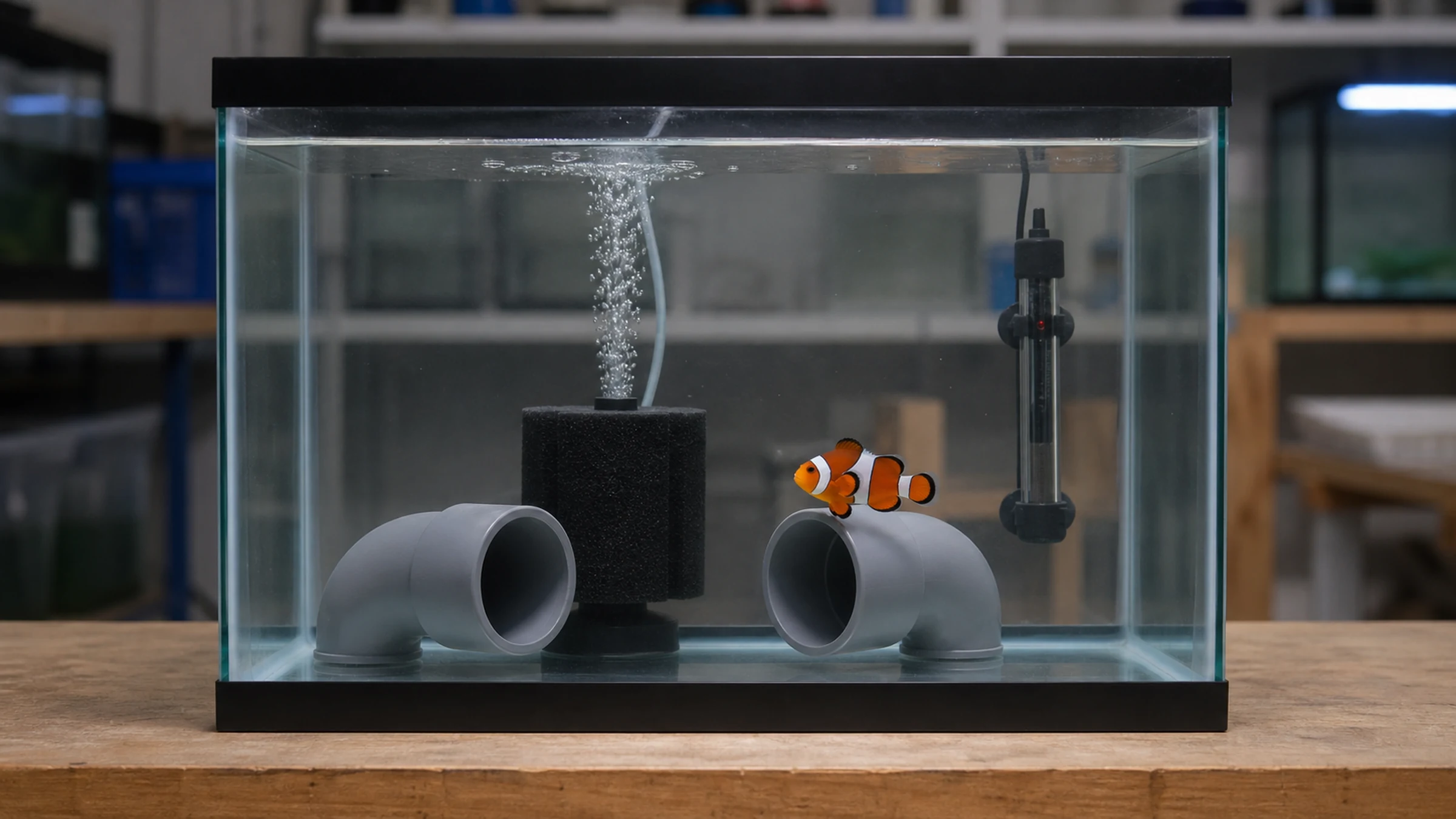
How to quarantine new saltwater fish against marine ich, velvet, and brooklynella: the QT tank, treatments, timelines, and the buy-clean shortcut.

What every reef parameter means and where to keep it: salinity, temperature, pH, alkalinity, calcium, magnesium, nitrate, and phosphate.

Choose compatible fish: school sizes, swimming zones, aggression, temperature and hardness matching, and honest bioload math for a peaceful community.
Keeping Sammara Squirrelfish?
AquaLens identifies your fish and plants from a photo, tracks water chemistry, and flags health issues early — free on iOS and Android.