Scolymia Coral Care Guide
Scolymia australis · Saltwater LPS Coral
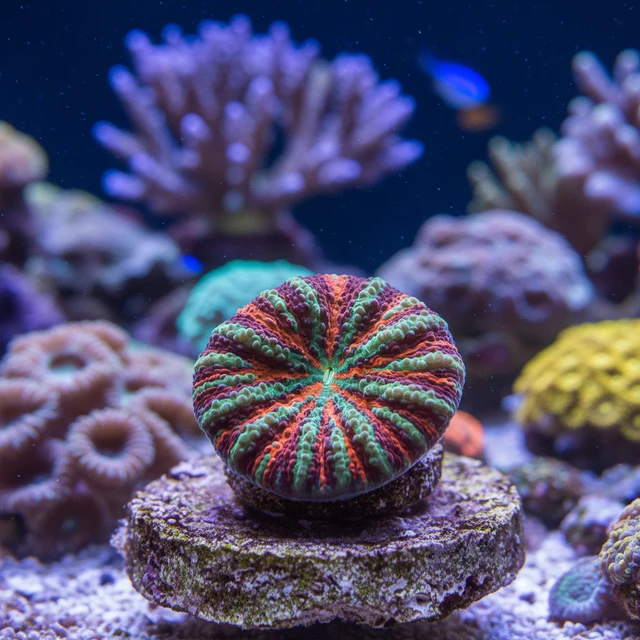
What Scolymia Coral look like
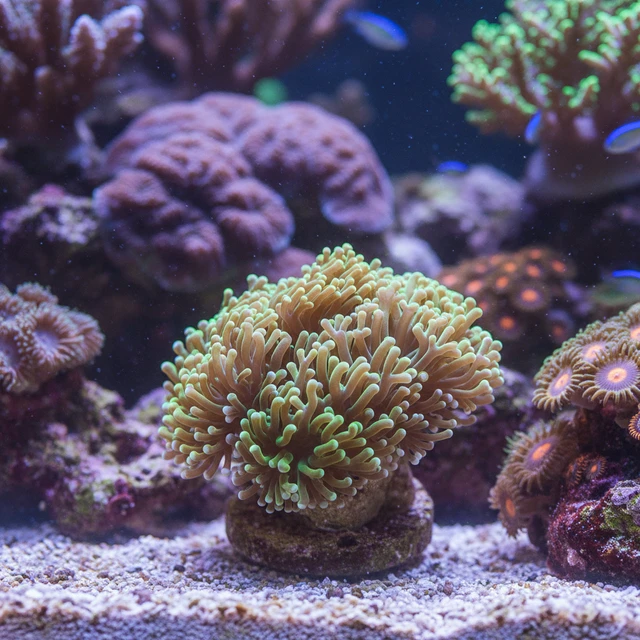
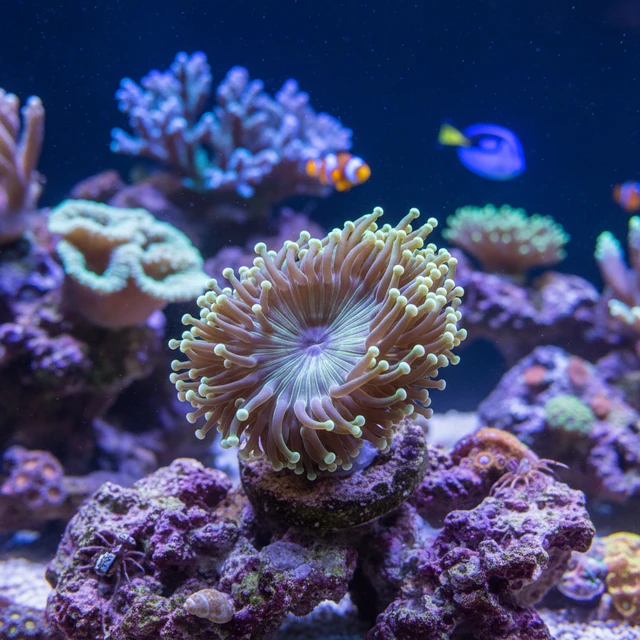
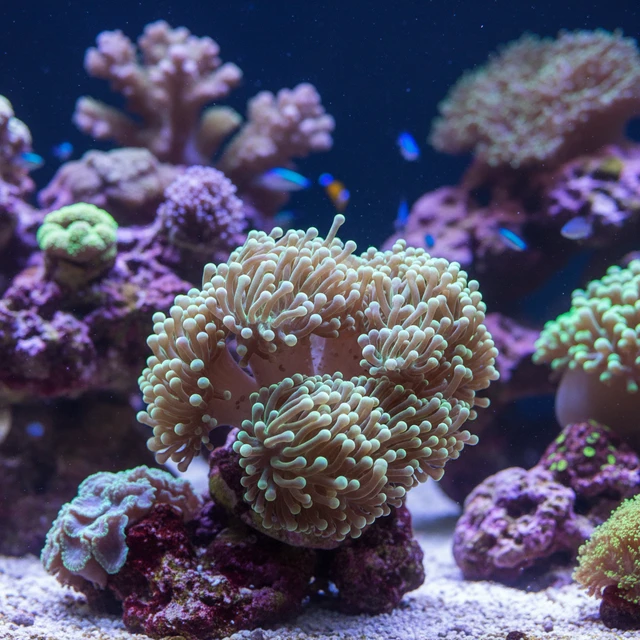
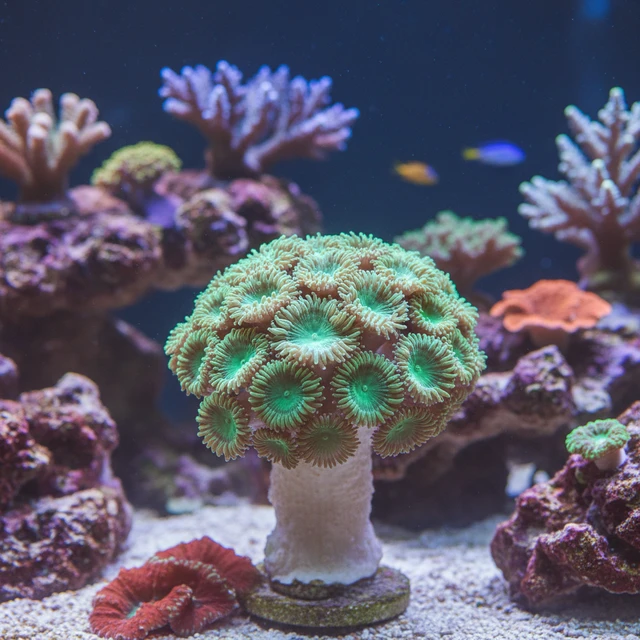
Scolymia australis, commonly known as the Scolymia Coral, exhibits a robust, discoidal shape with a maximum adult diameter reaching up to 12 inches (30 cm). The coral features a prominent, thick skeleton with a smooth surface texture, often displaying a vibrant array of colors including greens, reds, and browns, which can vary significantly between individuals. Sexual dimorphism is not pronounced in this species, as both sexes exhibit similar external characteristics. Scolymia australis possesses a unique polyp structure characterized by large, fleshy tentacles that extend during feeding, showcasing their ability to capture planktonic organisms. Defensive adaptations include the secretion of a potent mucous layer that deters potential predators and the presence of nematocysts within their tentacles, which can deliver a mild sting to unsuspecting grazers.
Behavior & temperament
Scolymia australis is primarily a solitary coral, often found in low-density populations on the reef. It exhibits a nocturnal feeding behavior, extending its tentacles at night to capture zooplankton and other small particles from the water column. This species does not engage in aggressive interactions with neighboring corals, but it can exhibit territoriality by expanding its tissue to overshadow nearby corals. The polyp extension is significant during the night, allowing for optimal feeding, while during the day, the coral retracts its tentacles to minimize exposure to intense light and potential desiccation.
Diet & feeding
Scolymia australis is a facultative carnivore, primarily feeding on zooplankton and phytoplankton in its natural habitat. In captivity, it requires a diet supplemented with meaty foods such as frozen mysis shrimp, brine shrimp, and specialized coral foods to ensure optimal health and growth.
Behind the name
The genus name 'Scolymia' is derived from the Greek word 'skolymos,' meaning 'a type of coral,' while the species name 'australis' translates to 'southern,' indicating its distribution in southern oceanic regions.
Plan your tank
Check the numbers before you buy: tank volume, salinity, salt mix, water changes, and your ongoing care routine. Keeping reef? Start from the Saltwater & Reef hub.
Keep reading
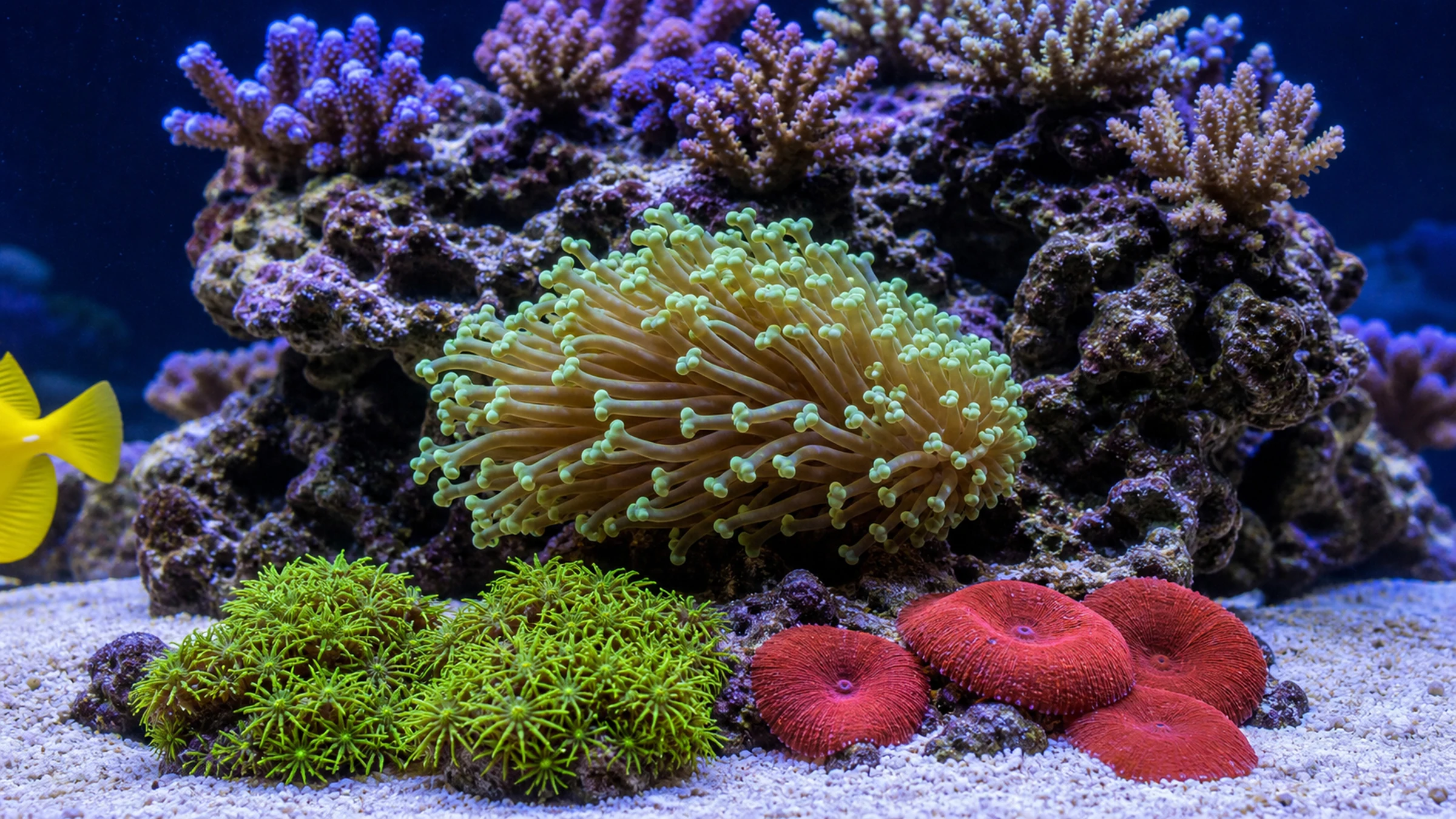
How to place corals by light and flow, PAR targets for softies, LPS, and SPS, dipping new corals for pests, and acclimating them without bleaching.
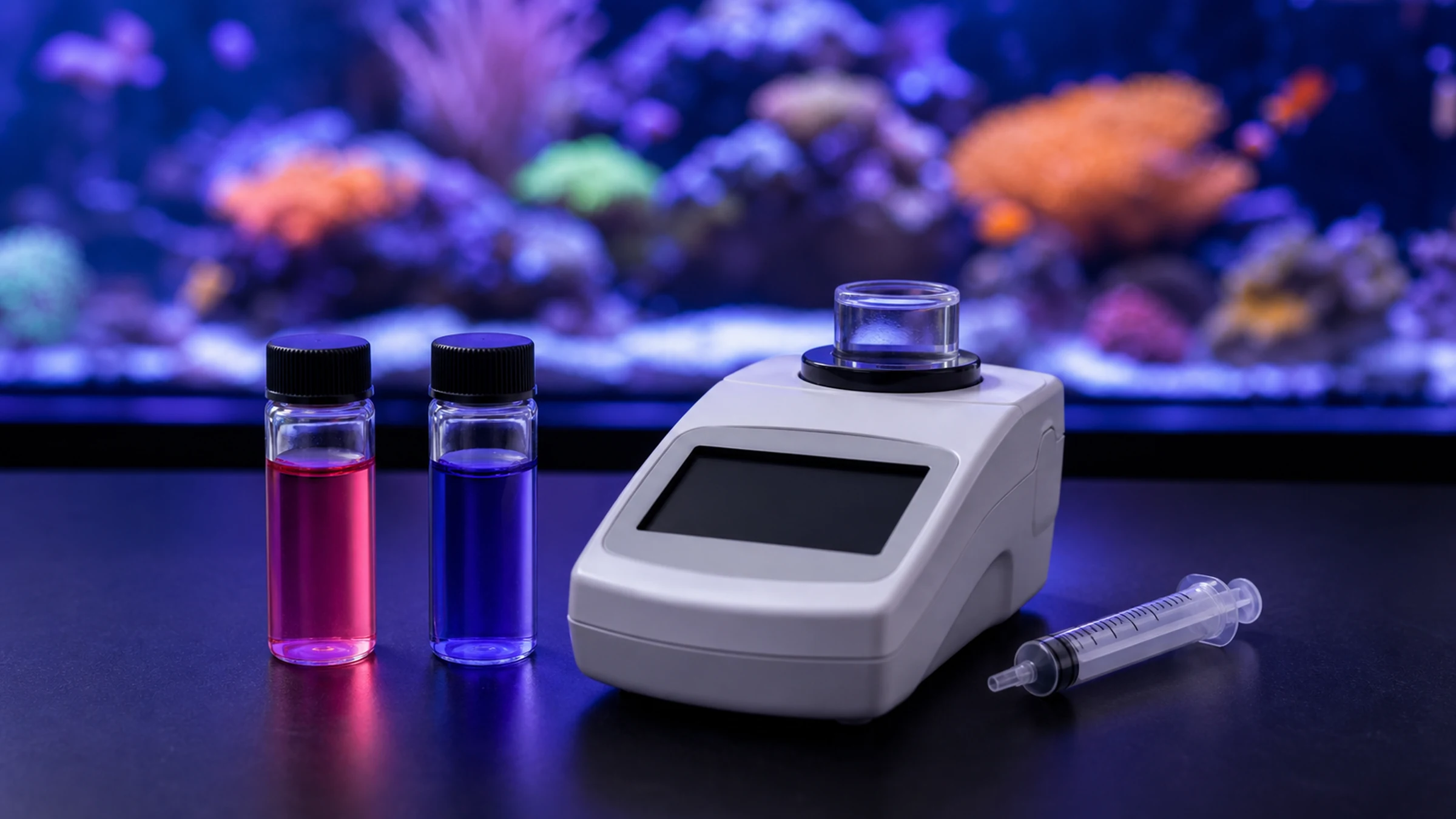
What every reef parameter means and where to keep it: salinity, temperature, pH, alkalinity, calcium, magnesium, nitrate, and phosphate.
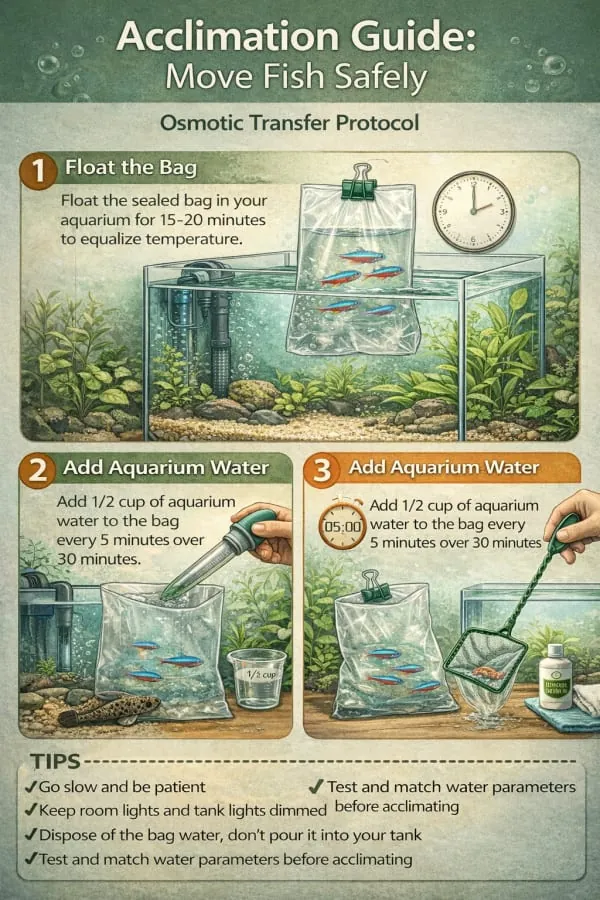
Acclimate new fish, shrimp, and coral safely: temperature floating, drip acclimation, plop-and-drop for shipped livestock, and the first 24 hours.
Keeping Scolymia Coral?
AquaLens identifies your fish and plants from a photo, tracks water chemistry, and flags health issues early — free on iOS and Android.