Scopas Tang Care Guide
Zebrasoma scopas · Saltwater Tang
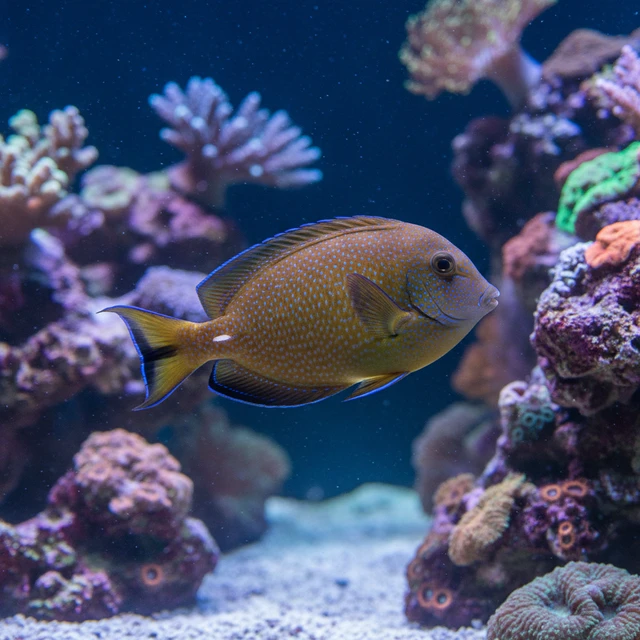
What Scopas Tang look like
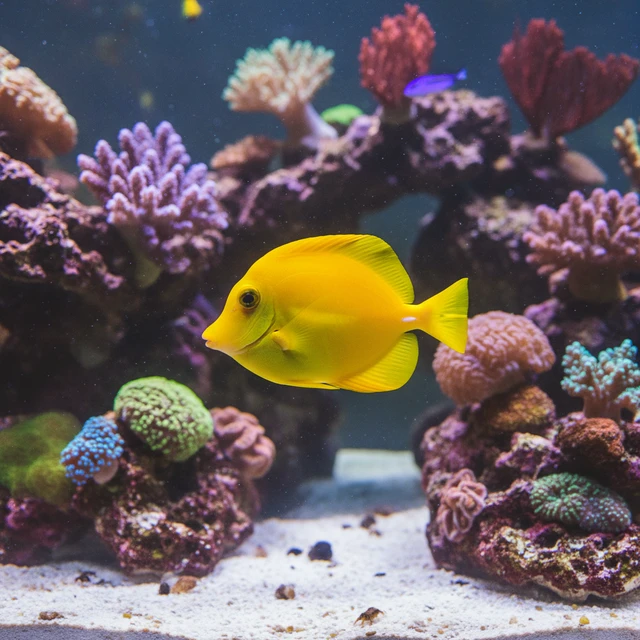
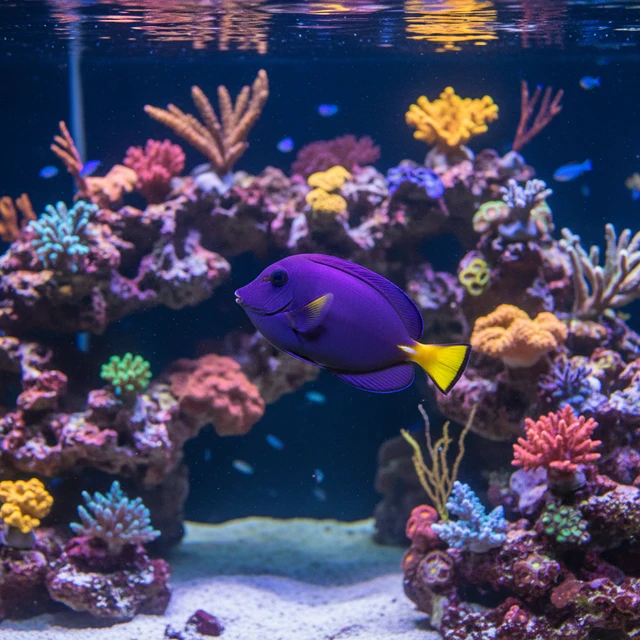
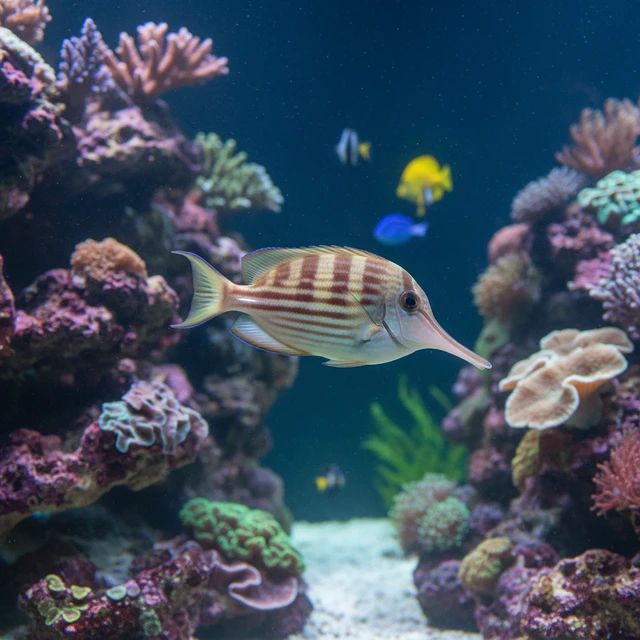
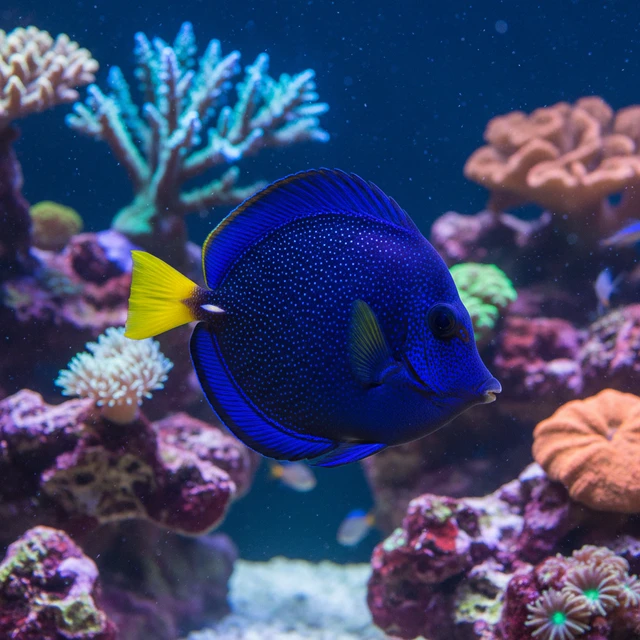
The Scopas Tang, or Zebrasoma scopas, exhibits a laterally compressed body that can reach a maximum adult size of approximately 12 inches (30 cm). Its coloration is predominantly a rich brown to olive hue, with a distinctive pattern of lighter, almost iridescent stripes that run vertically along the body. The fins are elongated and pointed, with the dorsal fin extending into a pronounced filament in mature specimens. Sexual dimorphism is subtle, with males typically displaying slightly larger dorsal fins and more vibrant coloration during breeding periods. Defensive adaptations include sharp, retractable spines located on the caudal peduncle, which can be deployed when threatened. Unique morphological features include a well-developed lateral line system that aids in navigation and social interactions within their environment.
Behavior & temperament
Scopas Tangs are generally social fish, often found in small to medium-sized groups within their natural habitat, exhibiting a clear social hierarchy. They are primarily mid-water swimmers, frequently observed grazing on algae and detritus on reef surfaces. Breeding behavior involves elaborate courtship displays, where males will engage in aggressive posturing to attract females. Their temperament can vary; while they are typically peaceful, they may exhibit territorial aggression towards conspecifics or similar species, especially in confined spaces. They are known to establish and defend a specific territory within the reef, which they patrol vigorously.
Diet & feeding
In the wild, Scopas Tangs are primarily herbivorous, feeding on a variety of algae, including filamentous and turf algae. In captivity, they require a diet rich in marine algae, high-quality seaweed sheets, and herbivore pellets to maintain optimal health.
Behind the name
The genus name 'Zebrasoma' is derived from the Greek words 'zebra', referring to the striped appearance, and 'soma', meaning body. The species name 'scopas' comes from the Greek word 'skopas', meaning 'to look out' or 'to watch', likely referencing their vigilant nature.
Plan your tank
Check the numbers before you buy: tank volume, salinity, salt mix, water changes, and your ongoing care routine. Keeping reef? Start from the Saltwater & Reef hub.
Keep reading
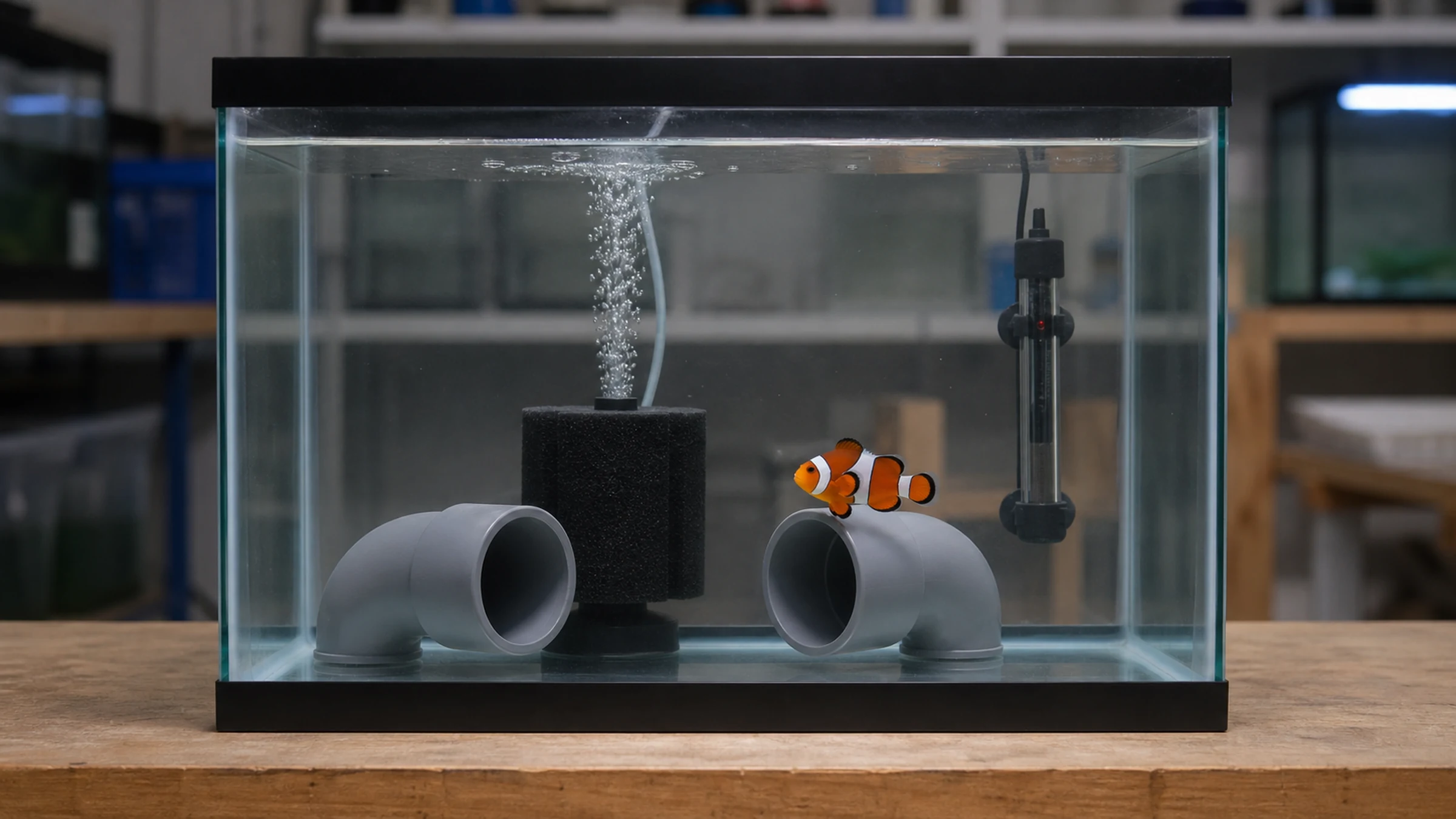
How to quarantine new saltwater fish against marine ich, velvet, and brooklynella: the QT tank, treatments, timelines, and the buy-clean shortcut.

What every reef parameter means and where to keep it: salinity, temperature, pH, alkalinity, calcium, magnesium, nitrate, and phosphate.

Choose compatible fish: school sizes, swimming zones, aggression, temperature and hardness matching, and honest bioload math for a peaceful community.
Keeping Scopas Tang?
AquaLens identifies your fish and plants from a photo, tracks water chemistry, and flags health issues early — free on iOS and Android.