
Sea Apple Care Guide
Pseudocolochirus violaceus · Saltwater Sea Cucumber
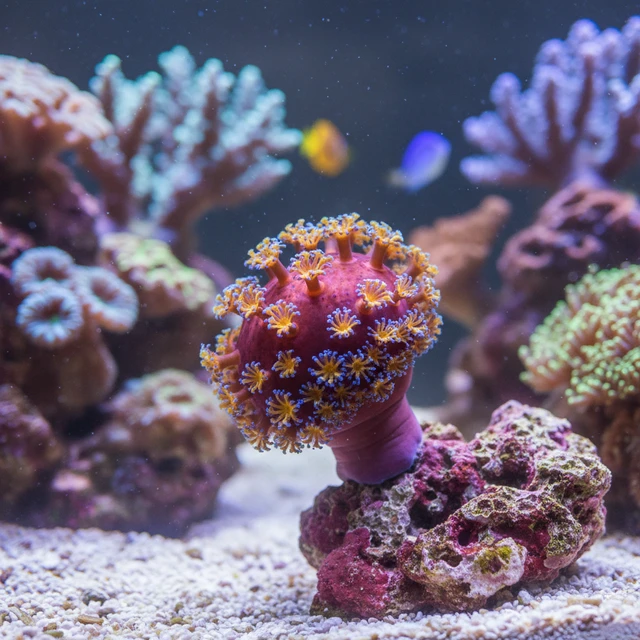
What Sea Apple look like
Pseudocolochirus violaceus, commonly known as the Sea Apple, exhibits a distinctive morphology characterized by a cylindrical body that can reach up to 20 cm in length. The body is covered in a soft, leathery skin that is adorned with vibrant colors, predominantly shades of purple and yellow, which serve as a warning coloration to potential predators. The Sea Apple possesses a crown of branched, feathery tentacles that are used for feeding and respiration, extending from the oral end of the body. These tentacles are equipped with specialized structures called tube feet, which aid in capturing plankton and detritus. Sexual dimorphism is minimal, with both sexes exhibiting similar external features. As a defensive adaptation, the Sea Apple can expel a sticky, toxic substance when threatened, deterring predators and potentially causing harm to other organisms in close proximity.
Behavior & temperament
The Sea Apple is a relatively sedentary invertebrate that typically resides in sandy or rocky substrates of coral reefs. It exhibits a unique feeding behavior, utilizing its tentacles to filter feed on plankton and organic detritus from the water column. While generally peaceful, the Sea Apple can exhibit aggressive behaviors when threatened, particularly when disturbed or handled. It relies on its ability to retract its tentacles and body into its protective skin, which can also release toxins as a deterrent. The Sea Apple does not exhibit significant movement beyond its feeding activities, preferring to remain in one location while extending its tentacles to capture food.
Diet & feeding
The Sea Apple is primarily a filter feeder, consuming plankton and organic detritus. In captivity, it requires a diet rich in small particulate foods, such as phytoplankton and finely crushed marine foods.
Behind the name
The genus name 'Pseudocolochirus' is derived from Greek, where 'pseudo' means 'false' and 'colochirus' refers to 'having a tail', indicating a resemblance to other sea cucumbers. The species name 'violaceus' is Latin for 'violet', referring to the organism's coloration.
Plan your tank
Check the numbers before you buy: tank volume, salinity, salt mix, water changes, and your ongoing care routine. Keeping reef? Start from the Saltwater & Reef hub.
Keep reading
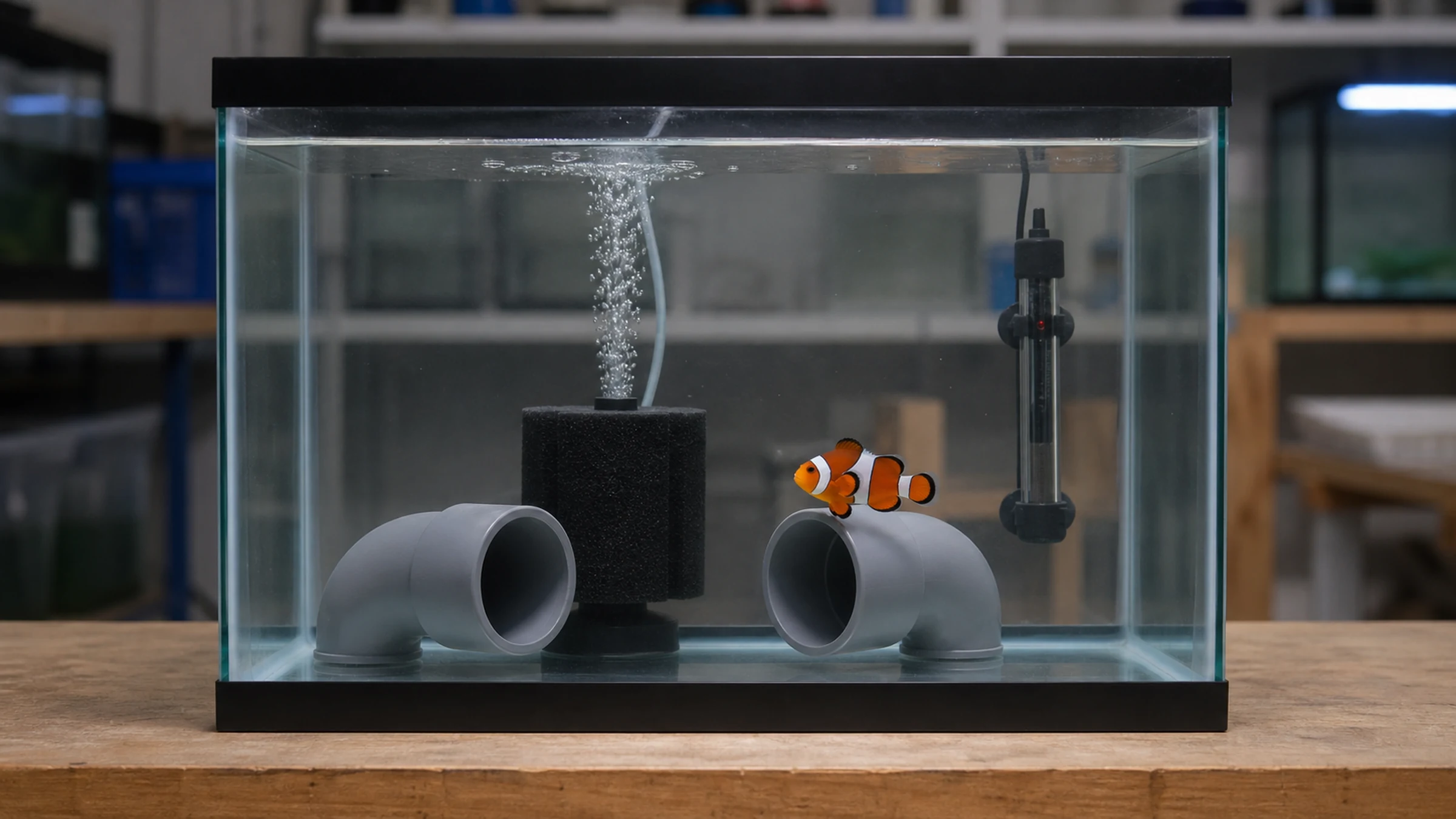
How to quarantine new saltwater fish against marine ich, velvet, and brooklynella: the QT tank, treatments, timelines, and the buy-clean shortcut.
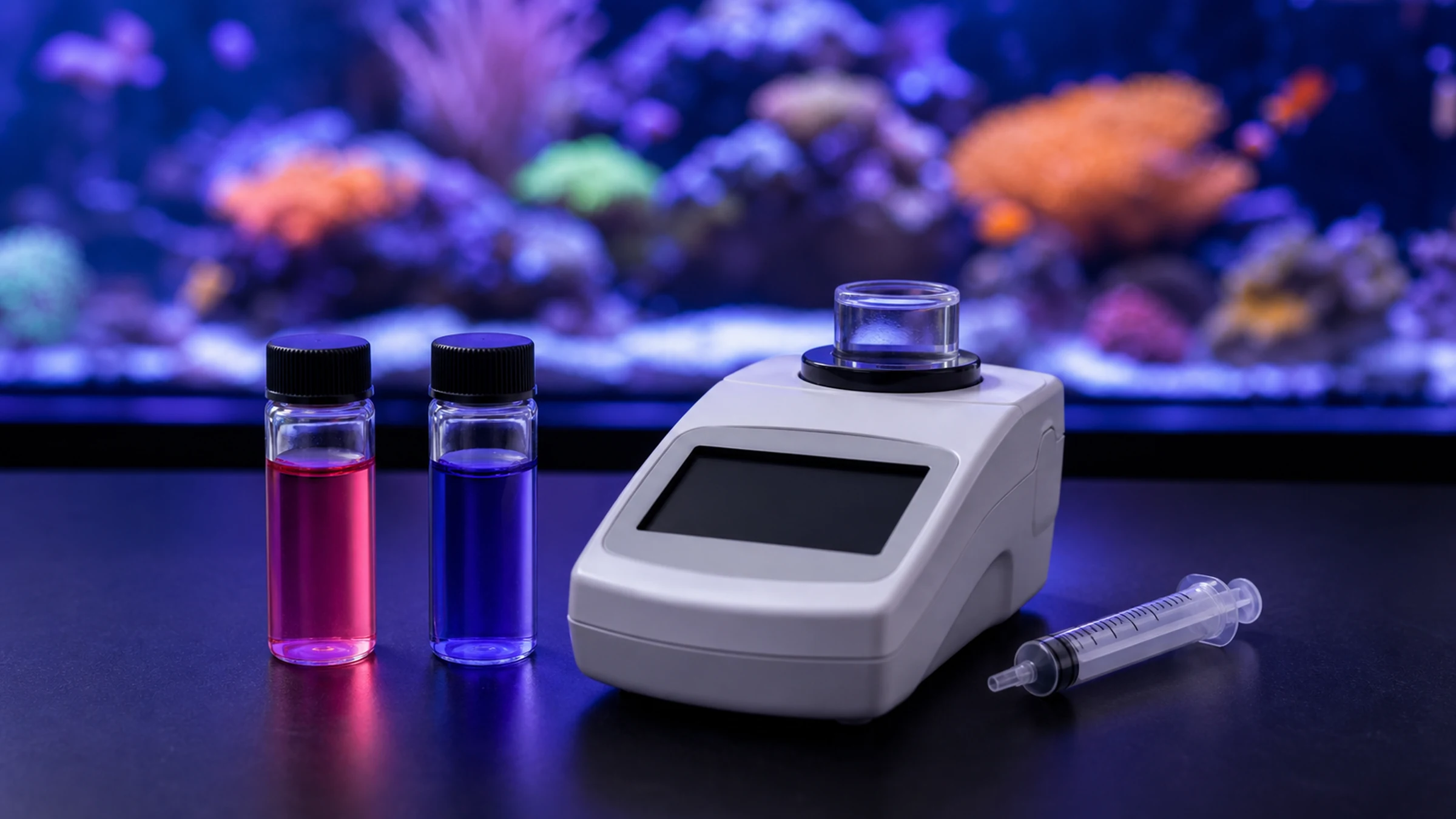
What every reef parameter means and where to keep it: salinity, temperature, pH, alkalinity, calcium, magnesium, nitrate, and phosphate.

Choose compatible fish: school sizes, swimming zones, aggression, temperature and hardness matching, and honest bioload math for a peaceful community.
Keeping Sea Apple?
AquaLens identifies your fish and plants from a photo, tracks water chemistry, and flags health issues early — free on iOS and Android.