Sea Whip Coral Care Guide
Junceella fragilis · Saltwater Soft Coral
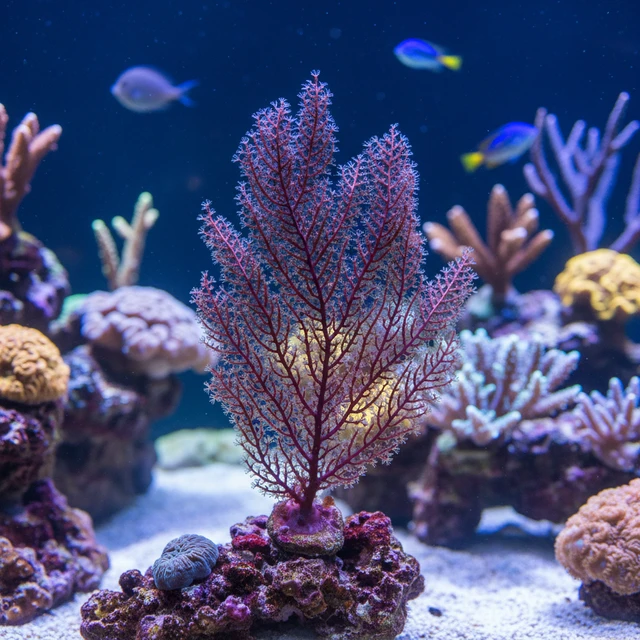
What Sea Whip Coral look like
Junceella fragilis, commonly known as Sea Whip Coral, exhibits a slender, whip-like structure that can reach up to 1 meter in height. The colony is characterized by its flexible, branching form, which is composed of a central axis surrounded by a series of polyps that extend from the branches. The polyps are small, typically measuring 1-2 mm in diameter, and possess eight tentacles, which are often retracted during the day and extended at night for feeding. The coloration of Sea Whip Coral can vary from yellow to brown, often with a distinctive contrast between the axial skeleton and the polyp color. This species lacks a hard skeleton, which contributes to its flexibility and ability to sway with water currents, providing a unique adaptation for nutrient acquisition. Defensive adaptations include the presence of nematocysts within the polyps, which can deliver a mild sting to deter potential predators.
Behavior & temperament
Sea Whip Coral is primarily a sessile organism that exhibits a passive feeding behavior, extending its polyps to capture plankton and organic particles from the water column during the night. It does not exhibit significant movement but can adjust its orientation in response to water flow. This species often forms symbiotic relationships with zooxanthellae, which reside within its tissues, providing essential nutrients through photosynthesis. The Sea Whip Coral is generally non-aggressive and does not compete aggressively for space, preferring to coexist with other coral species in its habitat.
Diet & feeding
In the wild, Junceella fragilis feeds on plankton, detritus, and organic matter filtered from the water. In captivity, it requires a diet rich in phytoplankton and other small particulate foods to thrive.
Behind the name
The genus name 'Junceella' is derived from the Latin word 'juncus', meaning 'rush' or 'reed', referring to the plant-like appearance of the coral, while 'fragilis' is Latin for 'fragile', highlighting its delicate structure.
Plan your tank
Check the numbers before you buy: tank volume, salinity, salt mix, water changes, and your ongoing care routine. Keeping reef? Start from the Saltwater & Reef hub.
Keep reading
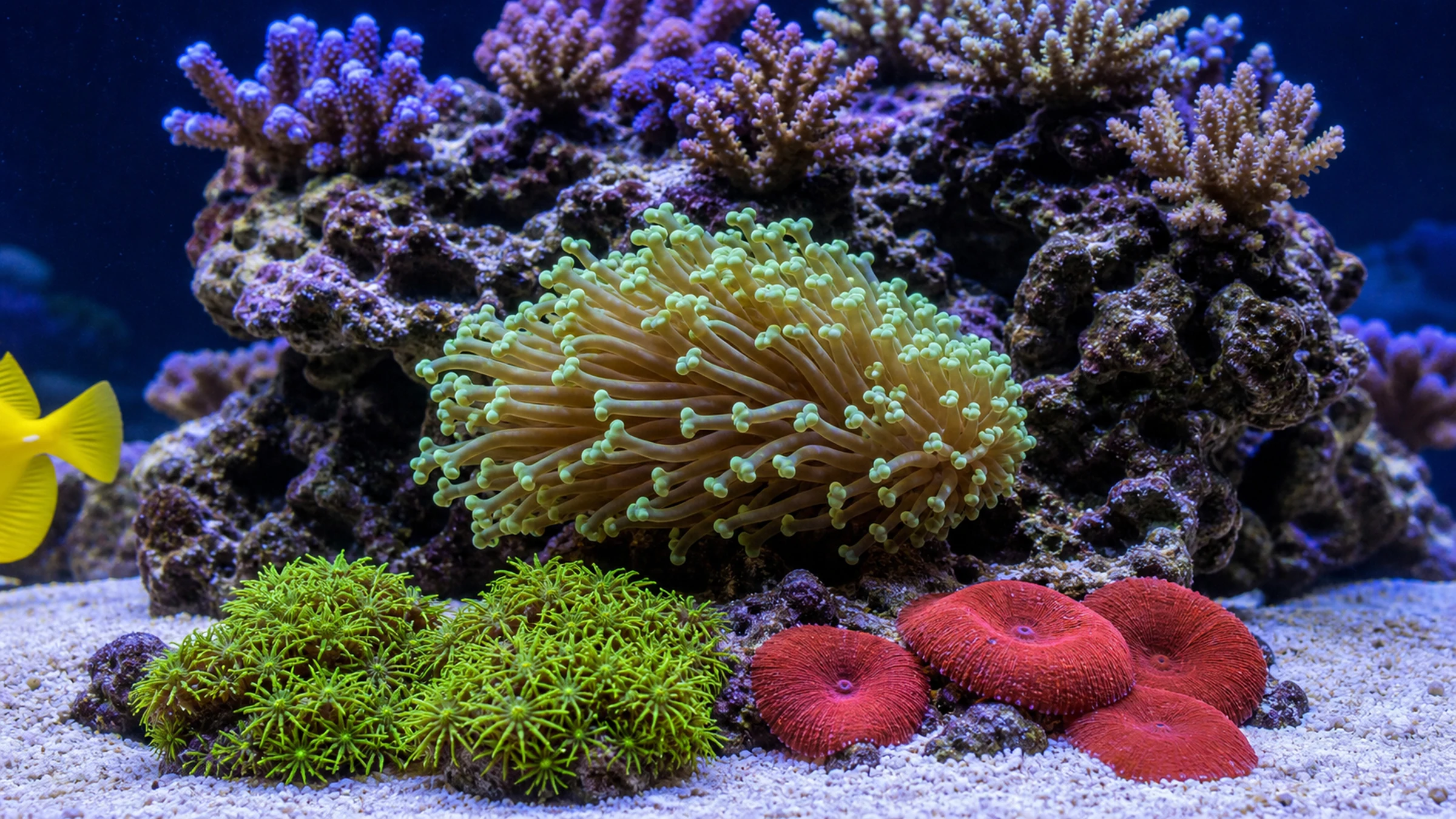
How to place corals by light and flow, PAR targets for softies, LPS, and SPS, dipping new corals for pests, and acclimating them without bleaching.
What every reef parameter means and where to keep it: salinity, temperature, pH, alkalinity, calcium, magnesium, nitrate, and phosphate.
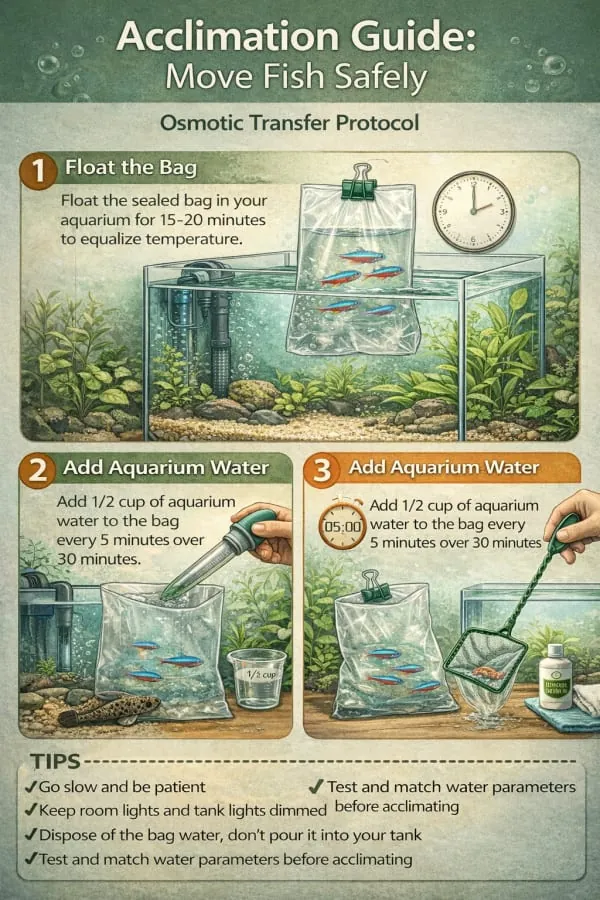
Acclimate new fish, shrimp, and coral safely: temperature floating, drip acclimation, plop-and-drop for shipped livestock, and the first 24 hours.
Keeping Sea Whip Coral?
AquaLens identifies your fish and plants from a photo, tracks water chemistry, and flags health issues early — free on iOS and Android.