
Spanish Dancer Care Guide
Hexabranchus sanguineus · Saltwater Nudibranch
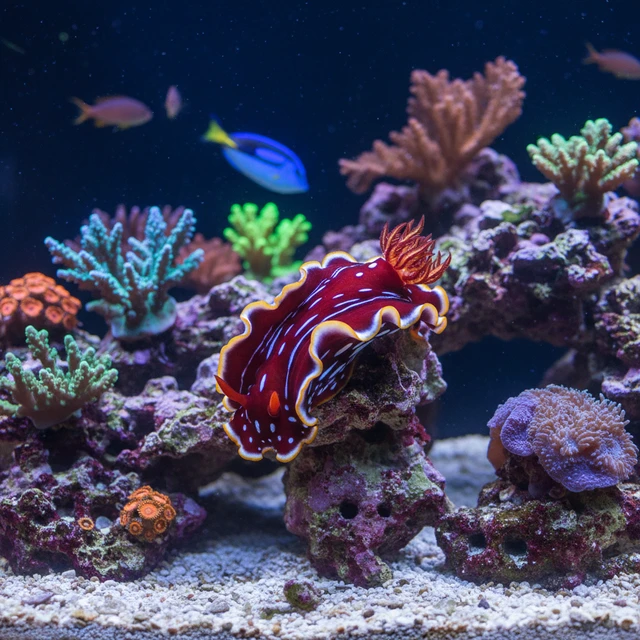
What Spanish Dancer look like
Hexabranchus sanguineus, commonly known as the Spanish Dancer, exhibits a strikingly vibrant coloration, predominantly featuring a bright red to pink body adorned with bold yellow or orange margins. This nudibranch can reach a maximum adult size of approximately 30 cm (12 inches) in length. Sexual dimorphism is not pronounced in this species; however, males may be slightly smaller than females. A notable morphological feature is the large, undulating parapodia that extend from the body, which are used for locomotion and can resemble a flowing dance when the organism moves. The dorsal surface is covered with a soft, velvety texture, and the body is equipped with numerous cerata that serve both for respiration and defense. These cerata can contain nematocysts, providing a degree of protection against predators.
Behavior & temperament
The Spanish Dancer is primarily a solitary creature, although it may be observed in pairs during mating rituals. It typically inhabits shallow waters, often found at depths of 10 to 30 meters. Its swimming behavior is characterized by a graceful, undulating motion facilitated by the large parapodia, which allows it to glide through the water column. During the day, it tends to rest on the substrate, extending its cerata for feeding and respiration. The species exhibits a unique breeding behavior where individuals engage in a synchronized display, often resulting in the exchange of sperm. While generally non-aggressive, it can exhibit defensive behaviors, such as releasing a cloud of toxic mucous when threatened.
Diet & feeding
Hexabranchus sanguineus is an obligate sponge feeder, primarily consuming various species of sponges found in its natural habitat. In captivity, it requires a diet rich in sponge material and may also accept other soft-bodied invertebrates.
Behind the name
The scientific name 'Hexabranchus' is derived from the Greek words 'hexa' meaning 'six' and 'branchus' meaning 'gills', referring to the six pairs of gill structures on its body. The species name 'sanguineus' comes from the Latin word for 'blood-red', reflecting its vivid coloration.
Plan your tank
Check the numbers before you buy: tank volume, salinity, salt mix, water changes, and your ongoing care routine. Keeping reef? Start from the Saltwater & Reef hub.
Keep reading
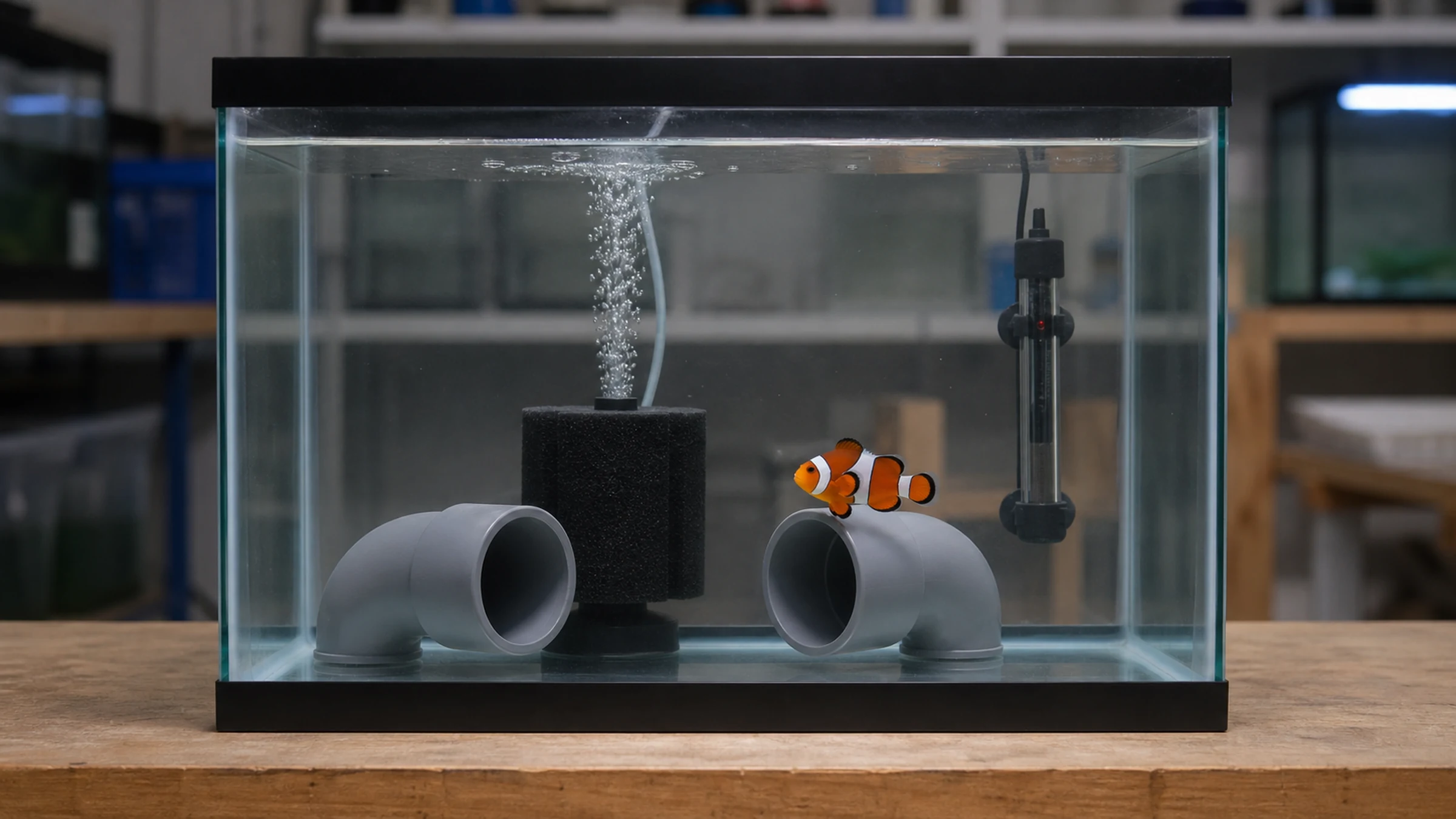
How to quarantine new saltwater fish against marine ich, velvet, and brooklynella: the QT tank, treatments, timelines, and the buy-clean shortcut.

What every reef parameter means and where to keep it: salinity, temperature, pH, alkalinity, calcium, magnesium, nitrate, and phosphate.

Choose compatible fish: school sizes, swimming zones, aggression, temperature and hardness matching, and honest bioload math for a peaceful community.
Keeping Spanish Dancer?
AquaLens identifies your fish and plants from a photo, tracks water chemistry, and flags health issues early — free on iOS and Android.