
Stonefish Care Guide
Synanceia verrucosa · Saltwater Scorpionfish
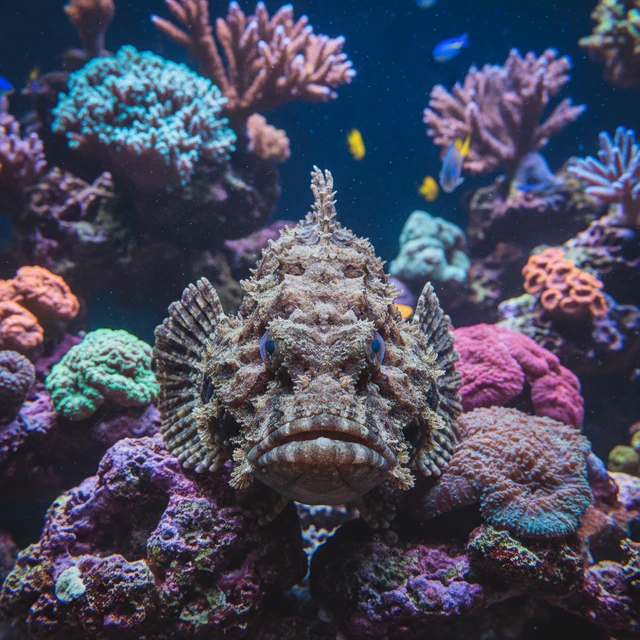
What Stonefish look like
The Stonefish (Synanceia verrucosa) exhibits a highly cryptic morphology, characterized by a robust, flattened body that can reach a maximum adult size of approximately 40 cm (16 inches) in length. Its skin is adorned with numerous wart-like protrusions and a mottled coloration that provides exceptional camouflage against the rocky substrates of its habitat. Sexual dimorphism is minimal, though females may exhibit a slightly larger girth during breeding periods. Notable defensive adaptations include venomous spines located on the dorsal fin, which can deliver a potent sting to potential predators or threats. The lateral line system is well-developed, aiding in the detection of vibrations in the water, while its large, wide mouth is equipped with sharp, conical teeth designed for ambush predation.
Behavior & temperament
Stonefish are primarily solitary ambush predators, exhibiting a sedentary lifestyle where they remain motionless for extended periods, blending seamlessly into their surroundings. They are known to inhabit shallow coastal waters, often resting on the seabed or among coral rubble. During breeding, males may engage in territorial displays, but overall, they exhibit low aggression levels towards conspecifics unless provoked. Their feeding behavior is opportunistic, utilizing a rapid suction feeding mechanism to capture prey, which primarily consists of small fish and invertebrates. Stonefish possess a unique ability to remain still for long durations, extending their camouflage and increasing their hunting success.
Diet & feeding
Stonefish are carnivorous, primarily feeding on small fish and crustaceans in their natural habitat. In captivity, they require a diet of live or frozen foods such as shrimp, small fish, and other meaty offerings to thrive.
Behind the name
The genus name 'Synanceia' is derived from the Greek word 'syn' meaning 'together' and 'anxios' meaning 'to be anxious or to be in danger', referring to their venomous nature. The species name 'verrucosa' comes from the Latin word 'verrucosus', meaning 'warty', which describes the fish's bumpy appearance.
Plan your tank
Check the numbers before you buy: tank volume, salinity, salt mix, water changes, and your ongoing care routine. Keeping reef? Start from the Saltwater & Reef hub.
Keep reading
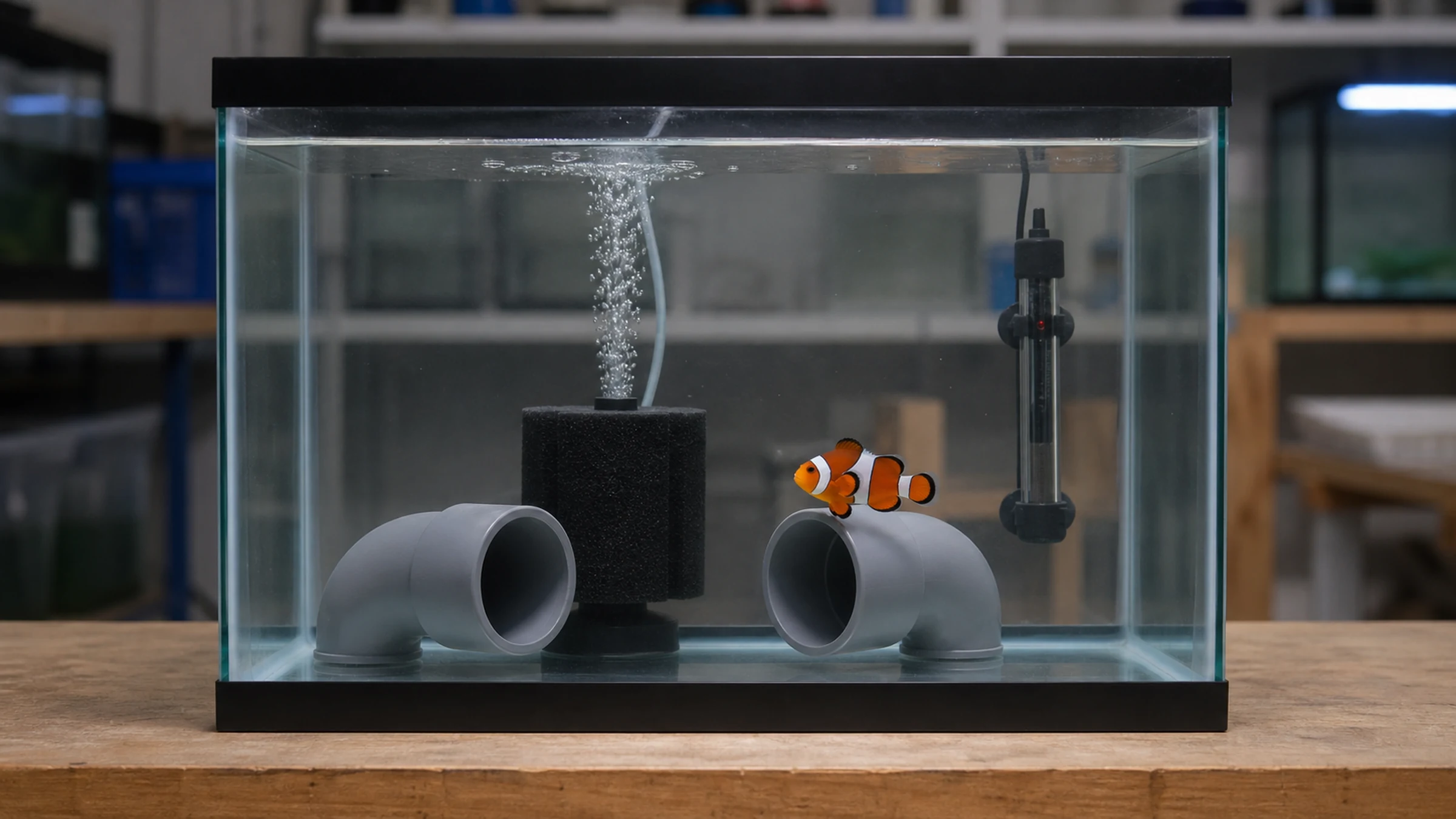
How to quarantine new saltwater fish against marine ich, velvet, and brooklynella: the QT tank, treatments, timelines, and the buy-clean shortcut.

What every reef parameter means and where to keep it: salinity, temperature, pH, alkalinity, calcium, magnesium, nitrate, and phosphate.
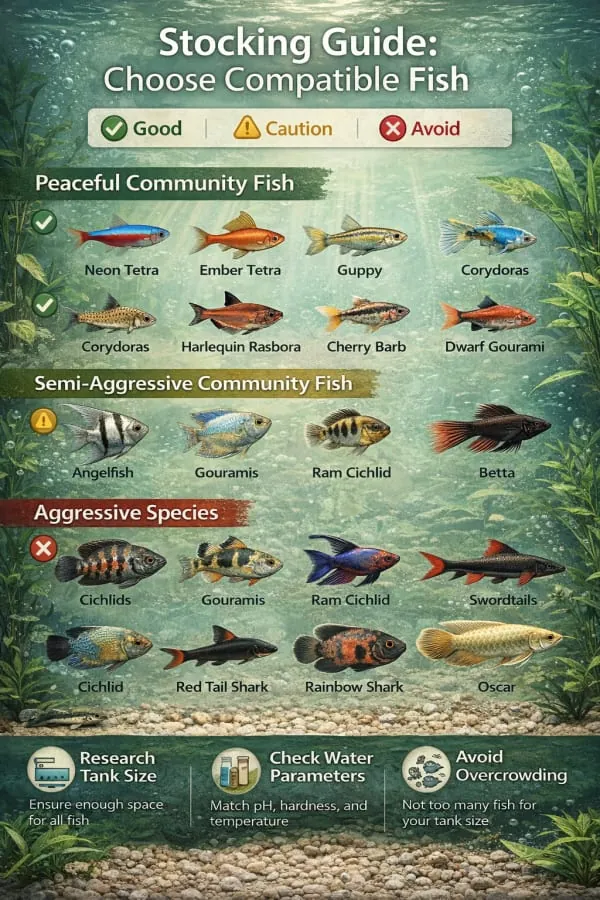
Choose compatible fish: school sizes, swimming zones, aggression, temperature and hardness matching, and honest bioload math for a peaceful community.
Keeping Stonefish?
AquaLens identifies your fish and plants from a photo, tracks water chemistry, and flags health issues early — free on iOS and Android.