Teardrop Butterflyfish Care Guide
Chaetodon unimaculatus · Saltwater Butterflyfish
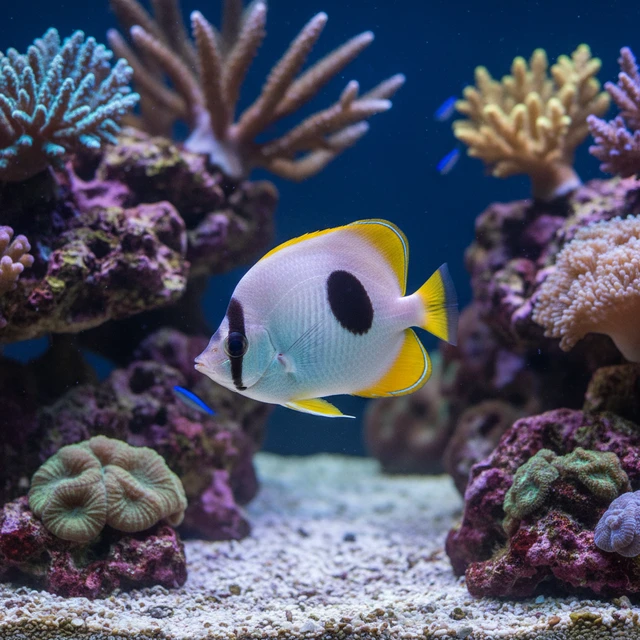
What Teardrop Butterflyfish look like
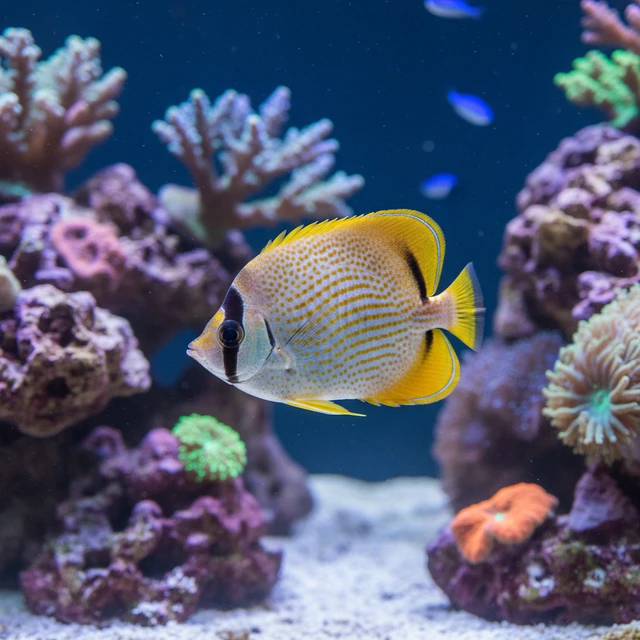
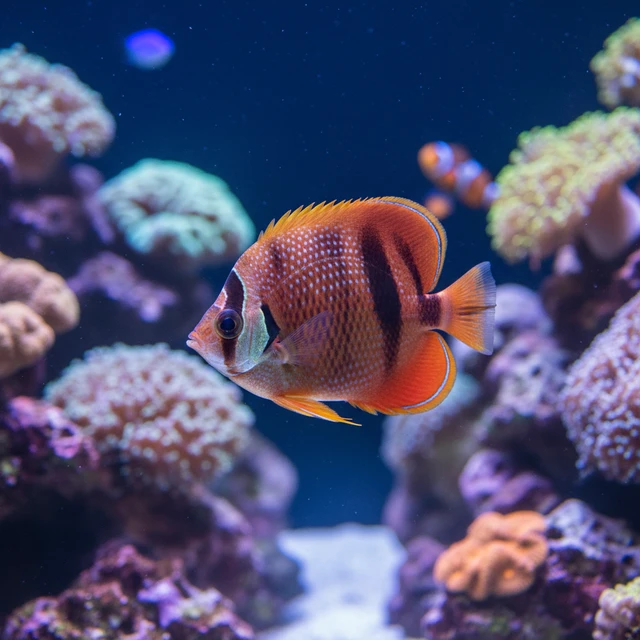
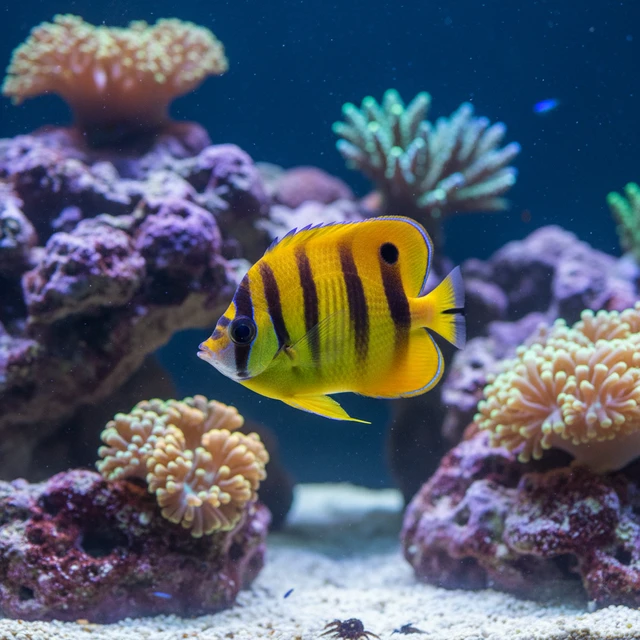
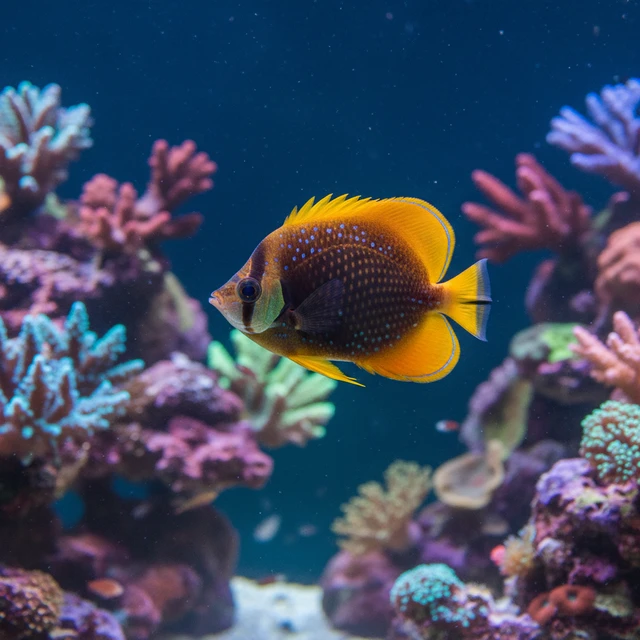
The Teardrop Butterflyfish, scientifically known as Chaetodon unimaculatus, exhibits a distinctive body shape characterized by a laterally compressed, oval form that can reach a maximum adult size of approximately 7 inches (18 cm) in length. This species is notable for its striking coloration, featuring a predominantly yellow body adorned with a prominent black spot near the dorsal fin, resembling a teardrop, which serves as a form of camouflage against predators. The fins are elongated and delicate, with the dorsal fin extending into a long, pointed filament in mature individuals, enhancing its aesthetic appeal. Sexual dimorphism is subtle, with males typically displaying slightly larger body sizes and more pronounced fin extensions than females. Defensive adaptations include the ability to quickly dart into crevices or coral formations when threatened, and their laterally compressed bodies allow for agile maneuverability in tight spaces. Additionally, the presence of a small mouth with specialized dentition enables them to feed on small invertebrates and coral polyps, further emphasizing their ecological niche.
Behavior & temperament
Teardrop Butterflyfish are generally social creatures, often found in pairs or small groups, exhibiting a clear social hierarchy within their schools. They predominantly inhabit the upper levels of coral reefs, where they engage in a variety of behaviors, including foraging and territorial displays. Breeding behavior is characterized by monogamous pair bonding, with synchronized spawning occurring during specific lunar phases. Their temperament is generally peaceful; however, they can exhibit territorial aggression towards conspecifics or similar species, particularly when defending their nesting sites. During foraging, they utilize their specialized feeding strategies to pick at coral polyps and small benthic invertebrates, showcasing a unique foraging behavior that involves hovering and darting movements.
Diet & feeding
The Teardrop Butterflyfish is primarily a coral-feeder, with a diet that consists of small invertebrates and coral polyps. In captivity, they require a varied diet that includes high-quality marine flakes, frozen foods, and live foods that replicate their natural feeding habits.
Behind the name
The genus name 'Chaetodon' is derived from the Greek words 'chaite' meaning 'hair' and 'odon' meaning 'tooth', referring to the bristle-like teeth of these fish. The species name 'unimaculatus' comes from the Latin 'uni-' meaning 'one' and 'maculatus' meaning 'spotted', indicating the single black spot on its body.
Plan your tank
Check the numbers before you buy: tank volume, salinity, salt mix, water changes, and your ongoing care routine. Keeping reef? Start from the Saltwater & Reef hub.
Keep reading
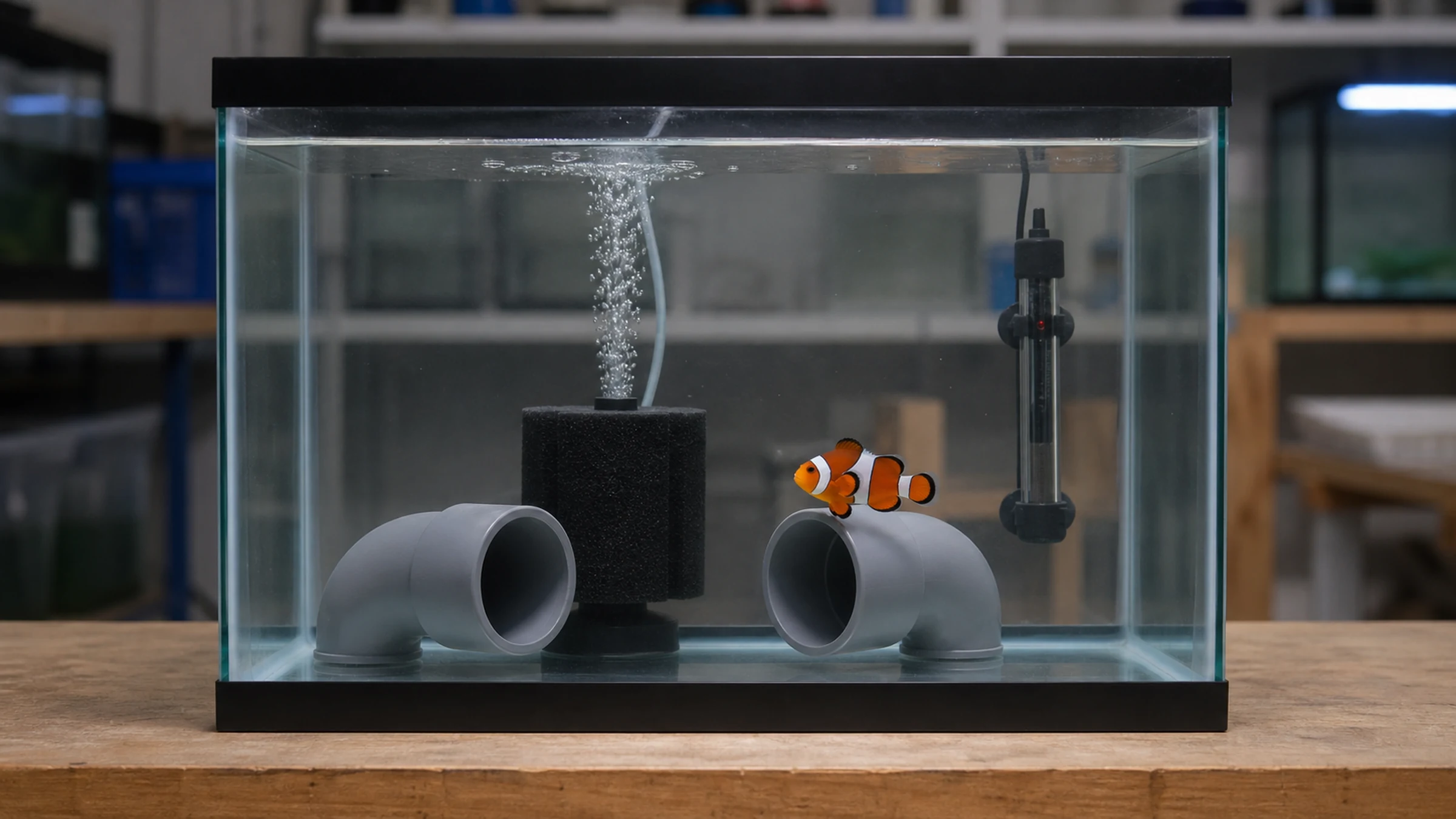
How to quarantine new saltwater fish against marine ich, velvet, and brooklynella: the QT tank, treatments, timelines, and the buy-clean shortcut.

What every reef parameter means and where to keep it: salinity, temperature, pH, alkalinity, calcium, magnesium, nitrate, and phosphate.

Choose compatible fish: school sizes, swimming zones, aggression, temperature and hardness matching, and honest bioload math for a peaceful community.
Keeping Teardrop Butterflyfish?
AquaLens identifies your fish and plants from a photo, tracks water chemistry, and flags health issues early — free on iOS and Android.