Tongue Coral Care Guide
Herpolitha limax · Saltwater LPS Coral
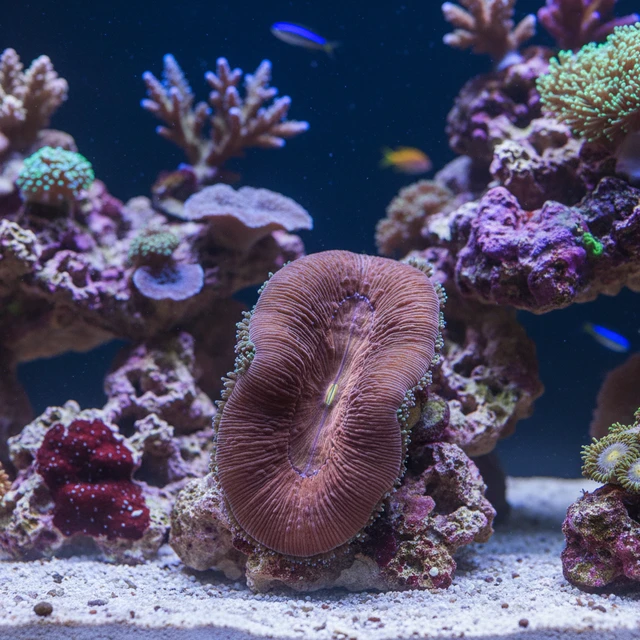
What Tongue Coral look like
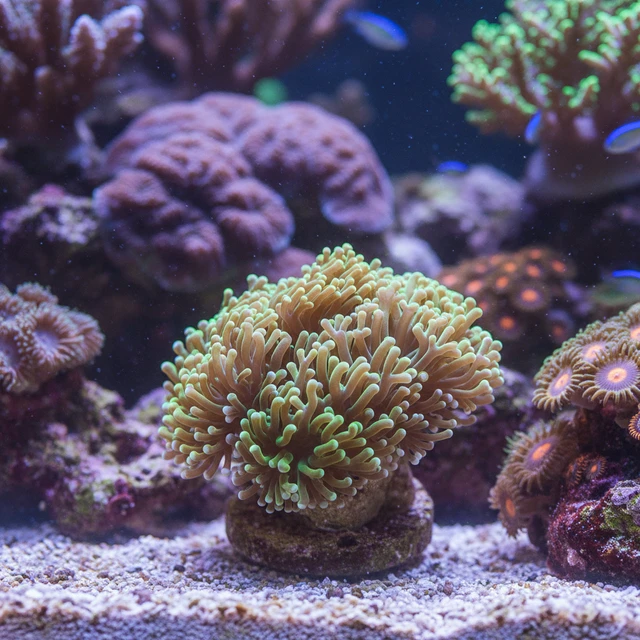
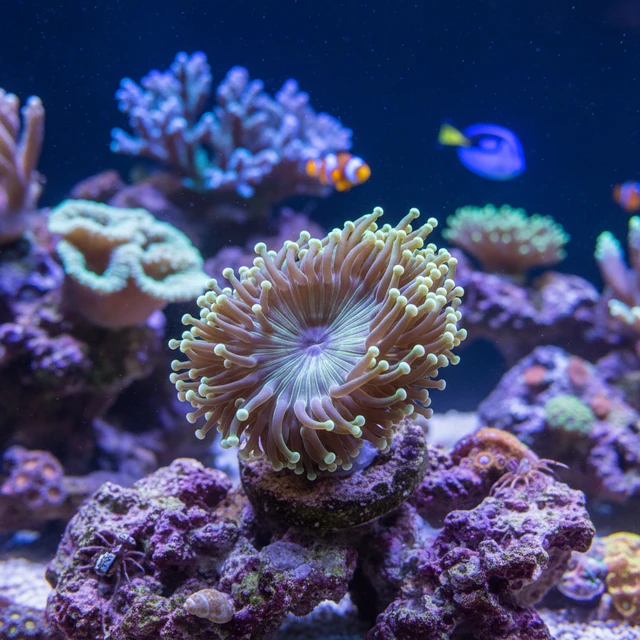
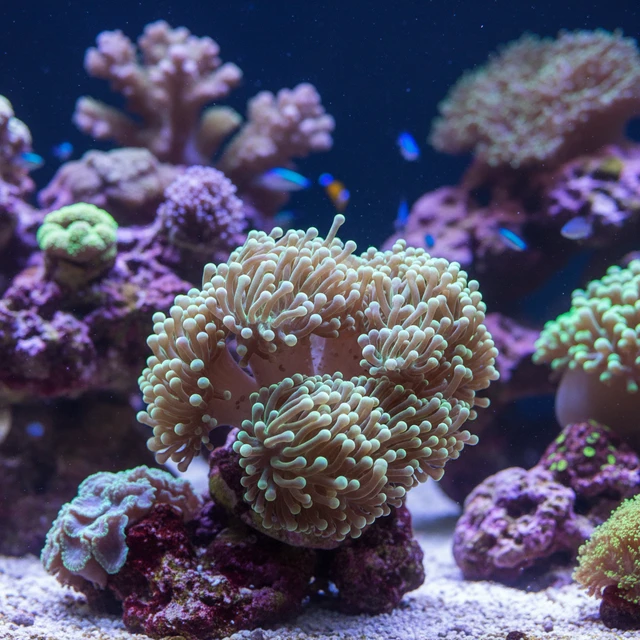
Herpolitha limax, commonly known as Tongue Coral, exhibits a distinctive morphology characterized by its flattened, tongue-like shape with a smooth, glossy surface. The maximum adult size can reach up to 30 cm in length and 15 cm in width. This species displays minimal sexual dimorphism, as both sexes exhibit similar external features. Defensive adaptations include a robust skeletal structure composed of aragonite, which provides physical protection against predation, and the presence of nematocysts within its tissue that can deliver a mild sting to potential threats. Unique morphological features include its prominent, elongated polyps that can extend significantly during feeding, displaying a range of colors from pale beige to vibrant greens and browns, often with contrasting patterns that enhance its camouflage within the reef environment.
Behavior & temperament
Tongue Coral is primarily a sessile organism, exhibiting a slow but deliberate polyp extension during the night when it feeds on plankton and particulate matter. It engages in a symbiotic relationship with zooxanthellae, which reside within its tissues, aiding in nutrient acquisition through photosynthesis. This coral is generally non-aggressive, but it can engage in competition for space with neighboring corals through overgrowth and shading. Its feeding behavior is characterized by the extension of its polyps to capture food particles from the water column, and it can retract its polyps quickly in response to disturbances or threats.
Diet & feeding
Herpolitha limax is a facultative heterotroph, primarily feeding on zooplankton and phytoplankton in the wild. In captivity, it requires a diet supplemented with finely chopped meaty foods and specialized coral foods to ensure optimal health and growth.
Behind the name
The scientific name 'Herpolitha' is derived from the Greek words 'herpos,' meaning 'to creep,' and 'lithos,' meaning 'stone,' while 'limax' translates to 'slug' or 'snail,' referring to its elongated, flattened shape.
Plan your tank
Check the numbers before you buy: tank volume, salinity, salt mix, water changes, and your ongoing care routine. Keeping reef? Start from the Saltwater & Reef hub.
Keep reading
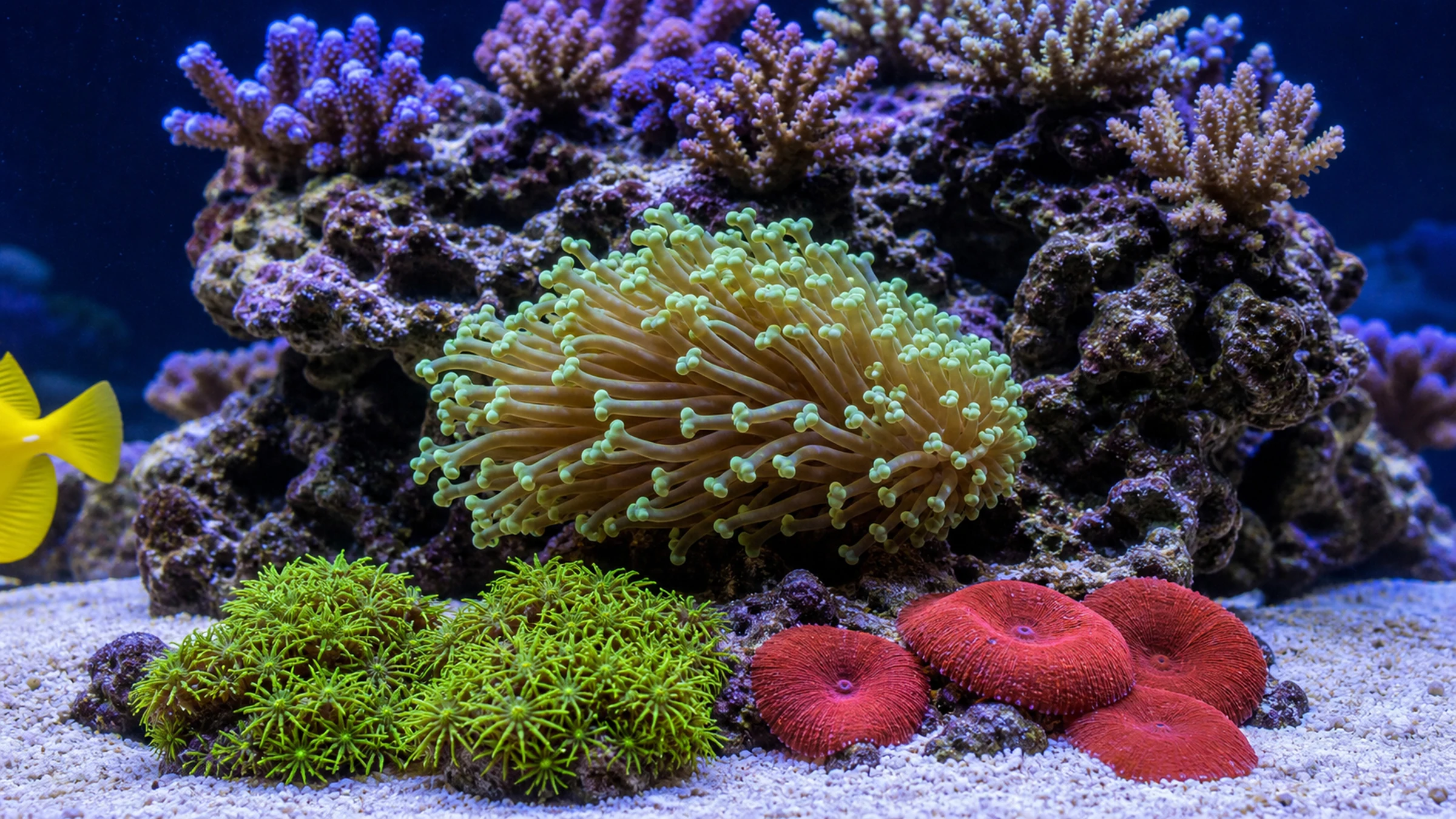
How to place corals by light and flow, PAR targets for softies, LPS, and SPS, dipping new corals for pests, and acclimating them without bleaching.
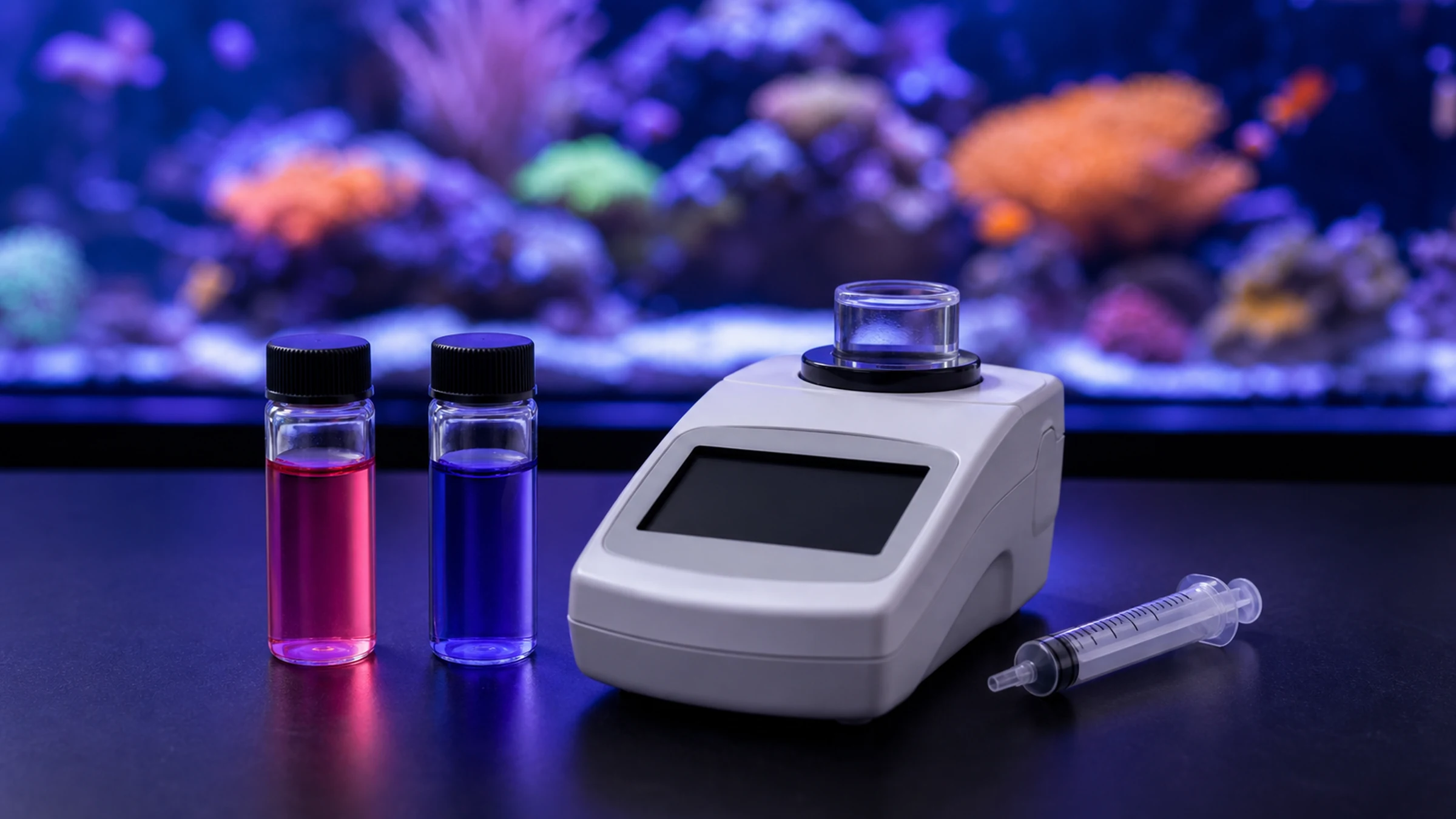
What every reef parameter means and where to keep it: salinity, temperature, pH, alkalinity, calcium, magnesium, nitrate, and phosphate.
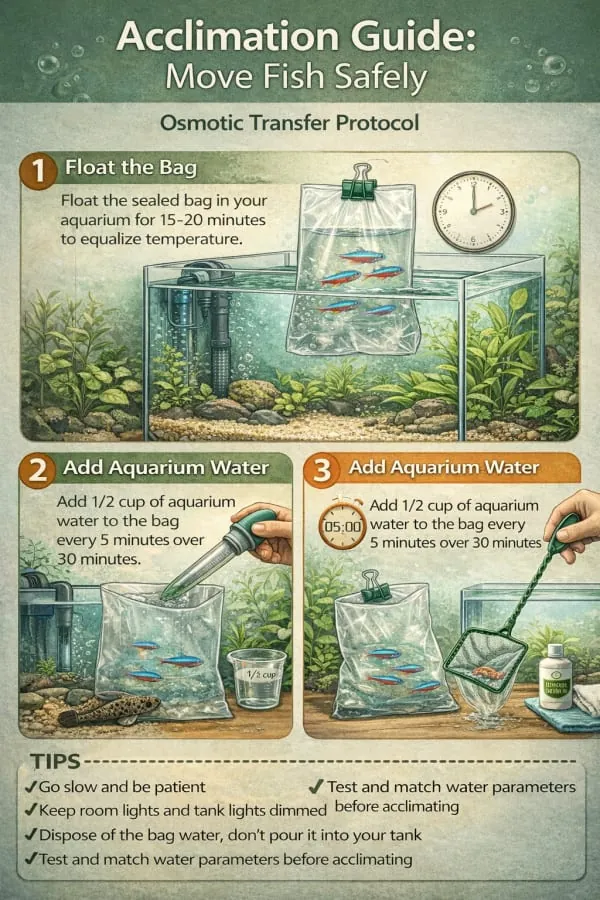
Acclimate new fish, shrimp, and coral safely: temperature floating, drip acclimation, plop-and-drop for shipped livestock, and the first 24 hours.
Keeping Tongue Coral?
AquaLens identifies your fish and plants from a photo, tracks water chemistry, and flags health issues early — free on iOS and Android.