Two Spot Blenny Care Guide
Ecsenius bimaculatus · Saltwater Blenny
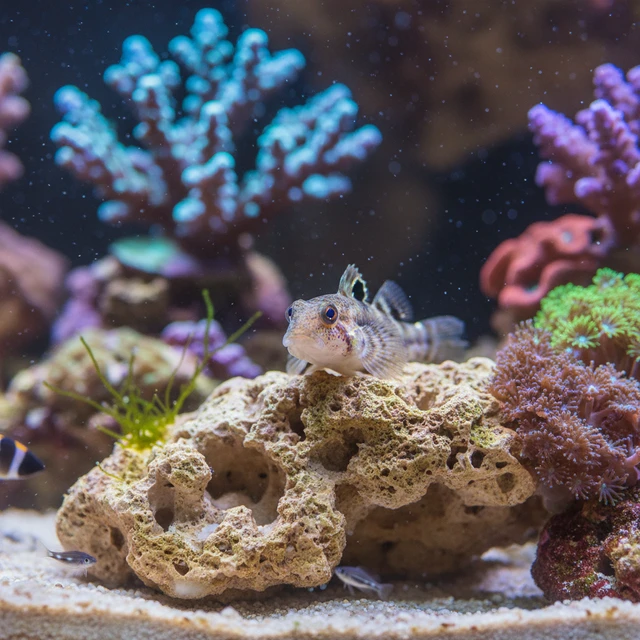
What Two Spot Blenny look like
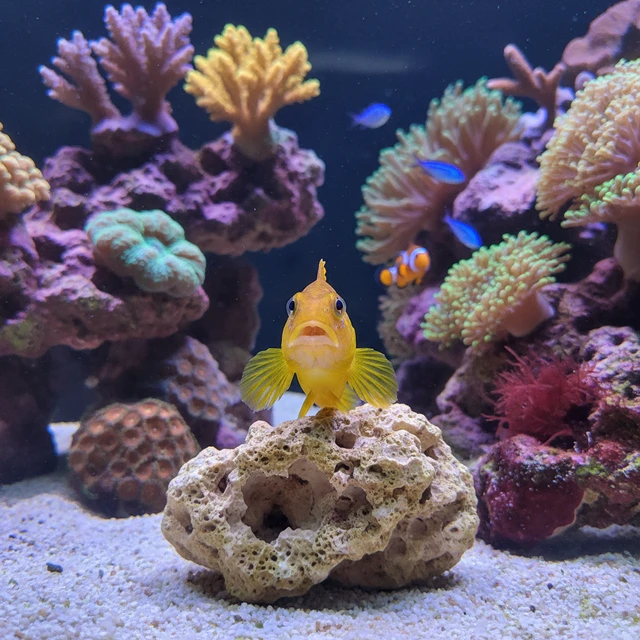
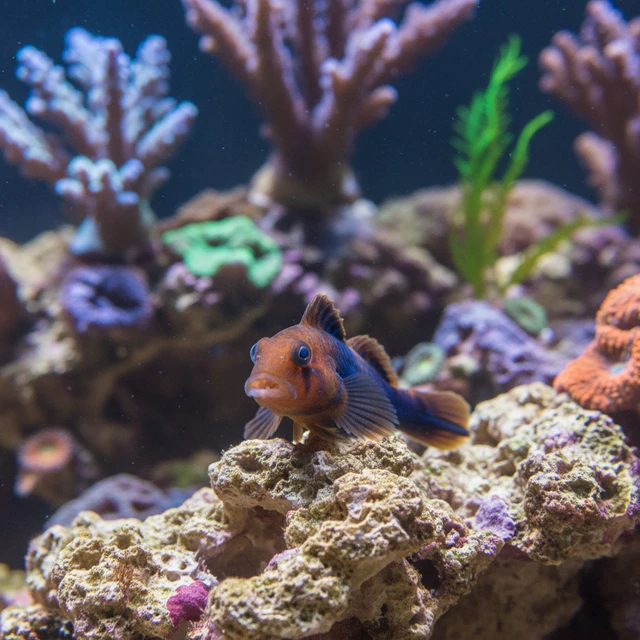
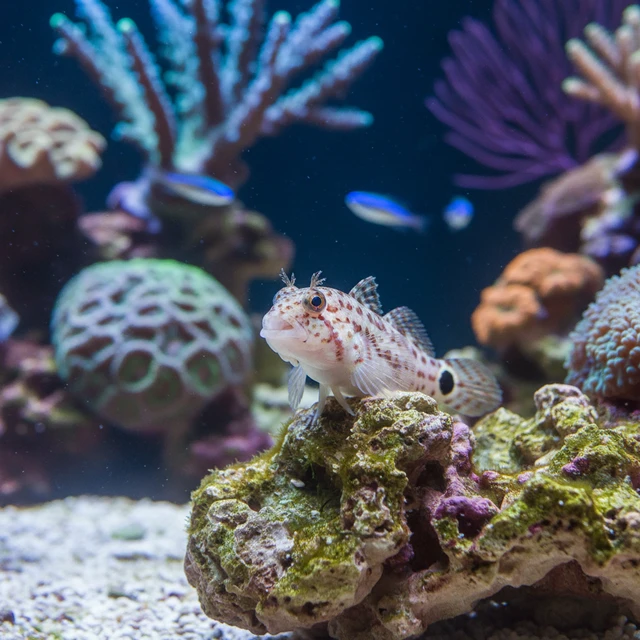
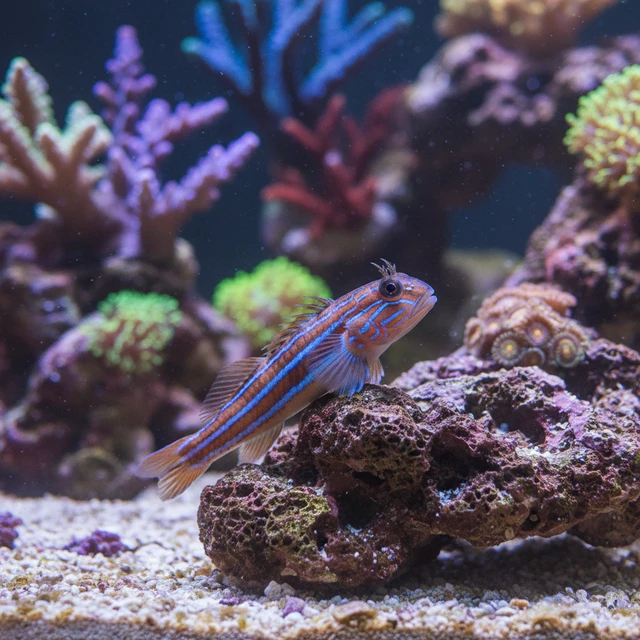
The Two Spot Blenny (Ecsenius bimaculatus) exhibits a slender, elongated body that typically reaches a maximum adult size of approximately 3 inches (7.5 cm). Its coloration is predominantly a vibrant yellowish-brown, adorned with two distinct black spots located on the dorsal fin and the caudal peduncle, which serve as key identifying features. The head is relatively large with a blunt snout, and the mouth is equipped with small, sharp teeth adapted for grazing on algae. Notable morphological adaptations include a continuous dorsal fin that extends from the head to the tail, enhancing its agility in navigating rocky crevices. Sexual dimorphism is subtle, with males generally exhibiting slightly larger dorsal fins and more pronounced coloration during breeding periods. Defensive adaptations include the ability to quickly retreat into crevices and the use of camouflage against the substrate.
Behavior & temperament
The Two Spot Blenny is primarily a solitary fish, often establishing a territory among rock formations in shallow reef environments. It exhibits a diurnal lifestyle, remaining close to its chosen refuge while foraging for food. Breeding behavior involves males displaying to attract females, often characterized by a series of rapid movements and fin displays. The species is generally non-aggressive, exhibiting a peaceful temperament towards tank mates, although it may display territorial behavior towards conspecifics. Its movement is characterized by quick darting motions, particularly when startled, and it often extends its body to survey its surroundings from a sheltered position.
Diet & feeding
The Two Spot Blenny is primarily herbivorous, feeding on a diet rich in algae and detritus in the wild. In captivity, it requires a varied diet that includes high-quality algae sheets, spirulina, and other vegetable-based foods to thrive.
Behind the name
The genus name 'Ecsenius' is derived from the Greek word 'eksenos', meaning 'strange' or 'unusual', while the species name 'bimaculatus' comes from the Latin 'bi-' meaning 'two' and 'maculatus' meaning 'spotted', referring to the two distinct spots on its body.
Plan your tank
Check the numbers before you buy: tank volume, salinity, salt mix, water changes, and your ongoing care routine. Keeping reef? Start from the Saltwater & Reef hub.
Keep reading
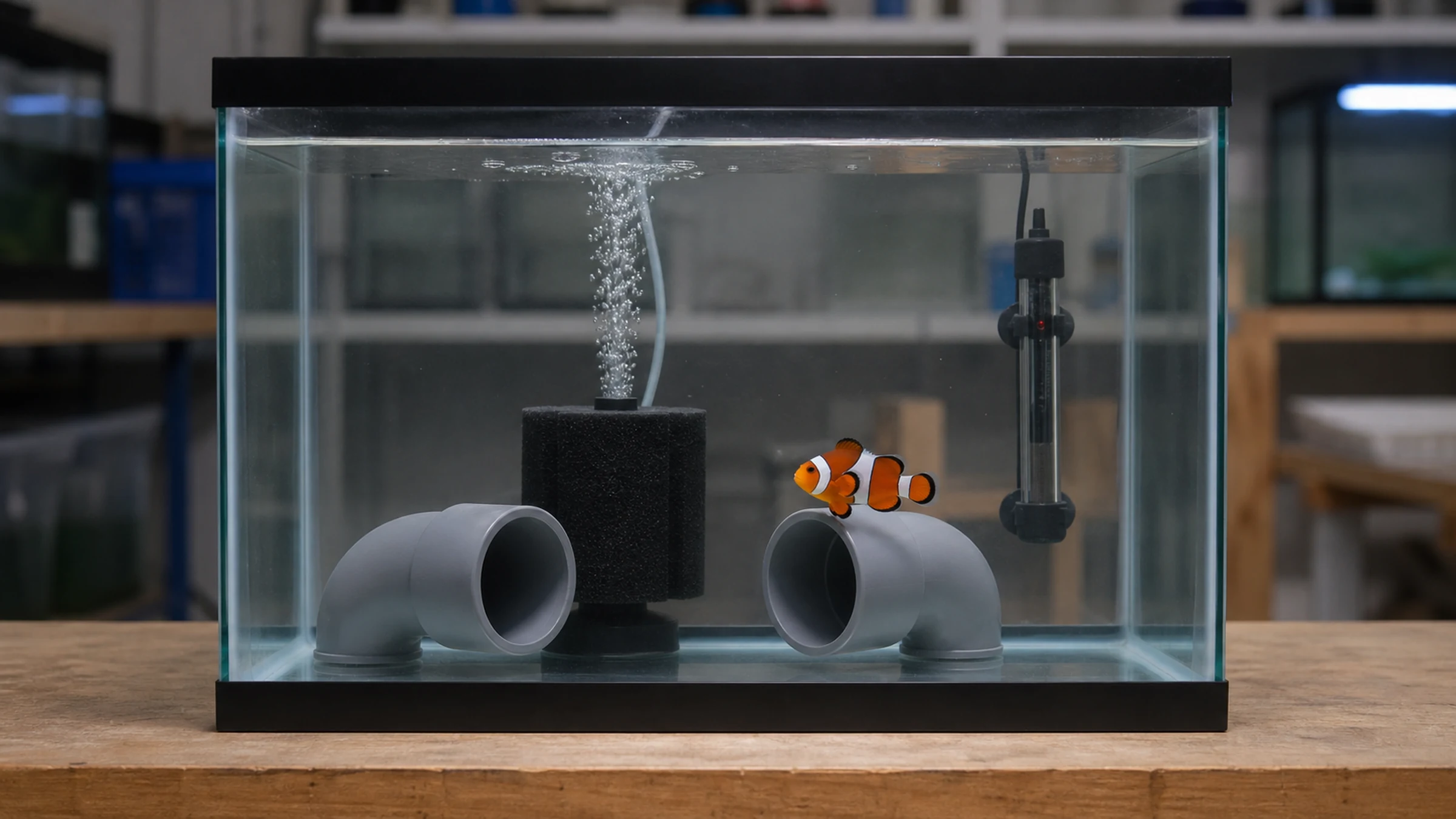
How to quarantine new saltwater fish against marine ich, velvet, and brooklynella: the QT tank, treatments, timelines, and the buy-clean shortcut.

What every reef parameter means and where to keep it: salinity, temperature, pH, alkalinity, calcium, magnesium, nitrate, and phosphate.
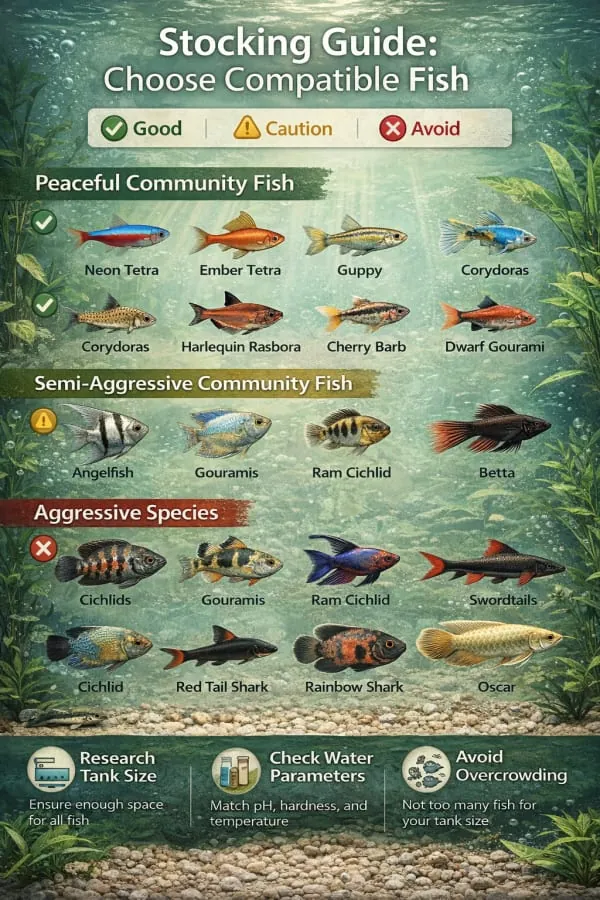
Choose compatible fish: school sizes, swimming zones, aggression, temperature and hardness matching, and honest bioload math for a peaceful community.
Keeping Two Spot Blenny?
AquaLens identifies your fish and plants from a photo, tracks water chemistry, and flags health issues early — free on iOS and Android.