Twospot Bristletooth Care Guide
Ctenochaetus binotatus · Saltwater Tang
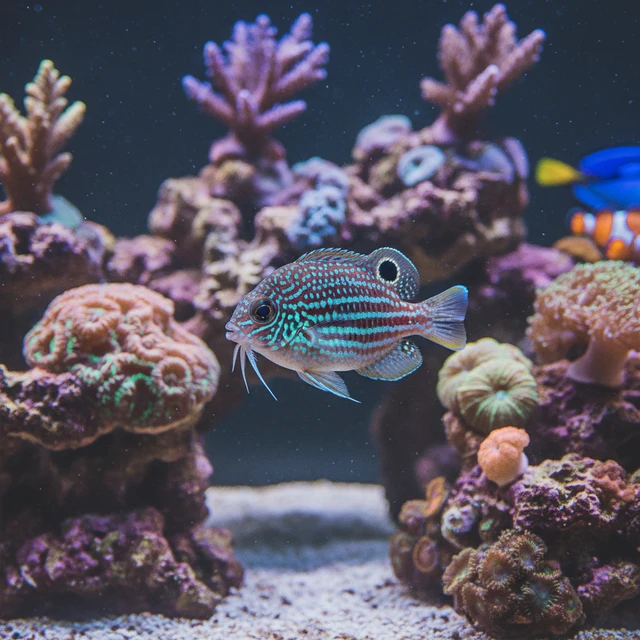
What Twospot Bristletooth look like
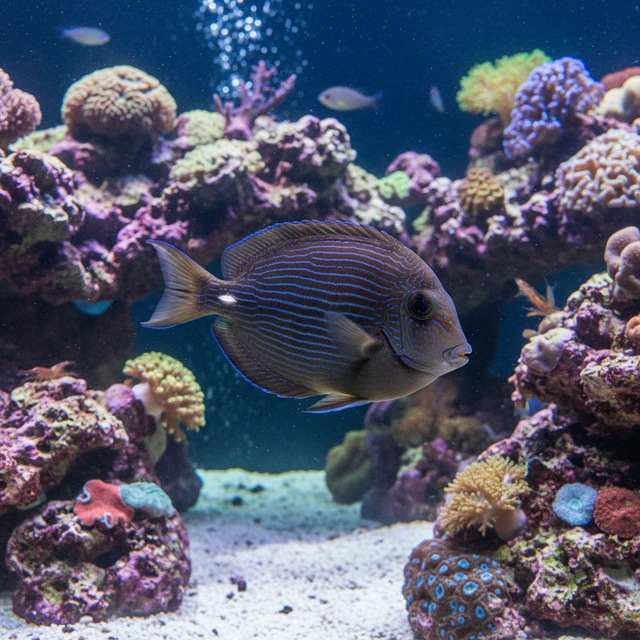
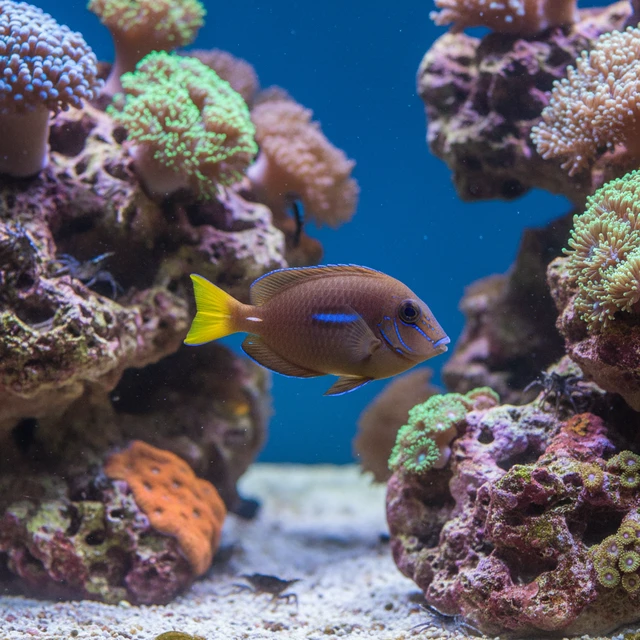
The Twospot Bristletooth, Ctenochaetus binotatus, is characterized by its oval body shape and laterally compressed profile, reaching a maximum adult size of approximately 6 inches (15 cm). This species exhibits sexual dimorphism, with males typically displaying more vibrant coloration and larger dorsal fins compared to females. The body is adorned with a distinctive pattern of two prominent dark spots on either side, set against a background of a brownish to olive hue, which aids in camouflage among the reef substrate. The bristletooth tang possesses a unique dentition, featuring specialized teeth that resemble bristles, adapted for scraping algae off surfaces. Additionally, the species has a small, sharp spine at the base of the tail, which serves as a defensive adaptation against predators.
Behavior & temperament
Ctenochaetus binotatus is generally a peaceful species, often found in small groups or pairs within its natural habitat. It exhibits a social hierarchy, with dominant individuals establishing territories among the reef. This tang is primarily a mid-water swimmer, frequently seen grazing on algae in the water column and on the substrate. Breeding behavior involves courtship displays, where males may exhibit increased coloration and engage in chasing behaviors. The Twospot Bristletooth is known for its relatively docile temperament, although it can become territorial during breeding periods or when competing for food resources.
Diet & feeding
In the wild, the Twospot Bristletooth primarily feeds on benthic algae and detritus, making it an obligate herbivore. In captivity, it requires a diet rich in marine algae, spirulina, and high-quality herbivore pellets to maintain optimal health.
Behind the name
The genus name 'Ctenochaetus' is derived from the Greek words 'ktenos' meaning 'comb' and 'chaetos' meaning 'hair', referring to the bristle-like teeth of the fish. The species name 'binotatus' comes from the Latin 'bi-' meaning 'two' and 'notatus' meaning 'marked', highlighting the two distinctive spots on its body.
Plan your tank
Check the numbers before you buy: tank volume, salinity, salt mix, water changes, and your ongoing care routine. Keeping reef? Start from the Saltwater & Reef hub.
Keep reading
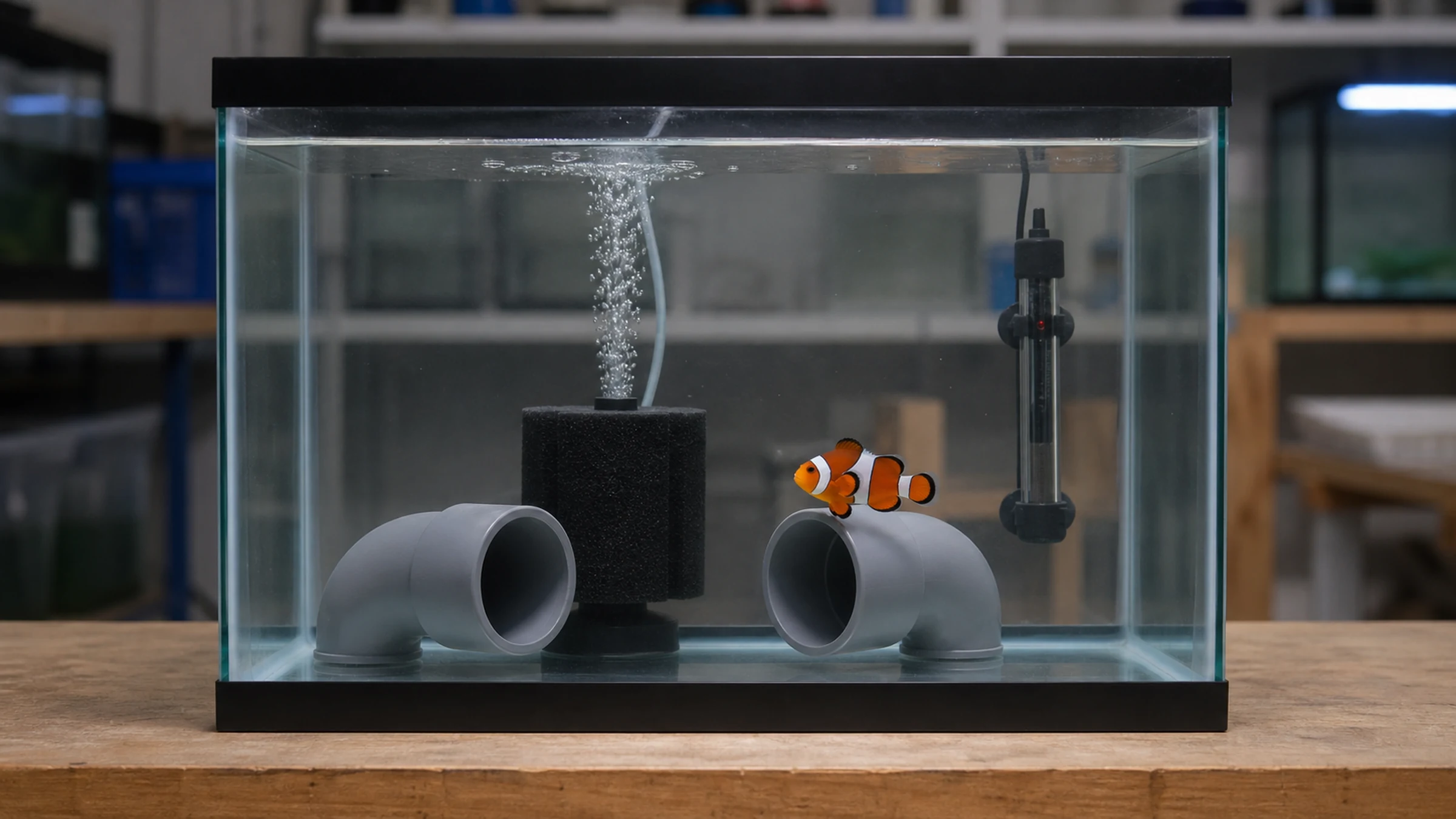
How to quarantine new saltwater fish against marine ich, velvet, and brooklynella: the QT tank, treatments, timelines, and the buy-clean shortcut.

What every reef parameter means and where to keep it: salinity, temperature, pH, alkalinity, calcium, magnesium, nitrate, and phosphate.

Choose compatible fish: school sizes, swimming zones, aggression, temperature and hardness matching, and honest bioload math for a peaceful community.
Keeping Twospot Bristletooth?
AquaLens identifies your fish and plants from a photo, tracks water chemistry, and flags health issues early — free on iOS and Android.