Whitecheek Tang Care Guide
Acanthurus nigricans · Saltwater Tang
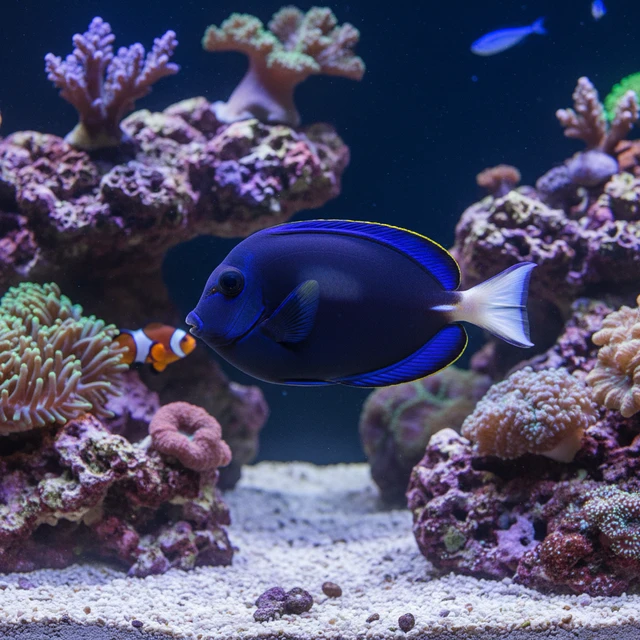
What Whitecheek Tang look like
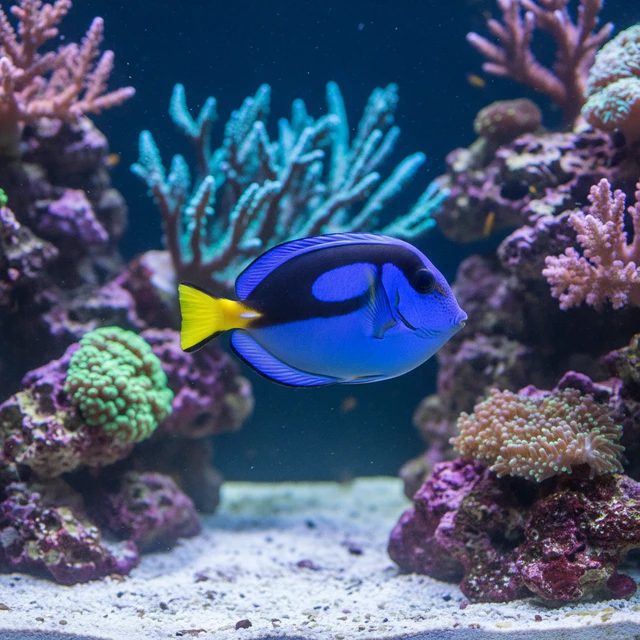
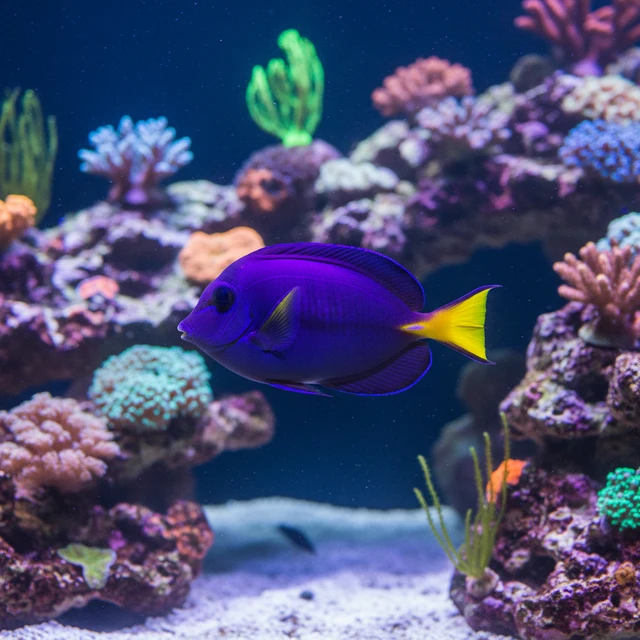
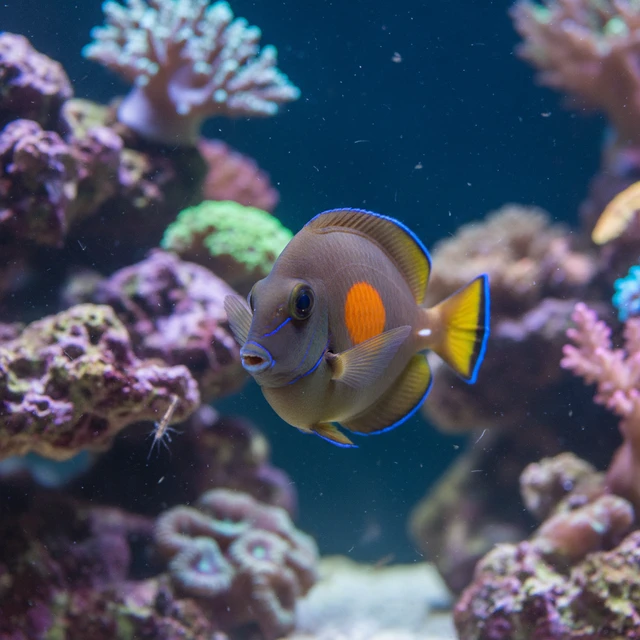
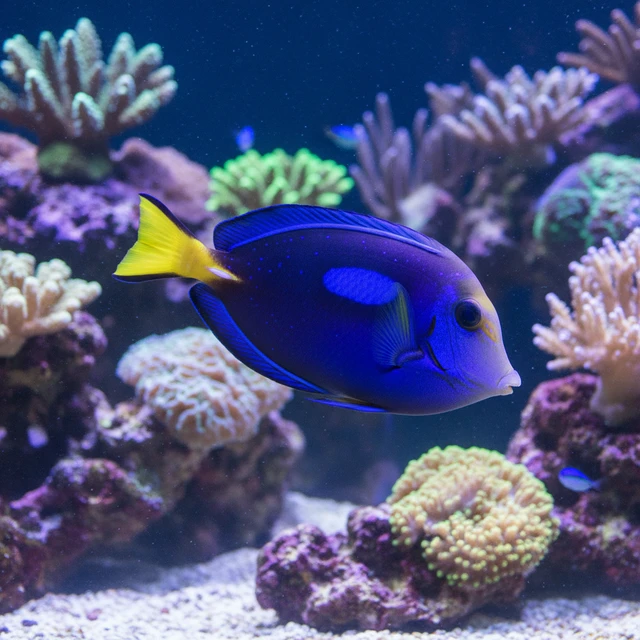
The Whitecheek Tang, scientifically known as Acanthurus nigricans, exhibits a distinctive body shape typical of the Acanthuridae family, characterized by a laterally compressed, oval form that can reach a maximum adult size of approximately 12 inches (30 cm). This species is notable for its striking coloration, featuring a predominantly dark blue to black body with a prominent white cheek patch that extends from the eye to the operculum, providing a stark contrast. The dorsal fin is elongated and pointed, with a series of spines that can be raised when threatened, while the anal fin is similarly shaped but slightly shorter. Sexual dimorphism is subtle, with males generally displaying more vibrant coloration and larger dorsal fins during breeding periods. Acanthurus nigricans possesses sharp, retractable spines on either side of the tail, known as caudal spines, which serve as a defensive adaptation against predators. Additionally, the species features a well-defined lateral line that aids in hydrodynamic sensing and social interactions.
Behavior & temperament
The Whitecheek Tang is a highly social species, often found in small to large schools within its natural habitat, typically inhabiting coral reefs and rocky substrates. They exhibit a clear social hierarchy, with dominant individuals asserting control over territory and feeding areas. This species is known for its active swimming behavior, often occupying the mid to upper water column. Breeding behavior involves elaborate courtship displays, where males will chase females and engage in synchronized swimming patterns. The temperament of Acanthurus nigricans is generally peaceful, although they can exhibit territorial aggression, particularly towards conspecifics or similar-looking species when space is limited.
Diet & feeding
In the wild, the Whitecheek Tang primarily feeds on a diet of algae, including filamentous and turf algae, making it an important grazer in reef ecosystems. In captivity, it requires a varied diet that includes high-quality marine algae, spirulina, and vegetable-based foods to maintain optimal health.
Behind the name
The genus name 'Acanthurus' is derived from the Greek words 'akanthos', meaning 'thorn', and 'oura', meaning 'tail', referring to the sharp spines on the tail. The species name 'nigricans' comes from the Latin word 'niger', meaning 'black', which describes the dark coloration of the fish.
Plan your tank
Check the numbers before you buy: tank volume, salinity, salt mix, water changes, and your ongoing care routine. Keeping reef? Start from the Saltwater & Reef hub.
Keep reading
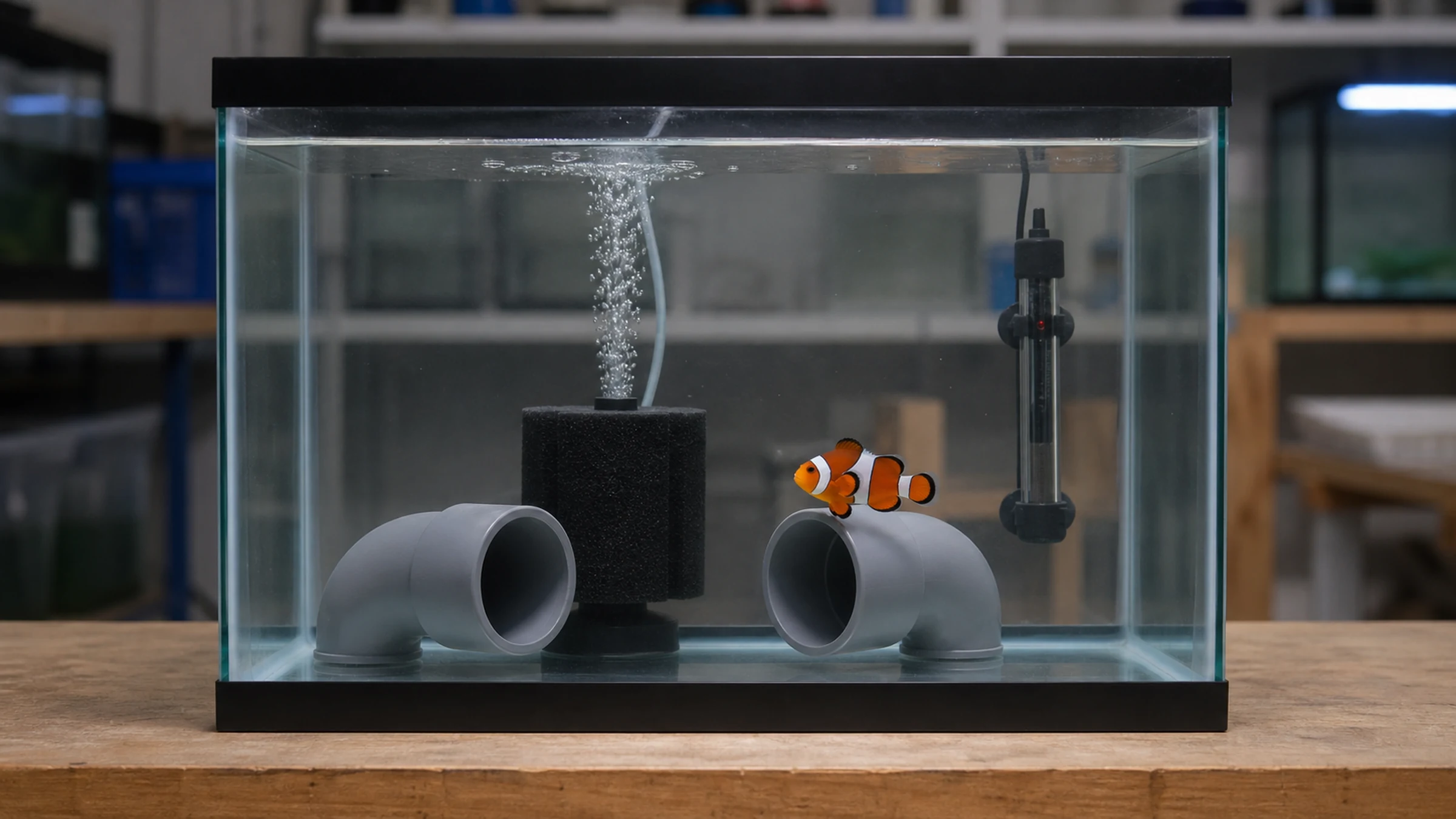
How to quarantine new saltwater fish against marine ich, velvet, and brooklynella: the QT tank, treatments, timelines, and the buy-clean shortcut.

What every reef parameter means and where to keep it: salinity, temperature, pH, alkalinity, calcium, magnesium, nitrate, and phosphate.

Choose compatible fish: school sizes, swimming zones, aggression, temperature and hardness matching, and honest bioload math for a peaceful community.
Keeping Whitecheek Tang?
AquaLens identifies your fish and plants from a photo, tracks water chemistry, and flags health issues early — free on iOS and Android.