Yellow Boxfish Care Guide
Ostracion cubicum · Saltwater Boxfish
What Yellow Boxfish look like
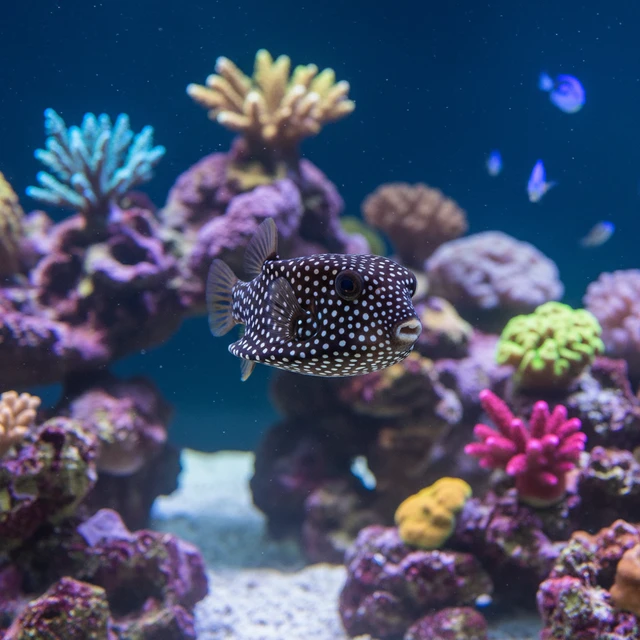
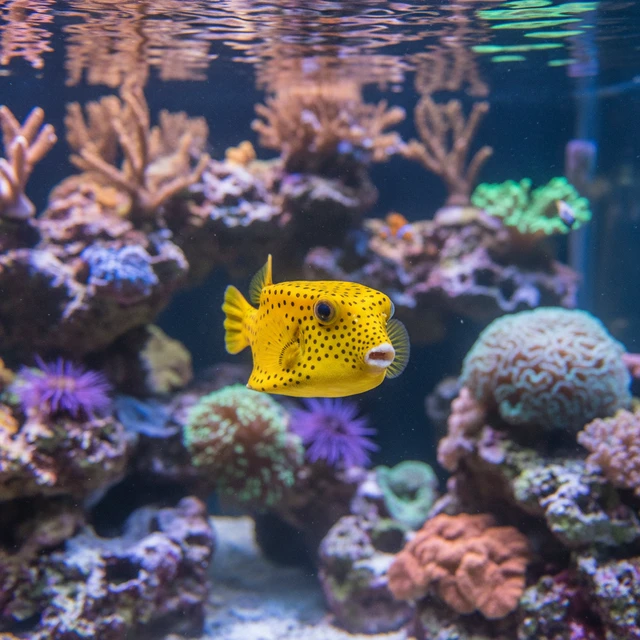
The Yellow Boxfish (Ostracion cubicum) exhibits a distinctive cubic shape, characterized by its box-like body structure, which can reach a maximum adult size of approximately 45 cm (17.7 inches) in length. The body is covered with a hard, bony carapace that provides protection from predators, and its vibrant yellow coloration is often adorned with small black spots, serving as a warning signal to potential threats. This species displays sexual dimorphism, with males typically exhibiting more intense coloration than females. Notable morphological features include a small mouth equipped with fused teeth that form a beak-like structure, and a series of lateral lines that aid in sensory perception. The fins are relatively small and positioned towards the rear of the body, contributing to its unique swimming style, which is characterized by a slow, undulating motion.
Behavior & temperament
The Yellow Boxfish is generally a solitary species, although it may be observed in small groups during breeding seasons. It typically inhabits shallow waters and can be found swimming at various levels, often near the substrate or among coral reefs. Breeding behavior involves the release of eggs and sperm into the water column, where external fertilization occurs. This species is known for its mild temperament, but it can exhibit defensive aggression when threatened, releasing a toxic substance from its skin as a deterrent against predators. The boxfish is also known to employ a unique swimming technique, using its pectoral fins to maneuver while maintaining stability with its dorsal and anal fins.
Diet & feeding
In the wild, the Yellow Boxfish primarily feeds on small invertebrates, including crustaceans and algae. In captivity, it requires a varied diet that includes high-quality pellets, frozen or live foods such as brine shrimp and mysis shrimp, as well as vegetable matter to ensure optimal health.
Behind the name
The genus name 'Ostracion' is derived from the Greek word 'ostrakon', meaning 'shell' or 'bone', while the species name 'cubicum' comes from the Latin word 'cubus', meaning 'cube', referring to its distinctive box-like shape.
Plan your tank
Check the numbers before you buy: tank volume, salinity, salt mix, water changes, and your ongoing care routine. Keeping reef? Start from the Saltwater & Reef hub.
Keep reading
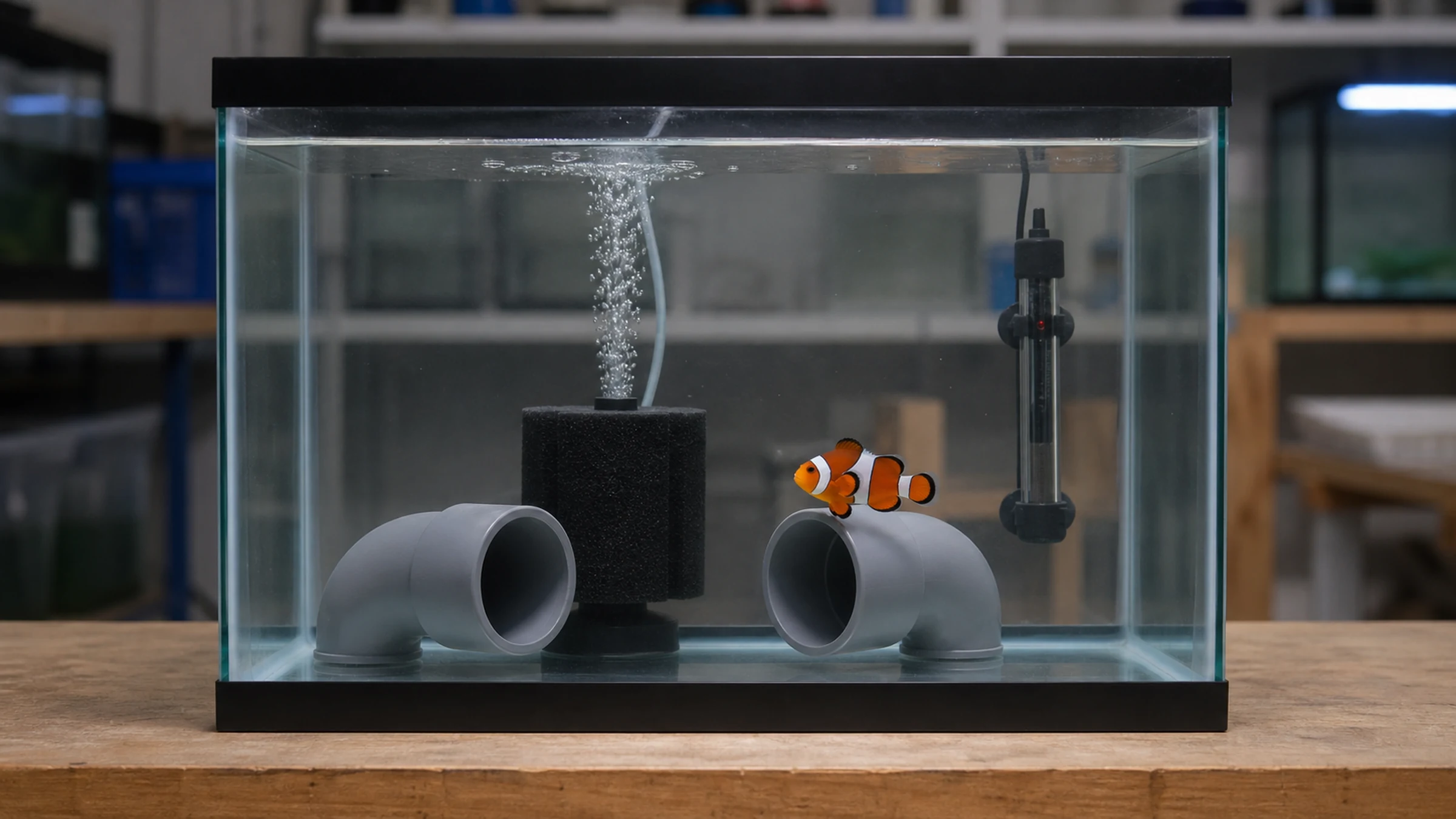
How to quarantine new saltwater fish against marine ich, velvet, and brooklynella: the QT tank, treatments, timelines, and the buy-clean shortcut.

What every reef parameter means and where to keep it: salinity, temperature, pH, alkalinity, calcium, magnesium, nitrate, and phosphate.

Choose compatible fish: school sizes, swimming zones, aggression, temperature and hardness matching, and honest bioload math for a peaceful community.
Keeping Yellow Boxfish?
AquaLens identifies your fish and plants from a photo, tracks water chemistry, and flags health issues early — free on iOS and Android.