
Zebra Moray Eel Care Guide
Gymnomuraena zebra · Saltwater Eel
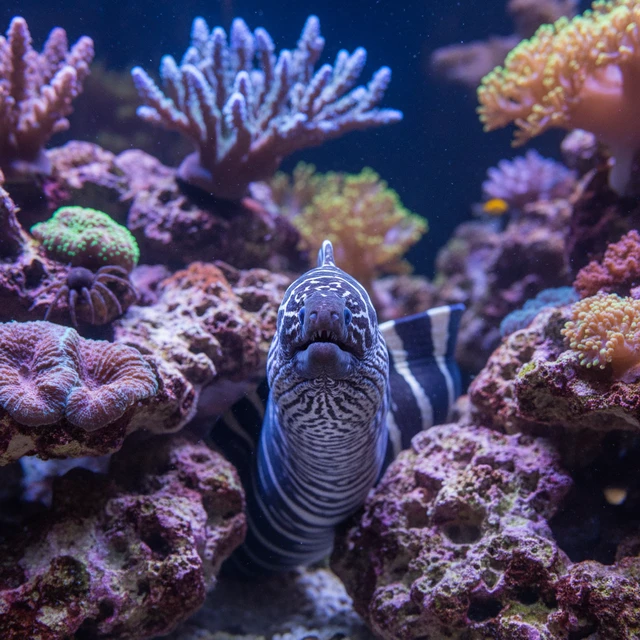
What Zebra Moray Eel look like
The Zebra Moray Eel, Gymnomuraena zebra, exhibits a distinctive elongated body that can reach up to 5 feet (1.5 meters) in length. Its skin is adorned with a striking pattern of black and white stripes, which serve as a form of camouflage among the rocky crevices of its reef habitat. Unlike many other eel species, it lacks pectoral and pelvic fins, relying instead on its muscular body to propel itself through the water. The head is relatively broad with a pointed snout, and it possesses a set of sharp, conical teeth that are well-adapted for grasping slippery prey. The eel's lateral line system is highly developed, allowing it to detect vibrations and movement in the water, which is crucial for hunting in its often murky environment. Sexual dimorphism is not pronounced in this species, although males may exhibit slightly larger heads during breeding seasons. Defensive adaptations include the ability to retreat into crevices and a formidable bite if threatened.
Behavior & temperament
Zebra Moray Eels are primarily nocturnal hunters, exhibiting a solitary lifestyle with a tendency to establish territories within rocky crevices. They are known to be relatively docile towards divers but can display aggressive behavior when provoked or during mating rituals. During the day, they often remain hidden within their lairs, extending only their heads out to survey their surroundings. Breeding behavior involves the males displaying increased activity and aggression, often engaging in elaborate courtship displays. They are opportunistic feeders, using their keen sense of smell to locate prey such as small fish and crustaceans. While they are not typically social, they may occasionally be observed in loose aggregations during spawning events.
Diet & feeding
The Zebra Moray Eel is carnivorous, primarily feeding on small fish and crustaceans in its natural habitat. In captivity, it requires a diet of high-quality frozen or live foods such as shrimp, fish, and squid to thrive.
Behind the name
The genus name 'Gymnomuraena' derives from the Greek words 'gymnos', meaning 'naked', and 'muraena', referring to eels, indicating its smooth, finless body. The species name 'zebra' refers to its characteristic striped pattern resembling that of a zebra.
Plan your tank
Check the numbers before you buy: tank volume, salinity, salt mix, water changes, and your ongoing care routine. Keeping reef? Start from the Saltwater & Reef hub.
Keep reading
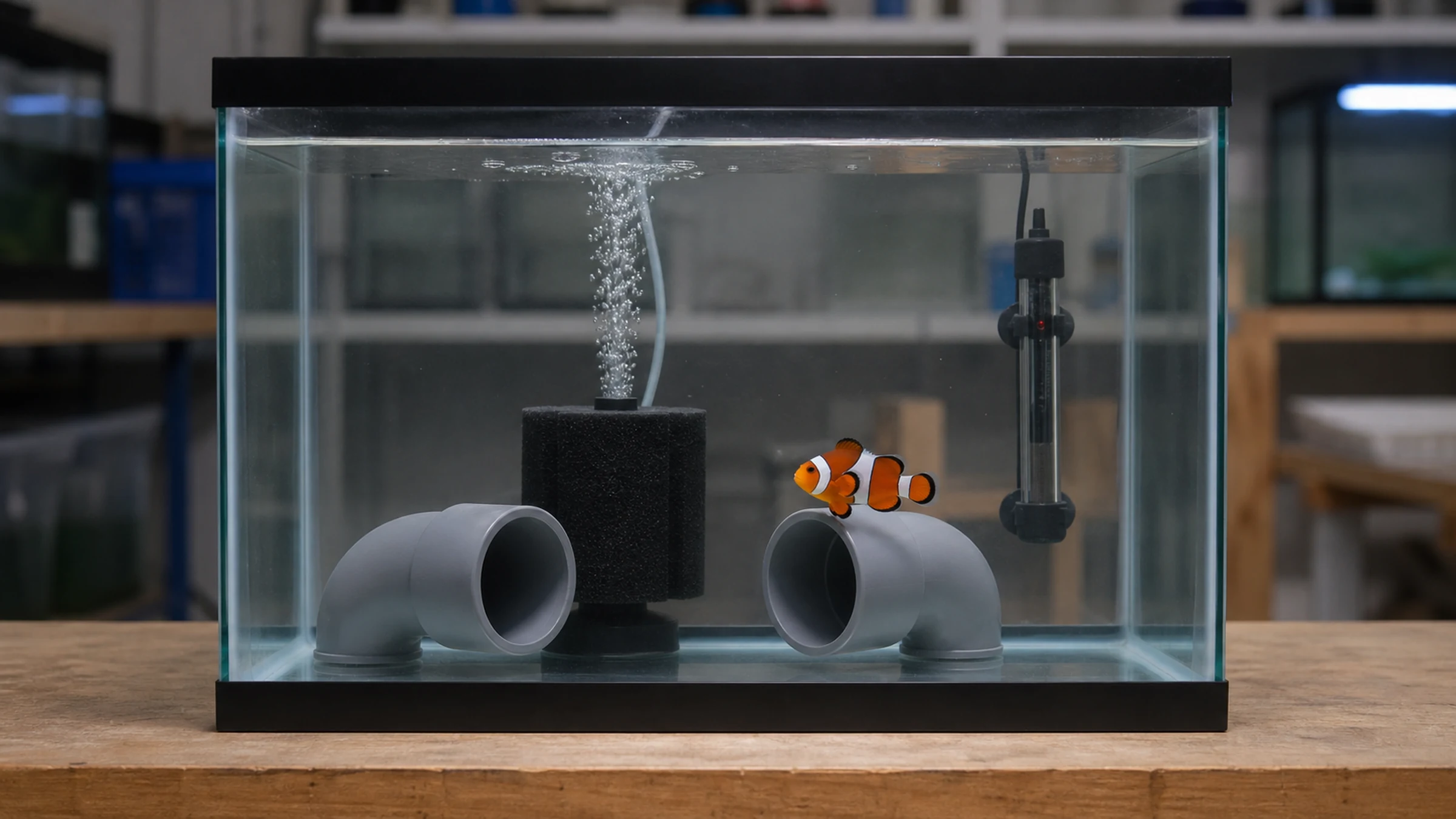
How to quarantine new saltwater fish against marine ich, velvet, and brooklynella: the QT tank, treatments, timelines, and the buy-clean shortcut.

What every reef parameter means and where to keep it: salinity, temperature, pH, alkalinity, calcium, magnesium, nitrate, and phosphate.
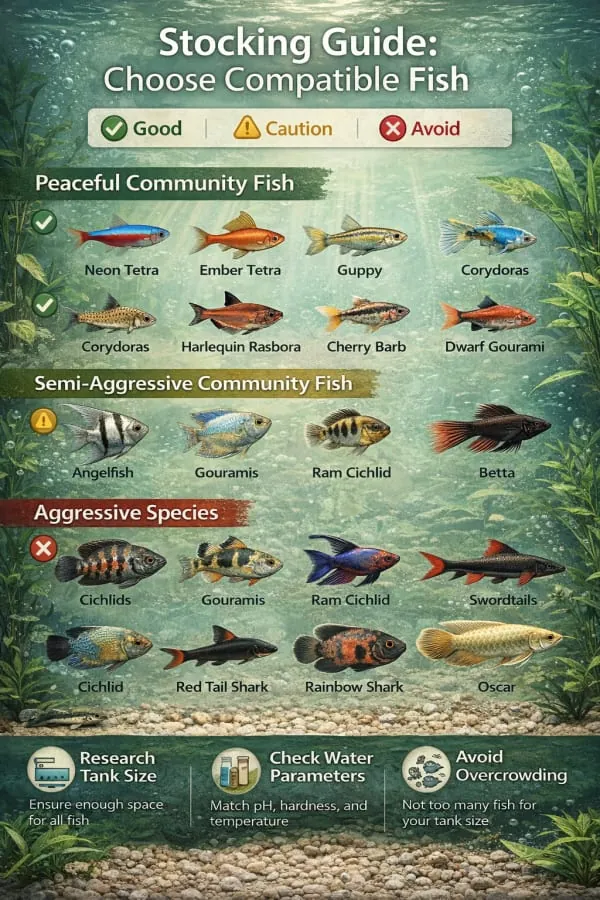
Choose compatible fish: school sizes, swimming zones, aggression, temperature and hardness matching, and honest bioload math for a peaceful community.
Keeping Zebra Moray Eel?
AquaLens identifies your fish and plants from a photo, tracks water chemistry, and flags health issues early — free on iOS and Android.