Allpahuayo Dwarf Cichlid Care Guide
Apistogramma allpahuayo · Freshwater Fish
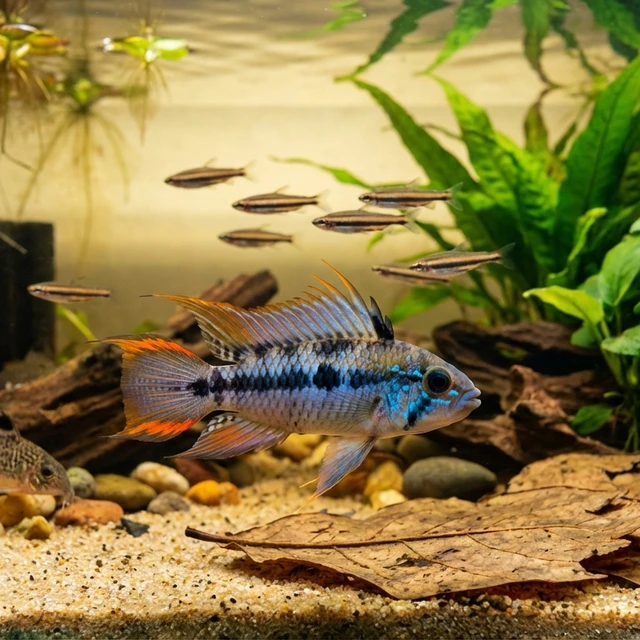
What Allpahuayo Dwarf Cichlid look like
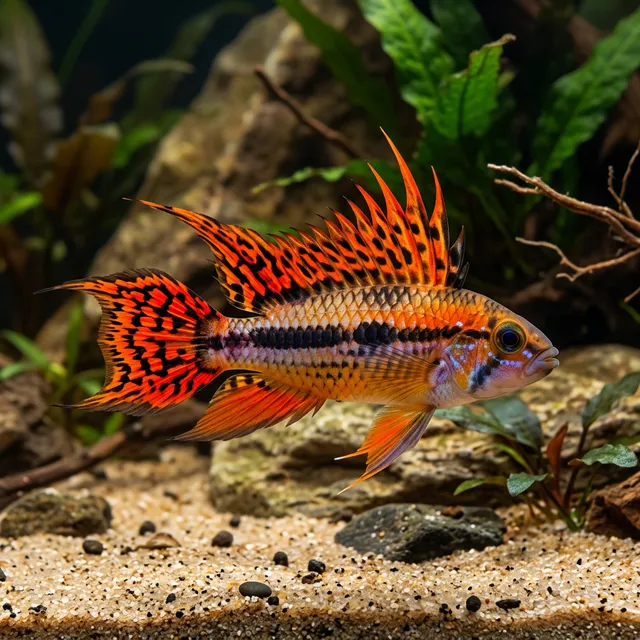
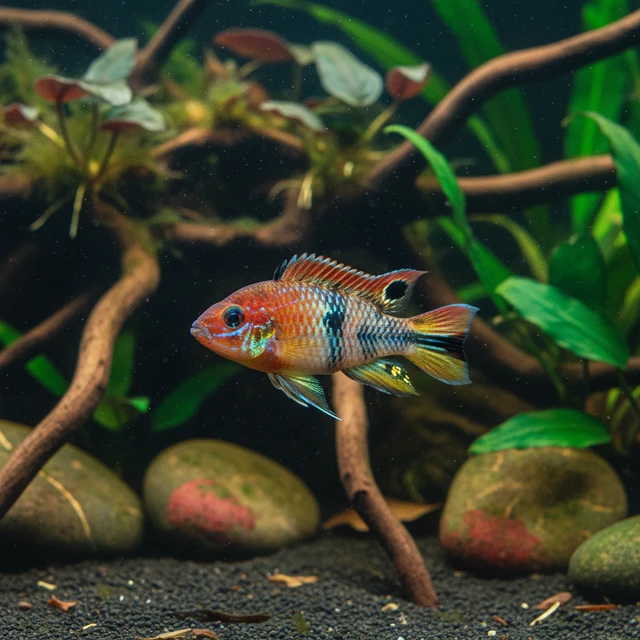
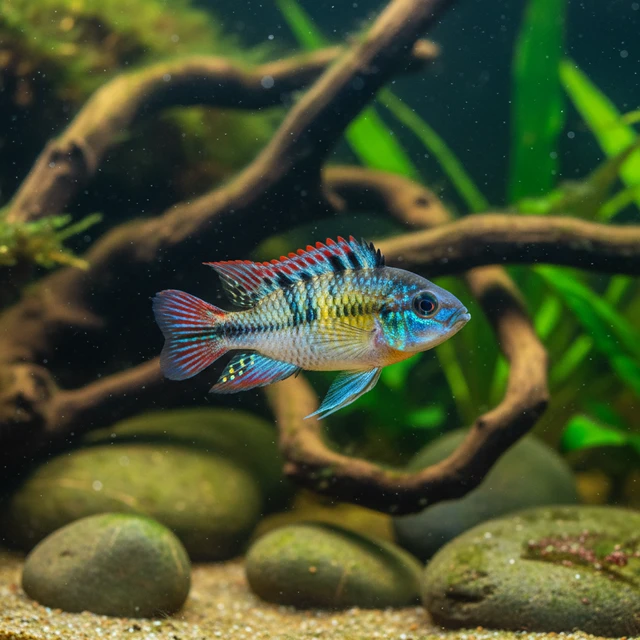
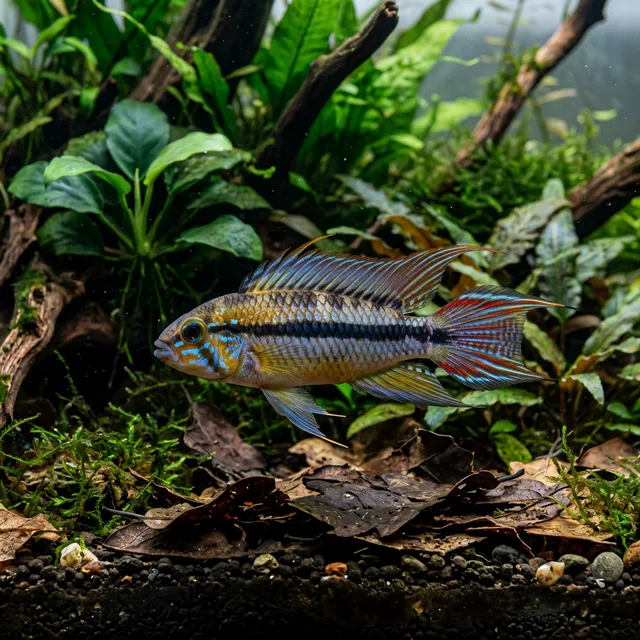
The Allpahuayo Dwarf Cichlid (Apistogramma allpahuayo) is a diminutive species, typically reaching a maximum adult size of 2 to 2.5 inches (5 to 6.5 cm). Males exhibit a striking blue-violet iridescence across their fusiform bodies, accentuated by a bold dark lateral stripe and intricate ventral markings, which serve as visual signals during mating displays. The dorsal fin is notably tall and adorned with vibrant orange-red edging, while the caudal fin is rounded, exhibiting a colorful pattern that enhances its aesthetic appeal. Females, in contrast, are smaller and possess a more subdued yellowish coloration, lacking the vibrant markings of the males. This species demonstrates sexual dimorphism, with males being more vividly colored and larger than females. Defensive adaptations include their ability to blend into the leaf-littered substrates of their natural habitats, providing camouflage from potential predators.
Behavior & temperament
Apistogramma allpahuayo exhibits a generally peaceful temperament, though males can display territorial aggression, especially during breeding periods. This species is typically found in small groups or pairs, often occupying the benthic zone of slow-moving waters, where they establish territories among submerged vegetation and leaf litter. They are substrate spawners, engaging in elaborate courtship displays prior to breeding, where females scatter eggs in concealed locations. Their social structure is not strictly hierarchical, but dominant males may assert control over specific territories, influencing the distribution of females within the habitat.
Diet & feeding
In the wild, the Allpahuayo Dwarf Cichlid is an omnivore, feeding on a varied diet that includes small invertebrates, detritus, and plant matter. In captivity, they thrive on a balanced diet of high-quality flake foods, frozen or live foods such as brine shrimp and daphnia, and should also receive vegetable matter to ensure optimal health.
Behind the name
The genus name 'Apistogramma' is derived from the Greek 'apisto' (unfamiliar) and 'gramma' (letter or line), likely referring to the unique patterns of these fish. The species name 'allpahuayo' is derived from the Allpahuayo River in Peru, which is part of its natural habitat.
Plan your tank
Check the numbers before you buy: tank volume, a stocking plan, cycle progress, water changes, and your ongoing care routine.
Keep reading
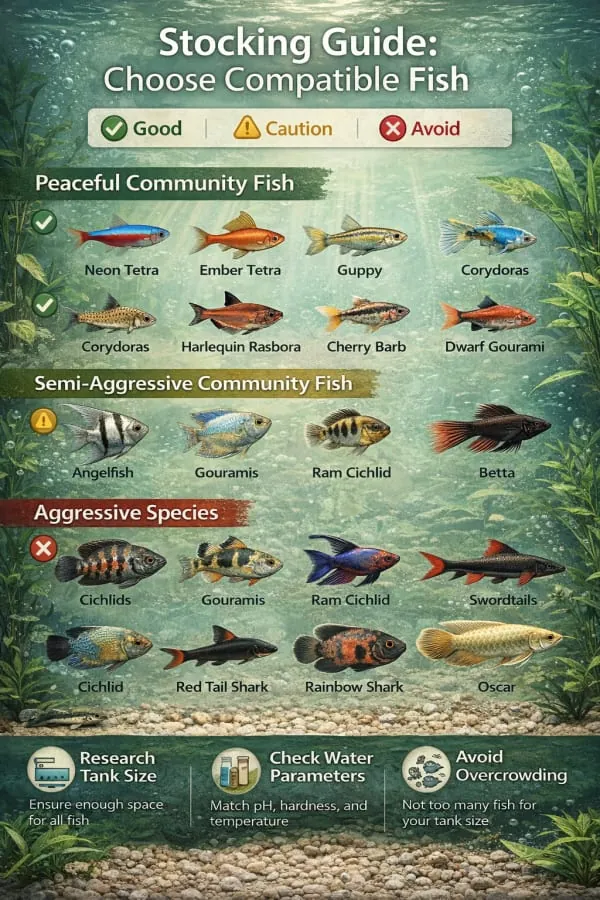
Choose compatible fish: school sizes, swimming zones, aggression, temperature and hardness matching, and honest bioload math for a peaceful community.
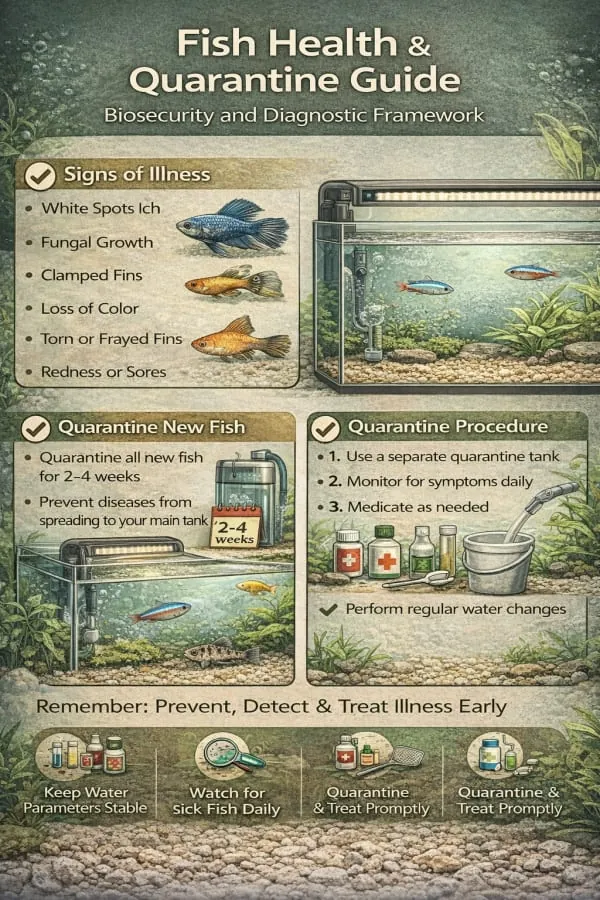
Quarantine new fish, spot the early warning signs, and treat disease without wrecking your tank. A practical freshwater fish health guide.
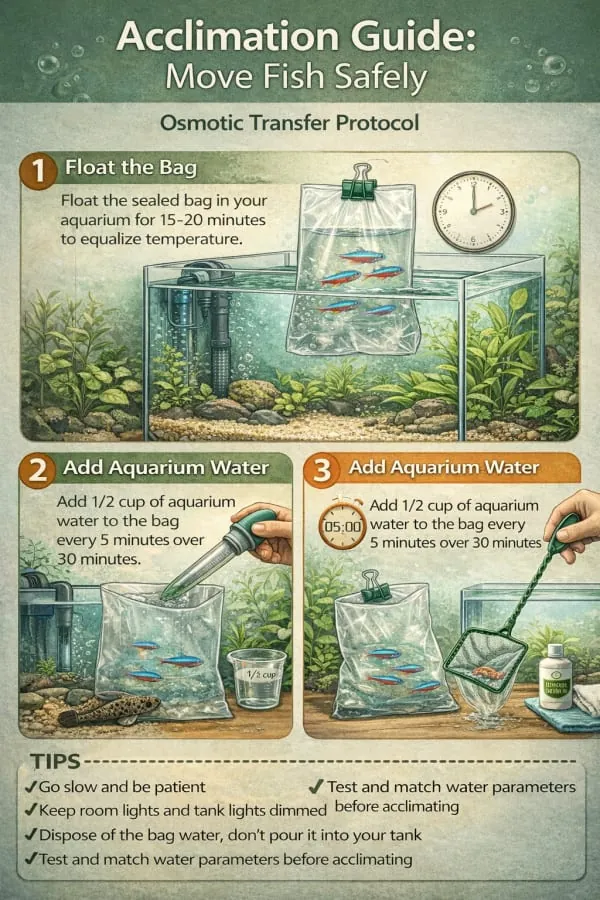
Acclimate new fish, shrimp, and coral safely: temperature floating, drip acclimation, plop-and-drop for shipped livestock, and the first 24 hours.
Keeping Allpahuayo Dwarf Cichlid?
AquaLens identifies your fish and plants from a photo, tracks water chemistry, and flags health issues early — free on iOS and Android.