
Axolotl Care Guide
Ambystoma mexicanum · Freshwater Reptile/Amphibian
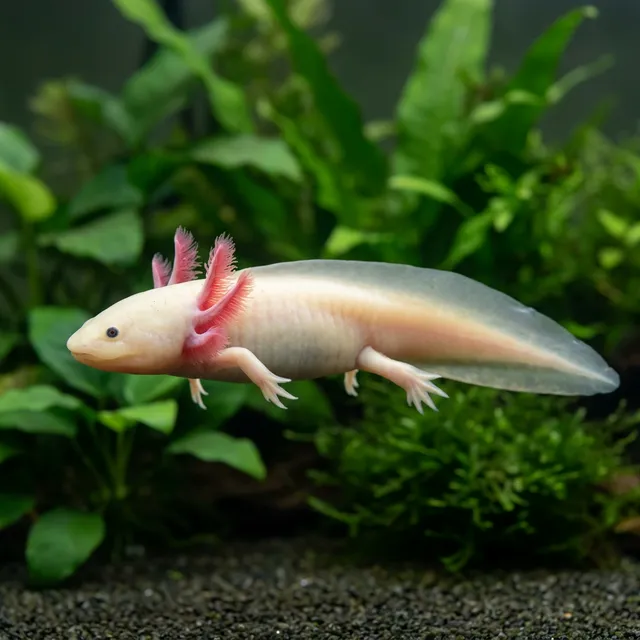
What Axolotl look like
The Axolotl (Ambystoma mexicanum) is a neotenic salamander characterized by its large, aquatic form, typically measuring between 8 to 12 inches in length, with some individuals reaching up to 14 inches. Its body is robust and chunky, featuring a wide, flattened head with small, beady eyes and a distinctive mouth that appears to be perpetually smiling. The most striking morphological feature is the presence of feathery external gills (rami) that extend from either side of the head, resembling a crown-like frill, which are highly vascularized and serve as respiratory organs. The Axolotl's limbs are short and stubby, with four legs that are not adapted for terrestrial locomotion, while its long, finned tail aids in propulsion through the water. The species exhibits a variety of color morphs, including leucistic (white/pink), wild-type (dark mottled), golden albino, and melanoid (solid black), with the leucistic form being particularly popular in captivity. Notably, the Axolotl lacks the typical fish-like body and scales, instead possessing smooth, moist skin that is indicative of its amphibious nature.
Behavior & temperament
Axolotls are primarily solitary creatures, exhibiting a benthic lifestyle as they dwell near the substrate of their aquatic environments. They are not obligate schoolers and do not form social hierarchies; instead, they are territorial and may display aggressive behaviors towards conspecifics, especially during breeding seasons. Breeding occurs through external fertilization, where females scatter eggs in the water, and males engage in courtship displays. Axolotls are generally docile but can exhibit defensive behaviors when threatened, such as hiding among rocks or aquatic vegetation. Their temperament can vary based on environmental conditions and individual personality, but they are typically more passive than aggressive.
Diet & feeding
In the wild, Axolotls are carnivorous, preying on small invertebrates, fish, and other aquatic organisms. In captivity, they require a diet rich in protein, including live or frozen foods such as bloodworms, brine shrimp, and earthworms to ensure optimal health and growth.
Behind the name
Ambystoma (from Greek 'ambystoma', meaning 'both' and 'mouth', referring to the dual nature of their life cycle); mexicanum (indicating the species' origin in Mexico).
Plan your tank
Check the numbers before you buy: tank volume, a stocking plan, cycle progress, water changes, and your ongoing care routine.
Keep reading

Choose compatible fish: school sizes, swimming zones, aggression, temperature and hardness matching, and honest bioload math for a peaceful community.
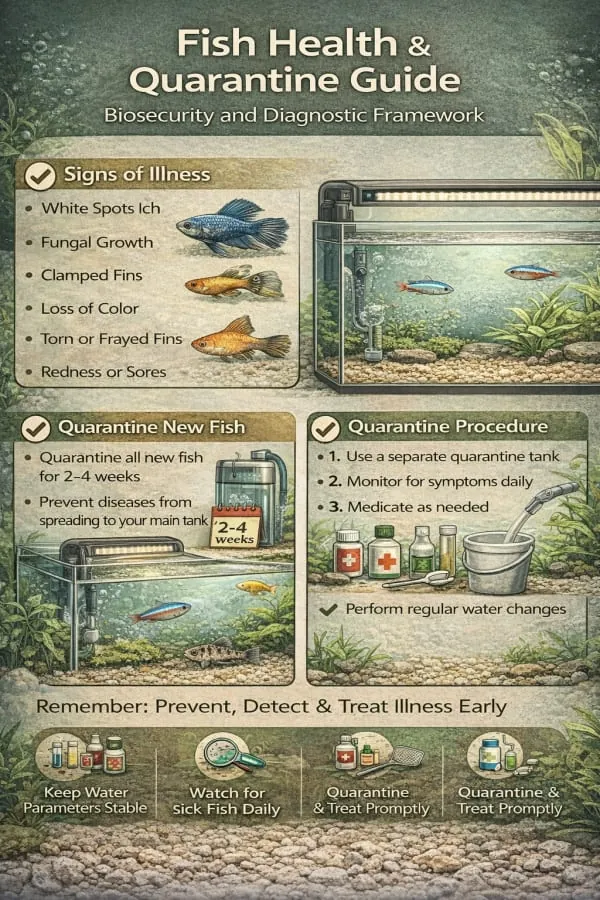
Quarantine new fish, spot the early warning signs, and treat disease without wrecking your tank. A practical freshwater fish health guide.

Acclimate new fish, shrimp, and coral safely: temperature floating, drip acclimation, plop-and-drop for shipped livestock, and the first 24 hours.
Keeping Axolotl?
AquaLens identifies your fish and plants from a photo, tracks water chemistry, and flags health issues early — free on iOS and Android.