Bali Green Slimer Care Guide
Acropora yongei · Saltwater SPS Coral
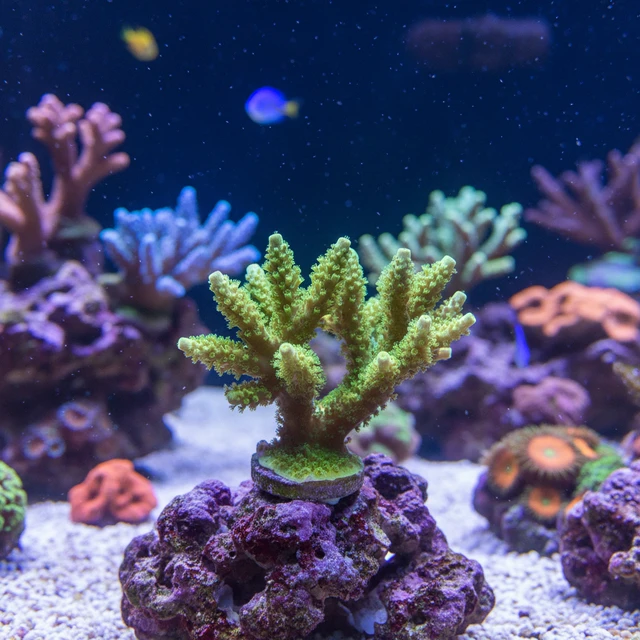
What Bali Green Slimer look like
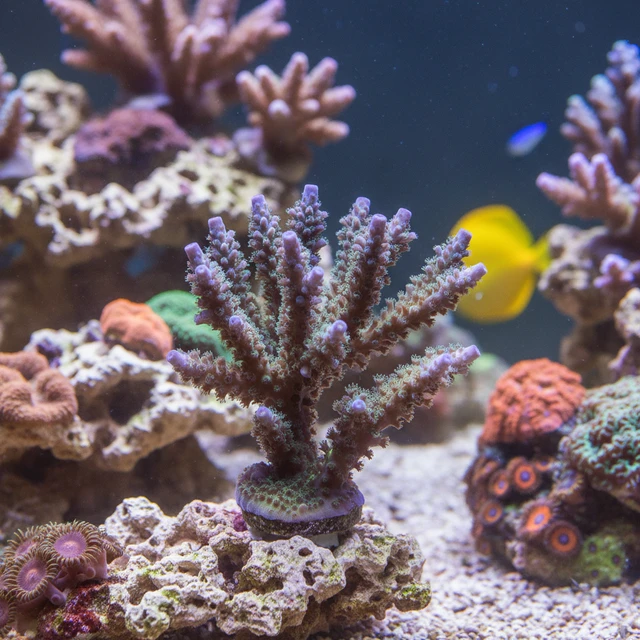
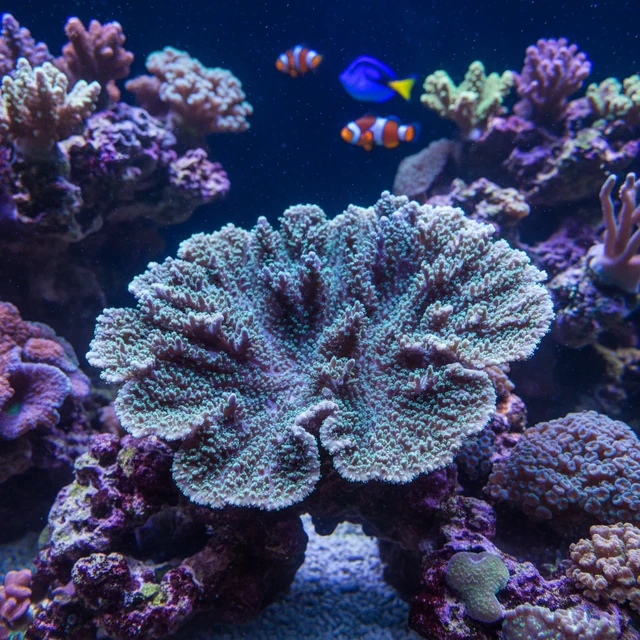
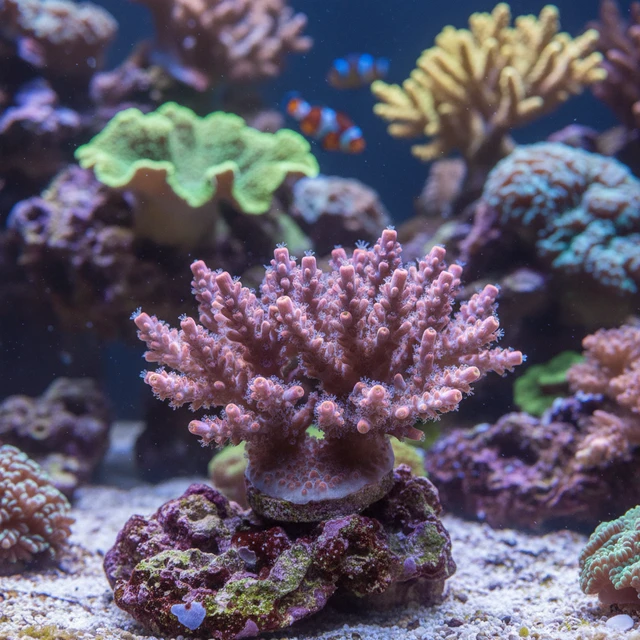
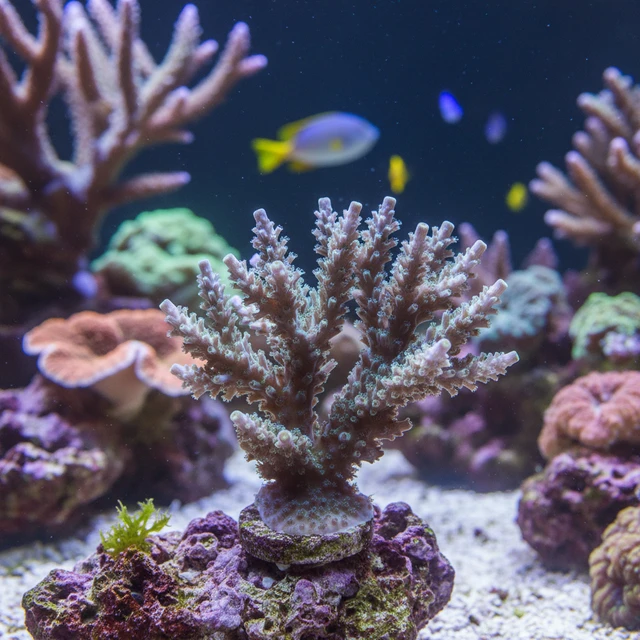
Acropora yongei, commonly known as the Bali Green Slimer, exhibits a distinctive morphology characterized by its elongated, branching structure that can reach a maximum adult size of approximately 30 inches (75 cm) in diameter. The coral features slender, tapering branches that are densely packed with small, cylindrical polyps, which can extend up to 1 inch (2.5 cm) in length. The coloration ranges from vibrant green to yellow-green, often with a luminescent quality under appropriate lighting conditions. This species displays minimal sexual dimorphism, with both sexes appearing similar in external morphology. Defensive adaptations include the presence of potent nematocysts within the polyps, which can deliver a mild sting to potential threats. The coral's unique morphology also includes a well-defined axial corallite structure, contributing to its overall resilience and ability to thrive in various reef environments.
Behavior & temperament
Acropora yongei is a highly social coral species that thrives in dense colonies, often forming extensive reefs. It exhibits a rapid growth rate and can compete aggressively for space, utilizing both its stinging capabilities and rapid lateral growth to overgrow neighboring corals. The polyps of the Bali Green Slimer extend during the day to capture plankton and organic particles, while at night, they retract partially, revealing the intricate skeletal structure. This species is known for its symbiotic relationship with zooxanthellae, which provides essential nutrients through photosynthesis, enhancing its growth and vitality. While generally not aggressive towards other corals, it can exhibit territorial behavior when space is contested.
Diet & feeding
Acropora yongei is primarily a photosynthetic coral, relying on its symbiotic zooxanthellae for energy, but it also captures zooplankton and organic matter from the water column. In captivity, it requires strong lighting and may benefit from occasional feeding of fine particulate foods or coral-specific supplements to enhance growth.
Behind the name
The scientific name 'Acropora' derives from the Greek words 'akron' meaning 'top' and 'pora' meaning 'porous', referring to the coral's porous skeletal structure. The species name 'yongei' honors the marine biologist Dr. John Yonge, who contributed significantly to coral research.
Plan your tank
Check the numbers before you buy: tank volume, salinity, salt mix, water changes, and your ongoing care routine. Keeping reef? Start from the Saltwater & Reef hub.
Keep reading
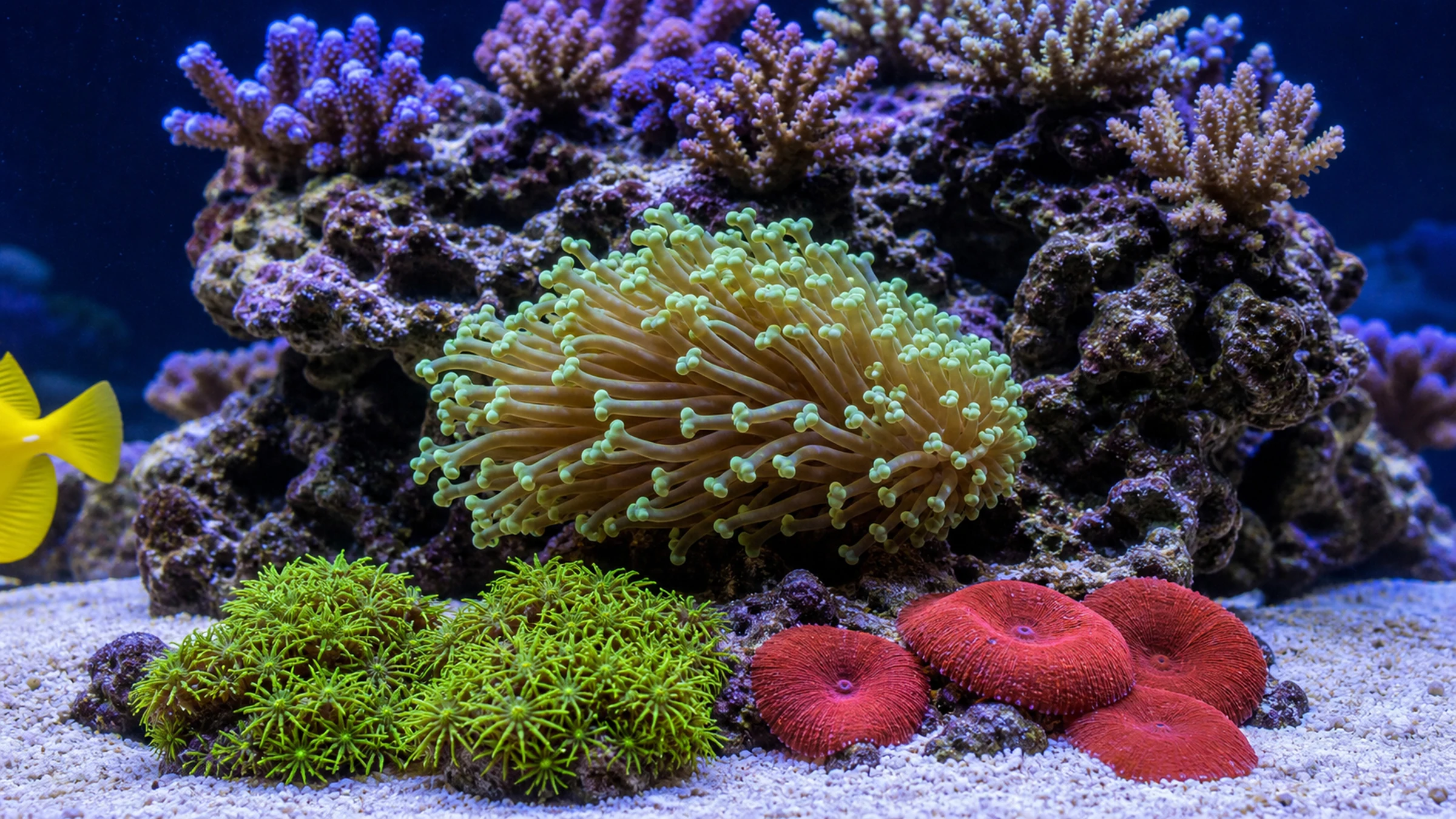
How to place corals by light and flow, PAR targets for softies, LPS, and SPS, dipping new corals for pests, and acclimating them without bleaching.

What every reef parameter means and where to keep it: salinity, temperature, pH, alkalinity, calcium, magnesium, nitrate, and phosphate.

Acclimate new fish, shrimp, and coral safely: temperature floating, drip acclimation, plop-and-drop for shipped livestock, and the first 24 hours.
Keeping Bali Green Slimer?
AquaLens identifies your fish and plants from a photo, tracks water chemistry, and flags health issues early — free on iOS and Android.