Acropora Austera Care Guide
Acropora austera · Saltwater SPS Coral
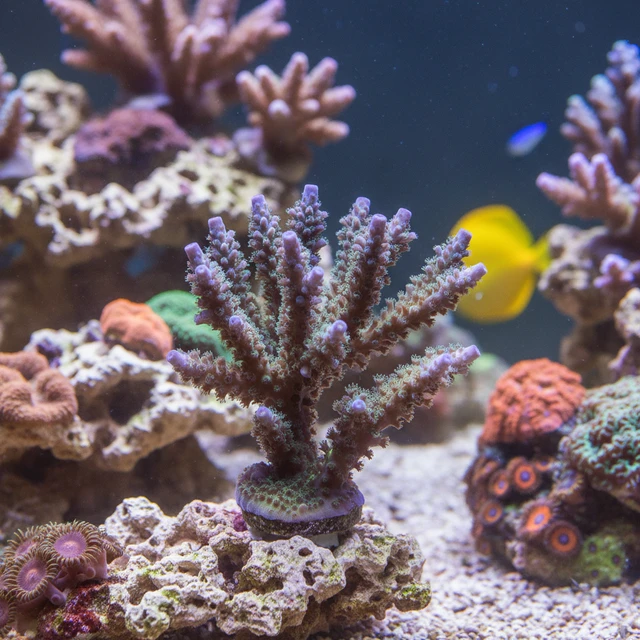
What Acropora Austera look like
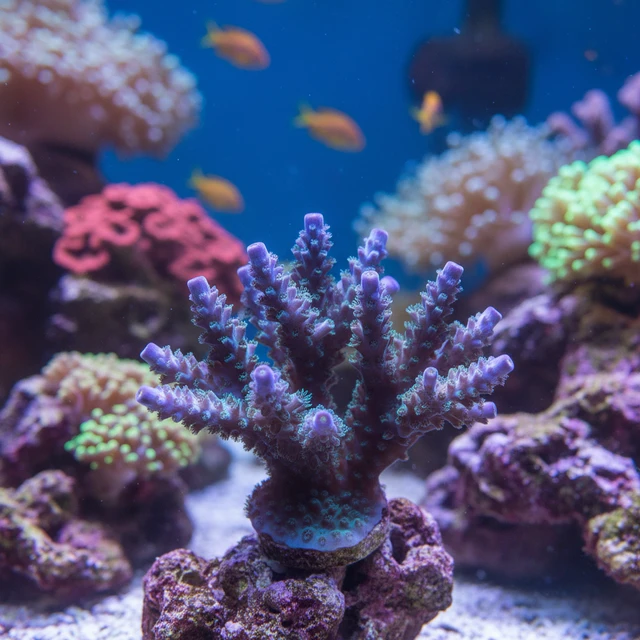
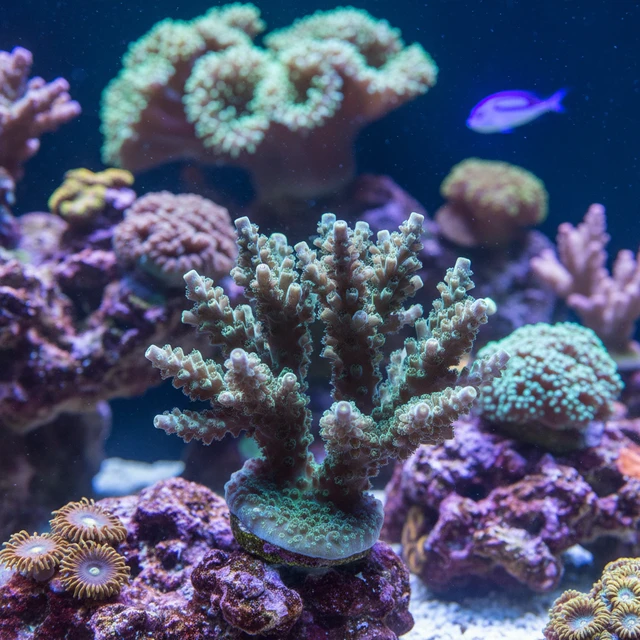
Acropora austera is characterized by its robust, branching structure, often forming dense thickets that can reach a maximum height of 1 meter (3.3 feet) in optimal conditions. The branches are typically cylindrical and can exhibit a range of colors from pale blue to vibrant green, often with a contrasting white or yellow tip, which is a unique feature of this species. The coral possesses small, closely spaced polyps that extend during the day, revealing their vibrant hues and contributing to its overall aesthetic appeal. Acropora austera exhibits minimal sexual dimorphism, as both sexes share similar morphological traits. Its defensive adaptations include the presence of nematocysts within the polyps, which can deliver a mild sting to deter potential predators. The coral's skeletal structure is composed of aragonite, providing both strength and resilience against environmental stressors.
Behavior & temperament
Acropora austera is primarily a sessile organism that relies on both autotrophic and heterotrophic feeding strategies. It engages in symbiotic relationships with zooxanthellae, which reside within its tissues, allowing it to photosynthesize and derive energy from sunlight. During the night, the polyps extend to capture plankton and other organic particles from the water column, showcasing a feeding behavior that is both opportunistic and efficient. This species is generally non-aggressive towards neighboring corals but can exhibit territoriality when space is limited. Its growth patterns are influenced by water flow and light availability, with optimal extension of polyps occurring in moderate to high flow environments.
Diet & feeding
Acropora austera is primarily a photosynthetic coral, relying on zooxanthellae for energy, but it also captures plankton and small organic particles from the water column. In captivity, it requires a well-lit environment with stable water parameters and may benefit from supplemental feeding with fine particulate foods or phytoplankton.
Behind the name
The genus name 'Acropora' derives from the Greek words 'akron' meaning 'top' or 'summit' and 'pora' meaning 'porous', referring to the coral's porous structure. The species name 'austera' is derived from the Latin word for 'severe' or 'harsh', possibly alluding to its robust growth form.
Plan your tank
Check the numbers before you buy: tank volume, salinity, salt mix, water changes, and your ongoing care routine. Keeping reef? Start from the Saltwater & Reef hub.
Keep reading
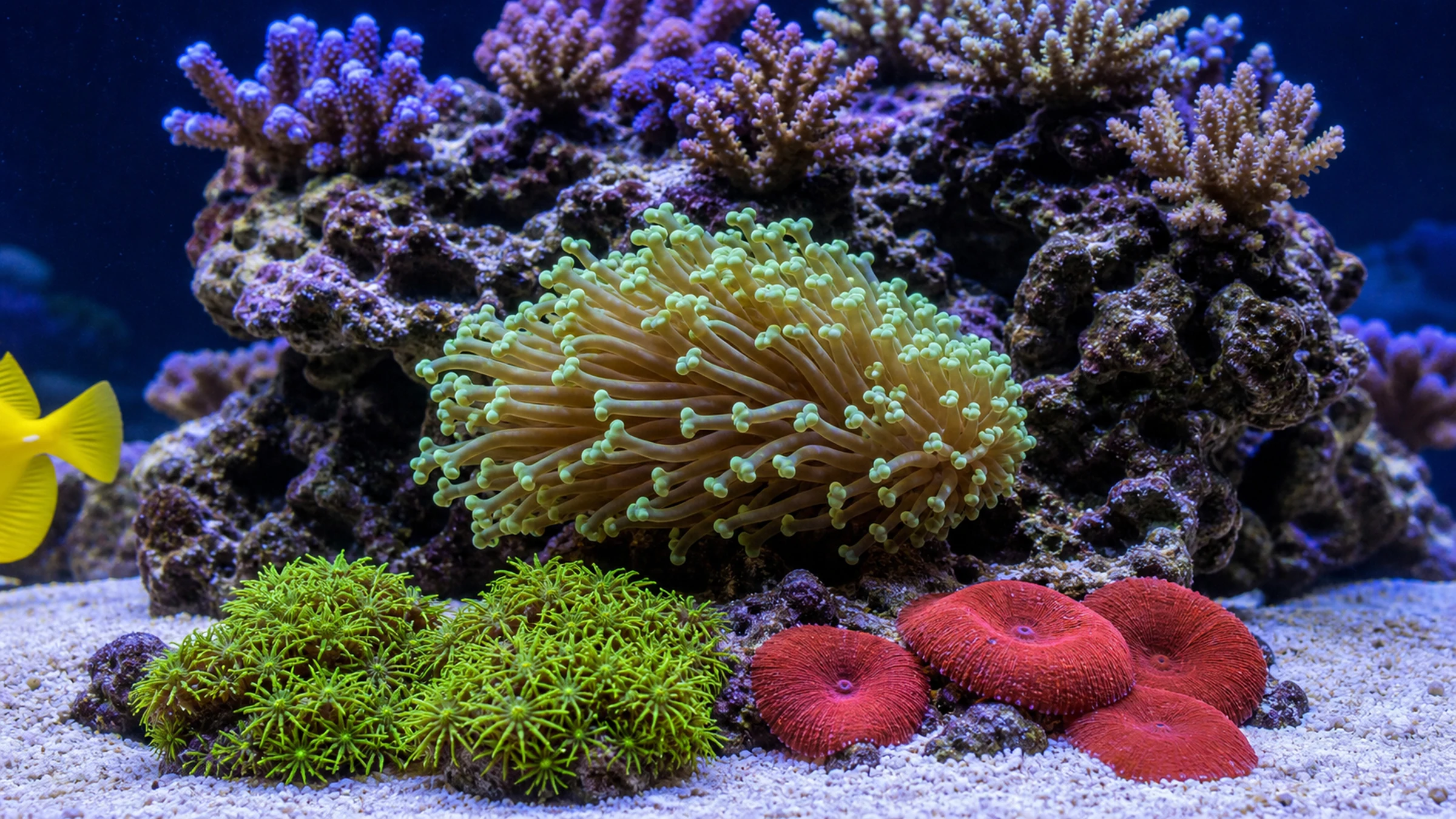
How to place corals by light and flow, PAR targets for softies, LPS, and SPS, dipping new corals for pests, and acclimating them without bleaching.
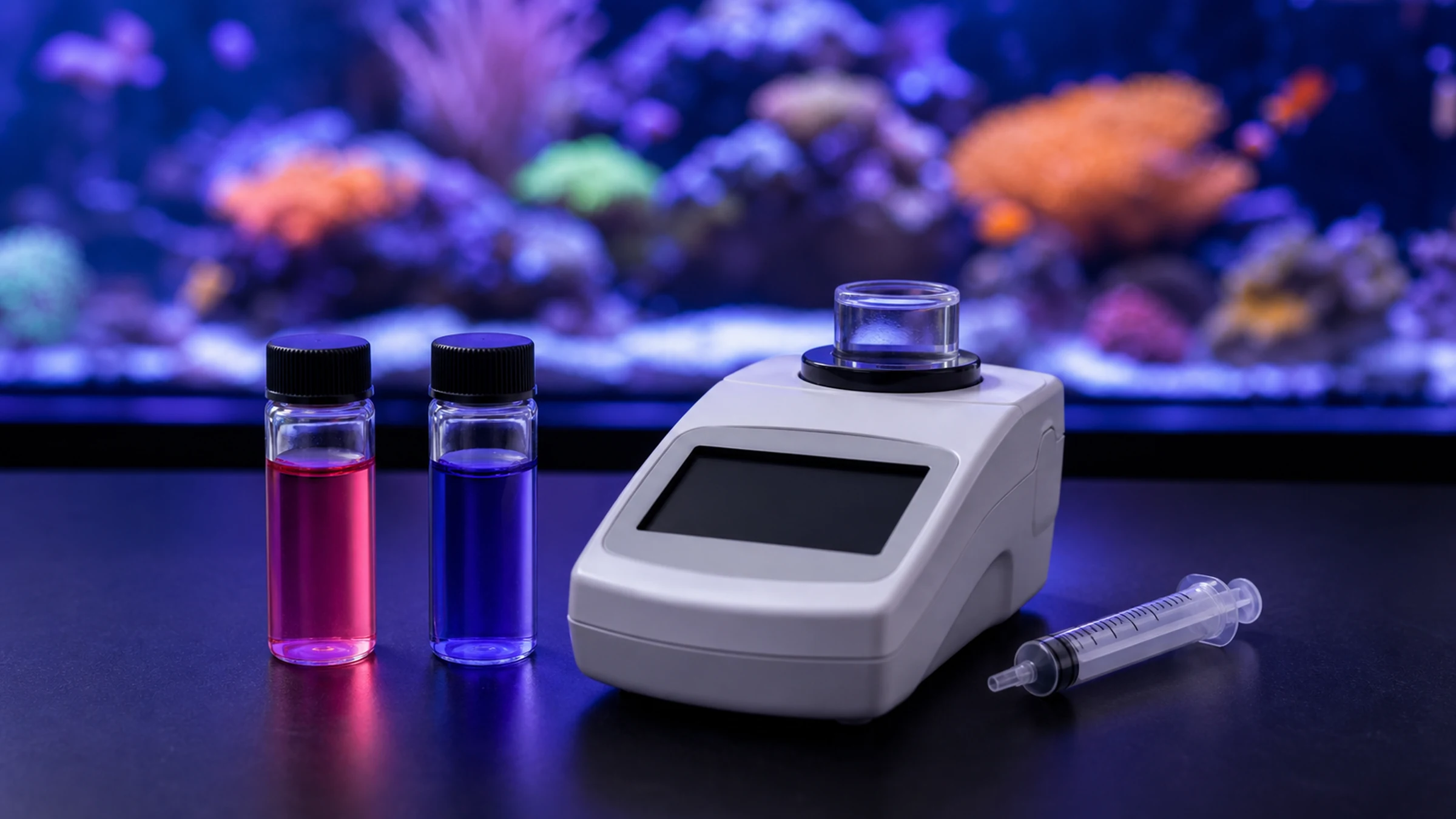
What every reef parameter means and where to keep it: salinity, temperature, pH, alkalinity, calcium, magnesium, nitrate, and phosphate.
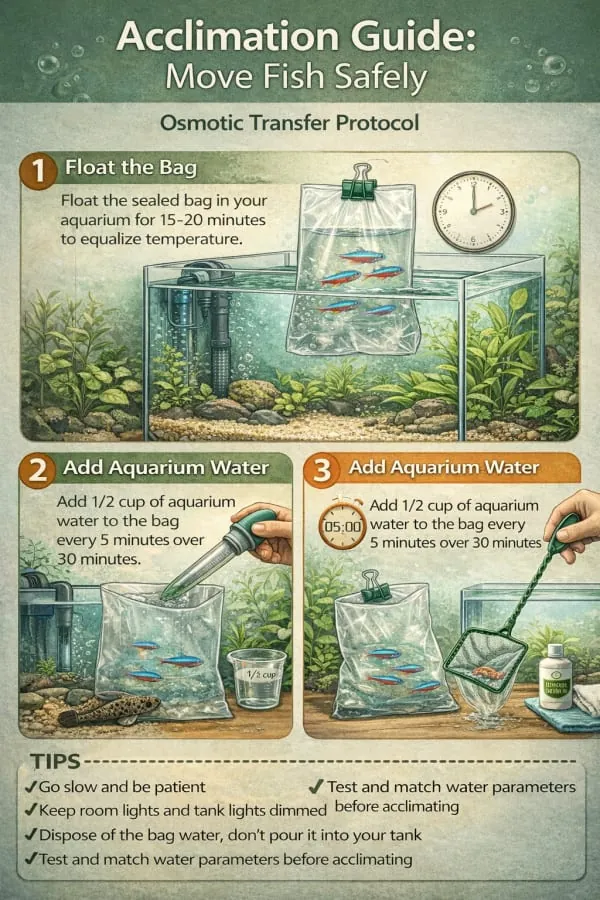
Acclimate new fish, shrimp, and coral safely: temperature floating, drip acclimation, plop-and-drop for shipped livestock, and the first 24 hours.
Keeping Acropora Austera?
AquaLens identifies your fish and plants from a photo, tracks water chemistry, and flags health issues early — free on iOS and Android.