White-seam Betta Care Guide
Betta albimarginata · Freshwater Fish
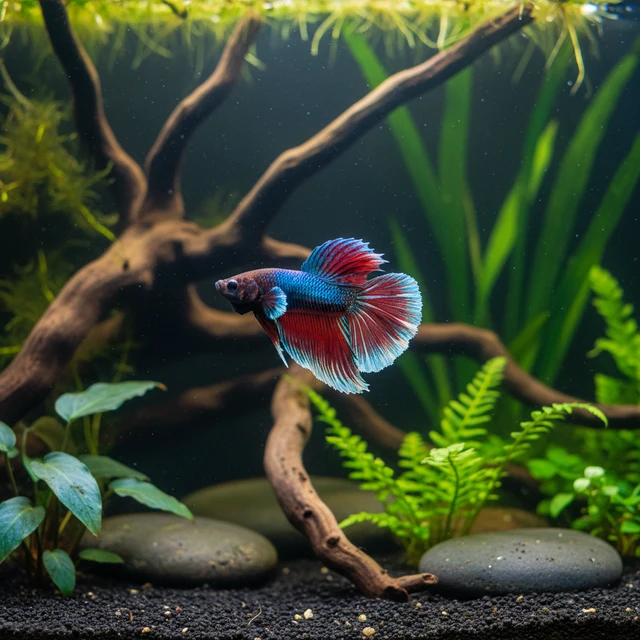
What White-seam Betta look like
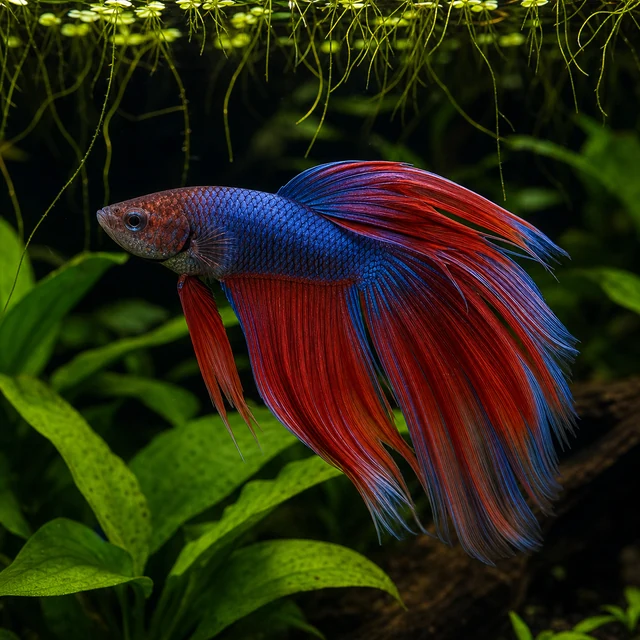
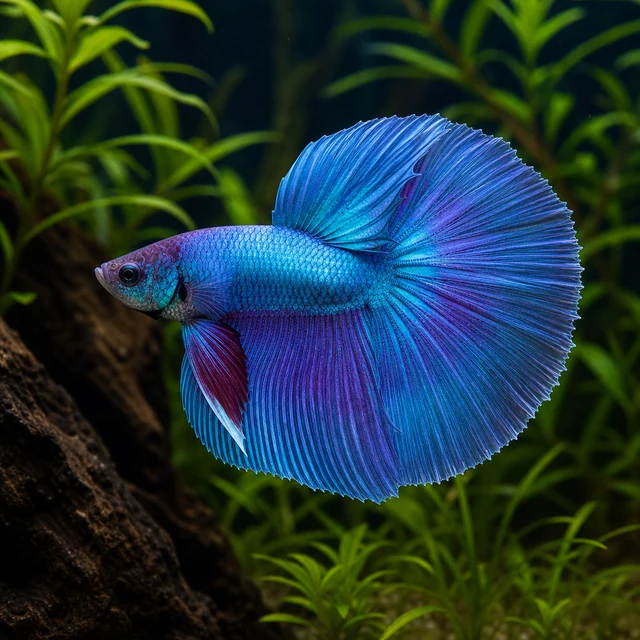
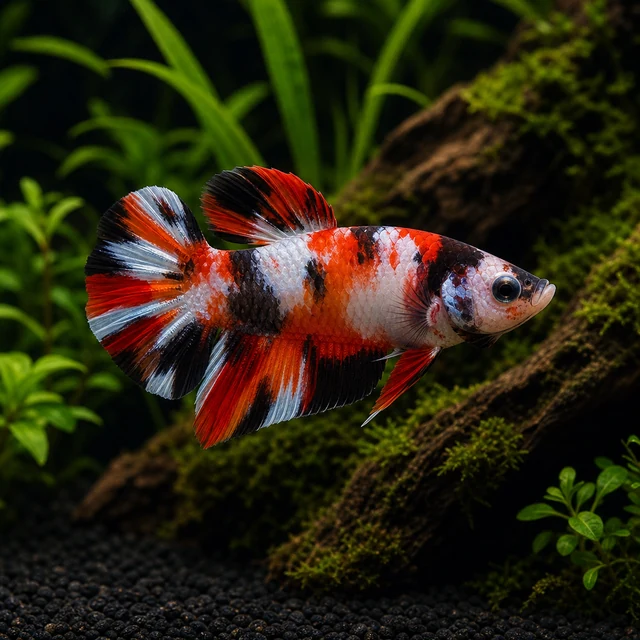
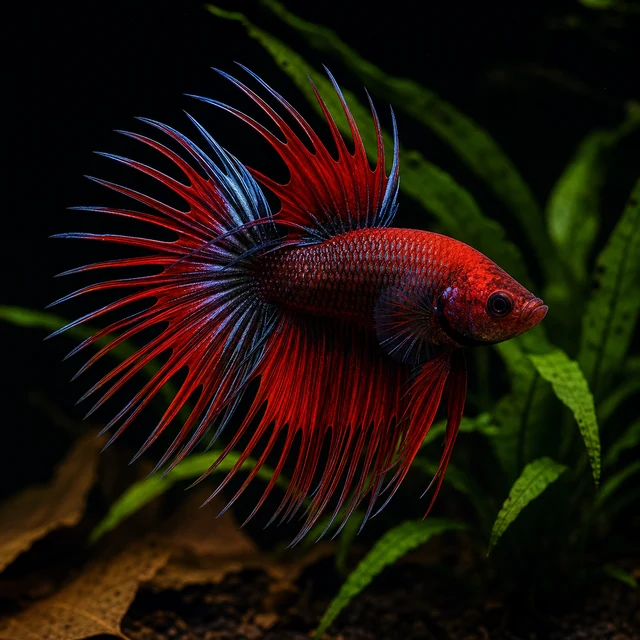
Betta albimarginata, commonly known as the White-seam Betta, exhibits a distinctive morphology characterized by its oval, blunt head and a robust, laterally compressed body that can reach a maximum adult size of approximately 5 inches (12.7 cm). The body coloration ranges from deep burnt-orange to brick-red, providing a striking contrast to its unique fin structure. Each fin is adorned with a thick, pure white margin, which is particularly pronounced on the outermost edges, enhancing its visual appeal. This species lacks significant sexual dimorphism, although males may display slightly more vibrant coloration and larger fins compared to females. Defensive adaptations include a well-developed labyrinth organ, allowing for aerial respiration, and a tendency to exhibit aggressive posturing when threatened. The presence of a lateral line system aids in detecting vibrations in the water, which is crucial for both predation and social interactions.
Behavior & temperament
The White-seam Betta is primarily a solitary species, often displaying territorial behavior, particularly in males. It typically occupies the mid to upper water column, favoring densely vegetated areas in its natural habitat. Breeding behavior is characterized by the male's construction of a bubble nest, with females being egg scatterers that lay eggs in the nest after a courtship display. The male then guards the nest and cares for the eggs until they hatch. This species exhibits a moderate level of aggression, especially during breeding or when defending territory, making it essential to provide ample space and hiding spots in captivity to mitigate conflicts.
Diet & feeding
In the wild, Betta albimarginata is a carnivorous species that primarily feeds on small invertebrates and zooplankton. In captivity, it requires a high-protein diet consisting of high-quality pellets, frozen or live foods such as brine shrimp and bloodworms to thrive.
Behind the name
Betta (from the Malay word 'ikan bettah', meaning 'warrior fish'); albimarginata (from Latin 'albus', meaning 'white' and 'marginatus', meaning 'bordered or edged').
Plan your tank
Check the numbers before you buy: tank volume, a stocking plan, cycle progress, water changes, and your ongoing care routine.
Keep reading
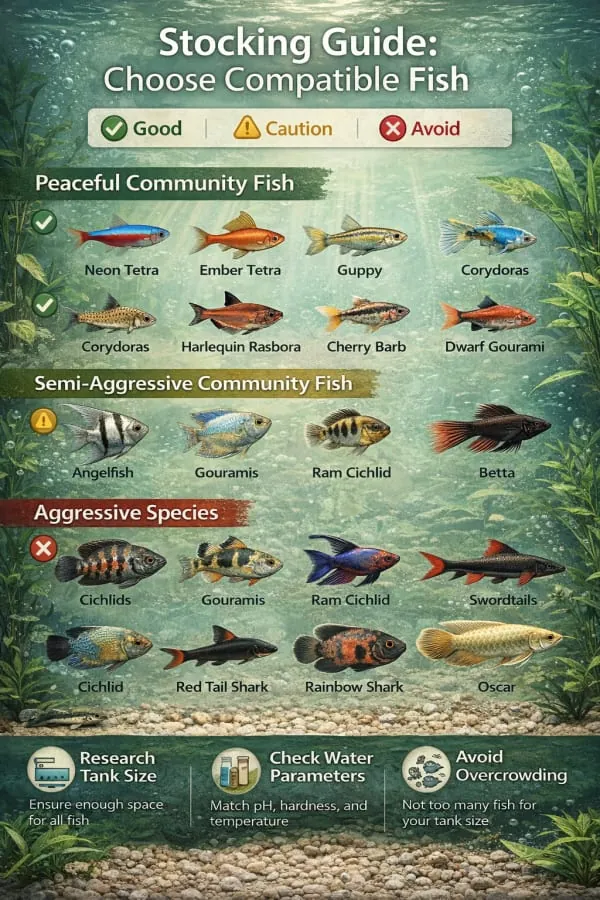
Choose compatible fish: school sizes, swimming zones, aggression, temperature and hardness matching, and honest bioload math for a peaceful community.
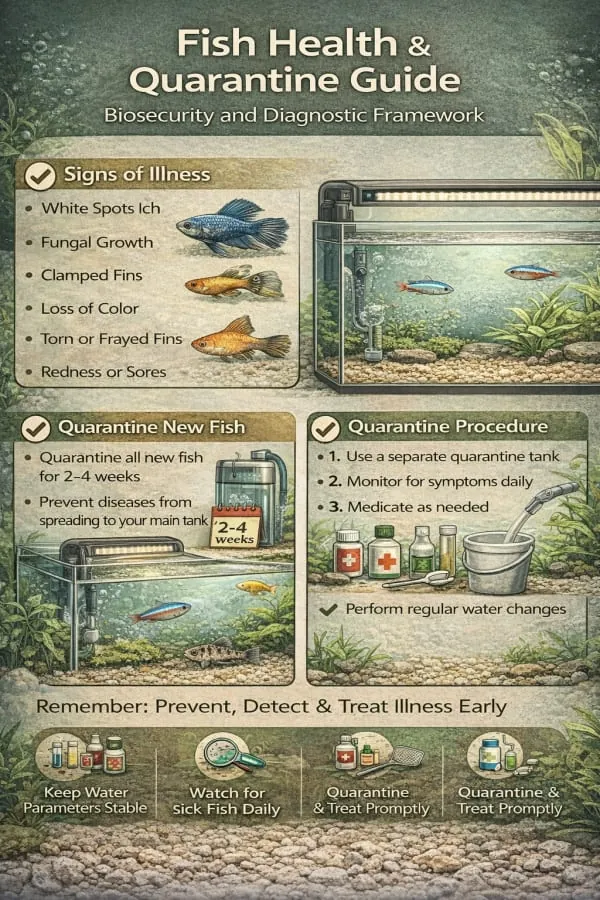
Quarantine new fish, spot the early warning signs, and treat disease without wrecking your tank. A practical freshwater fish health guide.
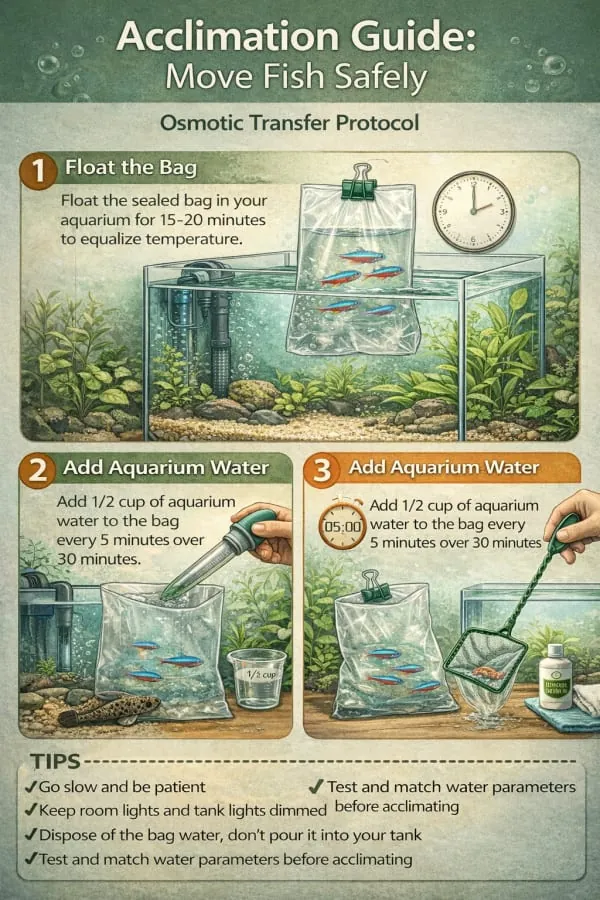
Acclimate new fish, shrimp, and coral safely: temperature floating, drip acclimation, plop-and-drop for shipped livestock, and the first 24 hours.
Keeping White-seam Betta?
AquaLens identifies your fish and plants from a photo, tracks water chemistry, and flags health issues early — free on iOS and Android.