Blind Cave Tetra Care Guide
Astyanax mexicanus · Freshwater Fish
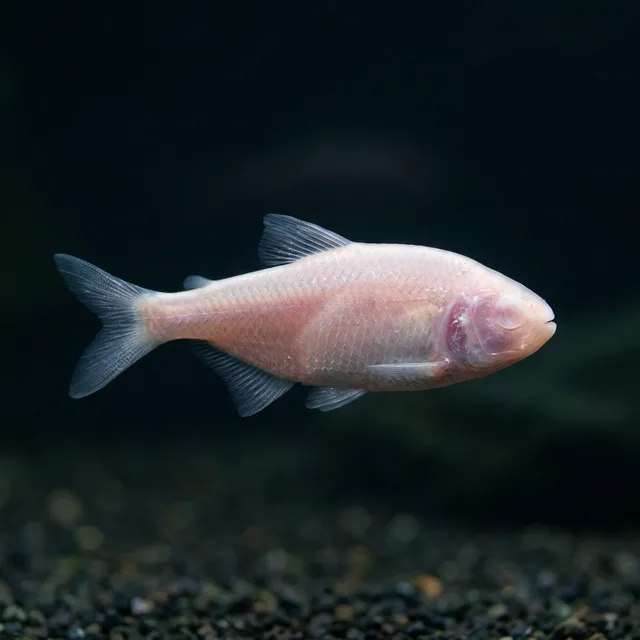
What Blind Cave Tetra look like
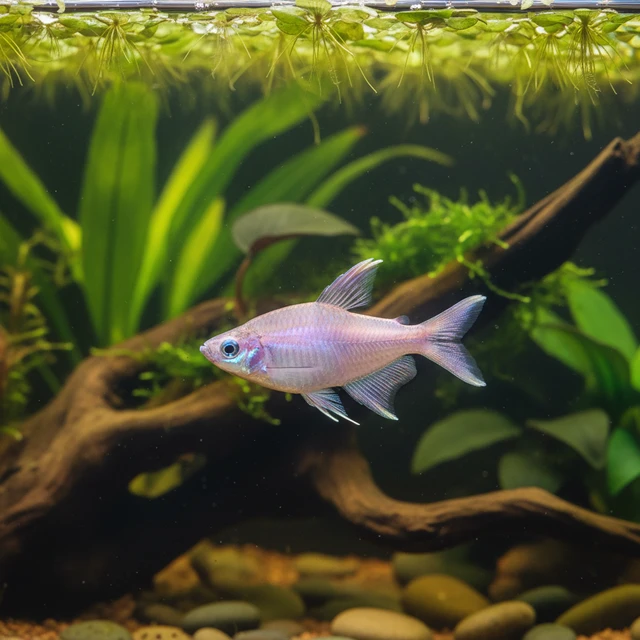
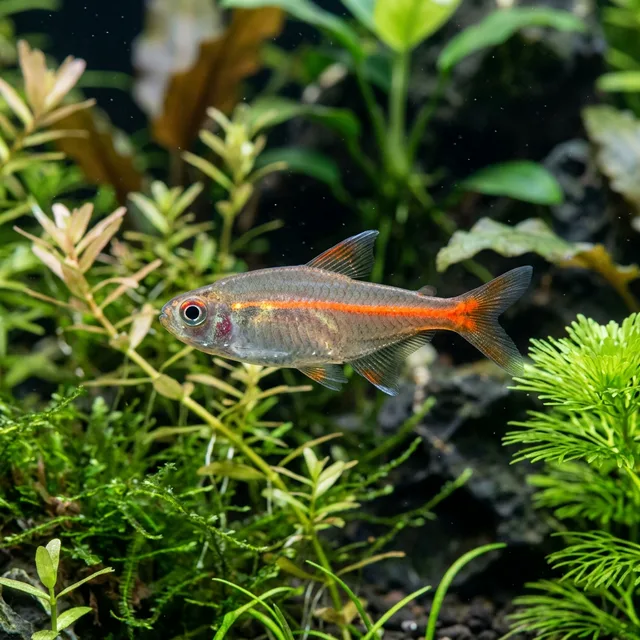
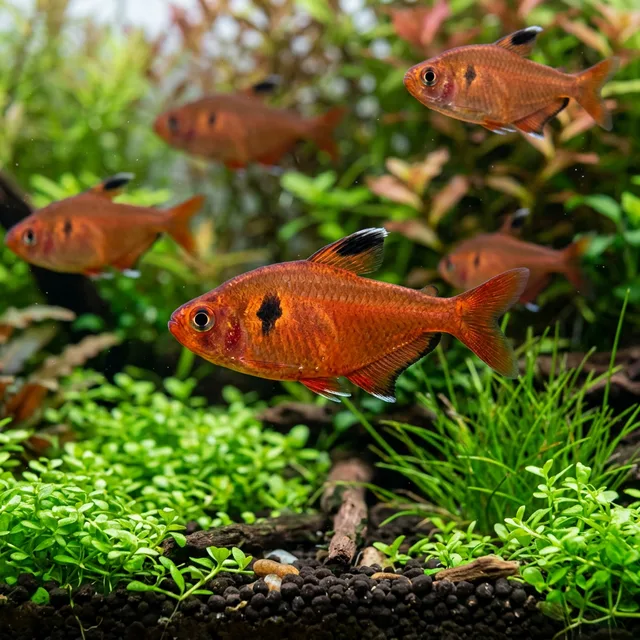
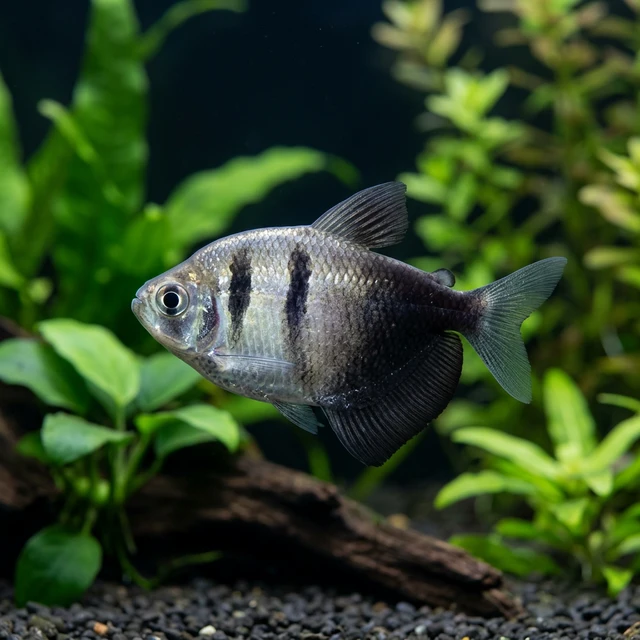
Astyanax mexicanus, commonly known as the Blind Cave Tetra, exhibits a unique morphology characterized by its lack of eyes, a result of adaptation to its dark cave habitats. The body is laterally compressed and ranges from 15 to 30 mm in maximum adult size, with a streamlined fusiform shape that aids in navigating through tight spaces in its subterranean environment. The skin is pale pink to white, devoid of pigmentation, which is a common trait among cave-dwelling species. Sexual dimorphism is subtle; males tend to be slightly smaller and more slender than females, particularly during breeding periods when females exhibit a more pronounced abdominal bulge due to egg retention. The species possesses a well-developed lateral line system, which is crucial for detecting vibrations in the water, compensating for its lack of vision. The dorsal fin is moderately sized and positioned towards the rear of the body, while the anal fin is elongated, contributing to its agile swimming capabilities. Additionally, the absence of eyes is complemented by a smooth, unmarked skin texture, enhancing its ability to navigate through rocky substrates without obstruction.
Behavior & temperament
The Blind Cave Tetra is primarily a social fish, often found in small, loose groups within its natural habitat, although it can also exhibit solitary behavior. It inhabits the benthic and mid-water zones of cave systems, where it utilizes its heightened lateral line sensitivity to navigate and locate food. Breeding behavior involves egg scattering, with females releasing eggs in sheltered areas, while males fertilize them externally. The species displays a generally peaceful temperament, although it can become territorial during breeding periods. In captivity, they thrive in community tanks but should be kept with similarly sized, non-aggressive species to minimize stress and aggression.
Diet & feeding
In the wild, the Blind Cave Tetra is an omnivore, feeding on a varied diet that includes small invertebrates, detritus, and organic matter found in its cave environment. In captivity, it requires a balanced diet of high-quality flake food, supplemented with live or frozen foods such as brine shrimp and daphnia to ensure optimal health and coloration.
Behind the name
Astyanax (from Greek, meaning 'to stand firm'); mexicanus (from Latin, indicating its origin from Mexico).
Plan your tank
Check the numbers before you buy: tank volume, a stocking plan, cycle progress, water changes, and your ongoing care routine.
Keep reading

Choose compatible fish: school sizes, swimming zones, aggression, temperature and hardness matching, and honest bioload math for a peaceful community.
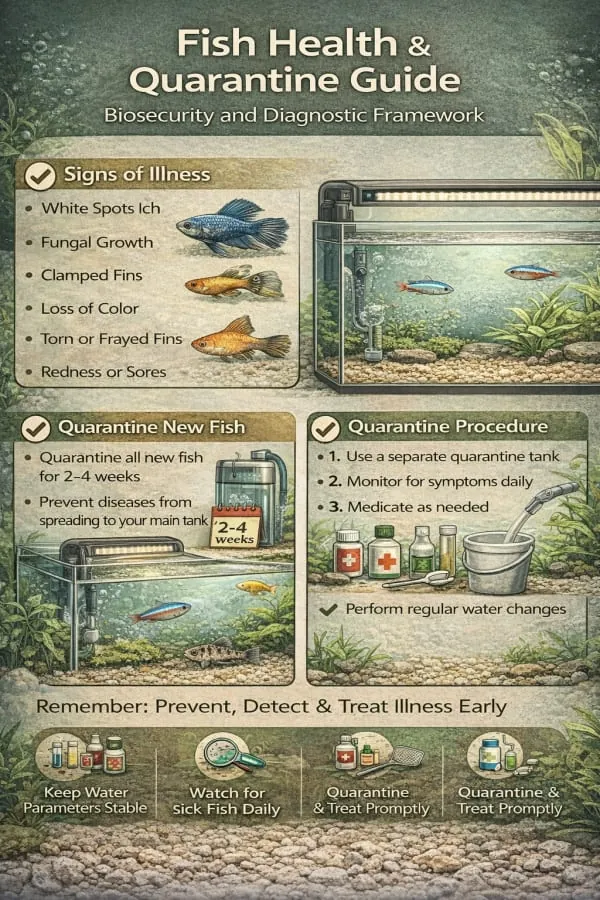
Quarantine new fish, spot the early warning signs, and treat disease without wrecking your tank. A practical freshwater fish health guide.
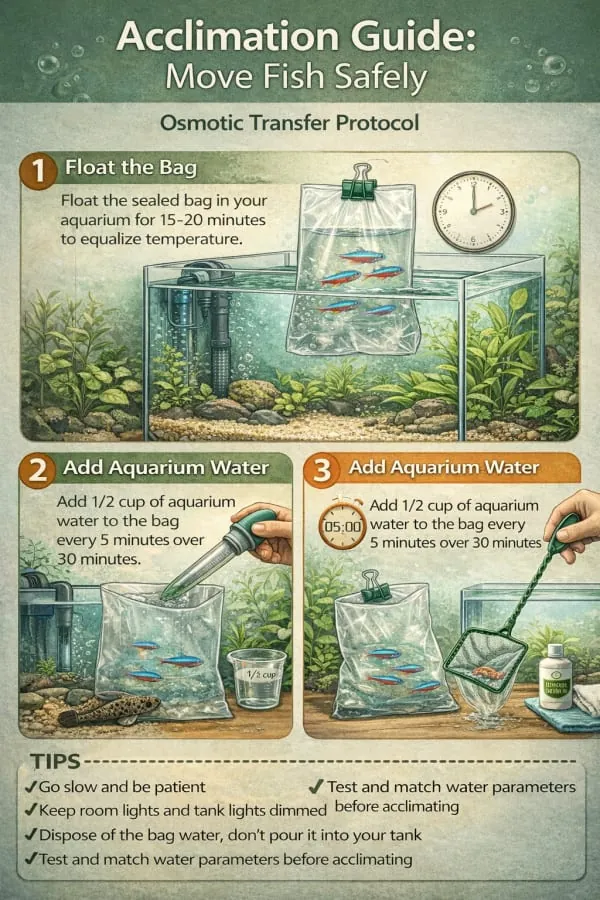
Acclimate new fish, shrimp, and coral safely: temperature floating, drip acclimation, plop-and-drop for shipped livestock, and the first 24 hours.
Keeping Blind Cave Tetra?
AquaLens identifies your fish and plants from a photo, tracks water chemistry, and flags health issues early — free on iOS and Android.