Cabbage Leather Coral Care Guide
Sinularia dura · Saltwater Soft Coral
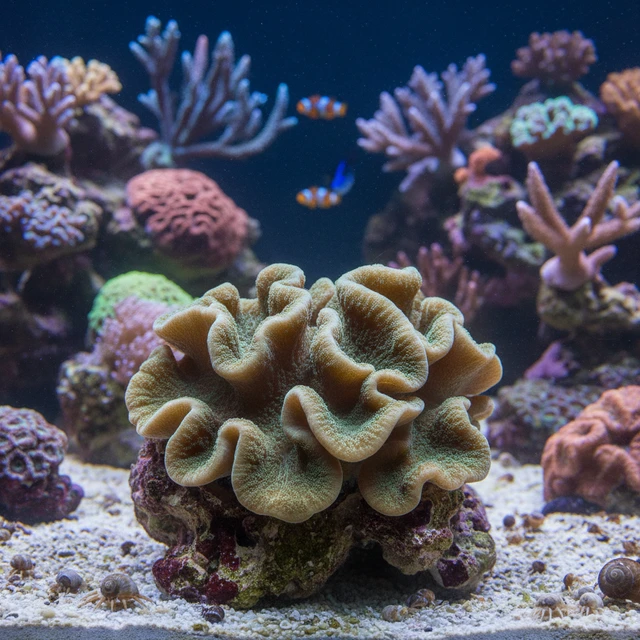
What Cabbage Leather Coral look like
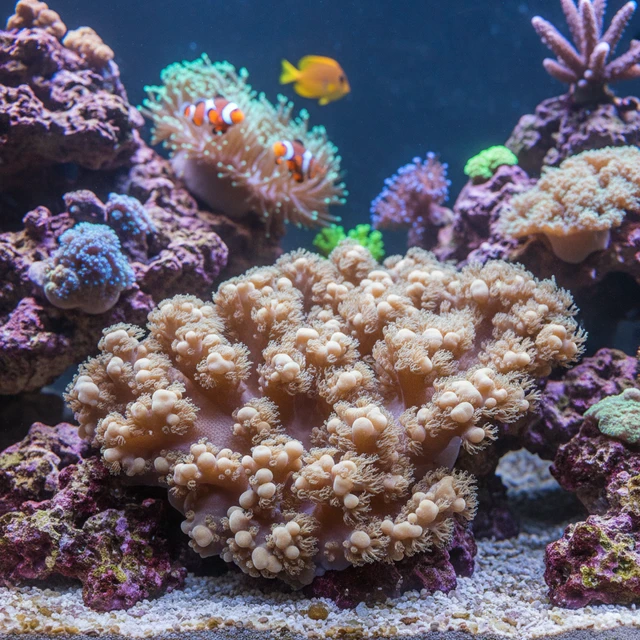
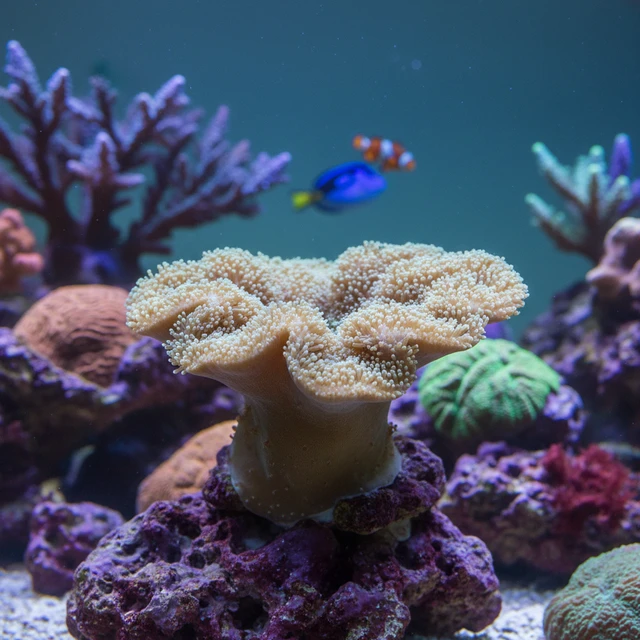
Sinularia dura, commonly known as Cabbage Leather Coral, exhibits a distinctive morphology characterized by its broad, lobed polyps that can reach up to 30 cm in height and 20 cm in diameter. The coral's surface is smooth and leathery, with a coloration that ranges from pale yellow to greenish-brown, often with a glossy sheen. Its polyps are retractable and can extend to several centimeters, displaying a unique arrangement that resembles cabbage leaves, hence the common name. The coral lacks a hard skeleton, relying instead on a flexible, soft body that allows for movement in response to water flow. Sinularia dura possesses a well-developed system of sclerites, which are small calcareous structures embedded within the tissue, providing some structural support and defense against predation. Sexual dimorphism is not pronounced in this species, although variations in polyp size and morphology can occur based on environmental conditions.
Behavior & temperament
Cabbage Leather Coral exhibits a relatively passive behavior, primarily relying on its ability to extend its polyps for feeding and to capture planktonic organisms. It typically engages in a symbiotic relationship with zooxanthellae, utilizing photosynthesis to supplement its nutritional intake. The coral can exhibit slow movement, swaying gently with water currents, and can retract its polyps when disturbed. While it is not aggressive, it can engage in allelopathic interactions with neighboring corals, releasing chemical compounds to inhibit the growth of competitors. Sinularia dura is known to thrive in various light conditions, adjusting its polyp extension patterns accordingly to maximize light absorption.
Diet & feeding
Sinularia dura is primarily a photosynthetic coral that derives energy from symbiotic zooxanthellae, supplemented by capturing zooplankton and organic particles from the water column. In captivity, it requires a diet that includes phytoplankton and other small particulate foods to ensure optimal health and growth.
Behind the name
The scientific name 'Sinularia' is derived from the Latin 'sinus', meaning 'bay' or 'fold', referring to the lobed structure of the coral, while 'dura' translates to 'hard' or 'tough', indicating the coral's resilient nature.
Plan your tank
Check the numbers before you buy: tank volume, salinity, salt mix, water changes, and your ongoing care routine. Keeping reef? Start from the Saltwater & Reef hub.
Keep reading
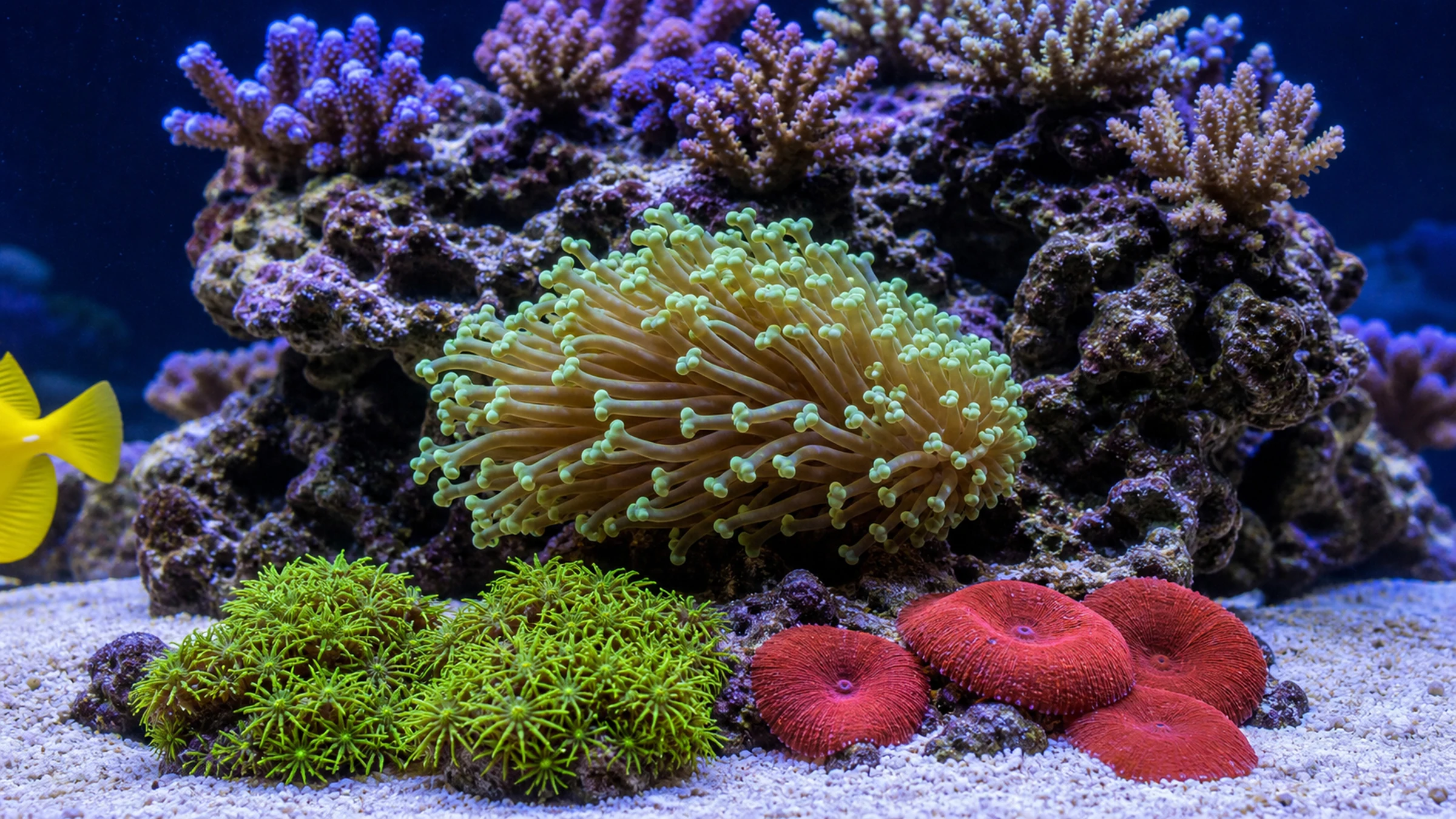
How to place corals by light and flow, PAR targets for softies, LPS, and SPS, dipping new corals for pests, and acclimating them without bleaching.

What every reef parameter means and where to keep it: salinity, temperature, pH, alkalinity, calcium, magnesium, nitrate, and phosphate.
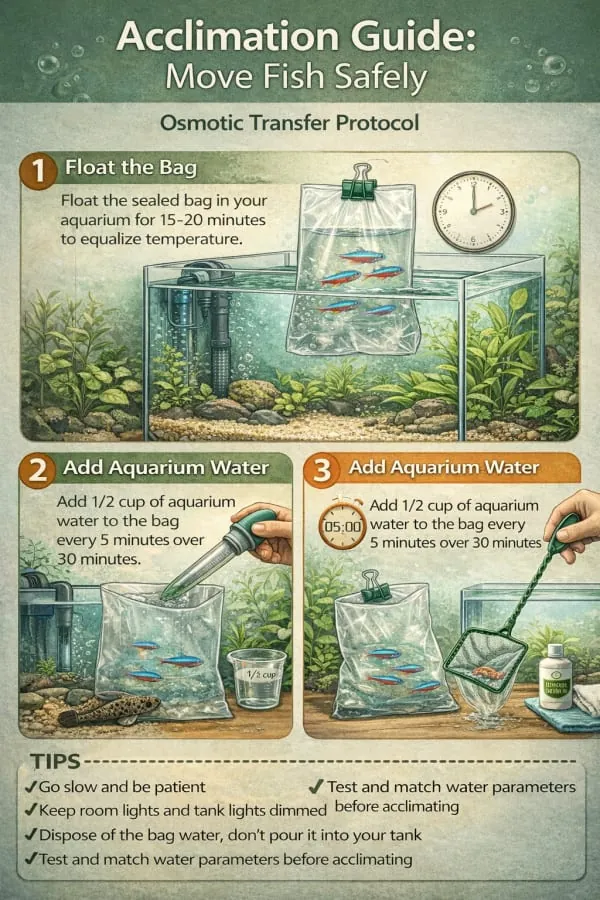
Acclimate new fish, shrimp, and coral safely: temperature floating, drip acclimation, plop-and-drop for shipped livestock, and the first 24 hours.
Keeping Cabbage Leather Coral?
AquaLens identifies your fish and plants from a photo, tracks water chemistry, and flags health issues early — free on iOS and Android.