Colt Coral Care Guide
Alcyonium digitatum · Saltwater Soft Coral
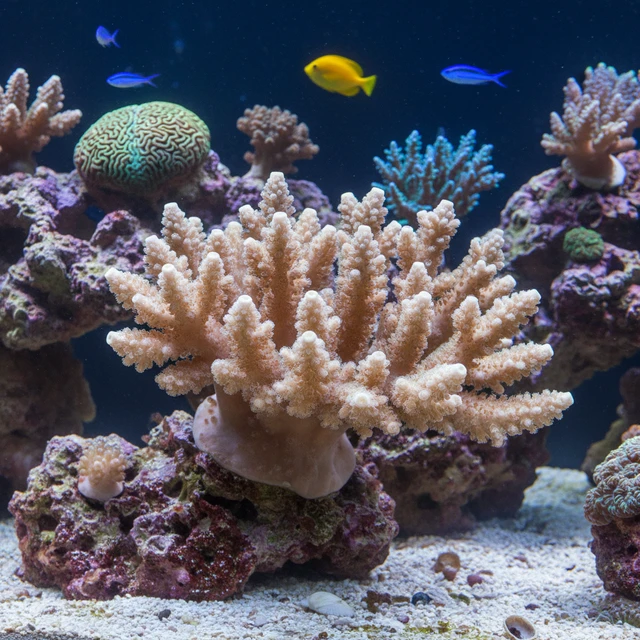
What Colt Coral look like
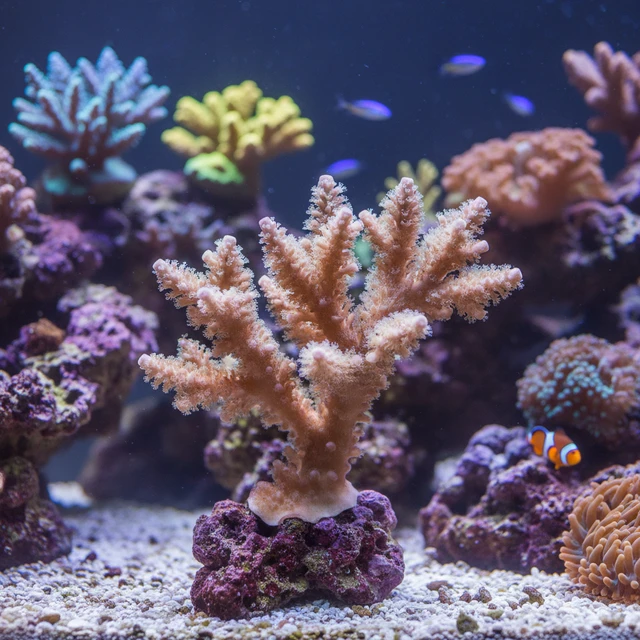
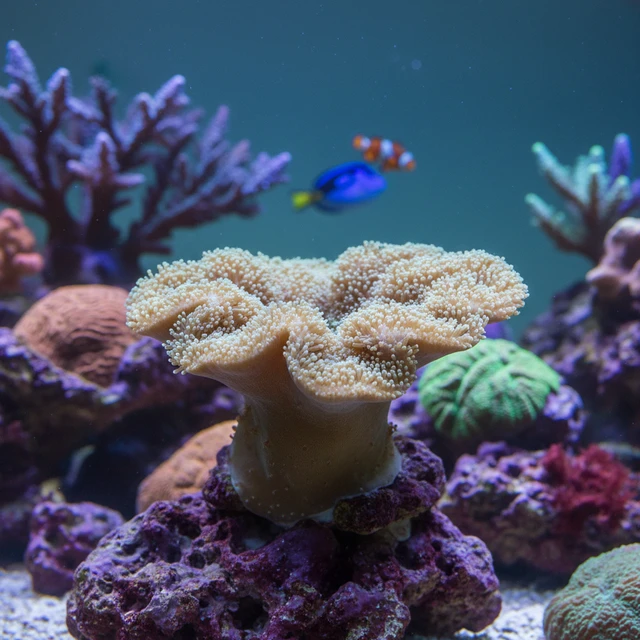
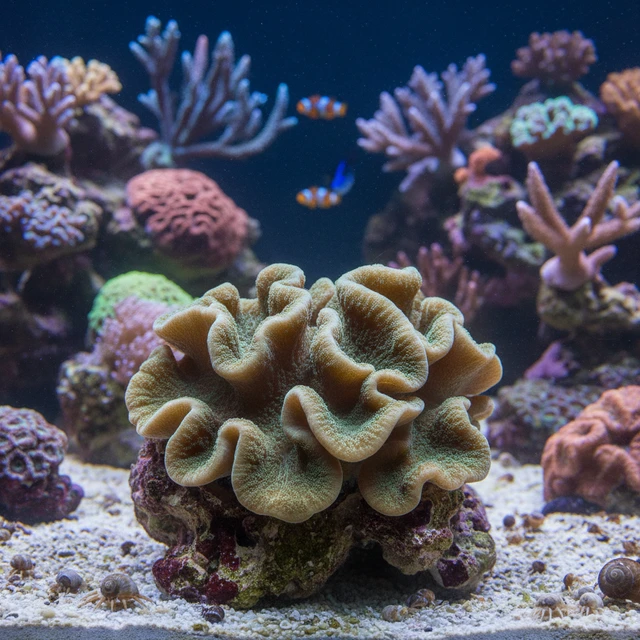
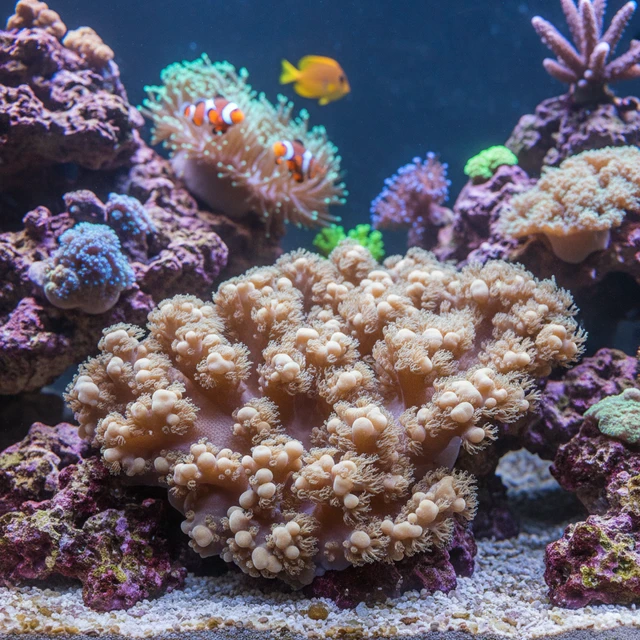
Alcyonium digitatum, commonly known as Colt Coral, exhibits a distinctive morphology characterized by its finger-like projections or polyps that can extend up to 10 cm in height. The colony can reach a maximum diameter of approximately 30 cm, forming a bushy appearance. The polyps are typically cylindrical and can be retracted into the main body, which is soft and gelatinous, giving the coral a flexible structure. The coloration varies from pale pink to bright orange, often with a translucent quality that allows light to penetrate. This species lacks a hard skeleton, which is typical of soft corals, and possesses a unique ability to sway with water currents due to its flexible nature. Defensive adaptations include the presence of nematocysts within the polyps, which can deliver a mild sting to deter potential predators.
Behavior & temperament
Colt Coral is primarily a sessile organism, exhibiting a behavior of extending its polyps during the day to maximize feeding opportunities and photosynthesis. It engages in a symbiotic relationship with zooxanthellae, which reside within its tissues, providing essential nutrients through photosynthesis. The coral shows minimal movement, relying on water flow for nutrient uptake and waste removal. While generally peaceful, it can exhibit competition with neighboring corals for space and light, utilizing its nematocysts to deter encroachment. Polyp extension is most pronounced during the day, with retraction occurring at night.
Diet & feeding
Alcyonium digitatum is a filter feeder that primarily consumes plankton and organic particles suspended in the water column. In captivity, it thrives on a diet of finely crushed marine foods, phytoplankton, and other small particulate matter.
Behind the name
The genus name 'Alcyonium' is derived from the Greek word 'alkyon', referring to a mythical bird believed to calm the sea, while the species name 'digitatum' translates to 'finger-like', describing the coral's polyp structure.
Plan your tank
Check the numbers before you buy: tank volume, salinity, salt mix, water changes, and your ongoing care routine. Keeping reef? Start from the Saltwater & Reef hub.
Keep reading
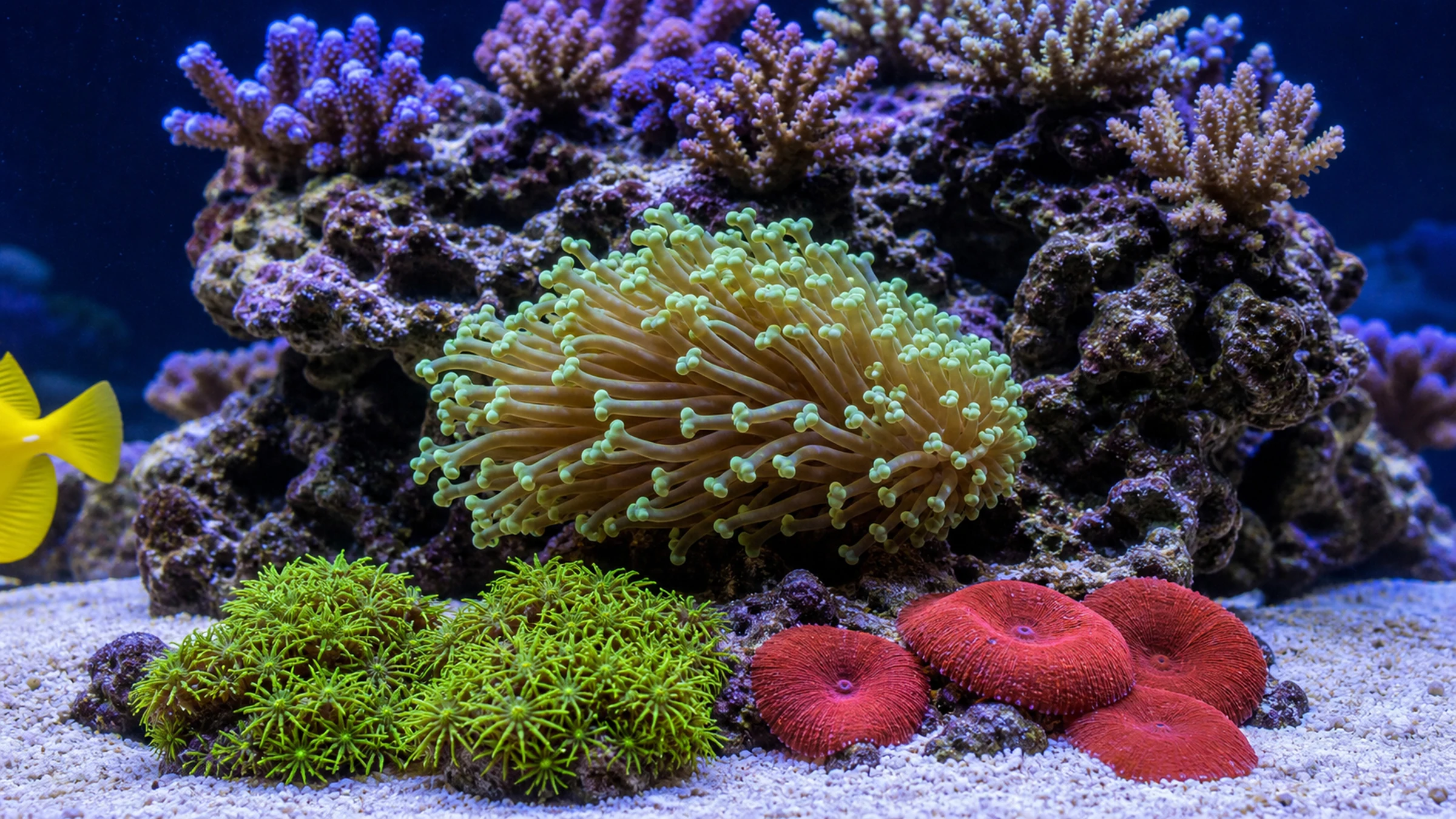
How to place corals by light and flow, PAR targets for softies, LPS, and SPS, dipping new corals for pests, and acclimating them without bleaching.
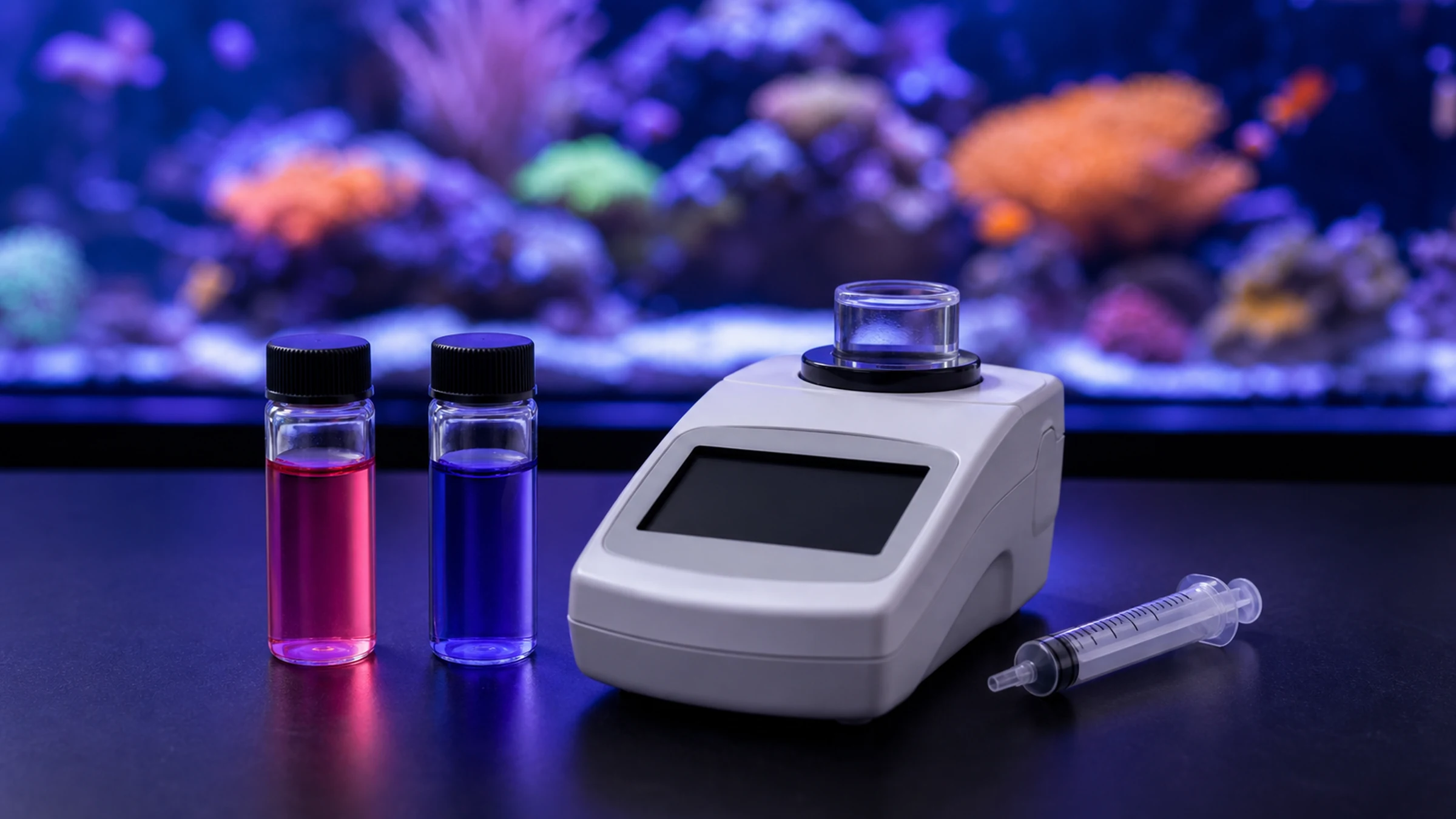
What every reef parameter means and where to keep it: salinity, temperature, pH, alkalinity, calcium, magnesium, nitrate, and phosphate.
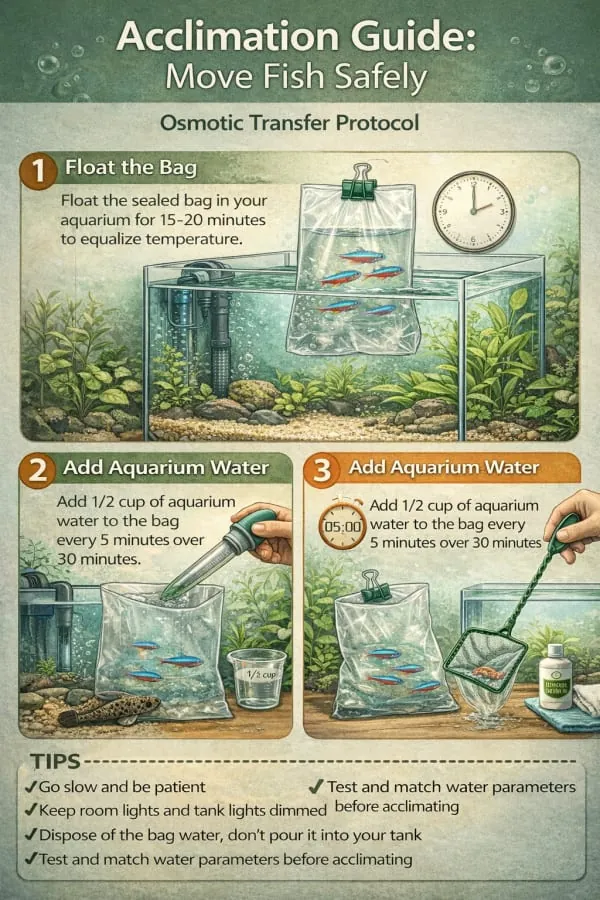
Acclimate new fish, shrimp, and coral safely: temperature floating, drip acclimation, plop-and-drop for shipped livestock, and the first 24 hours.
Keeping Colt Coral?
AquaLens identifies your fish and plants from a photo, tracks water chemistry, and flags health issues early — free on iOS and Android.