Black Calvus Care Guide
Altolamprologus calvus · Freshwater Fish
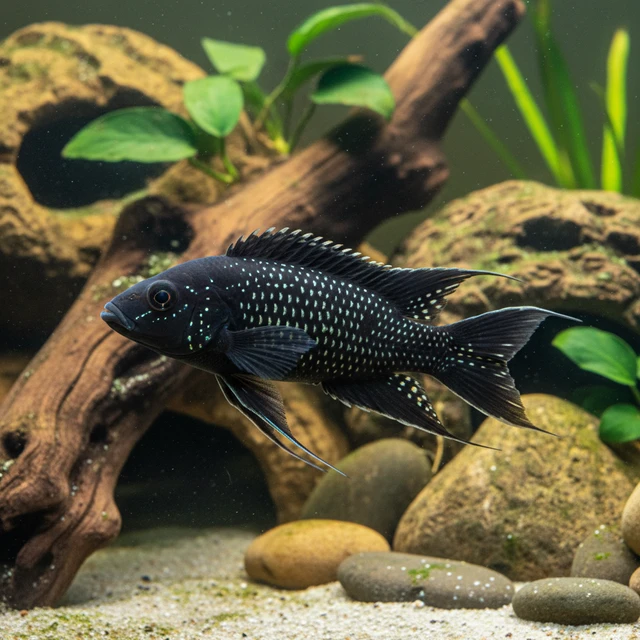
What Black Calvus look like
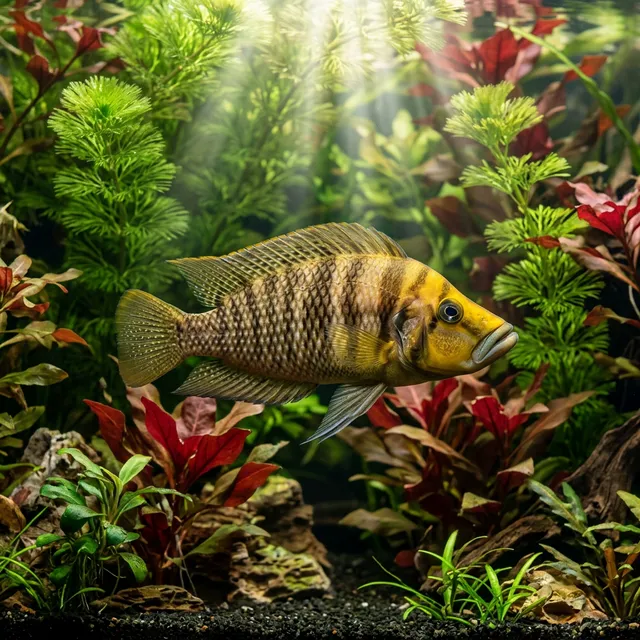
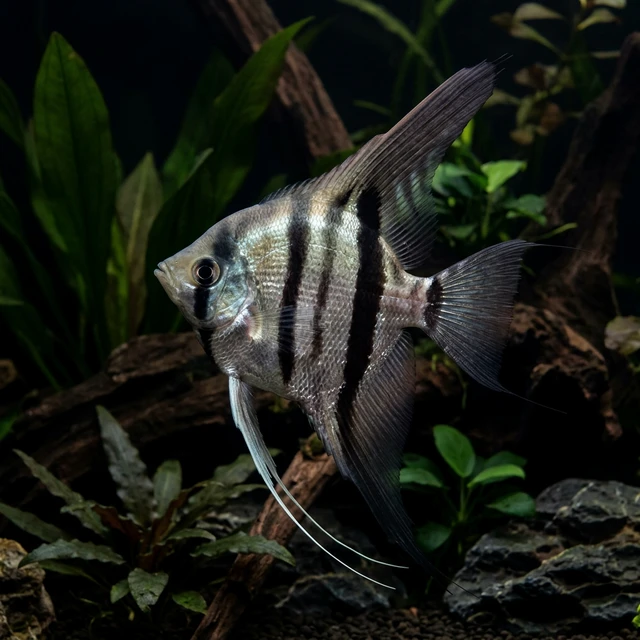
The Black Calvus (Altolamprologus calvus) exhibits an extremely laterally compressed, diamond-shaped body that mimics the appearance of a leaf, a unique adaptation for its rock crevice habitat in Lake Tanganyika. This species can reach a maximum adult size of approximately 12-25 cm. Sexual dimorphism is subtle, with males generally being larger and possessing more pronounced forehead slopes compared to females. Defensive adaptations include a dark jet-black coloration, which provides effective camouflage among the rocky substrates, and a series of bright silver vertical dot-lines that may serve as a form of disruptive coloration. The species features a distinctively steeply sloped forehead and a well-developed dorsal fin that extends along the back, enhancing its hydrodynamics while navigating through its environment. The dentition is adapted for a carnivorous diet, with sharp teeth designed for grasping and holding onto prey.
Behavior & temperament
Black Calvus are primarily solitary or found in small groups, exhibiting a territorial nature, particularly during breeding. They inhabit the rocky substrates of Lake Tanganyika, dwelling in crevices and caves, which they fiercely defend from intruders. Their breeding behavior is characterized as ovophilic, where females scatter eggs in secure locations, often within their chosen crevices. The species displays a moderate level of aggression, particularly males during the breeding season, and may exhibit territorial displays to assert dominance over their habitat.
Diet & feeding
In the wild, Black Calvus are carnivorous, preying on small invertebrates and fish fry. In captivity, they require a high-protein diet consisting of high-quality pellets, frozen or live foods such as brine shrimp and bloodworms to maintain optimal health.
Behind the name
Altolamprologus (from Latin 'alto' meaning high and 'lamprologus' meaning shiny; referring to the genus' bright coloration) and 'calvus' (Latin for bald, referring to the lack of scales on the head).
Plan your tank
Check the numbers before you buy: tank volume, a stocking plan, cycle progress, water changes, and your ongoing care routine.
Keep reading

Choose compatible fish: school sizes, swimming zones, aggression, temperature and hardness matching, and honest bioload math for a peaceful community.
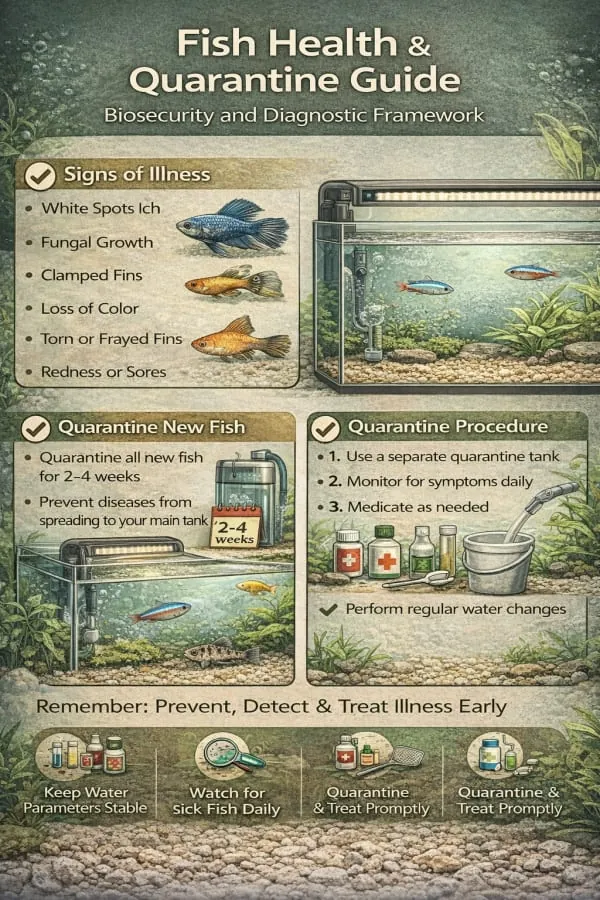
Quarantine new fish, spot the early warning signs, and treat disease without wrecking your tank. A practical freshwater fish health guide.
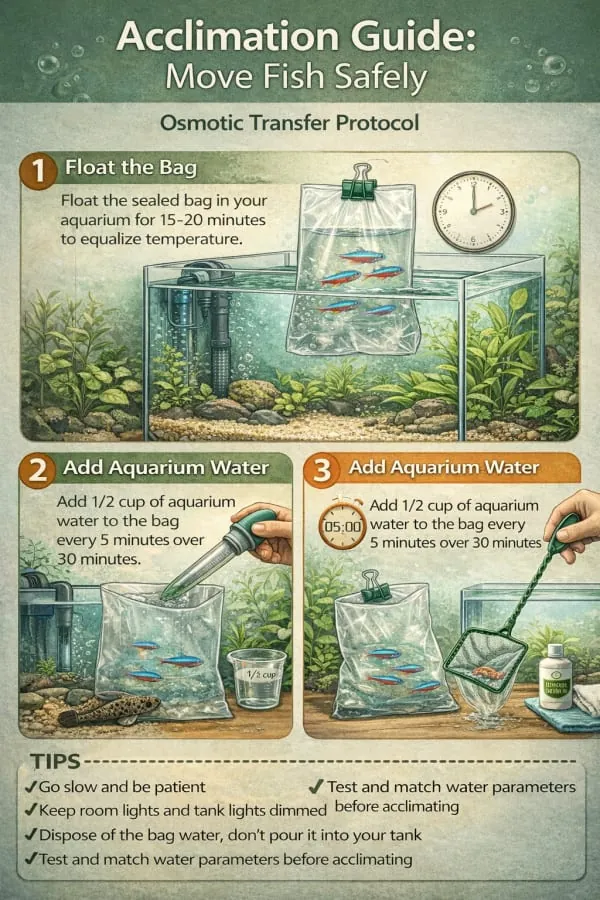
Acclimate new fish, shrimp, and coral safely: temperature floating, drip acclimation, plop-and-drop for shipped livestock, and the first 24 hours.
Keeping Black Calvus?
AquaLens identifies your fish and plants from a photo, tracks water chemistry, and flags health issues early — free on iOS and Android.