Carnation Coral Care Guide
Dendronephthya klunzingeri · Saltwater Soft Coral
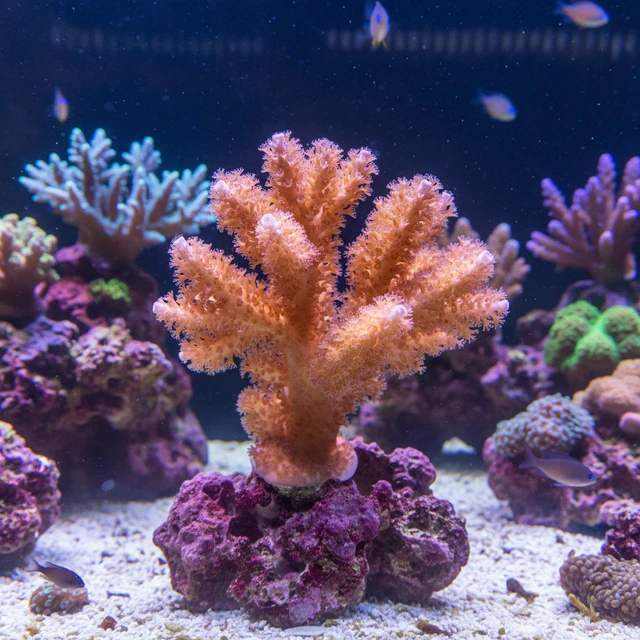
What Carnation Coral look like
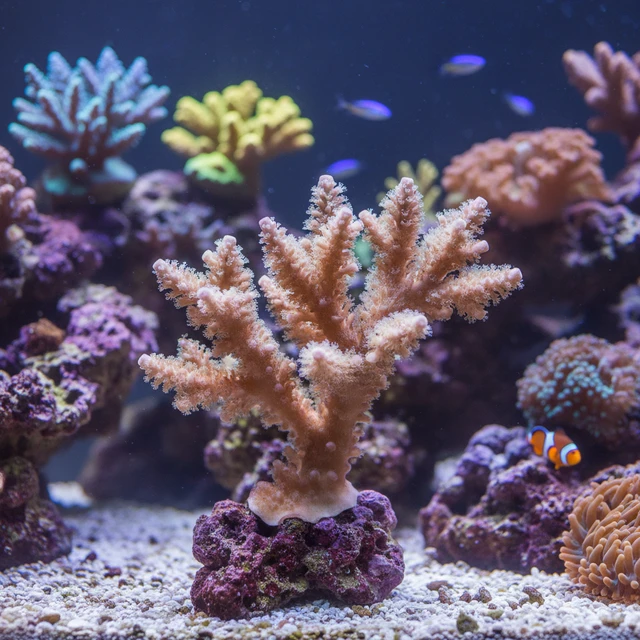
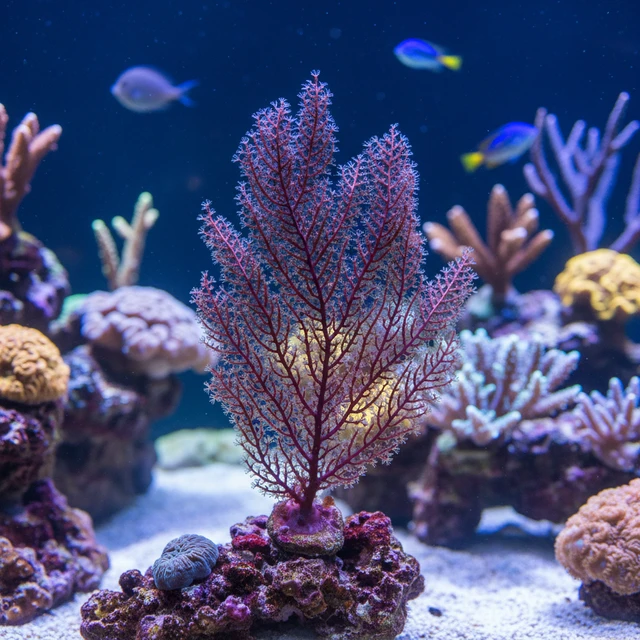
Dendronephthya klunzingeri, commonly known as Carnation Coral, exhibits a bushy and branching morphology characterized by its vibrant coloration, which can range from deep pink to bright orange. This soft coral can reach a maximum height of approximately 30 centimeters (12 inches) under optimal conditions. Unlike many hard corals, D. klunzingeri lacks a rigid calcium carbonate skeleton, instead possessing a flexible structure supported by a network of sclerites. Sexual dimorphism is not pronounced in this species; however, polyps can exhibit varying sizes and densities across colonies. The polyps are equipped with numerous tentacles that are adorned with nematocysts, providing a means of defense against predators while also facilitating feeding. The coral's unique branching structure enhances its surface area for both feeding and light absorption, making it an important component of the reef ecosystem.
Behavior & temperament
Dendronephthya klunzingeri is primarily a sessile organism that relies on water flow for feeding and nutrient uptake. It extends its polyps during the day to capture plankton and organic particles from the water column, exhibiting a feeding behavior that is highly dependent on current strength. This species does not exhibit aggressive territorial behavior but can engage in competition for space with other sessile invertebrates. Its symbiotic relationships are primarily with zooplankton, which it captures using its stinging tentacles. While it does not have a significant stinging potential compared to other corals, it can deter small herbivores through its nematocysts. Movement is minimal, as it is anchored to the substrate, but it can retract its polyps in response to disturbances.
Diet & feeding
Dendronephthya klunzingeri is a filter feeder that primarily consumes zooplankton and phytoplankton. In captivity, it requires a diet supplemented with finely powdered foods, such as marine snow and other particulate matter, to thrive.
Behind the name
The genus name 'Dendronephthya' is derived from the Greek words 'dendron' meaning 'tree' and 'nephthys' meaning 'the goddess of the night', referring to its branching form. The species name 'klunzingeri' honors the German zoologist Carl Klunzinger.
Plan your tank
Check the numbers before you buy: tank volume, salinity, salt mix, water changes, and your ongoing care routine. Keeping reef? Start from the Saltwater & Reef hub.
Keep reading
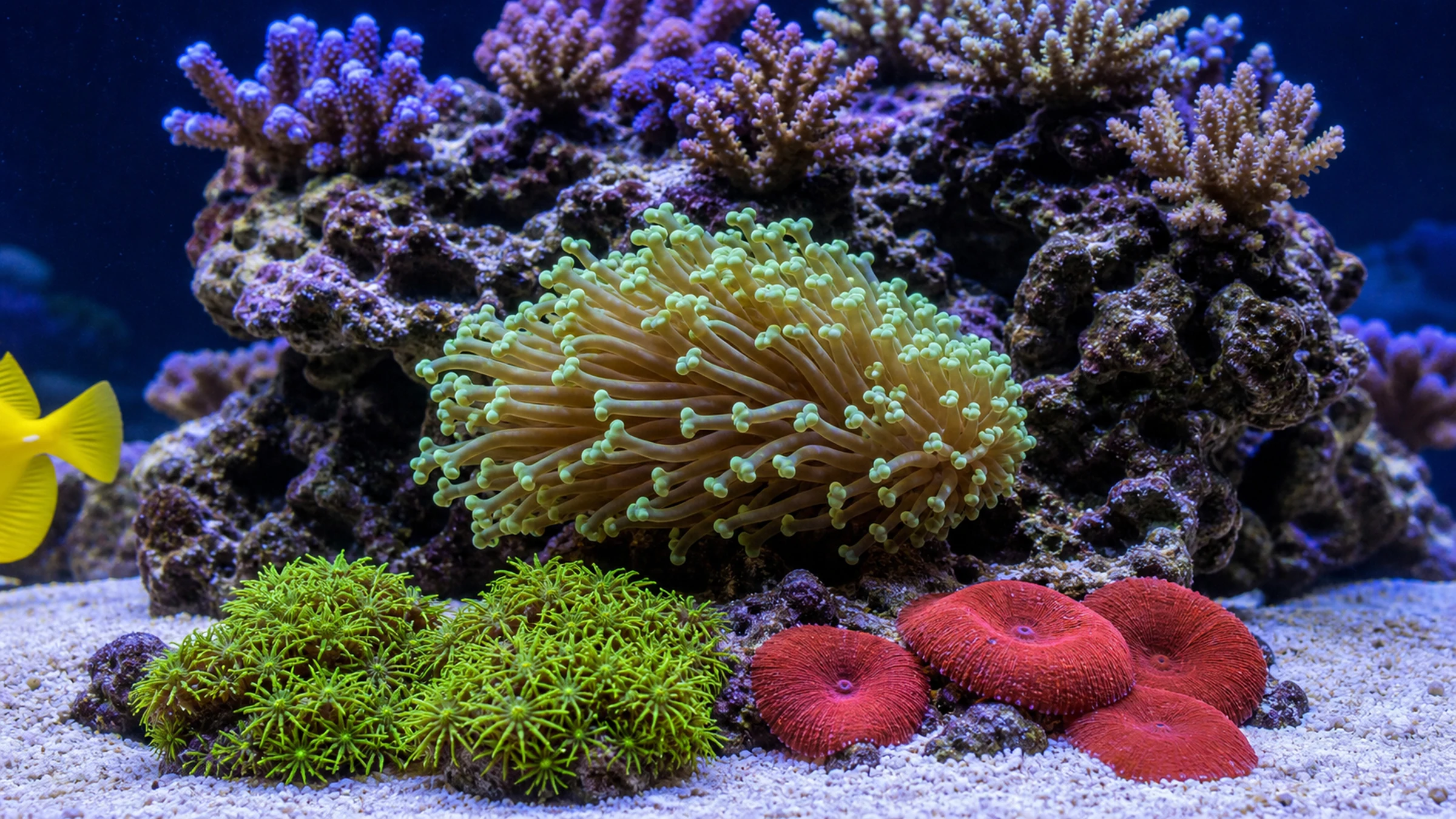
How to place corals by light and flow, PAR targets for softies, LPS, and SPS, dipping new corals for pests, and acclimating them without bleaching.

What every reef parameter means and where to keep it: salinity, temperature, pH, alkalinity, calcium, magnesium, nitrate, and phosphate.

Acclimate new fish, shrimp, and coral safely: temperature floating, drip acclimation, plop-and-drop for shipped livestock, and the first 24 hours.
Keeping Carnation Coral?
AquaLens identifies your fish and plants from a photo, tracks water chemistry, and flags health issues early — free on iOS and Android.