Chocolate Chip Starfish Care Guide
Protoreaster nodosus · Saltwater Starfish
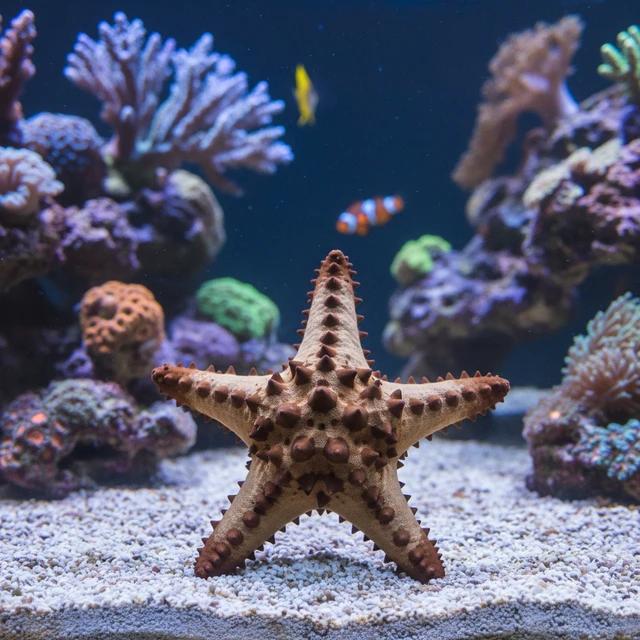
What Chocolate Chip Starfish look like
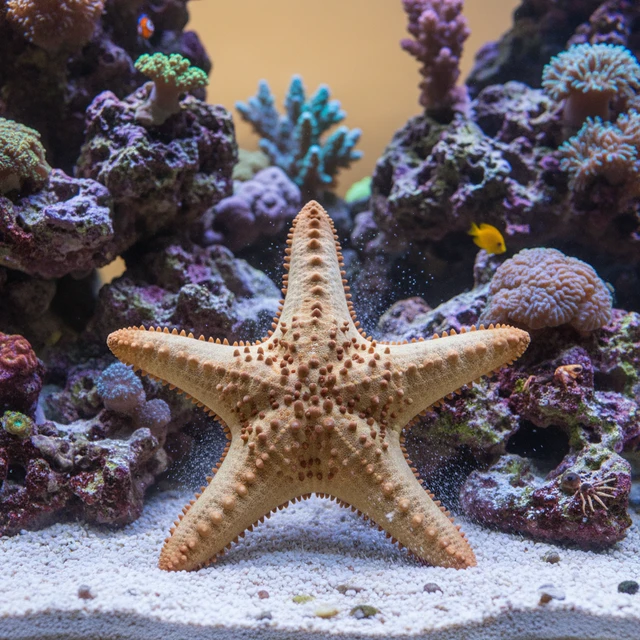
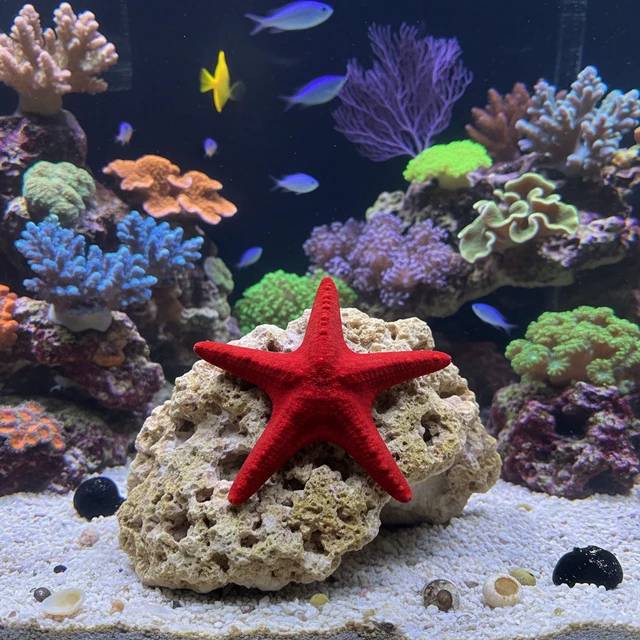
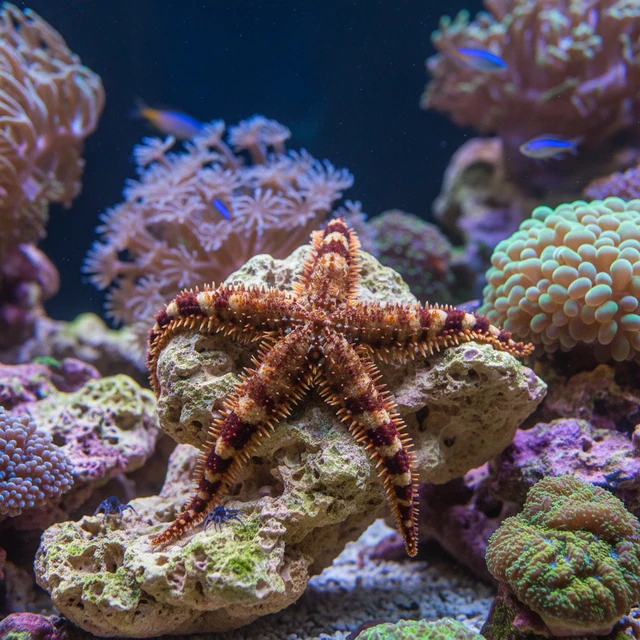
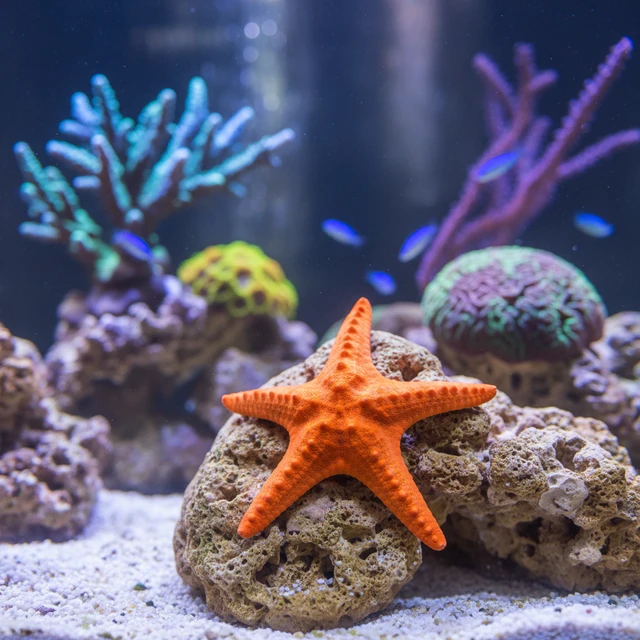
The Chocolate Chip Starfish, scientifically known as Protoreaster nodosus, exhibits a distinctive pentamerous body structure characterized by five thick, rounded arms that radiate from a central disc. Each arm can reach a maximum diameter of approximately 12 inches (30 cm) in adult specimens. The surface of the starfish is adorned with prominent, chocolate-brown tubercles, which serve as both a defensive adaptation against predation and a unique morphological feature that distinguishes it from other echinoderms. The coloration can vary from a pale yellow to a vibrant orange, providing camouflage against the sandy substrates of its habitat. The starfish possesses a well-developed water vascular system, allowing for efficient locomotion and feeding through tube feet located on the underside of its arms. Its oral surface is equipped with a specialized feeding apparatus known as the Aristotle's lantern, which aids in the consumption of its prey.
Behavior & temperament
Protoreaster nodosus is primarily a solitary species, often found resting on the substrate or slowly moving across the ocean floor in search of food. It exhibits a low level of aggression and is generally non-territorial, allowing for cohabitation with other marine organisms. The starfish is a scavenger, utilizing its tube feet to manipulate and consume organic matter, primarily feeding on detritus, mollusks, and other small invertebrates. Its feeding behavior is characterized by a slow and methodical approach, extending its tube feet to grasp prey before utilizing its stomach to digest food externally. This species is not known for significant movement, often remaining in a single location for extended periods, which aids in its camouflage and feeding efficiency.
Diet & feeding
Protoreaster nodosus is primarily a scavenger, feeding on detritus and small invertebrates in its natural habitat. In captivity, it requires a varied diet that includes meaty foods such as shrimp, fish, and specialized starfish pellets.
Behind the name
The genus name 'Protoreaster' derives from the Greek words 'protos' meaning 'first' and 'reaster' meaning 'star', while the species name 'nodosus' comes from the Latin 'nodus', meaning 'knot' or 'node', referring to the tuberculate structure of the starfish.
Plan your tank
Check the numbers before you buy: tank volume, salinity, salt mix, water changes, and your ongoing care routine. Keeping reef? Start from the Saltwater & Reef hub.
Keep reading
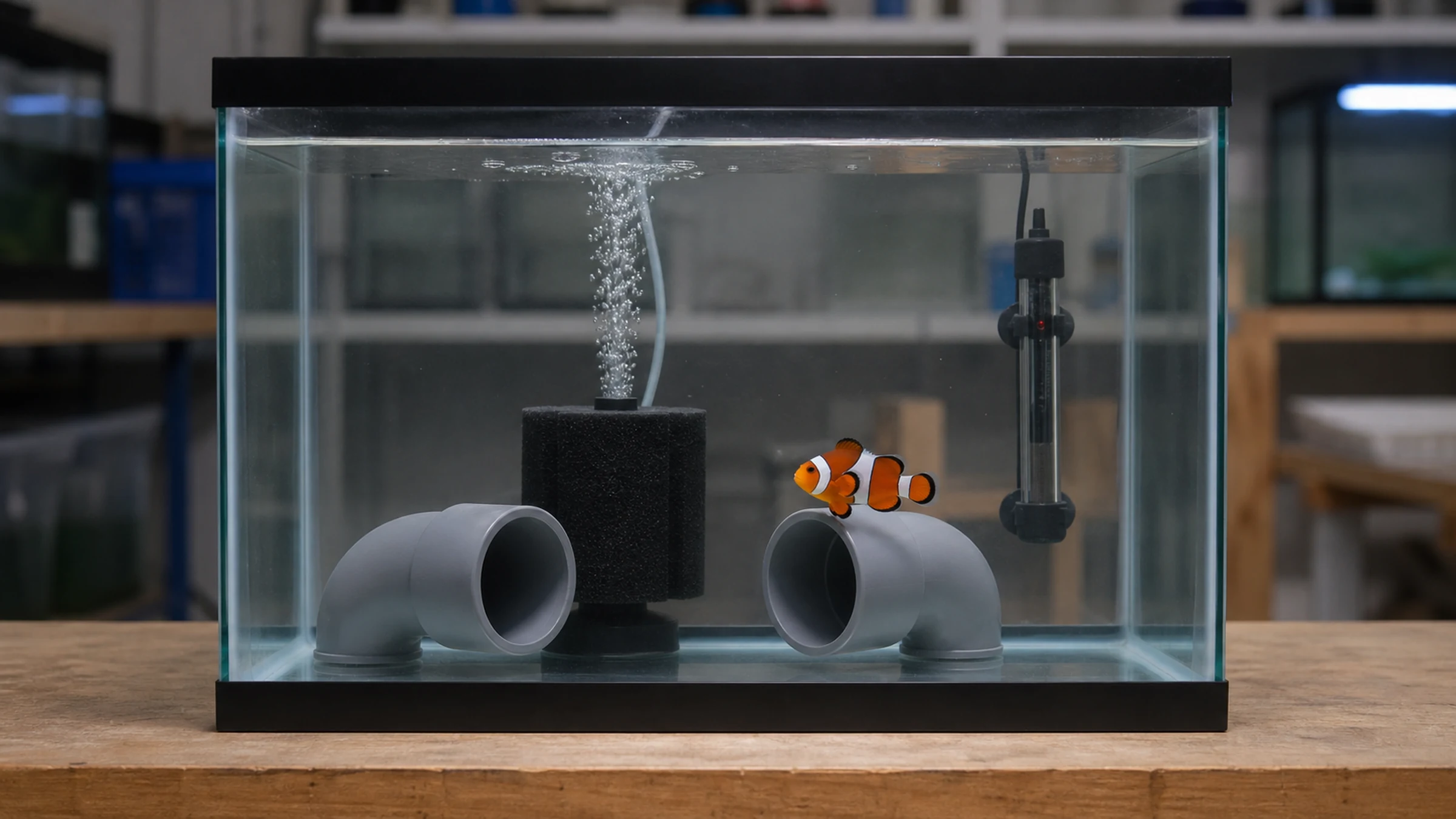
How to quarantine new saltwater fish against marine ich, velvet, and brooklynella: the QT tank, treatments, timelines, and the buy-clean shortcut.

What every reef parameter means and where to keep it: salinity, temperature, pH, alkalinity, calcium, magnesium, nitrate, and phosphate.
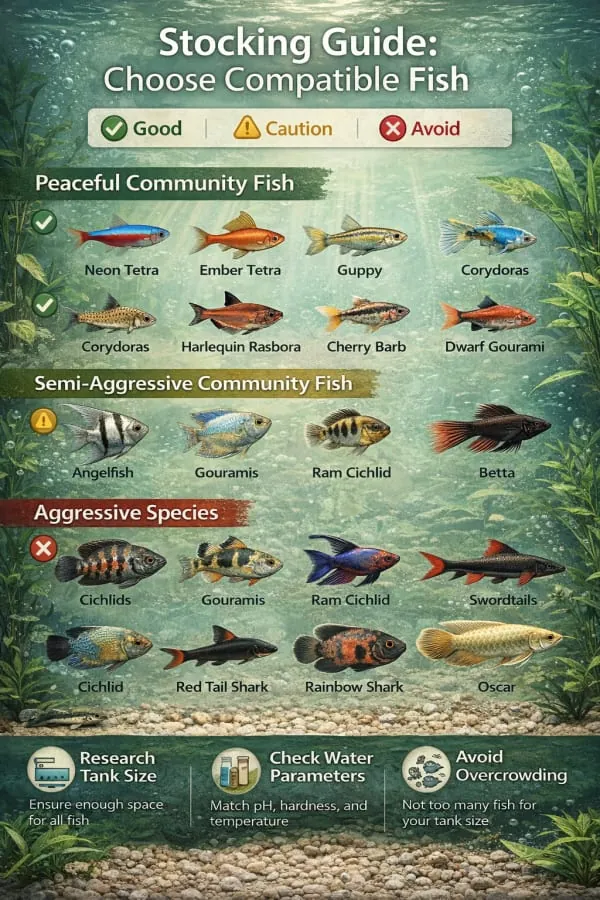
Choose compatible fish: school sizes, swimming zones, aggression, temperature and hardness matching, and honest bioload math for a peaceful community.
Keeping Chocolate Chip Starfish?
AquaLens identifies your fish and plants from a photo, tracks water chemistry, and flags health issues early — free on iOS and Android.