Elephant Nose Fish Care Guide
Gnathonemus petersii · Freshwater Fish
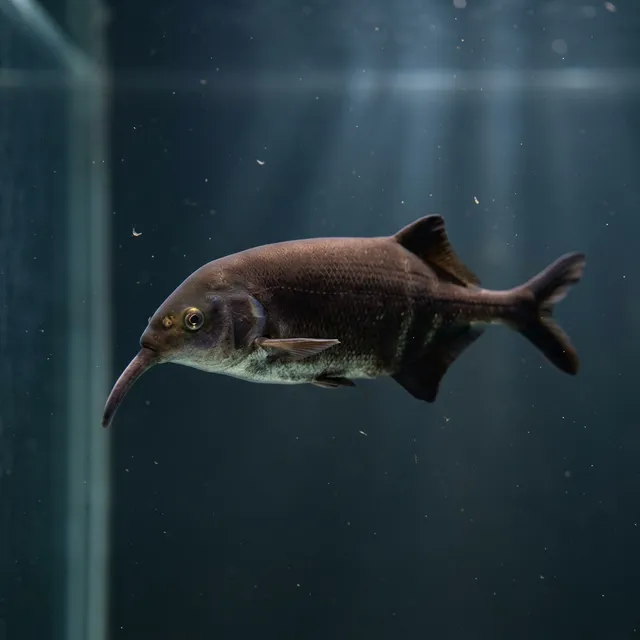
What Elephant Nose Fish look like
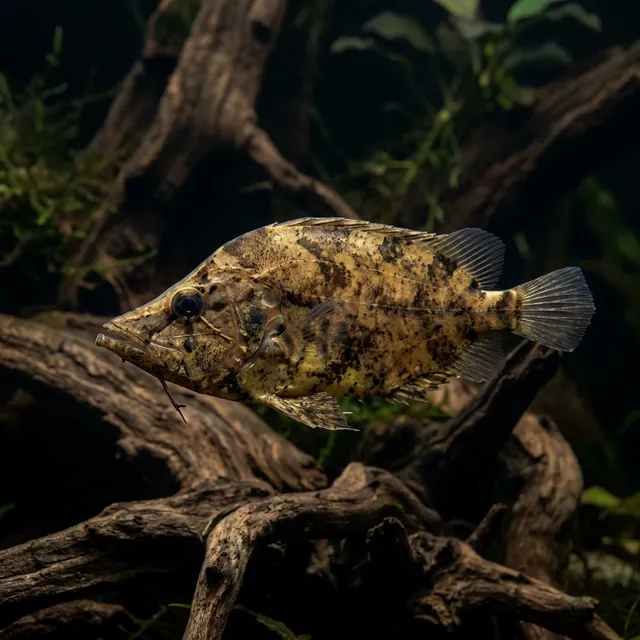
The Elephantnose Fish (Gnathonemus petersii) exhibits a distinctive morphology characterized by its elongated, laterally compressed body, which can reach a maximum adult size of approximately 15 inches (38 cm). This species displays sexual dimorphism, with males typically being larger and possessing more pronounced dorsal and anal fins compared to females. A notable morphological feature is its elongated, trunk-like snout, which is equipped with electroreceptors that facilitate navigation and foraging in murky waters. The body coloration ranges from dark brown to grayish, often with lighter mottling, and it possesses a well-defined lateral line system. The dorsal fin is situated far back on the body, and the caudal fin is forked, aiding in agile movements. Defensive adaptations include its ability to generate weak electric fields, which can deter predators and assist in communication.
Behavior & temperament
Gnathonemus petersii is primarily a solitary species, although it may exhibit social interactions during breeding or in environments with ample space. It inhabits the benthic zone of freshwater rivers and lakes in Africa, often dwelling among submerged structures and vegetation. The species is known for its unique breeding behavior, where it engages in mouthbrooding, with females incubating the eggs in their mouths until they hatch. The temperament of the Elephantnose Fish is generally peaceful, but it can exhibit territorial behavior, especially during the breeding season, and may display aggression towards conspecifics in confined spaces.
Diet & feeding
In the wild, the Elephantnose Fish is a carnivore, primarily feeding on small invertebrates and crustaceans. In captivity, it requires a diet rich in protein, including high-quality pellets, frozen or live foods such as bloodworms, brine shrimp, and daphnia to thrive.
Behind the name
Gnathonemus (from Greek 'gnathos' meaning jaw; 'nema' meaning thread) refers to the fish's elongated snout, while 'petersii' honors the German zoologist Wilhelm Peters.
Plan your tank
Check the numbers before you buy: tank volume, a stocking plan, cycle progress, water changes, and your ongoing care routine.
Keep reading

Choose compatible fish: school sizes, swimming zones, aggression, temperature and hardness matching, and honest bioload math for a peaceful community.
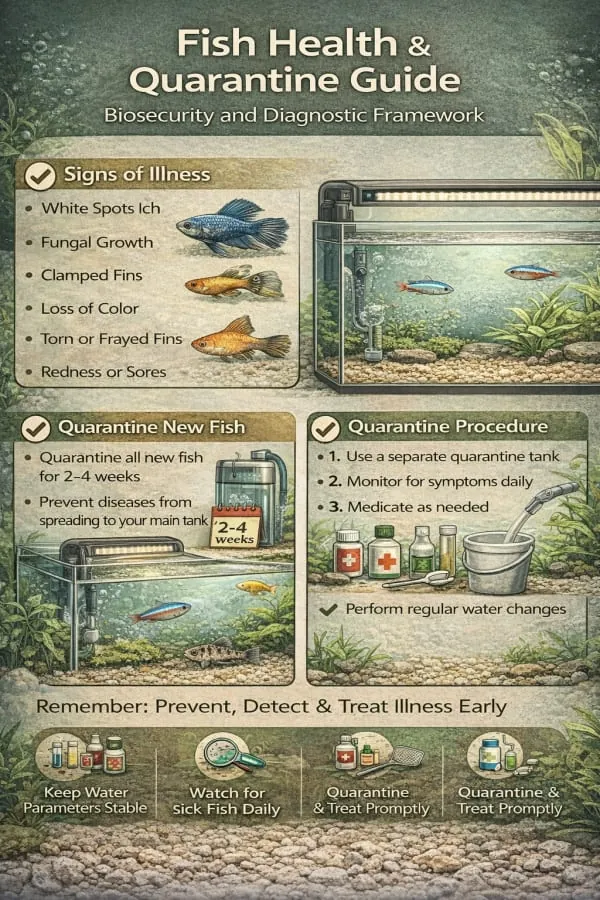
Quarantine new fish, spot the early warning signs, and treat disease without wrecking your tank. A practical freshwater fish health guide.
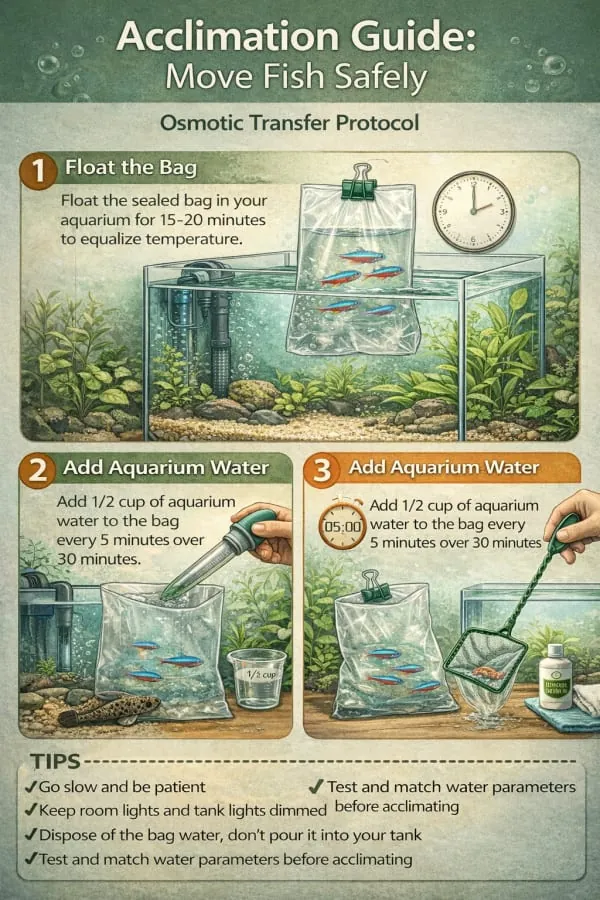
Acclimate new fish, shrimp, and coral safely: temperature floating, drip acclimation, plop-and-drop for shipped livestock, and the first 24 hours.
Keeping Elephant Nose Fish?
AquaLens identifies your fish and plants from a photo, tracks water chemistry, and flags health issues early — free on iOS and Android.