Bucktooth Tetra Care Guide
Exodon paradoxus · Freshwater Fish
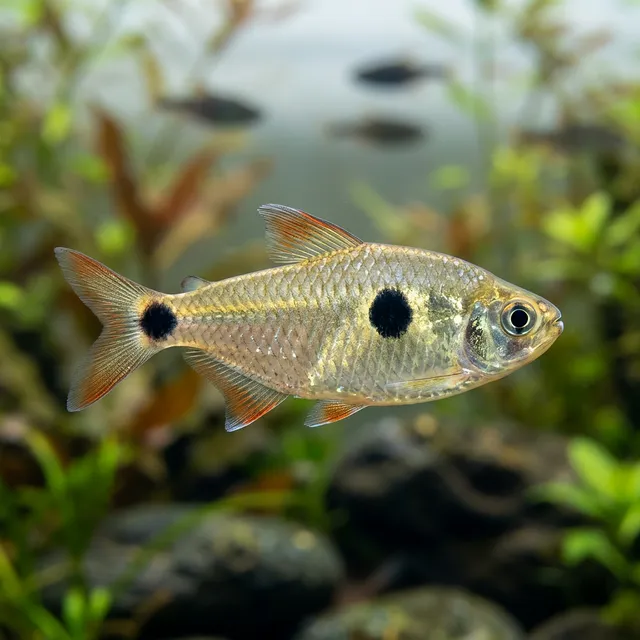
What Bucktooth Tetra look like
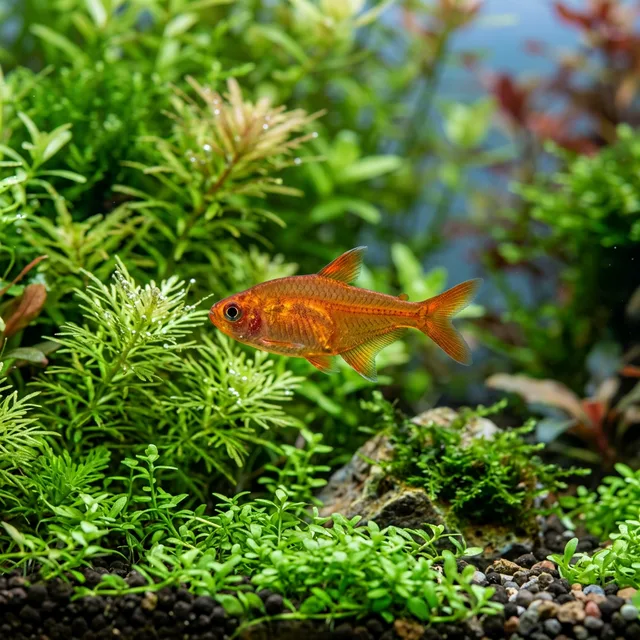
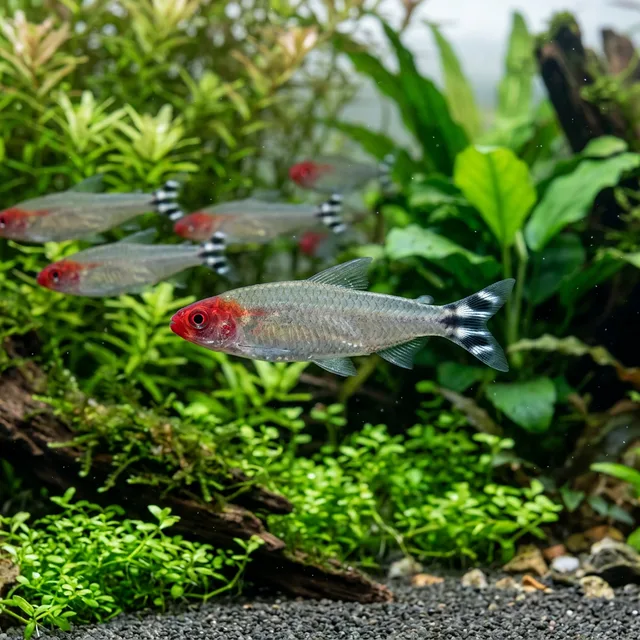
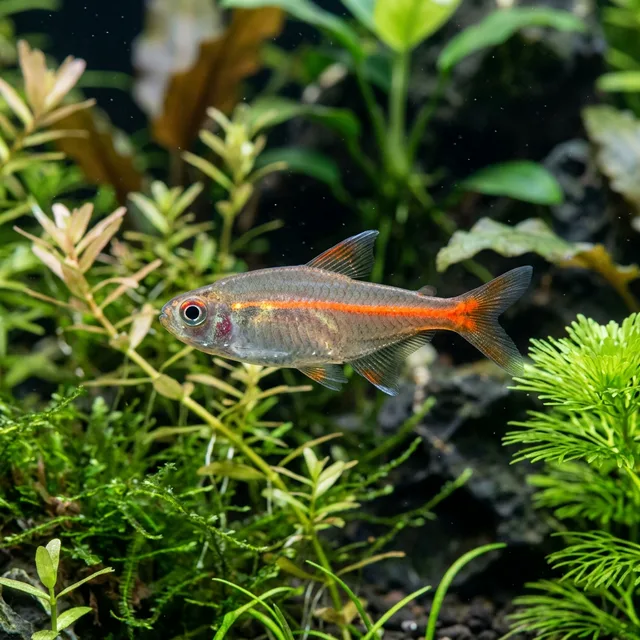
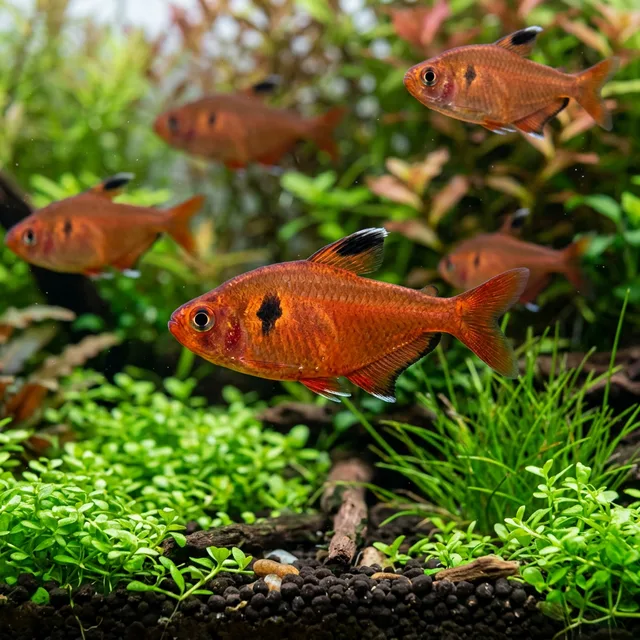
The Bucktooth Tetra (Exodon paradoxus) exhibits a laterally compressed, torpedo-shaped body that can reach a maximum adult size of approximately 15 cm (6 inches). This species is characterized by its strikingly bright silvery-gold coloration, which can appear almost iridescent under certain lighting conditions. Notably, the Bucktooth Tetra possesses two prominent black spots: one centrally located on the lateral line and another at the base of the caudal fin, serving as key identification markers. Sexual dimorphism is subtle, with males typically displaying slightly more vibrant coloration and a more pronounced body shape during the breeding season. Defensive adaptations include a streamlined body for swift movement and the ability to school tightly, which can confuse predators. The species features a well-developed lateral line system, aiding in navigation and predator avoidance, as well as sharp, pronounced dentition adapted for a carnivorous diet.
Behavior & temperament
The Bucktooth Tetra is a highly social species, often found in large, active schools within its native Amazonian waters. It primarily occupies the mid to upper water column, exhibiting pelagic behavior. This species is known for its dynamic swimming patterns and can display territoriality during breeding periods, where males may engage in displays of aggression to establish dominance. Breeding behavior involves egg scattering, with females releasing eggs in open water, which are then fertilized by males. The temperament of the Bucktooth Tetra is generally peaceful, though it can exhibit aggression towards conspecifics during breeding or when kept in insufficient numbers, making it essential to maintain them in groups.
Diet & feeding
In the wild, the Bucktooth Tetra is a carnivore that primarily feeds on small invertebrates and zooplankton. In captivity, it requires a diet rich in high-quality flake foods, frozen or live foods such as brine shrimp and bloodworms to meet its nutritional needs.
Behind the name
Exodon (from Greek 'exodon', meaning 'out tooth'); paradoxus (from Greek 'paradoxos', meaning 'strange' or 'unexpected').
Plan your tank
Check the numbers before you buy: tank volume, a stocking plan, cycle progress, water changes, and your ongoing care routine.
Keep reading

Choose compatible fish: school sizes, swimming zones, aggression, temperature and hardness matching, and honest bioload math for a peaceful community.
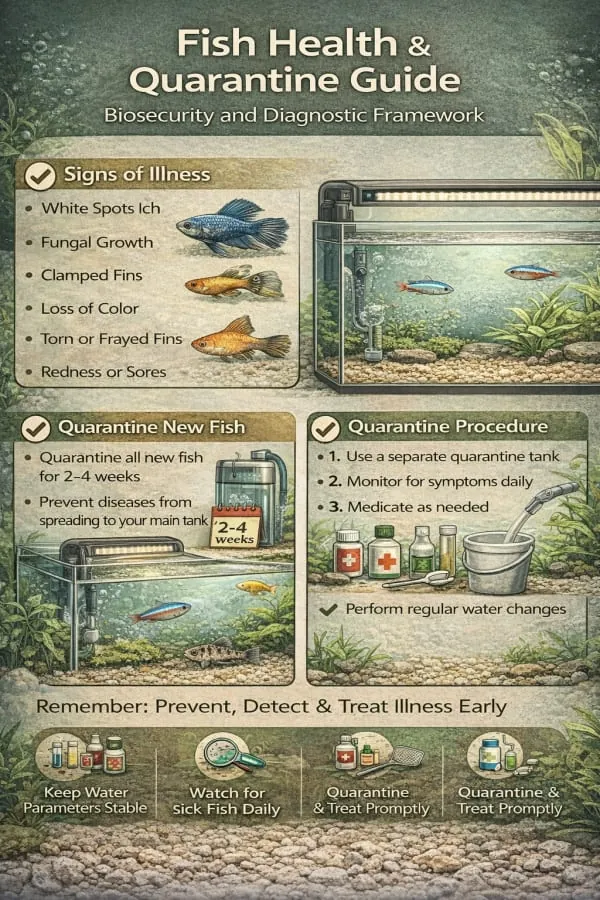
Quarantine new fish, spot the early warning signs, and treat disease without wrecking your tank. A practical freshwater fish health guide.

Acclimate new fish, shrimp, and coral safely: temperature floating, drip acclimation, plop-and-drop for shipped livestock, and the first 24 hours.
Keeping Bucktooth Tetra?
AquaLens identifies your fish and plants from a photo, tracks water chemistry, and flags health issues early — free on iOS and Android.