Favites War Coral Care Guide
Favites abdita · Saltwater LPS Coral
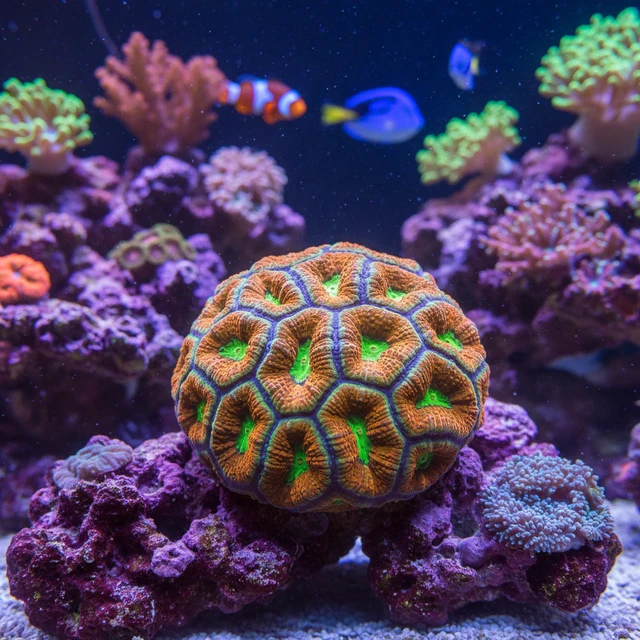
What Favites War Coral look like
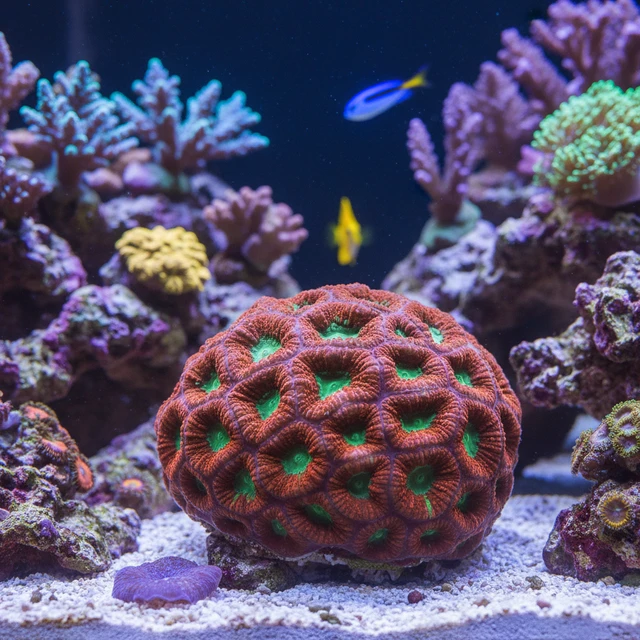
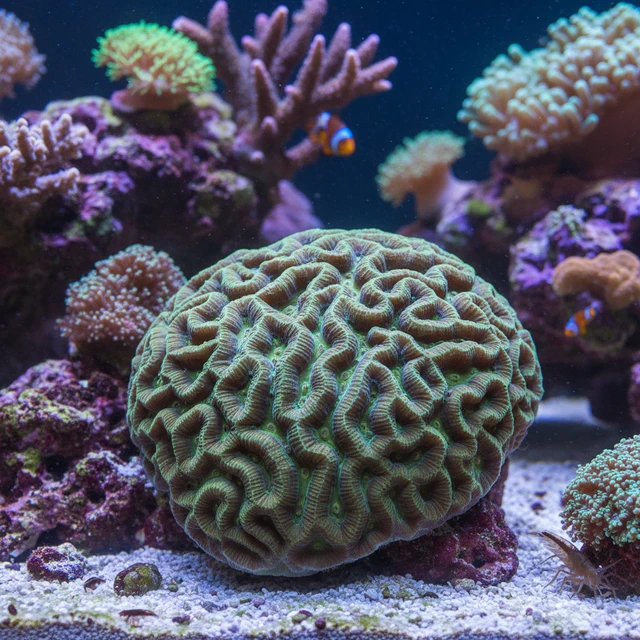
Favites abdita, commonly known as the War Coral, exhibits a robust and compact structure characterized by its thick, fleshy polyps that can extend significantly during the night. The coral typically reaches a maximum adult size of approximately 12 inches (30 cm) in diameter. It displays a unique morphology with a convoluted surface texture and distinct valleys between the corallites, which are often circular to oval in shape. The coloration ranges from brown to green, with vibrant hues often accentuated by fluorescent pigments. Sexual dimorphism is not pronounced in this species, although variations in polyp size can occur. Favites abdita possesses a well-developed skeleton composed of aragonite, and its defensive adaptations include the ability to retract its polyps quickly and the presence of potent nematocysts that can deter potential predators.
Behavior & temperament
Favites abdita is primarily a solitary coral that exhibits a moderate level of aggression towards neighboring corals, often engaging in sweeper tentacle behavior to establish territory. It typically occupies lower to mid-level reef zones, where it can receive adequate light while benefiting from water flow. The coral extends its polyps primarily during the night for feeding, utilizing its nematocysts to capture plankton and small zooplankton. Favites abdita is known to have symbiotic relationships with zooxanthellae, which provide it with essential nutrients through photosynthesis. Its feeding behavior is opportunistic, and it can also absorb dissolved organic matter from the surrounding water column.
Diet & feeding
Favites abdita is primarily a heterotrophic feeder, capturing zooplankton and phytoplankton in the wild. In captivity, it thrives on a diet of finely chopped meaty foods, such as mysis shrimp and brine shrimp, as well as high-quality coral foods that contain essential amino acids and vitamins.
Behind the name
The scientific name 'Favites abdita' derives from Latin, where 'Favites' refers to the genus of corals characterized by their honeycomb-like structure, and 'abdita' translates to 'hidden' or 'concealed', likely referencing the coral's ability to retract its polyps.
Plan your tank
Check the numbers before you buy: tank volume, salinity, salt mix, water changes, and your ongoing care routine. Keeping reef? Start from the Saltwater & Reef hub.
Keep reading
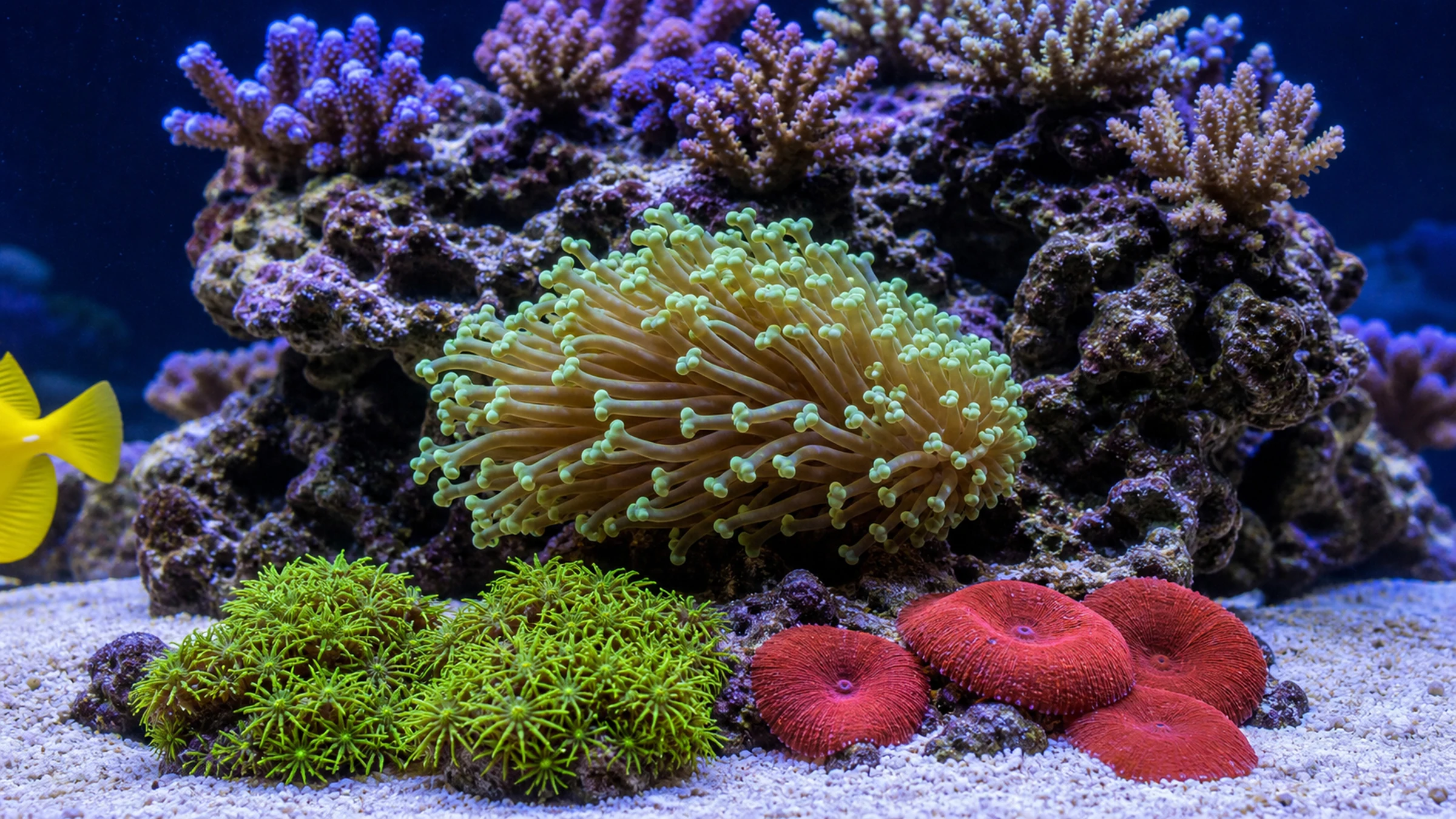
How to place corals by light and flow, PAR targets for softies, LPS, and SPS, dipping new corals for pests, and acclimating them without bleaching.
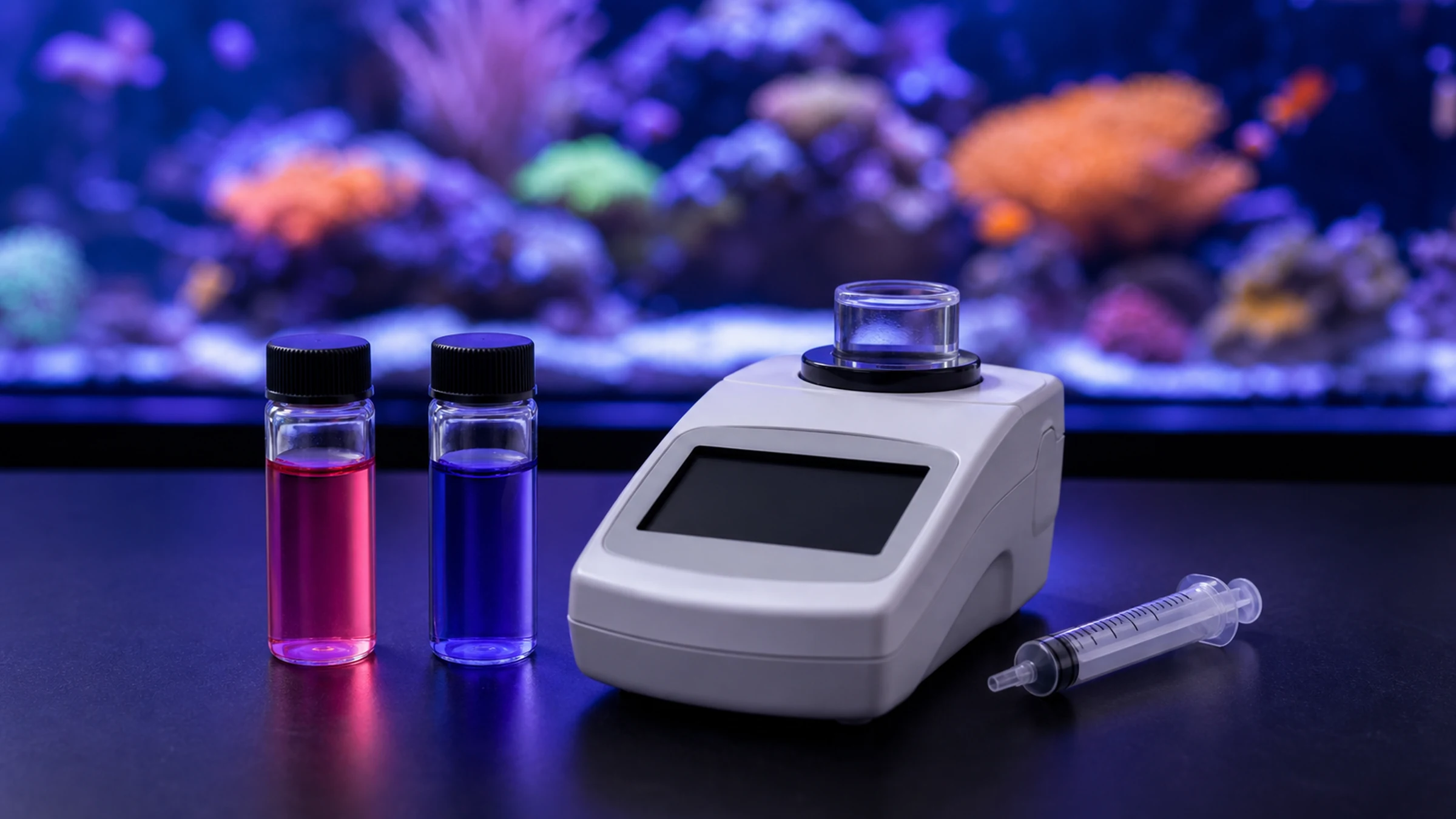
What every reef parameter means and where to keep it: salinity, temperature, pH, alkalinity, calcium, magnesium, nitrate, and phosphate.
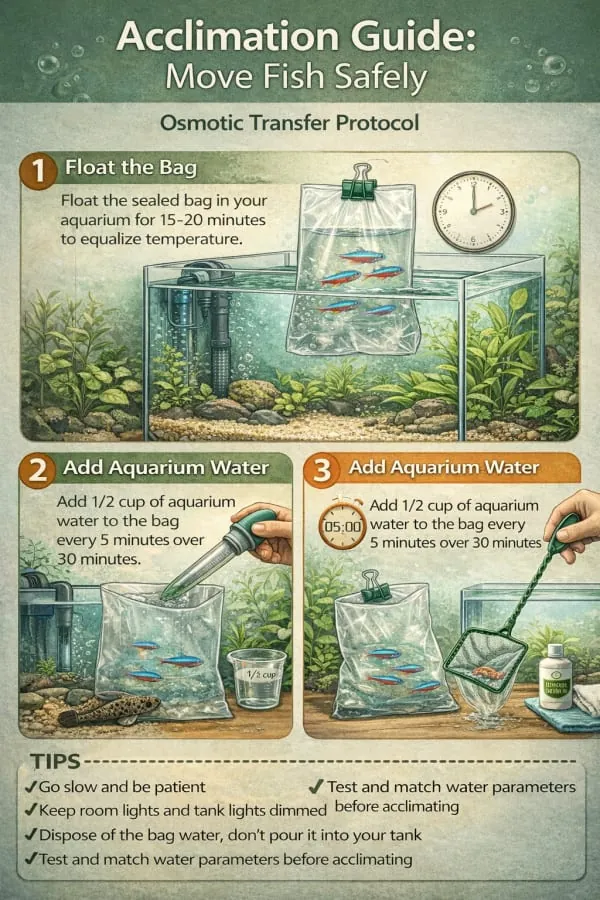
Acclimate new fish, shrimp, and coral safely: temperature floating, drip acclimation, plop-and-drop for shipped livestock, and the first 24 hours.
Keeping Favites War Coral?
AquaLens identifies your fish and plants from a photo, tracks water chemistry, and flags health issues early — free on iOS and Android.