War Coral Care Guide
Favites pentagona · Saltwater LPS Coral
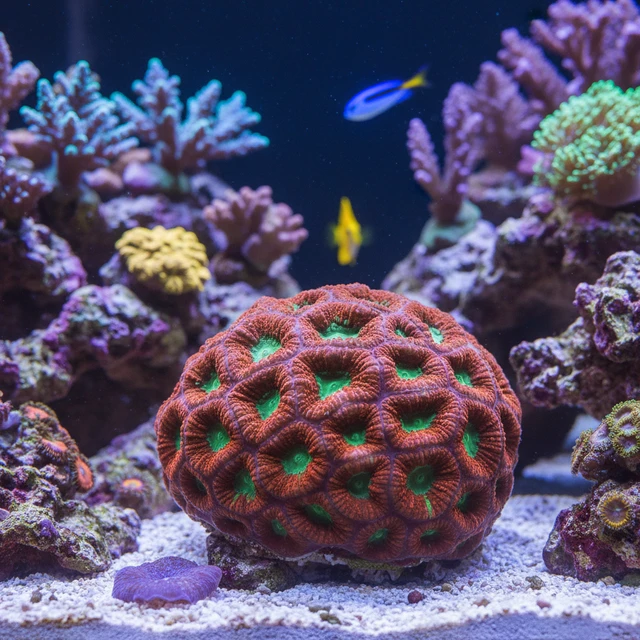
What War Coral look like
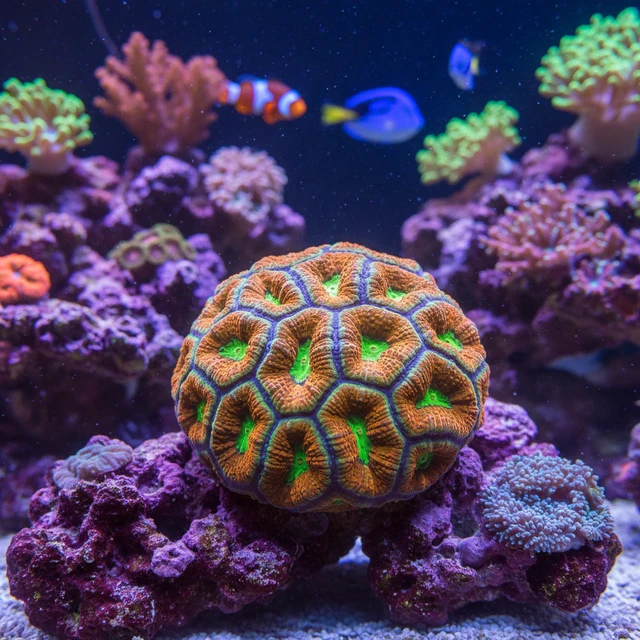
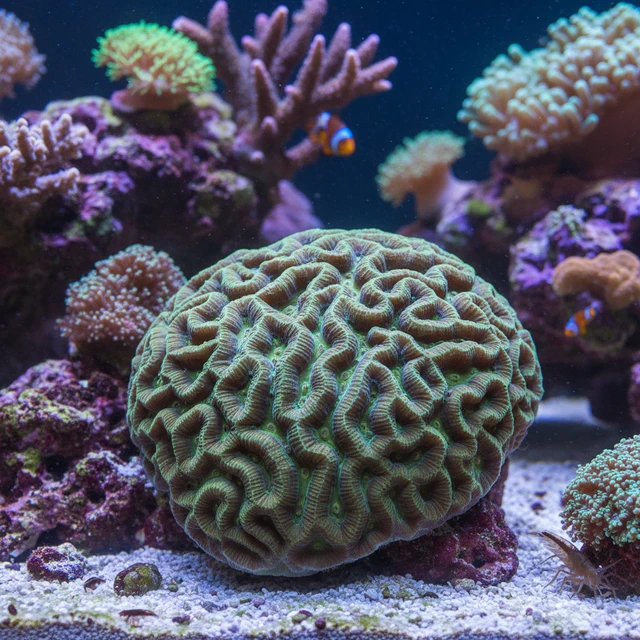
Favites pentagona, commonly known as War Coral, exhibits a robust, encrusting growth form characterized by its thick, fleshy polyps that can extend up to 1.5 cm in diameter. The coral typically reaches a maximum adult size of approximately 30 cm in diameter. Its coloration varies widely, often displaying shades of green, brown, and yellow, with a distinctive pattern of prominent, angular ridges and valleys that create a striking topography. Sexual dimorphism is not pronounced in this species, as both male and female polyps exhibit similar morphological traits. Defensive adaptations include the presence of potent nematocysts within the tentacles, which can deliver a painful sting to potential predators. Unique morphological features include a well-defined corallite structure, with individual polyps sharing a common skeletal base, and a prominent, often irregularly shaped central mouth, which is a key identifier for this species.
Behavior & temperament
Favites pentagona is primarily a solitary coral species that exhibits a moderate level of aggression towards neighboring corals, often engaging in mesenterial filaments warfare to secure territory and resources. It typically resides on the reef substrate, extending its polyps during the night to feed on plankton and organic detritus. The coral has a symbiotic relationship with zooxanthellae, which provide essential nutrients through photosynthesis, particularly in well-lit environments. Its feeding behavior is opportunistic, with polyp extension patterns varying based on light availability and water flow. The stinging potential of its nematocysts serves as a deterrent against herbivorous fish and other potential threats.
Diet & feeding
Favites pentagona is primarily a heterotrophic coral, feeding on zooplankton and organic particles in the water column, supplemented by the photosynthetic products of its symbiotic zooxanthellae. In captivity, it requires a diet rich in meaty foods such as mysis shrimp and finely chopped seafood, along with regular feeding of phytoplankton to support its nutritional needs.
Behind the name
The scientific name 'Favites' is derived from the Latin word 'favus', meaning 'honeycomb', referring to the coral's structure, while 'pentagona' comes from the Greek 'penta', meaning 'five', indicating the five-sided shape of the corallites.
Plan your tank
Check the numbers before you buy: tank volume, salinity, salt mix, water changes, and your ongoing care routine. Keeping reef? Start from the Saltwater & Reef hub.
Keep reading
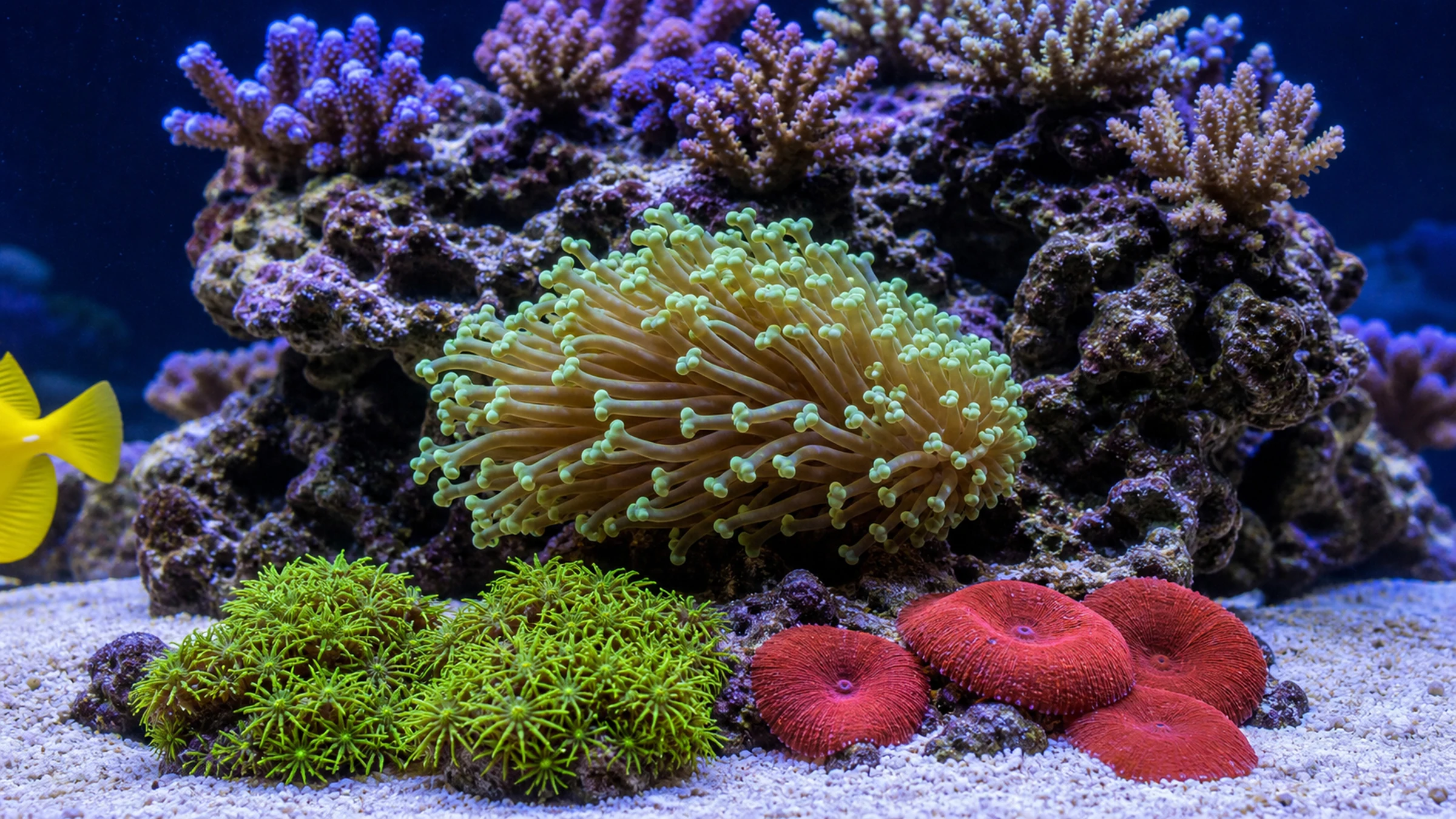
How to place corals by light and flow, PAR targets for softies, LPS, and SPS, dipping new corals for pests, and acclimating them without bleaching.
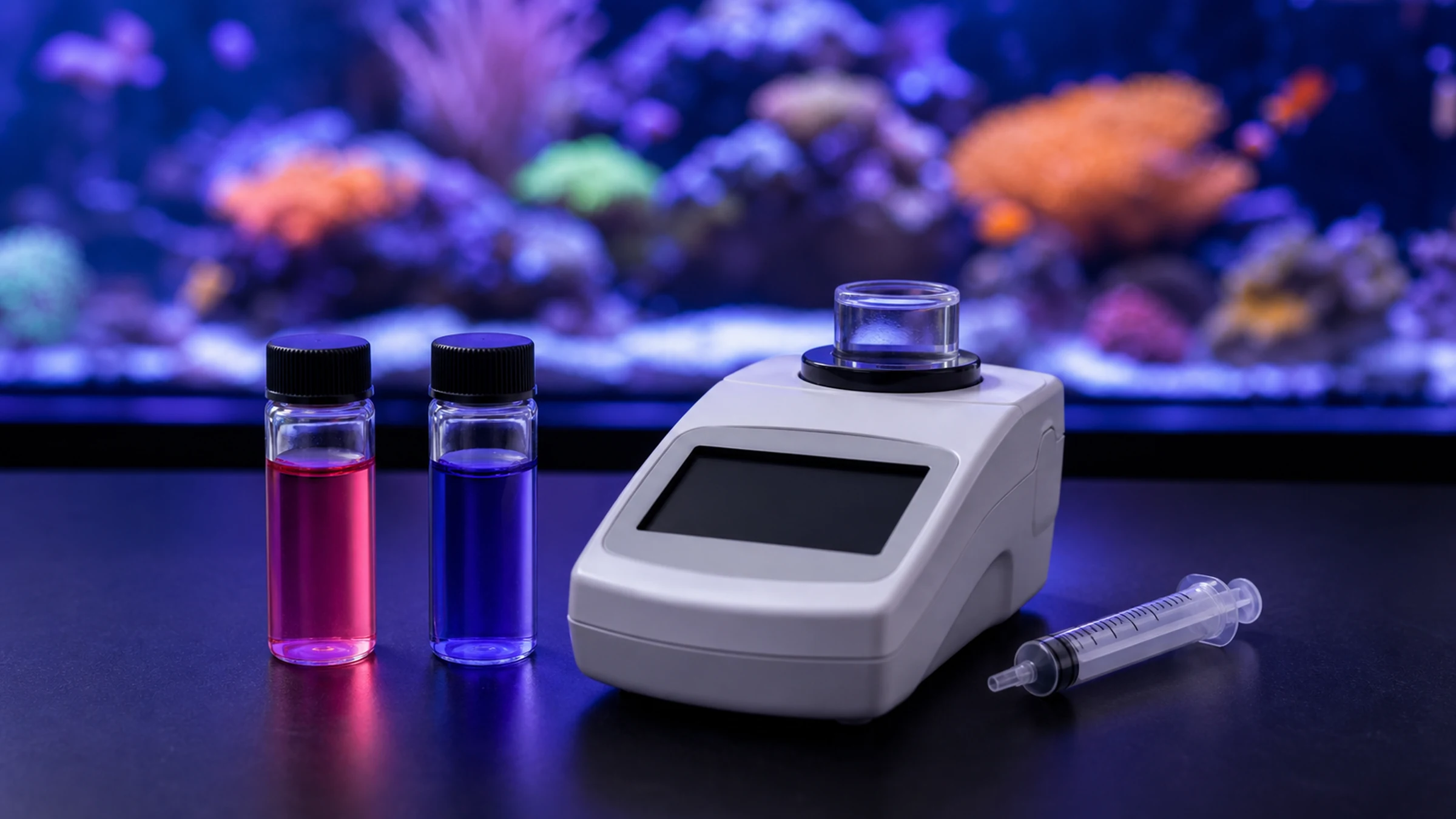
What every reef parameter means and where to keep it: salinity, temperature, pH, alkalinity, calcium, magnesium, nitrate, and phosphate.

Acclimate new fish, shrimp, and coral safely: temperature floating, drip acclimation, plop-and-drop for shipped livestock, and the first 24 hours.
Keeping War Coral?
AquaLens identifies your fish and plants from a photo, tracks water chemistry, and flags health issues early — free on iOS and Android.