Fire Clownfish Care Guide
Amphiprion ephippium · Saltwater Clownfish
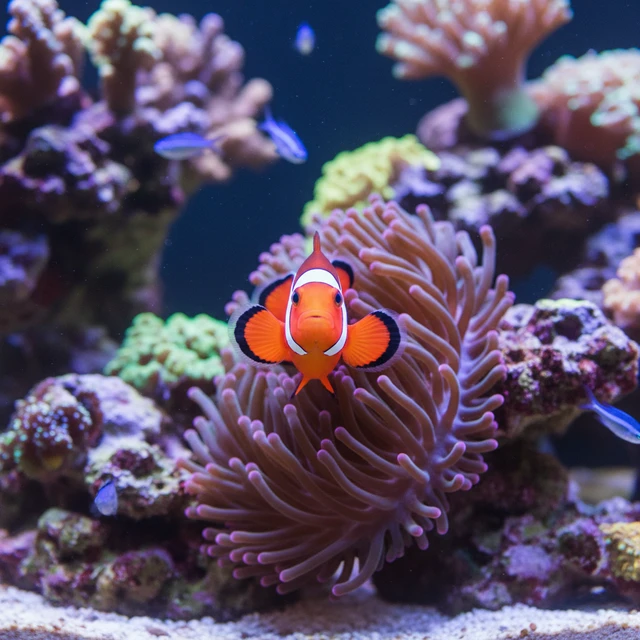
What Fire Clownfish look like
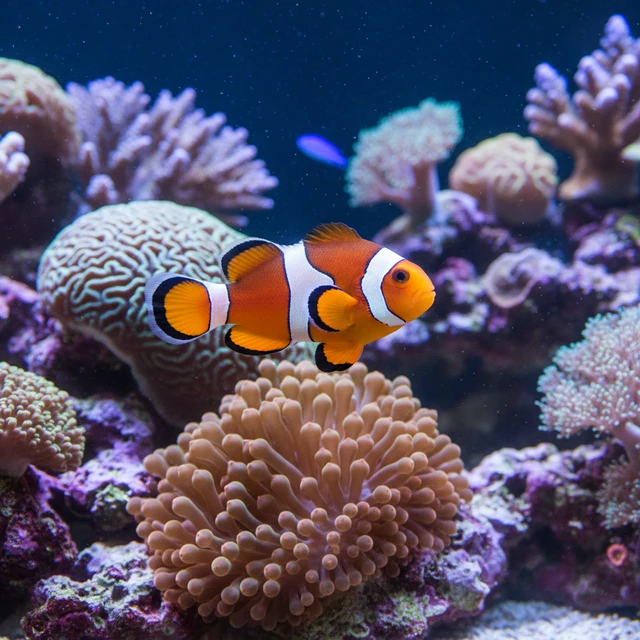
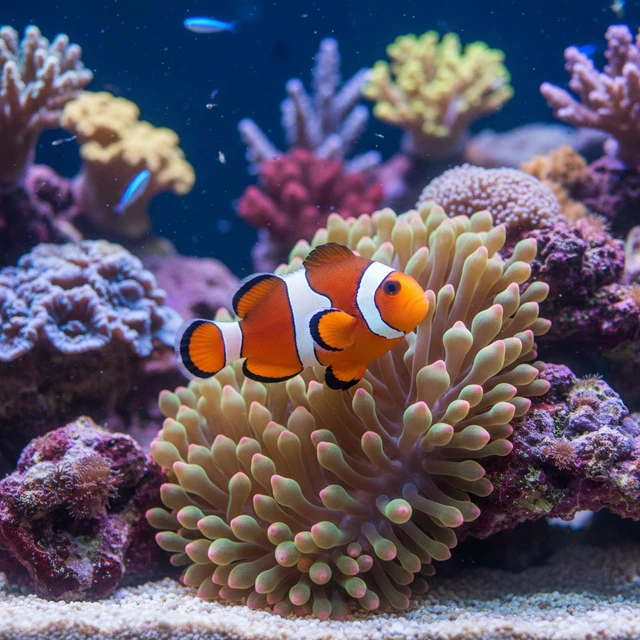
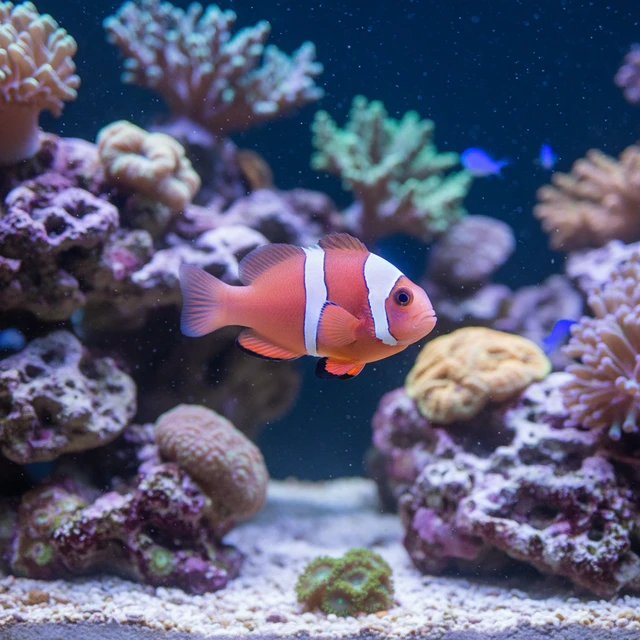
The Fire Clownfish (Amphiprion ephippium) exhibits a robust, laterally compressed body that can reach a maximum adult size of approximately 4.7 inches (12 cm). Its coloration is characterized by a striking orange to reddish hue, accented by three prominent vertical white bands edged in black, which serve as a distinguishing feature among clownfish species. Sexual dimorphism is present, with females typically larger than males. Defensive adaptations include a mucous coating that protects them from the stinging tentacles of their host anemones, as well as a set of sharp, well-developed dentition designed for grazing on algae and small invertebrates. The species also possesses a well-defined lateral line system that aids in navigation and prey detection in its dynamic reef environment.
Behavior & temperament
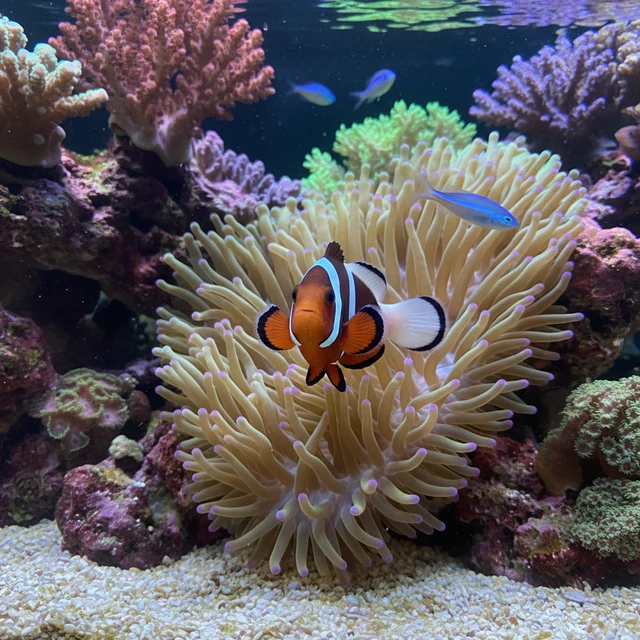
Fire Clownfish are known for their social and hierarchical behavior, often forming monogamous pairs that establish a territory within a host anemone. They are primarily found in the lower to mid-water column and exhibit a semi-aggressive temperament, particularly towards intruders. During breeding, the female lays eggs on a flat surface near the anemone, and both parents exhibit protective behavior towards the eggs, fanning them to ensure oxygenation. Their interactions with their host anemones are symbiotic, as they provide protection to the anemone while receiving shelter and food scraps in return. They are also known to exhibit a variety of swimming patterns, including darting and hovering, which are integral to their foraging and mating displays.
Diet & feeding
In the wild, Fire Clownfish are omnivorous, primarily feeding on zooplankton, small crustaceans, and algae. In captivity, they require a varied diet that includes high-quality pellets, frozen or live foods such as brine shrimp and mysis shrimp, along with occasional vegetable matter.
Behind the name
The genus name 'Amphiprion' is derived from the Greek words 'amphi' meaning 'both' and 'prion' meaning 'saw', referring to the serrated edges of their fins. The species name 'ephippium' comes from the Latin word for 'saddle', likely referencing the shape of the fish's body.
Plan your tank
Check the numbers before you buy: tank volume, salinity, salt mix, water changes, and your ongoing care routine. Keeping reef? Start from the Saltwater & Reef hub.
Keep reading
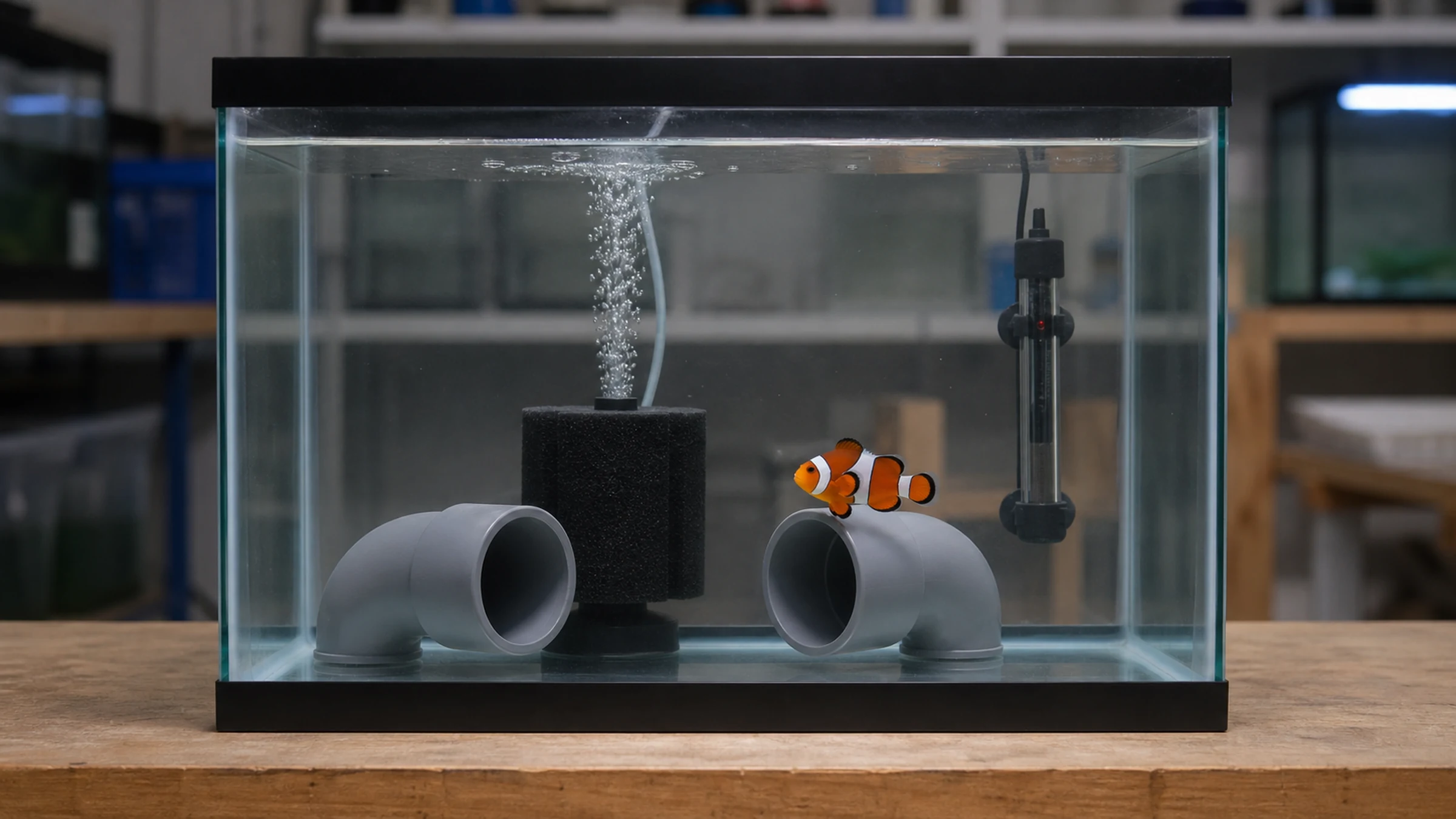
How to quarantine new saltwater fish against marine ich, velvet, and brooklynella: the QT tank, treatments, timelines, and the buy-clean shortcut.

What every reef parameter means and where to keep it: salinity, temperature, pH, alkalinity, calcium, magnesium, nitrate, and phosphate.

Choose compatible fish: school sizes, swimming zones, aggression, temperature and hardness matching, and honest bioload math for a peaceful community.
Keeping Fire Clownfish?
AquaLens identifies your fish and plants from a photo, tracks water chemistry, and flags health issues early — free on iOS and Android.