Firefly Betta Care Guide
Betta dimidiata · Freshwater Fish
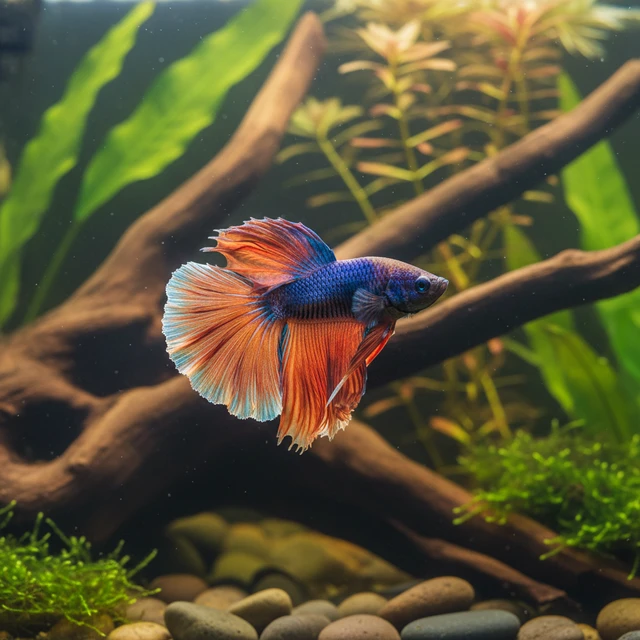
What Firefly Betta look like
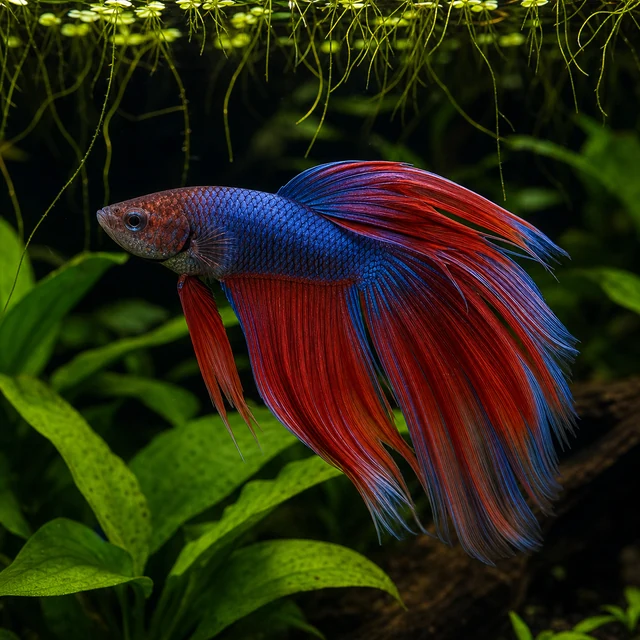
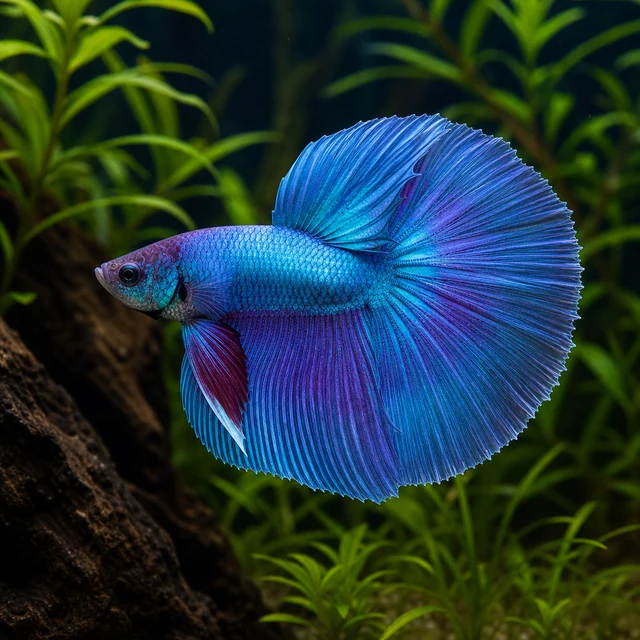
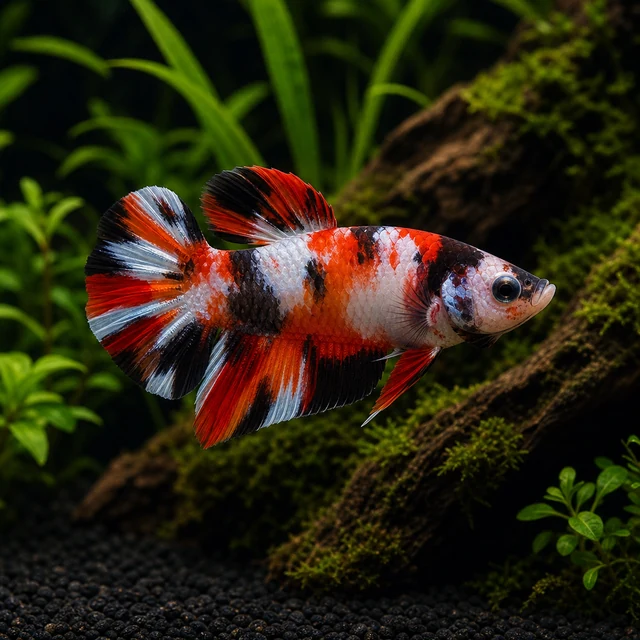
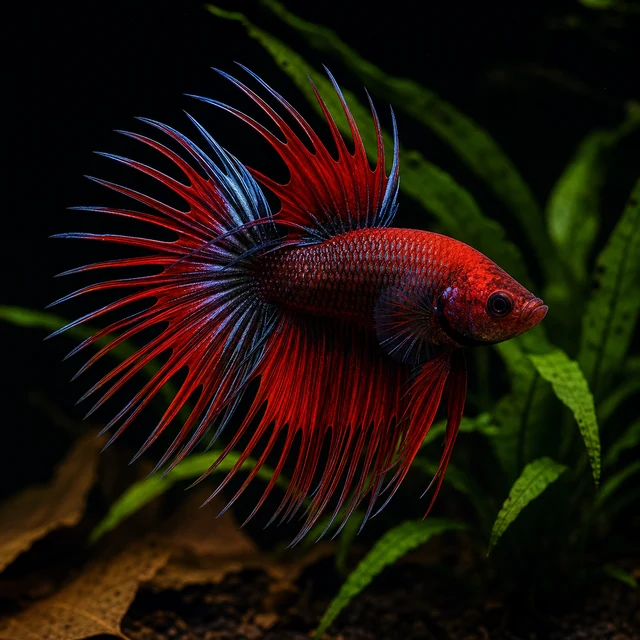
The Firefly Betta (Betta dimidiata) exhibits a small, elongated, and laterally compressed body, typically reaching a maximum adult size of approximately 2 to 2.5 inches (5 to 6.4 cm). Males are characterized by their warm brown-tan coloration, adorned with brilliant blue-green iridescent edges on their fins, which create a striking luminescent effect reminiscent of fireflies. This unique coloration serves as a visual cue during mating displays and territorial disputes. Sexual dimorphism is evident, with males displaying more vibrant colors and elongated fins compared to the more subdued and shorter-finned females. The species possesses a well-developed lateral line system, aiding in the detection of water movements in their dimly lit blackwater habitats. Defensive adaptations include a streamlined body shape and the ability to retreat into dense vegetation, minimizing predation risk.
Behavior & temperament
Firefly Bettas are primarily solitary, exhibiting territorial behavior, particularly in males during breeding seasons. They inhabit the lower strata of the water column, preferring shaded areas near the substrate where they can find cover among leaf litter and submerged roots. Breeding behavior is notable as they are mouthbrooders; females lay eggs that males subsequently fertilize and carry in their mouths until hatching. Their temperament is generally peaceful, but males can display aggression towards one another, especially in confined spaces, necessitating ample hiding spots in aquaria to mitigate stress and territorial disputes.
Diet & feeding
In the wild, Firefly Bettas are carnivorous, primarily feeding on small invertebrates and zooplankton. In captivity, they require a diet rich in high-quality protein sources, such as live or frozen foods like brine shrimp, daphnia, and high-protein pellets to ensure optimal health and coloration.
Behind the name
Betta (from the Malay word 'bettah', meaning 'to fight'); dimidiata (from Latin 'dimidiatus', meaning 'half' or 'divided', referring to the distinct coloration patterns).
Plan your tank
Check the numbers before you buy: tank volume, a stocking plan, cycle progress, water changes, and your ongoing care routine.
Keep reading

Choose compatible fish: school sizes, swimming zones, aggression, temperature and hardness matching, and honest bioload math for a peaceful community.
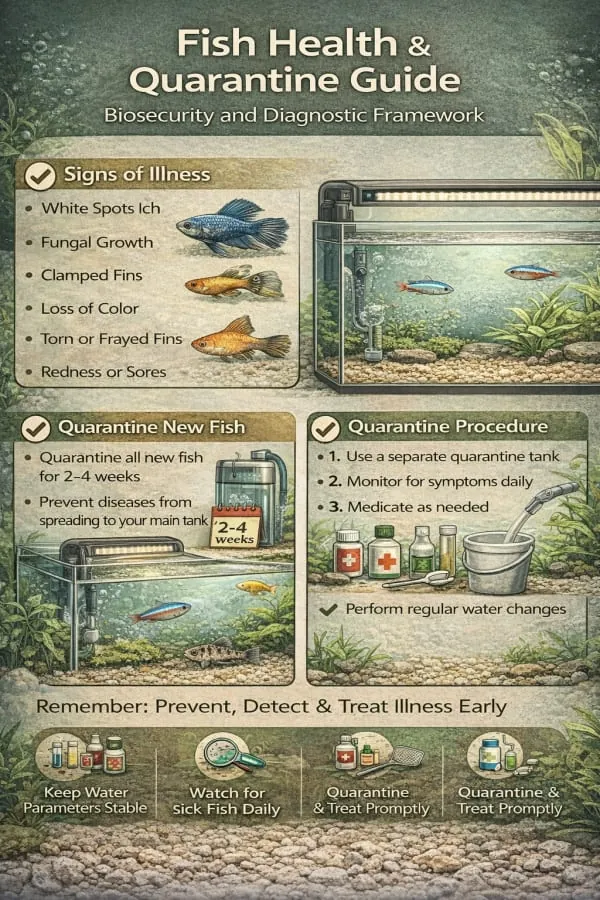
Quarantine new fish, spot the early warning signs, and treat disease without wrecking your tank. A practical freshwater fish health guide.
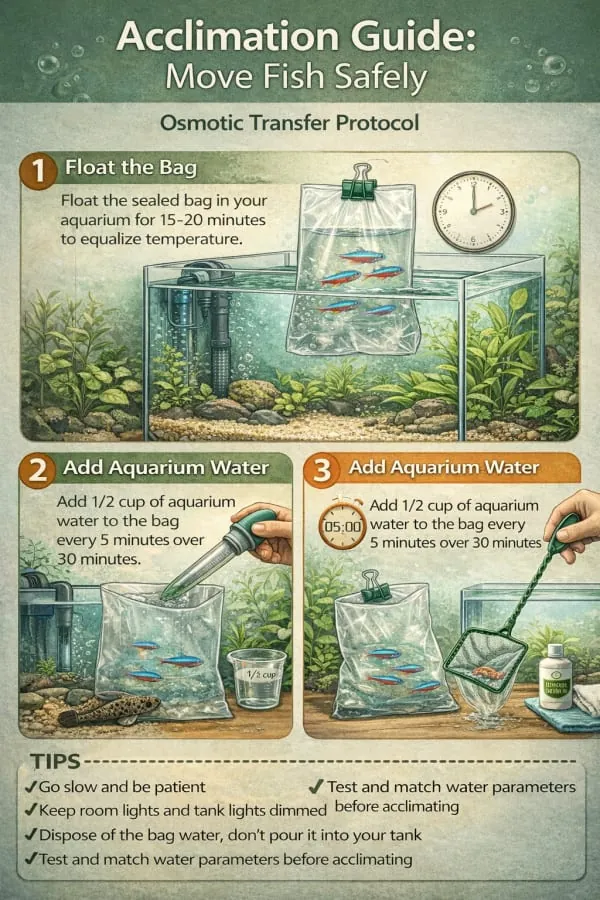
Acclimate new fish, shrimp, and coral safely: temperature floating, drip acclimation, plop-and-drop for shipped livestock, and the first 24 hours.
Keeping Firefly Betta?
AquaLens identifies your fish and plants from a photo, tracks water chemistry, and flags health issues early — free on iOS and Android.