Giant Feather Duster Care Guide
Sabellastarte magnifica · Saltwater Feather Duster
What Giant Feather Duster look like
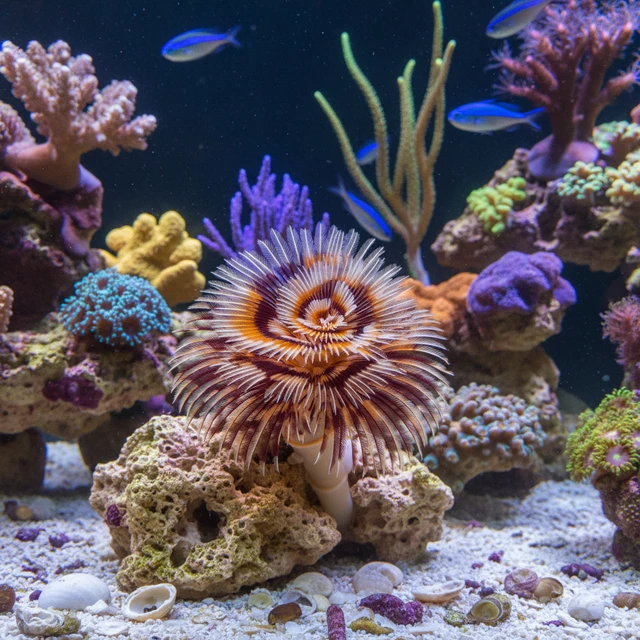
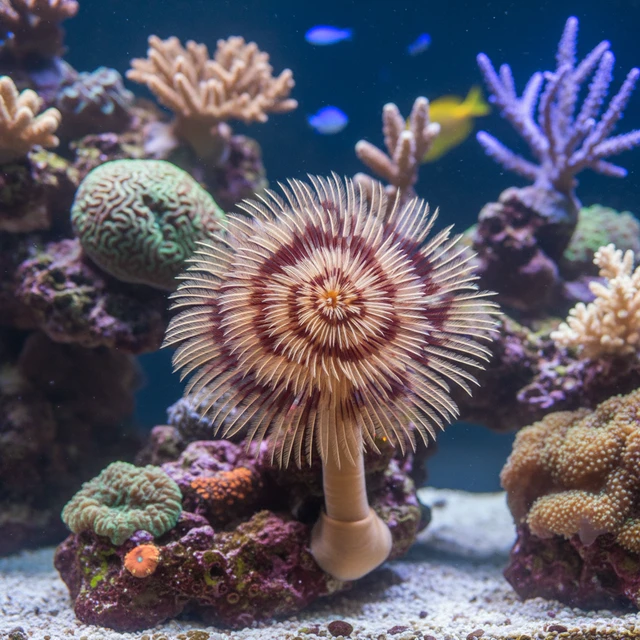
The Giant Feather Duster, scientifically known as Sabellastarte magnifica, exhibits a striking morphology characterized by a large, spiraled crown of feathery tentacles that can reach up to 12 inches in diameter. The body, or tube, is composed of a hardened, calcareous structure that can vary in color from pale beige to vibrant hues, often adorned with intricate patterns. Sexual dimorphism is not prominently observed in this species; however, males and females can be differentiated during reproductive periods by their gamete release behaviors. Defensive adaptations include the ability to retract their tentacles rapidly into the tube when threatened, providing protection from predators. Unique morphological features include the presence of a well-developed operculum that seals the tube's opening, and the tentacles are lined with cilia that facilitate feeding and respiration.
Behavior & temperament
The Giant Feather Duster is primarily a sedentary invertebrate, anchoring itself to substrates using its tube while extending its tentacles into the water column for feeding. It exhibits a passive feeding behavior, capturing plankton and detritus with its tentacles, which are equipped with cilia that create water currents. This species does not form social hierarchies but can be found in clusters, benefiting from increased feeding efficiency in nutrient-rich environments. Its temperament is generally peaceful, posing no threat to tank mates, and it will retract its tentacles when disturbed or threatened, showcasing a non-aggressive defensive behavior.
Diet & feeding
In the wild, the Giant Feather Duster primarily feeds on phytoplankton and suspended organic matter. In captivity, it requires a diet rich in fine particulate foods such as liquid phytoplankton, microalgae, and other small organic particles to thrive.
Behind the name
The genus name 'Sabellastarte' derives from the Latin 'sabella', meaning 'little sand', and 'starte', which is a reference to the star-like appearance of the tentacles. The species name 'magnifica' is derived from Latin, meaning 'magnificent', reflecting its impressive size and beauty.
Plan your tank
Check the numbers before you buy: tank volume, salinity, salt mix, water changes, and your ongoing care routine. Keeping reef? Start from the Saltwater & Reef hub.
Keep reading
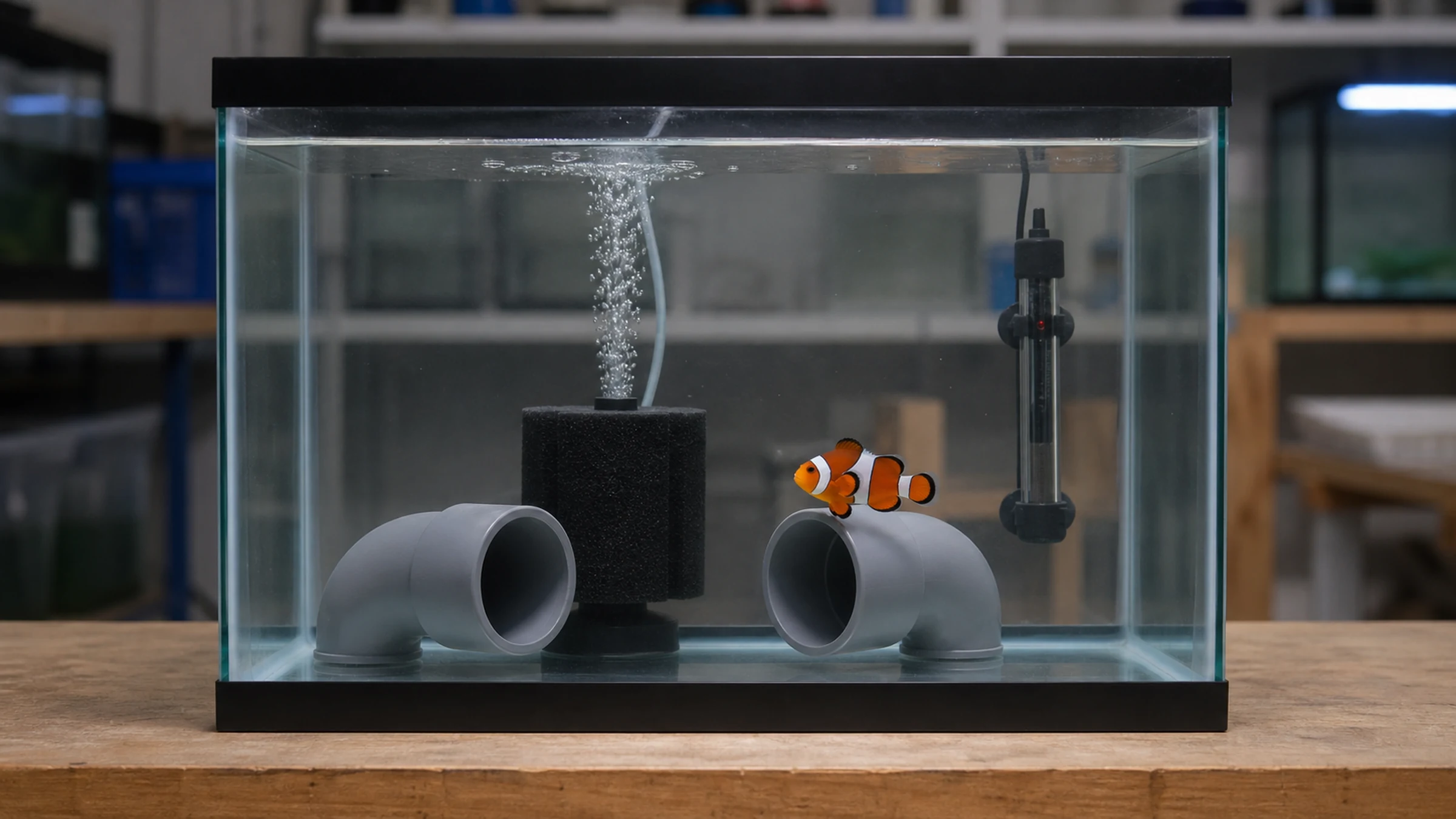
How to quarantine new saltwater fish against marine ich, velvet, and brooklynella: the QT tank, treatments, timelines, and the buy-clean shortcut.

What every reef parameter means and where to keep it: salinity, temperature, pH, alkalinity, calcium, magnesium, nitrate, and phosphate.

Choose compatible fish: school sizes, swimming zones, aggression, temperature and hardness matching, and honest bioload math for a peaceful community.
Keeping Giant Feather Duster?
AquaLens identifies your fish and plants from a photo, tracks water chemistry, and flags health issues early — free on iOS and Android.