Gold Spot Plecostomus Care Guide
Pterygoplithys joselimaianus · Freshwater Fish
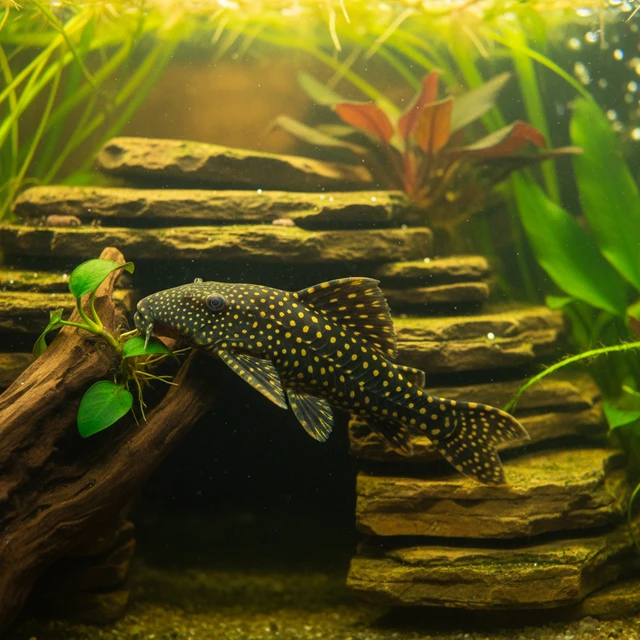
What Gold Spot Plecostomus look like
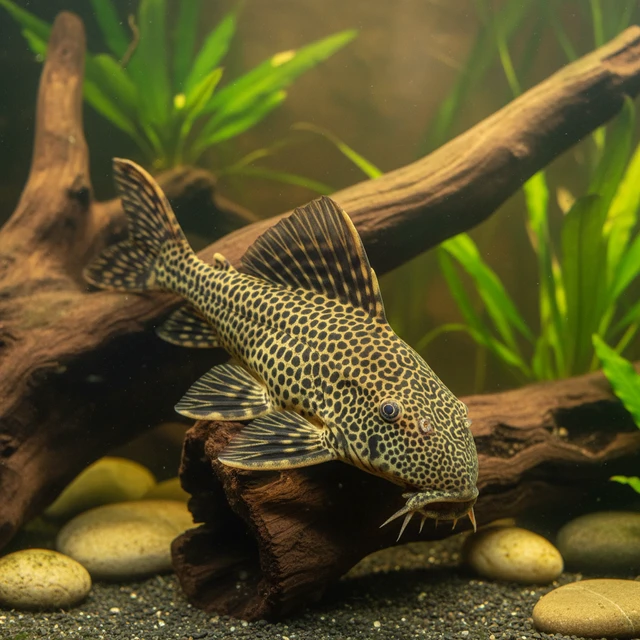
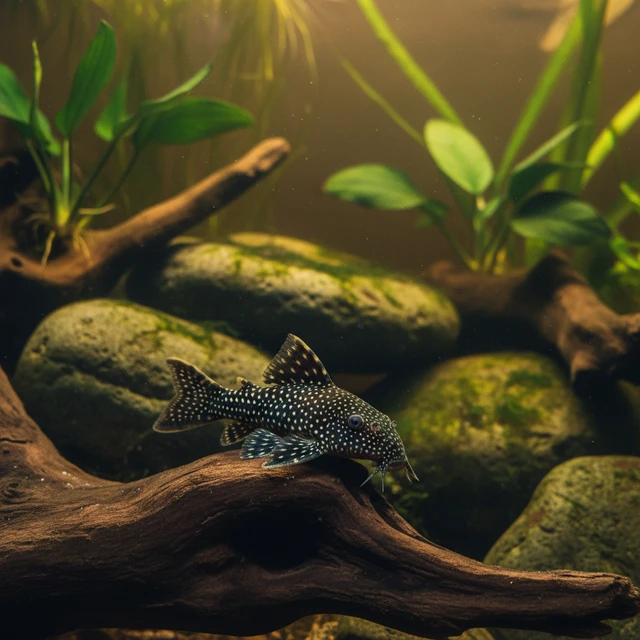
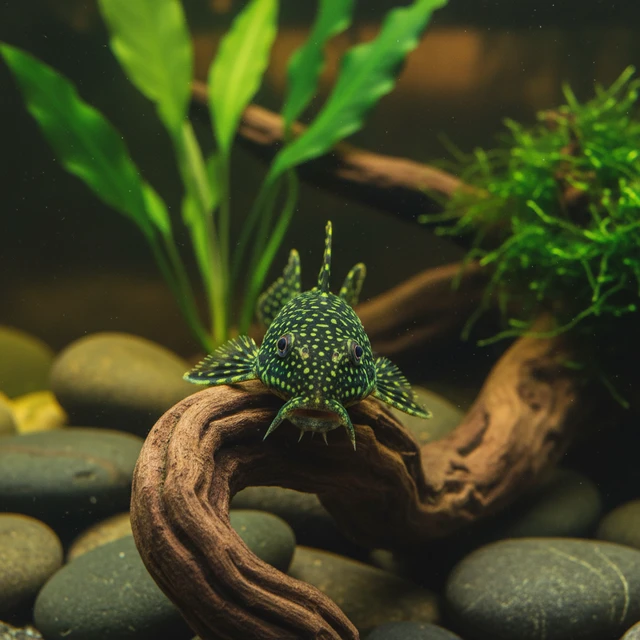
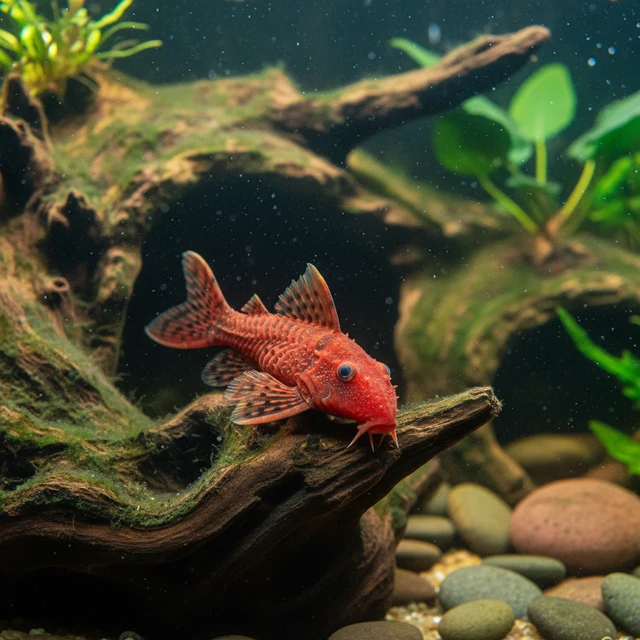
The Gold Spot Plecostomus, scientifically known as Pterygoplithys joselimaianus, exhibits a robust and laterally compressed body that can reach a maximum adult size of 10-14 inches. Its coloration is characterized by a dark, almost blackish-brown body adorned with striking golden-yellow spots, which serve as a form of camouflage among the rocky substrates of its natural habitat. The dorsal fin is notably tall and sail-like, contributing to its unique silhouette, while the presence of a well-developed adipose fin enhances its hydrodynamic efficiency. This species displays sexual dimorphism, with males typically exhibiting more pronounced odontodes (bristle-like structures) on their snouts and pectoral fins compared to the smoother, rounder females. As a defensive adaptation, the Gold Spot Plecostomus possesses a series of bony plates covering its body, providing protection against potential predators. Additionally, the species features a well-defined lateral line system, which aids in detecting vibrations in the water, essential for navigation and foraging.
Behavior & temperament
The Gold Spot Plecostomus is primarily a benthic species, often found dwelling on the substrate of freshwater rivers and streams. It exhibits a solitary nature but can be observed in loose aggregations, particularly during feeding times. This species is known for its peaceful temperament, making it compatible with a variety of tank mates, although it may exhibit territorial behaviors when confined to smaller spaces. During breeding, the Gold Spot Plecostomus is an egg scatterer, with females laying adhesive eggs on flat surfaces, which the males then guard until hatching. Their social hierarchy is relatively non-existent, as they do not form strict schools but rather maintain individual territories.
Diet & feeding
In the wild, the Gold Spot Plecostomus is an omnivore, primarily feeding on algae, detritus, and small invertebrates. In captivity, it thrives on a varied diet that includes high-quality sinking pellets, fresh vegetables, and occasional protein sources such as bloodworms or brine shrimp.
Behind the name
Pterygoplithys (wing stone); joselimaianus (named in honor of a specific individual or locality).
Plan your tank
Check the numbers before you buy: tank volume, a stocking plan, cycle progress, water changes, and your ongoing care routine.
Keep reading
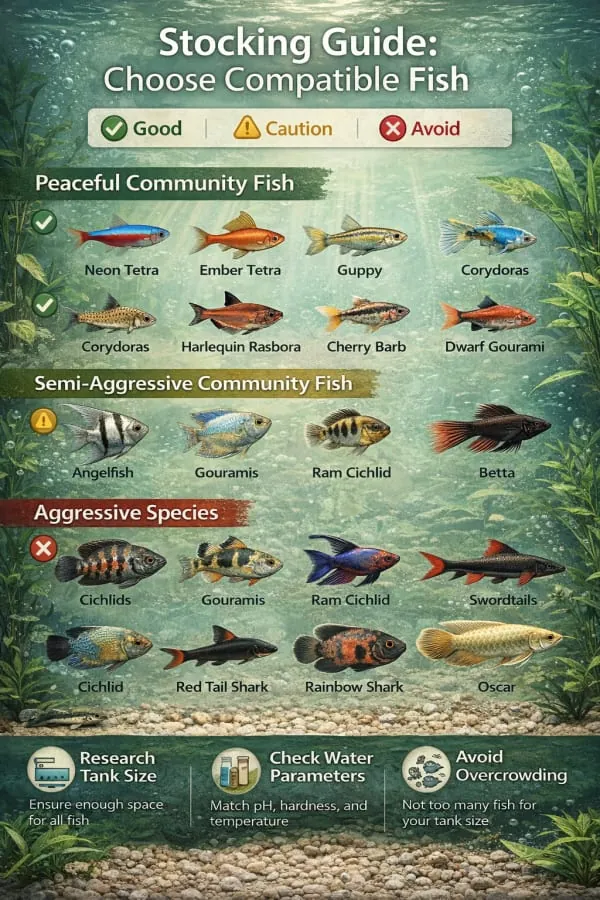
Choose compatible fish: school sizes, swimming zones, aggression, temperature and hardness matching, and honest bioload math for a peaceful community.
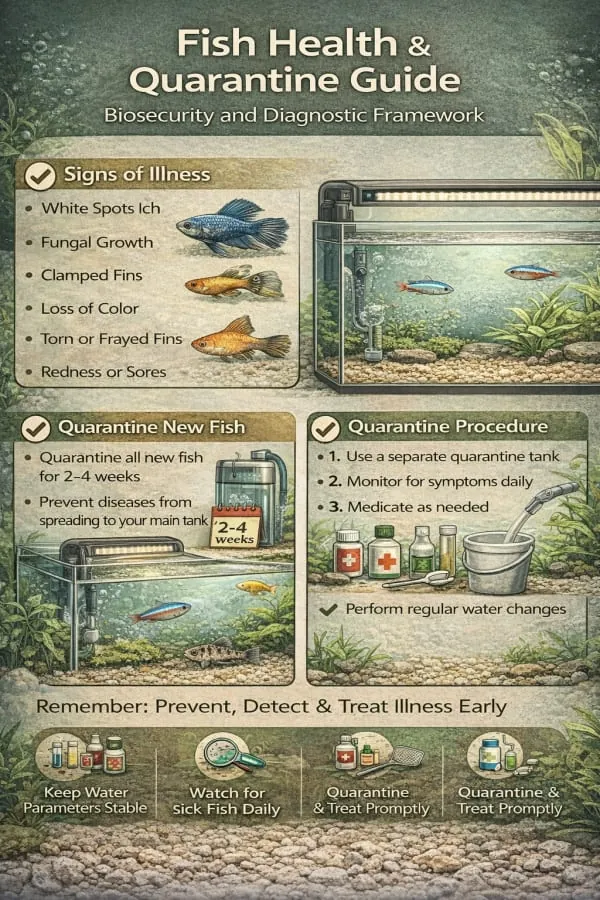
Quarantine new fish, spot the early warning signs, and treat disease without wrecking your tank. A practical freshwater fish health guide.
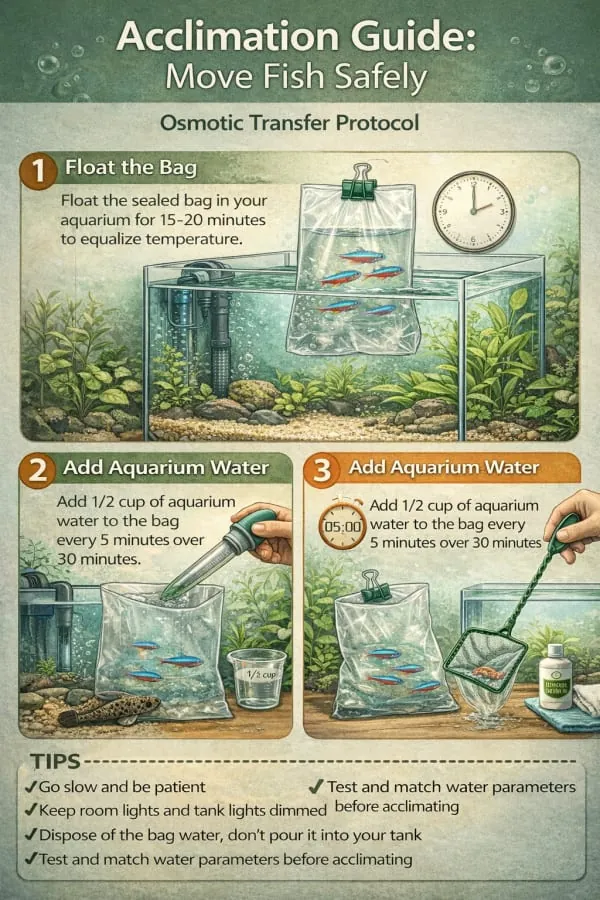
Acclimate new fish, shrimp, and coral safely: temperature floating, drip acclimation, plop-and-drop for shipped livestock, and the first 24 hours.
Keeping Gold Spot Plecostomus?
AquaLens identifies your fish and plants from a photo, tracks water chemistry, and flags health issues early — free on iOS and Android.