Green Star Polyps Care Guide
Pachyclavularia violacea · Saltwater Soft Coral
What Green Star Polyps look like
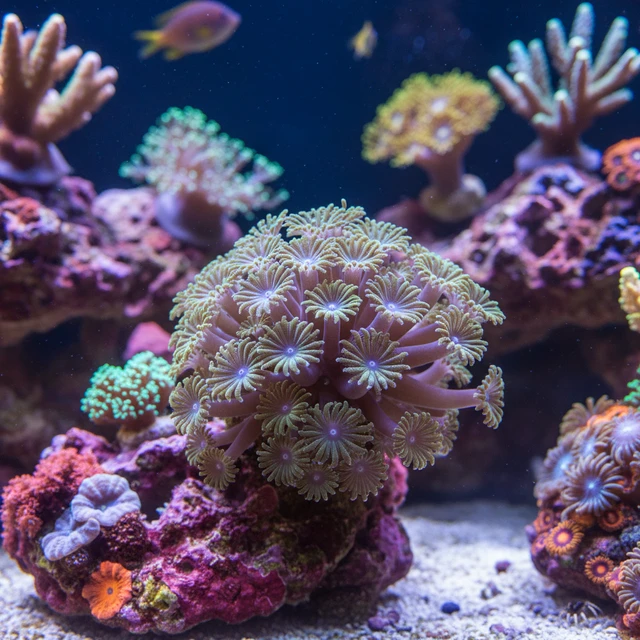
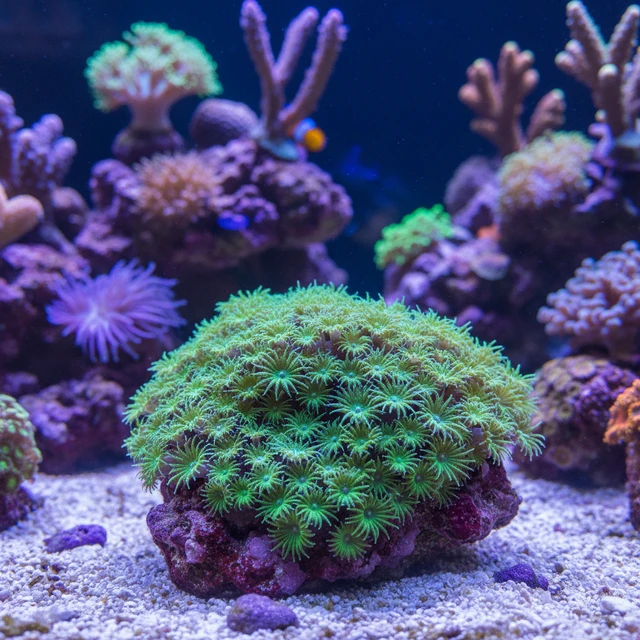
Pachyclavularia violacea, commonly known as Green Star Polyps, exhibits a distinctive morphology characterized by its vibrant green, star-shaped polyps that extend from a fleshy base. The individual polyps can reach up to 1.5 inches in diameter, with numerous tentacles radiating from a central mouth, creating a star-like appearance. The colony can expand significantly, often covering large areas of rock or substrate. This species lacks a hard skeleton, which is typical of soft corals, and instead possesses a flexible, gelatinous structure. The polyps are supported by a network of mesenterial filaments that aid in feeding and defense. While sexual dimorphism is not pronounced, the overall health and vibrancy of the colony can indicate its reproductive readiness. Defensive adaptations include the secretion of mucous and the presence of nematocysts, which can deliver mild stings to potential threats.
Behavior & temperament
Green Star Polyps are known for their rapid growth and ability to form extensive mats, often exhibiting a clonal growth pattern. They thrive in moderate to high light conditions and can extend their polyps fully during the day to capture plankton and particulate matter from the water column. This species does not exhibit aggressive territorial behavior but can overgrow neighboring corals if conditions are favorable. They engage in a form of passive feeding, relying on both photosynthesis from their symbiotic zooxanthellae and filter feeding. In terms of movement, they are sessile but can retract their polyps quickly in response to disturbances, showcasing a degree of sensitivity to environmental changes.
Diet & feeding
Pachyclavularia violacea is primarily a photosynthetic coral that derives energy from its symbiotic zooxanthellae, supplemented by filter feeding on plankton and organic particles in the water. In captivity, they benefit from regular feedings of phytoplankton and other fine particulate foods to enhance their growth and coloration.
Behind the name
The genus name 'Pachyclavularia' is derived from the Greek words 'pachy', meaning thick, and 'clavus', meaning club, referring to the club-like shape of the polyps. The species name 'violacea' comes from the Latin word for violet, indicating the color of the coral.
Plan your tank
Check the numbers before you buy: tank volume, salinity, salt mix, water changes, and your ongoing care routine. Keeping reef? Start from the Saltwater & Reef hub.
Keep reading
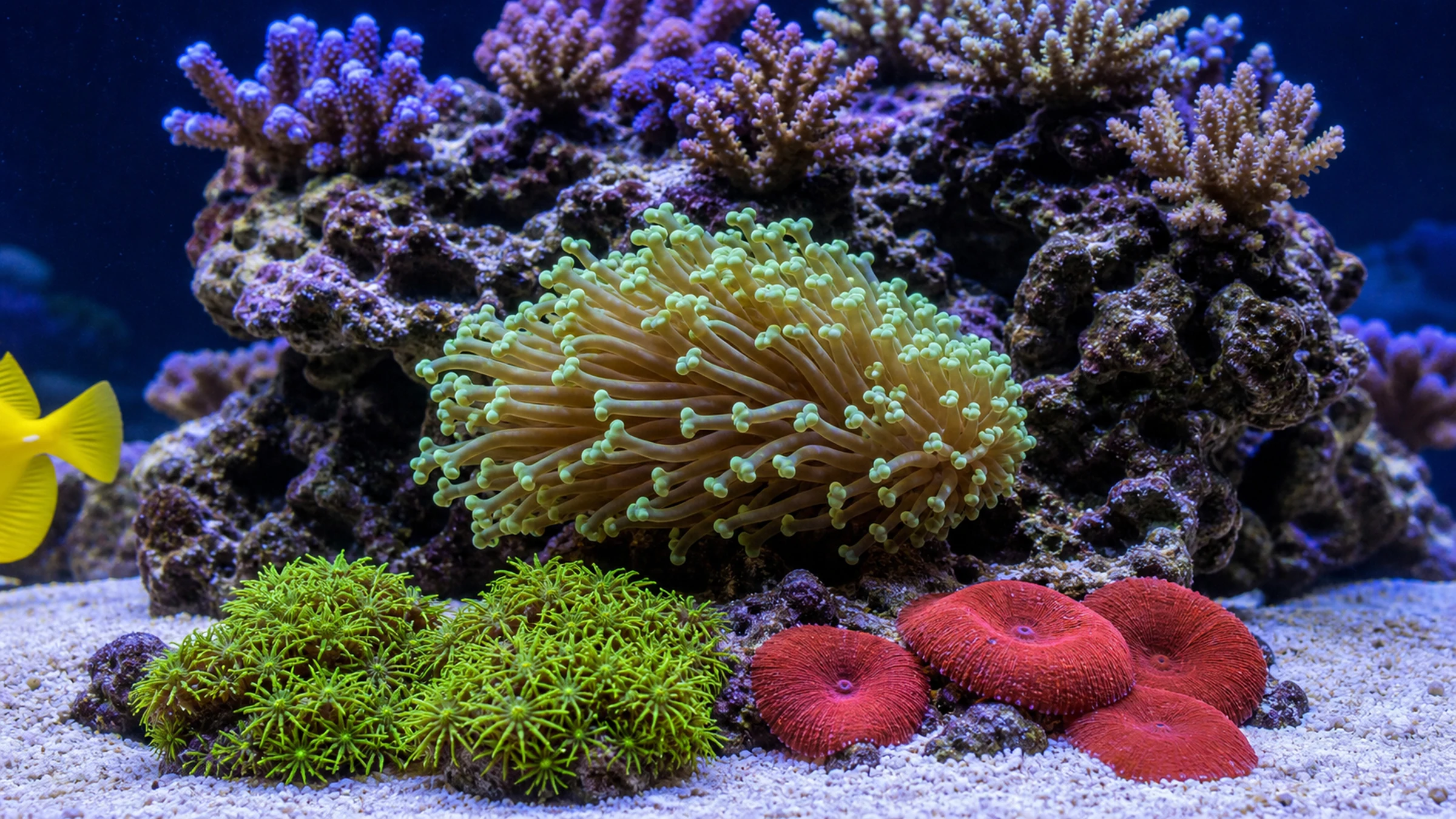
How to place corals by light and flow, PAR targets for softies, LPS, and SPS, dipping new corals for pests, and acclimating them without bleaching.
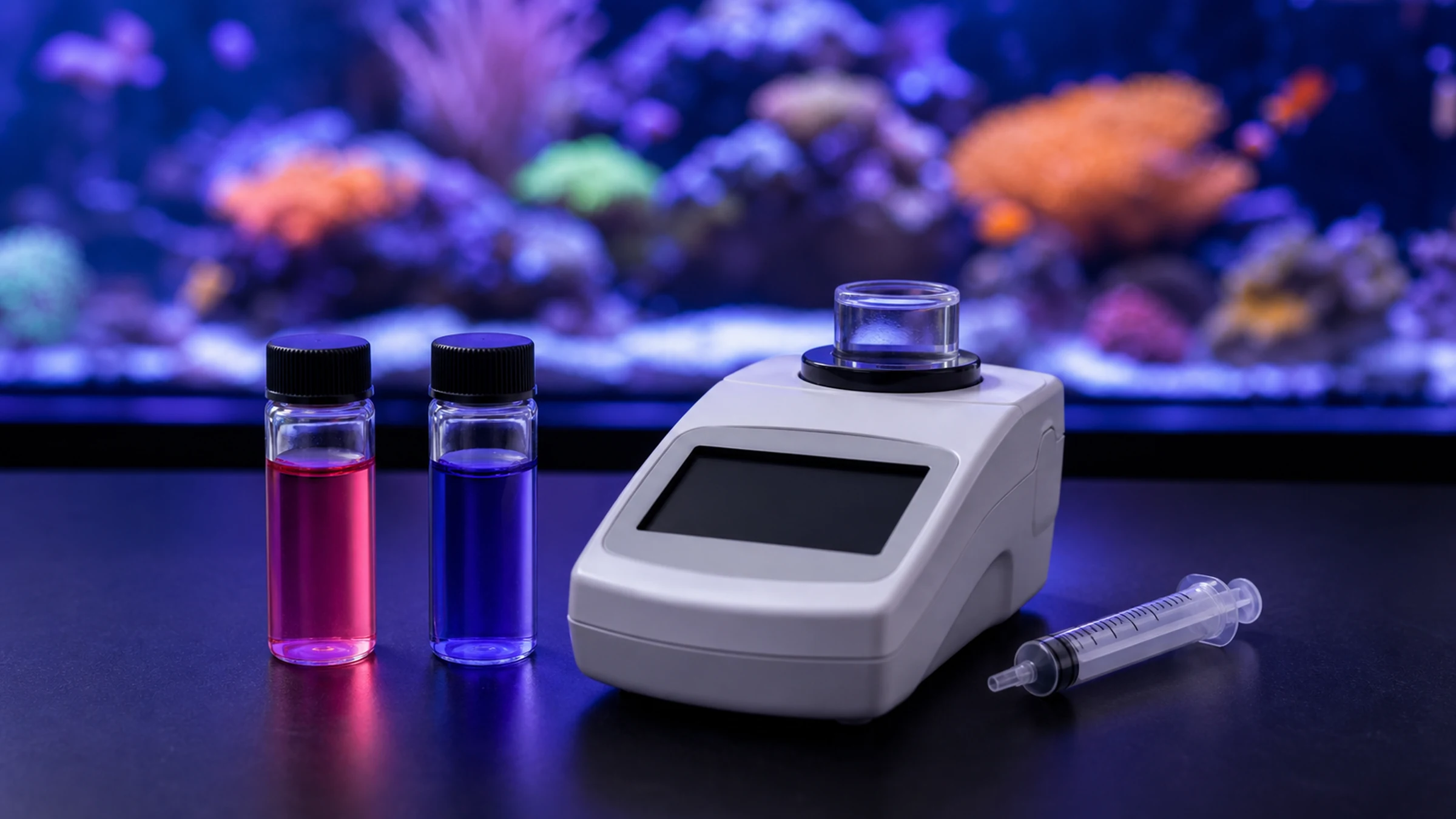
What every reef parameter means and where to keep it: salinity, temperature, pH, alkalinity, calcium, magnesium, nitrate, and phosphate.
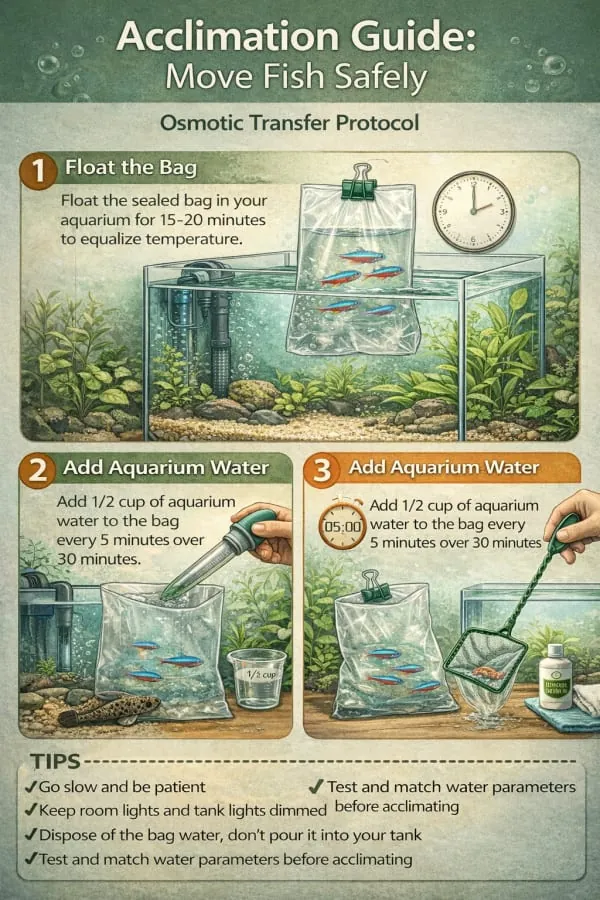
Acclimate new fish, shrimp, and coral safely: temperature floating, drip acclimation, plop-and-drop for shipped livestock, and the first 24 hours.
Keeping Green Star Polyps?
AquaLens identifies your fish and plants from a photo, tracks water chemistry, and flags health issues early — free on iOS and Android.