Guama Guppy Care Guide
Micropoecilis minima · Freshwater Fish
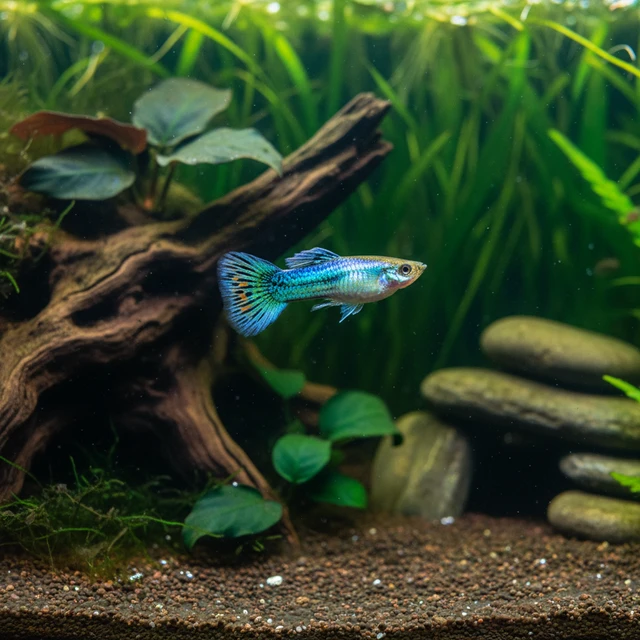
What Guama Guppy look like
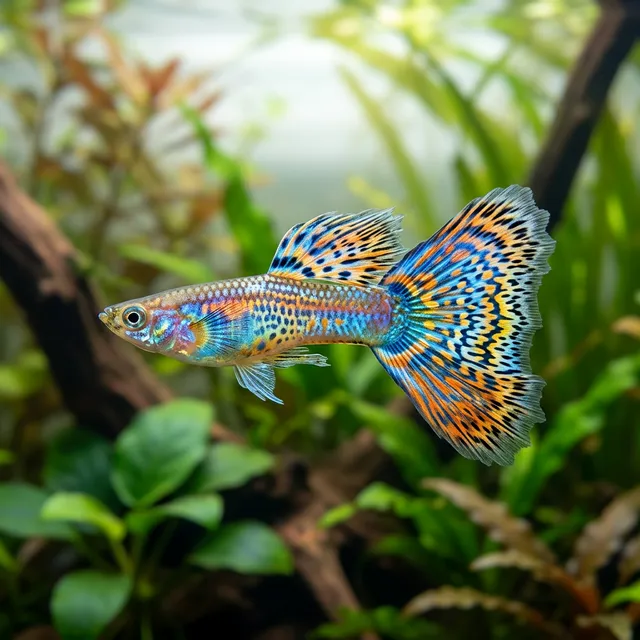
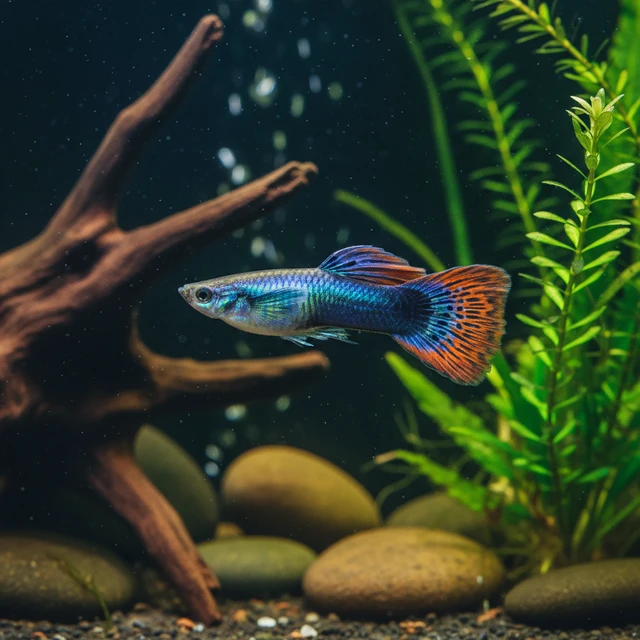
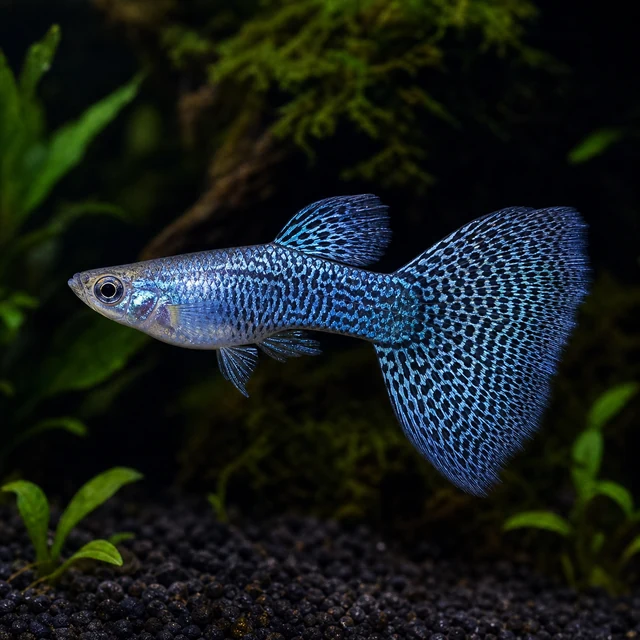
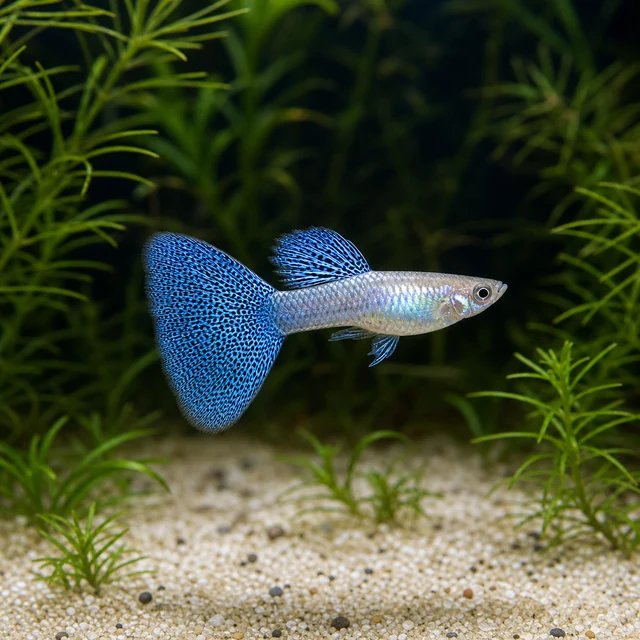
Micropoecilis minima, commonly known as the Guama Guppy, exhibits a diminutive size, typically reaching a maximum adult length of 0.5 to 1 inch (1.3 to 2.5 cm). This species is characterized by a laterally compressed, fusiform body that is more slender than that of its larger relatives, the fancy guppies. Males display a subtle iridescence across their translucent bodies, which serves as a visual cue during mating displays, while females are generally more robust and lack the vibrant coloration. The Guama Guppy possesses a small, forked caudal fin and a well-defined dorsal fin that is positioned towards the rear of the body. Its dentition is adapted for a varied diet, featuring small, conical teeth suitable for grazing on microalgae and detritus. Defensive adaptations include a tendency to inhabit densely vegetated areas, providing cover from predators, and a schooling behavior that enhances safety in numbers.
Behavior & temperament
The Guama Guppy is primarily a social fish, often found in small to moderate-sized schools, which enhances its survival in the wild. It typically occupies the upper to mid-water column, favoring densely vegetated habitats where it can forage and evade predators. This species exhibits a peaceful temperament, making it suitable for community tanks, although males may display territorial behaviors during breeding. Breeding occurs through live-bearing, with females giving birth to fully formed fry rather than laying eggs. Courtship displays involve males showcasing their iridescence to attract females, followed by a brief mating ritual. The Guama Guppy is generally non-aggressive, but males may exhibit competitive behaviors when vying for female attention.
Diet & feeding
In the wild, Micropoecilis minima is an omnivorous species, feeding on a diet that includes microalgae, small invertebrates, and detritus. In captivity, it thrives on a varied diet that includes high-quality flake food, live or frozen foods such as brine shrimp and daphnia, as well as spirulina-based supplements to ensure optimal health.
Behind the name
Micropoecilis (small cavity); minima (smallest).
Plan your tank
Check the numbers before you buy: tank volume, a stocking plan, cycle progress, water changes, and your ongoing care routine.
Keep reading

Choose compatible fish: school sizes, swimming zones, aggression, temperature and hardness matching, and honest bioload math for a peaceful community.
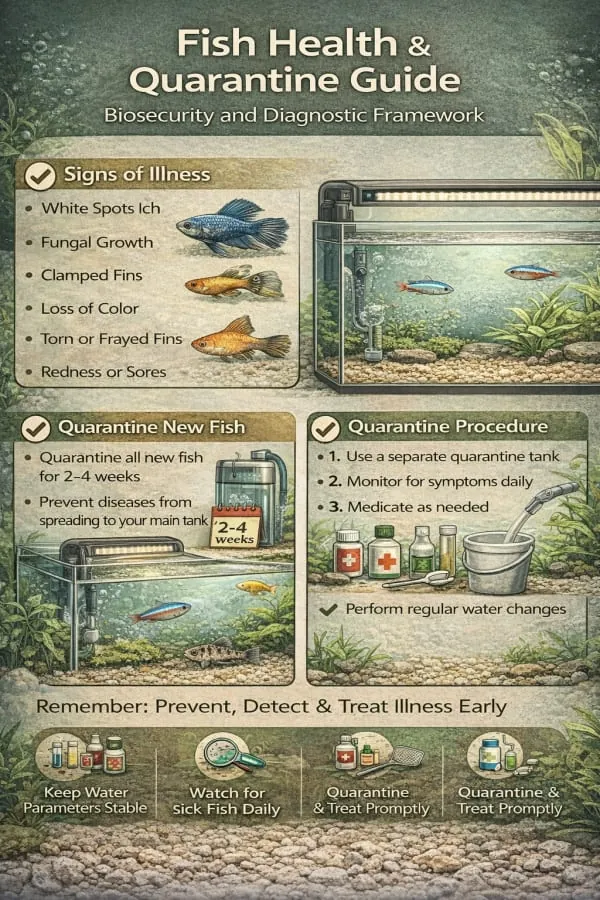
Quarantine new fish, spot the early warning signs, and treat disease without wrecking your tank. A practical freshwater fish health guide.
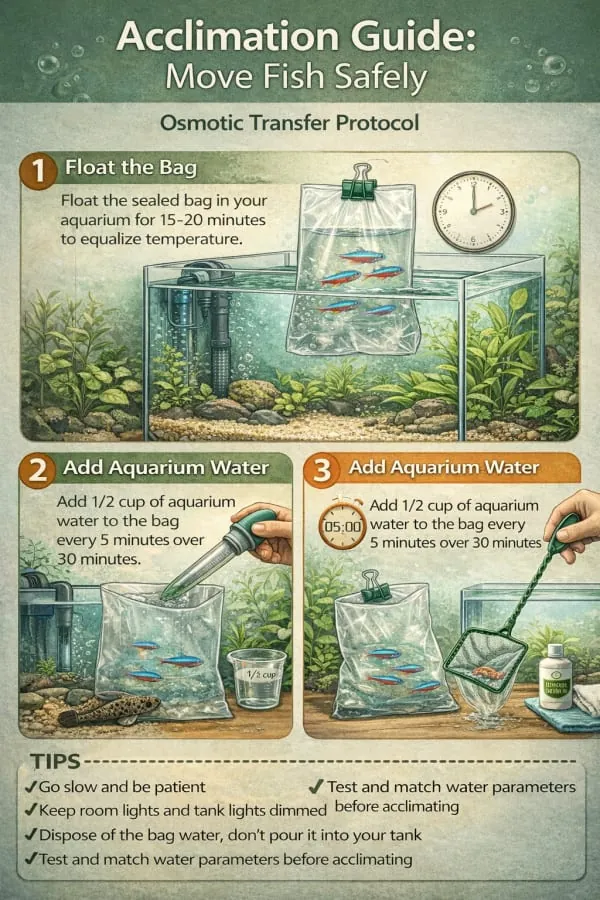
Acclimate new fish, shrimp, and coral safely: temperature floating, drip acclimation, plop-and-drop for shipped livestock, and the first 24 hours.
Keeping Guama Guppy?
AquaLens identifies your fish and plants from a photo, tracks water chemistry, and flags health issues early — free on iOS and Android.