Harlequin Shrimp Care Guide
Hymenocera elegans · Saltwater Shrimp
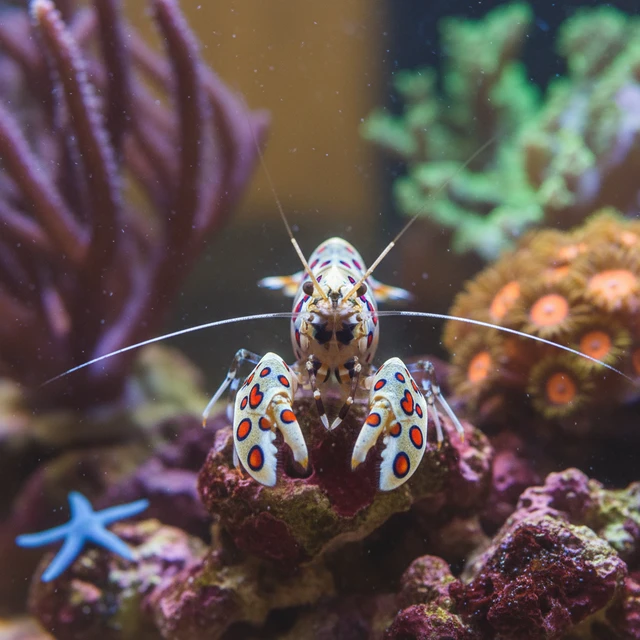
What Harlequin Shrimp look like
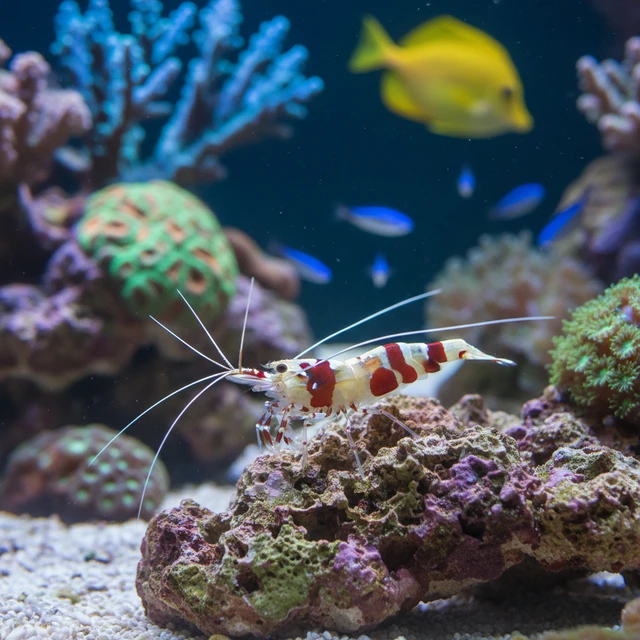
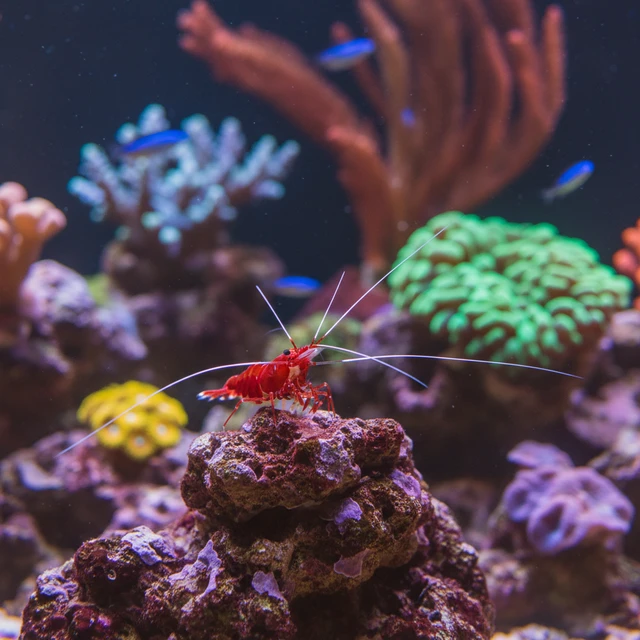
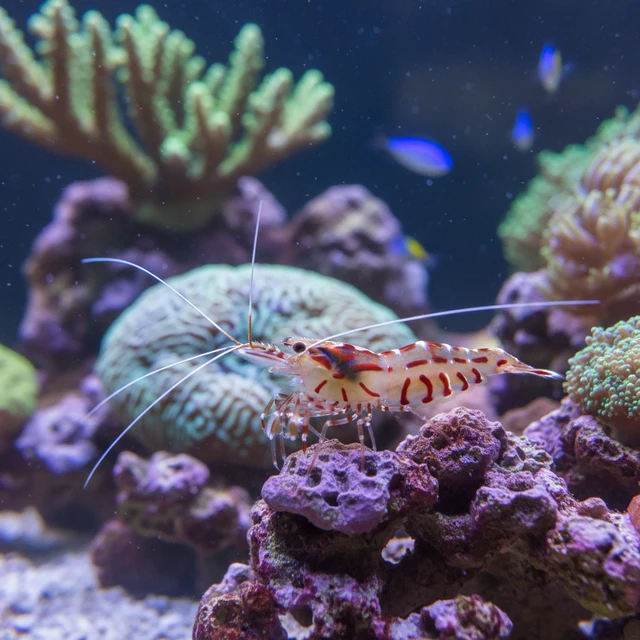
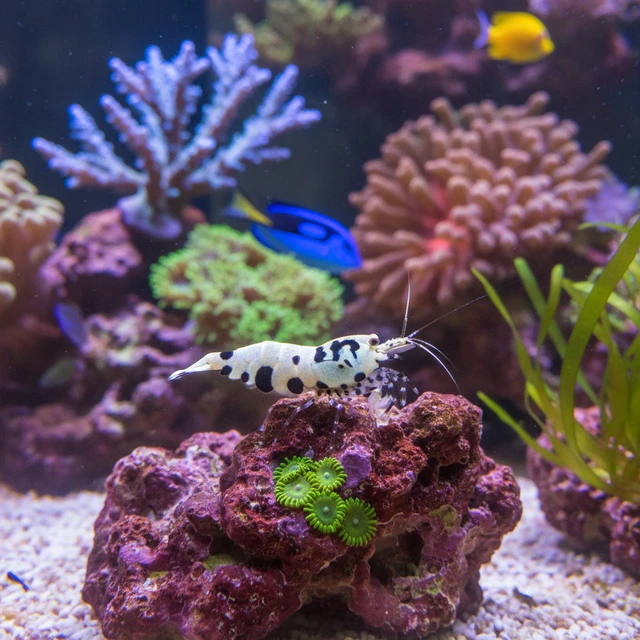
Hymenocera elegans, commonly known as the Harlequin Shrimp, exhibits a striking and vibrant coloration characterized by a combination of blue, orange, and white patterns that serve as a form of camouflage among the coral rubble and anemones in their natural habitat. This species typically reaches a maximum adult size of approximately 2 inches (5 cm) in carapace length. Sexual dimorphism is evident, with females being generally larger and possessing a more robust body compared to males. The shrimp's body is laterally compressed, enhancing its agility in tight crevices. Notably, the Harlequin Shrimp possesses specialized chelae (claws) that are flattened and adapted for grasping and manipulating starfish, their primary food source. Their exoskeleton is adorned with tubercles that may aid in their defense against predation, and they exhibit a unique ability to change color slightly in response to their environment.
Behavior & temperament
Hymenocera elegans is known for its fascinating social behavior, often observed in pairs, which indicates a level of monogamous bonding. They are primarily benthic creatures, residing on the substrate or among coral structures. Their feeding behavior is specialized, as they are obligate predators of echinoderms, particularly starfish, which they meticulously dismember using their specialized claws. During feeding, they exhibit a unique technique of flipping the starfish over to access its vulnerable underside. Harlequin Shrimp are generally non-aggressive towards other species but can display territorial behavior towards conspecifics, especially in confined spaces. Their movement is characterized by a slow, deliberate crawl, often pausing to extend their claws for foraging.
Diet & feeding
Hymenocera elegans is an obligate predator of starfish, particularly favoring species such as Acanthaster planci. In captivity, they require a diet that includes small pieces of starfish or other echinoderms to thrive.
Behind the name
The scientific name Hymenocera elegans derives from the Greek words 'hymen' meaning 'membrane' and 'keras' meaning 'horn', combined with the Latin 'elegans' meaning 'elegant' or 'refined', reflecting the shrimp's delicate and ornate appearance.
Plan your tank
Check the numbers before you buy: tank volume, salinity, salt mix, water changes, and your ongoing care routine. Keeping reef? Start from the Saltwater & Reef hub.
Keep reading
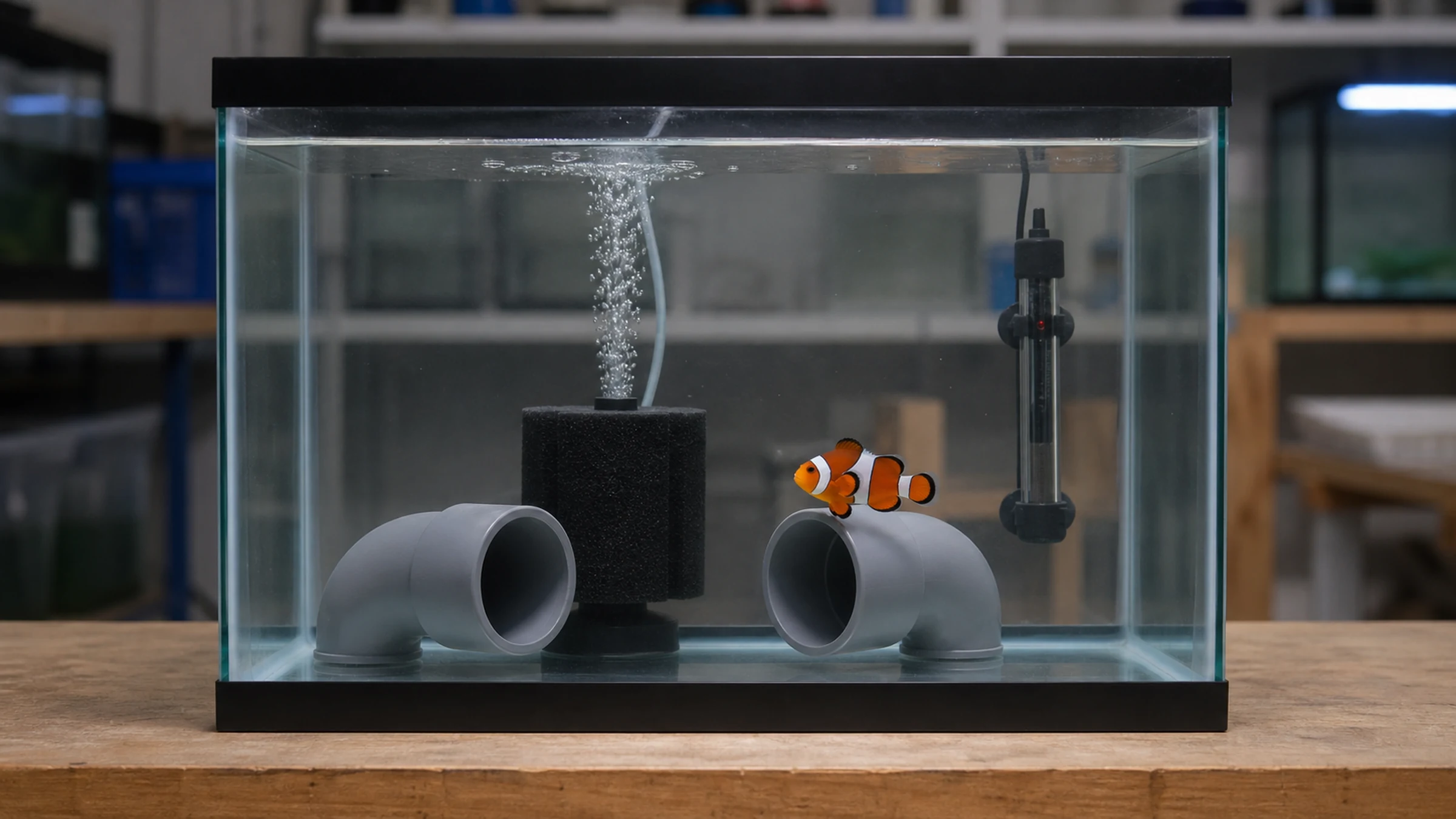
How to quarantine new saltwater fish against marine ich, velvet, and brooklynella: the QT tank, treatments, timelines, and the buy-clean shortcut.

What every reef parameter means and where to keep it: salinity, temperature, pH, alkalinity, calcium, magnesium, nitrate, and phosphate.

Choose compatible fish: school sizes, swimming zones, aggression, temperature and hardness matching, and honest bioload math for a peaceful community.
Keeping Harlequin Shrimp?
AquaLens identifies your fish and plants from a photo, tracks water chemistry, and flags health issues early — free on iOS and Android.