Himalayan Rabbit Snail Care Guide
Tylomelania marwotoae · Freshwater Invert
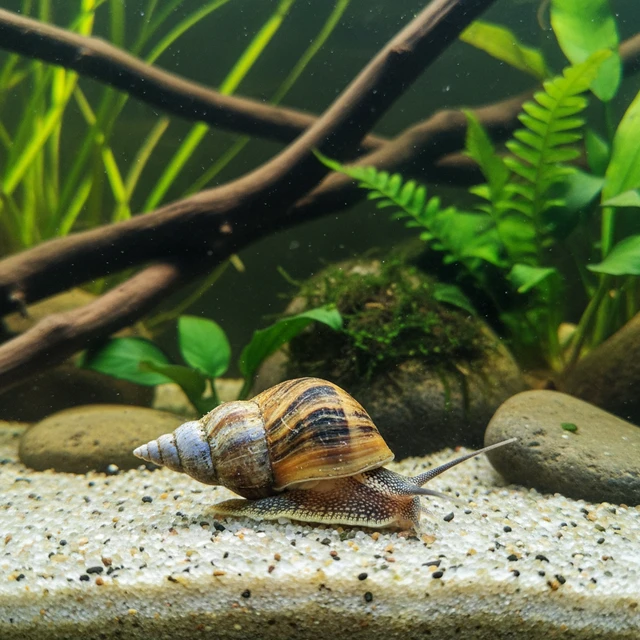
What Himalayan Rabbit Snail look like
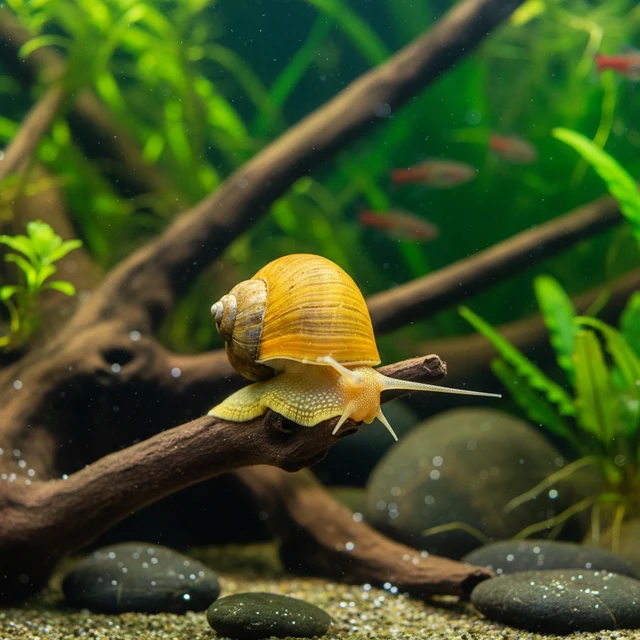
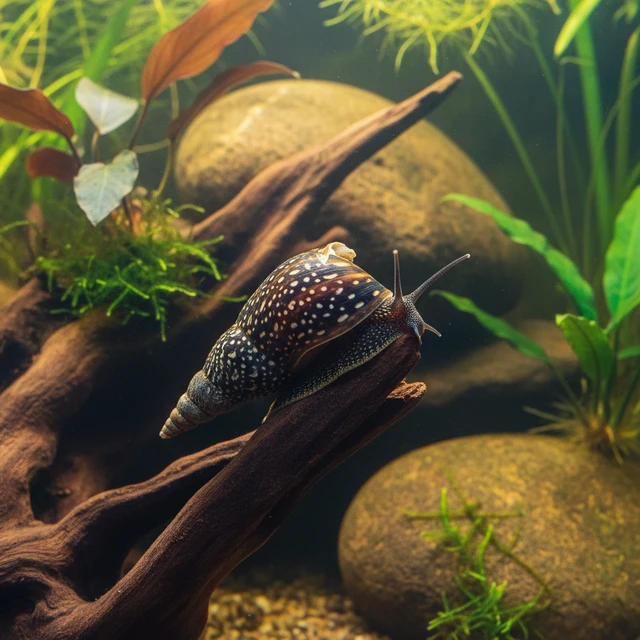
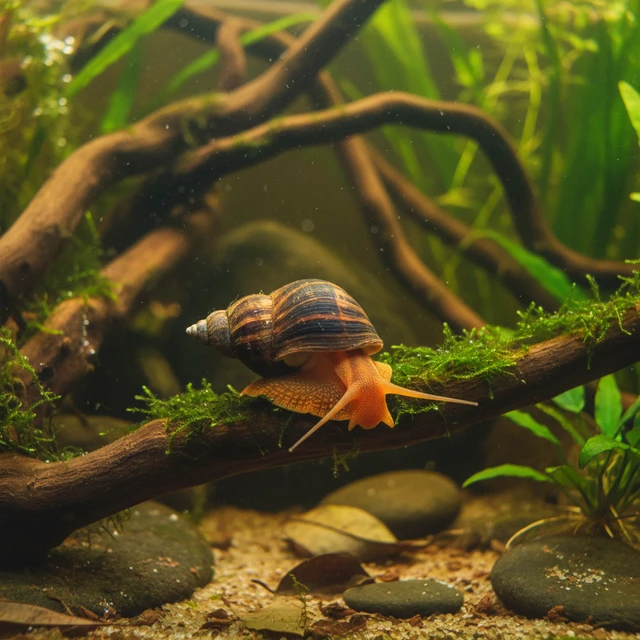
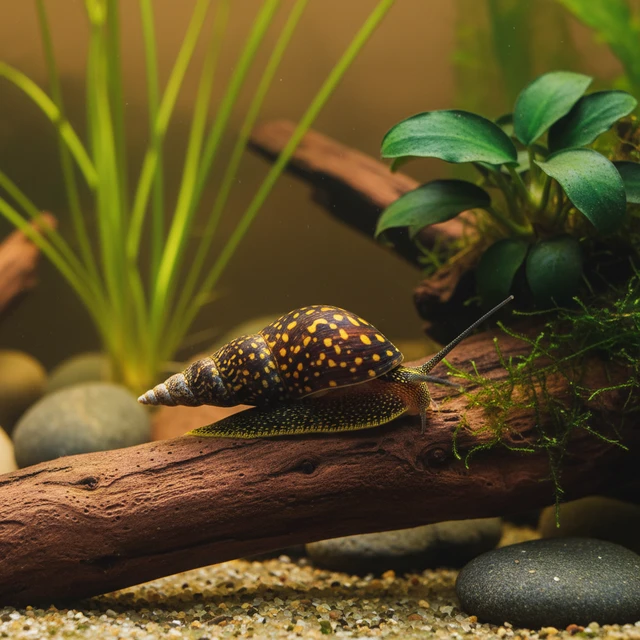
The Himalayan Rabbit Snail (Tylomelania marwotoae) exhibits a distinctive elongated, ribbed conical shell that can reach a maximum adult size of 4 to 12 inches. The shell is characterized by its ornate, ridged texture and dark brown coloration, which provides effective camouflage against its natural substrate. This species displays sexual dimorphism, with females typically exhibiting a slightly larger and more robust shell compared to males. Defensive adaptations include the ability to retract into its shell, which is reinforced by its thick, calcareous structure. Unique morphological features include prominent, drooping tentacles that serve as sensory organs, and large, well-developed eyes that enhance its visual acuity in its aquatic environment.
Behavior & temperament
Tylomelania marwotoae is primarily a benthic organism, often found inhabiting the substrate of freshwater environments in Sulawesi. It is generally solitary, although it can be observed in loose aggregations, particularly during feeding. This species exhibits a calm temperament, displaying minimal aggression towards tank mates. Breeding behavior involves egg scattering, with females laying fertilized eggs on the substrate, which then develop into juvenile snails. The Himalayan Rabbit Snail is known for its slow movement and grazing habits, often foraging for detritus and algae on the substrate.
Diet & feeding
In the wild, the Himalayan Rabbit Snail is an omnivore, feeding on detritus, algae, and decaying plant matter. In captivity, it requires a varied diet that includes high-quality algae wafers, blanched vegetables, and occasional protein sources such as spirulina or fish food flakes.
Behind the name
Tylomelania (from Greek 'tylos' meaning 'swelling' and 'melania' meaning 'black') refers to the swollen, dark appearance of the shell, while 'marwotoae' honors the local collector or researcher associated with the species.
Plan your tank
Check the numbers before you buy: tank volume, a stocking plan, cycle progress, water changes, and your ongoing care routine.
Keep reading

Choose compatible fish: school sizes, swimming zones, aggression, temperature and hardness matching, and honest bioload math for a peaceful community.
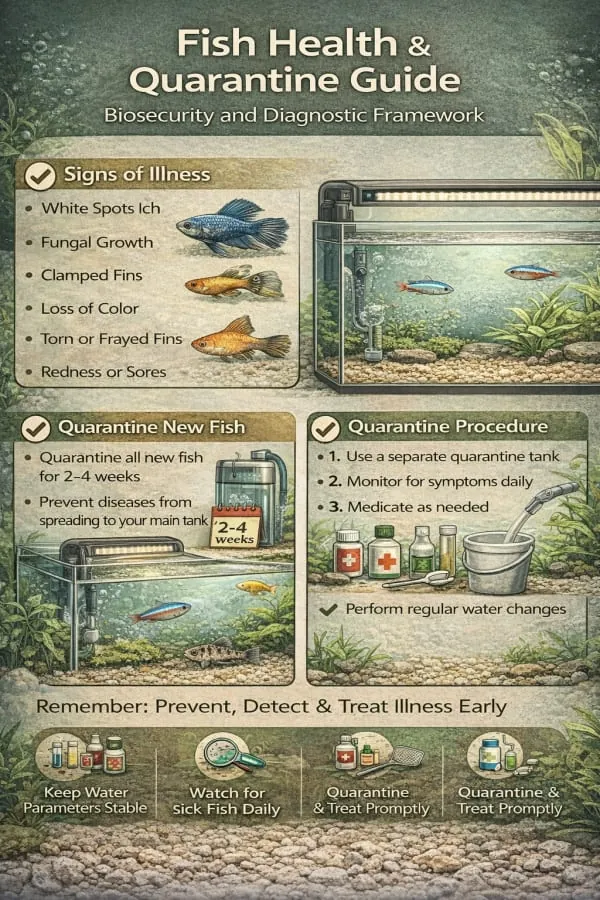
Quarantine new fish, spot the early warning signs, and treat disease without wrecking your tank. A practical freshwater fish health guide.
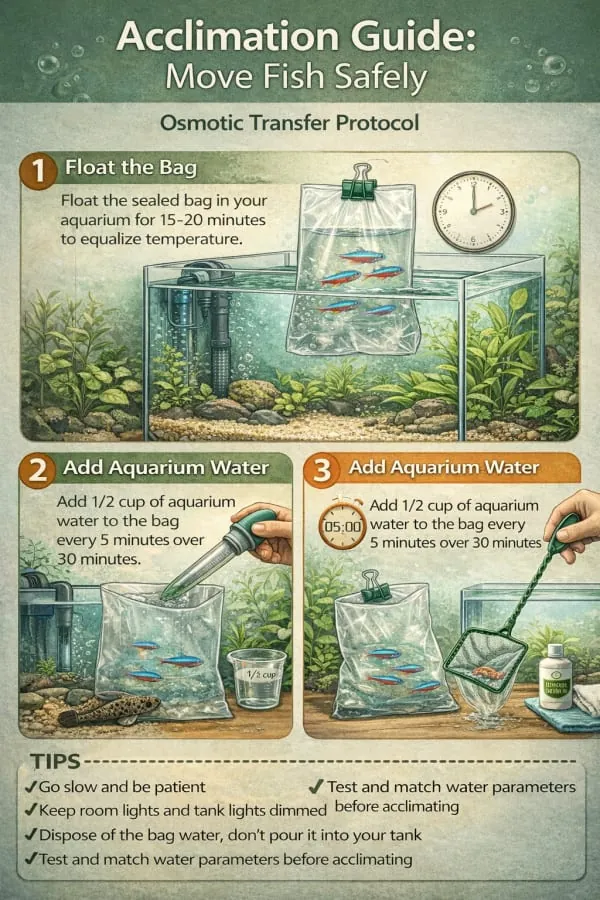
Acclimate new fish, shrimp, and coral safely: temperature floating, drip acclimation, plop-and-drop for shipped livestock, and the first 24 hours.
Keeping Himalayan Rabbit Snail?
AquaLens identifies your fish and plants from a photo, tracks water chemistry, and flags health issues early — free on iOS and Android.