Dwarf Hygrophila Care Guide
Hygrophila polysperma · Freshwater Plant
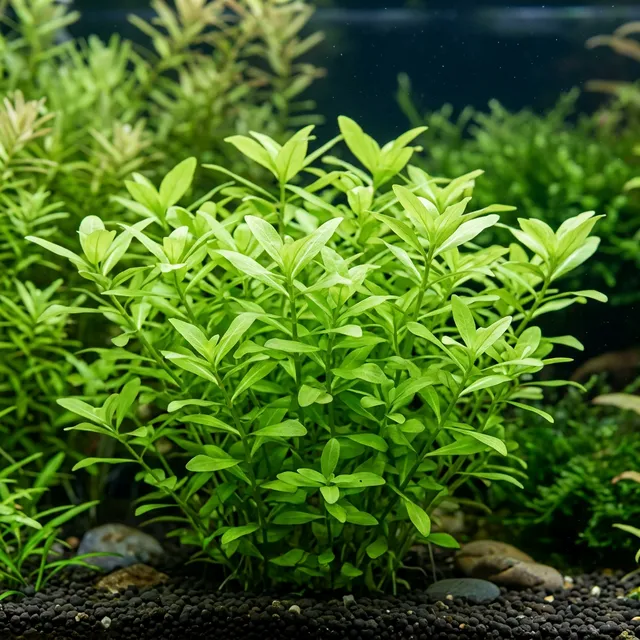
What Dwarf Hygrophila look like
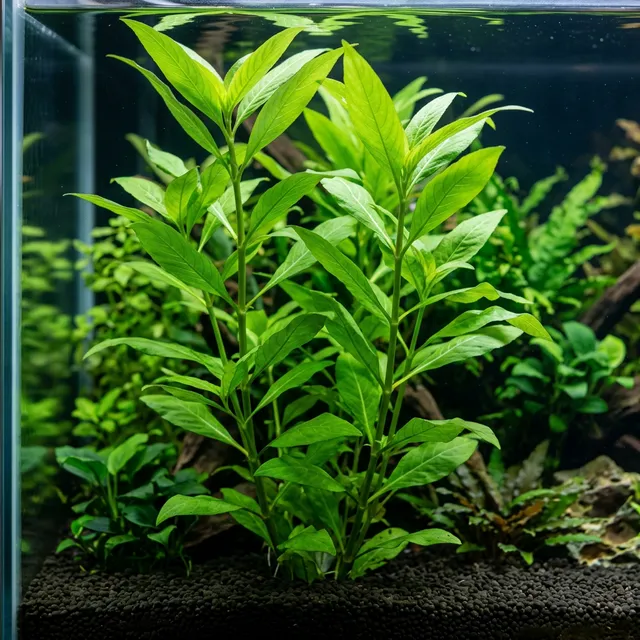
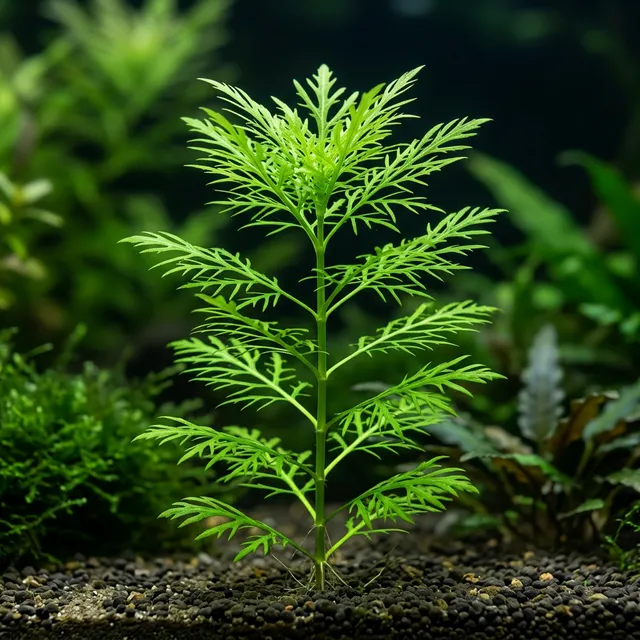
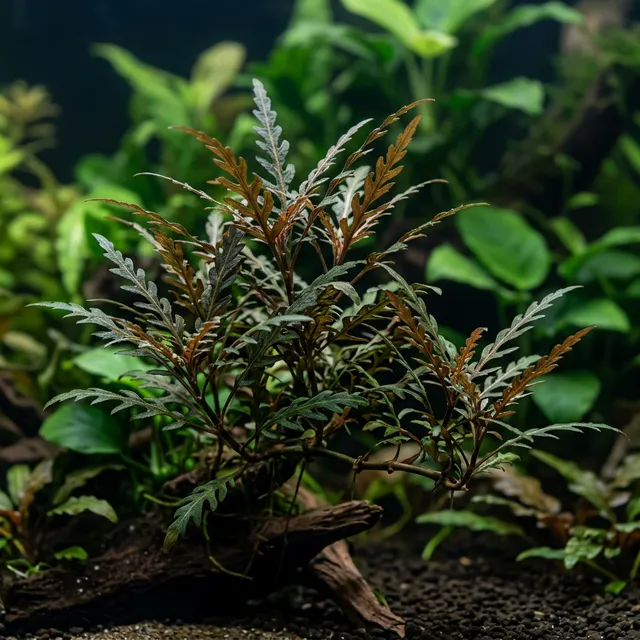
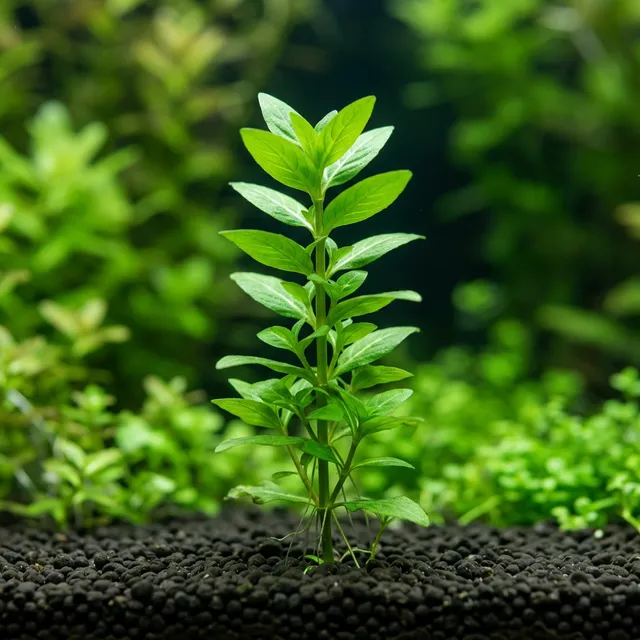
Hygrophila polysperma, commonly known as Dwarf Hygrophila, exhibits a robust morphology characterized by its small to medium-sized stem structure, typically reaching a maximum height of 2-15 inches. The leaves are oval-shaped, measuring approximately 1-1.5 inches in length, and are arranged in opposite pairs along the stem, contributing to a bushy appearance. The foliage is thin, slightly translucent, and displays a vibrant lime green coloration, which enhances its aesthetic appeal in aquatic environments. This species is known for its rapid growth and ability to form dense thickets when regularly trimmed, making it a favored choice among aquarists. Notably, it lacks significant sexual dimorphism and defensive adaptations, relying instead on its hardiness and resilience to thrive in various conditions.
Behavior & temperament
Dwarf Hygrophila is a highly adaptable aquatic plant that typically dwells in the upper to mid-water column, often found in shallow waters of its native habitat in India. It does not exhibit social hierarchy as it is not a schooling species; rather, it grows in dense colonies. This plant is primarily a photosynthetic organism, utilizing sunlight to thrive, and it reproduces through vegetative propagation, producing side shoots and runners. Its temperament is generally non-aggressive, making it an ideal choice for community aquariums where it can coexist harmoniously with various fish species.
Diet & feeding
As a photosynthetic plant, Dwarf Hygrophila relies on light and carbon dioxide for its nutrition, thriving in environments with ample light availability. In captivity, it requires a nutrient-rich substrate and may benefit from liquid fertilizers to support its rapid growth and vibrant coloration.
Behind the name
Hygrophila (from Greek 'hygros' meaning 'wet' or 'moist'; and 'philos' meaning 'loving') polysperma (from Greek 'poly' meaning 'many' and 'sperma' meaning 'seeds').
Plan your tank
Check the numbers before you buy: tank volume, a stocking plan, cycle progress, water changes, and your ongoing care routine.
Keep reading
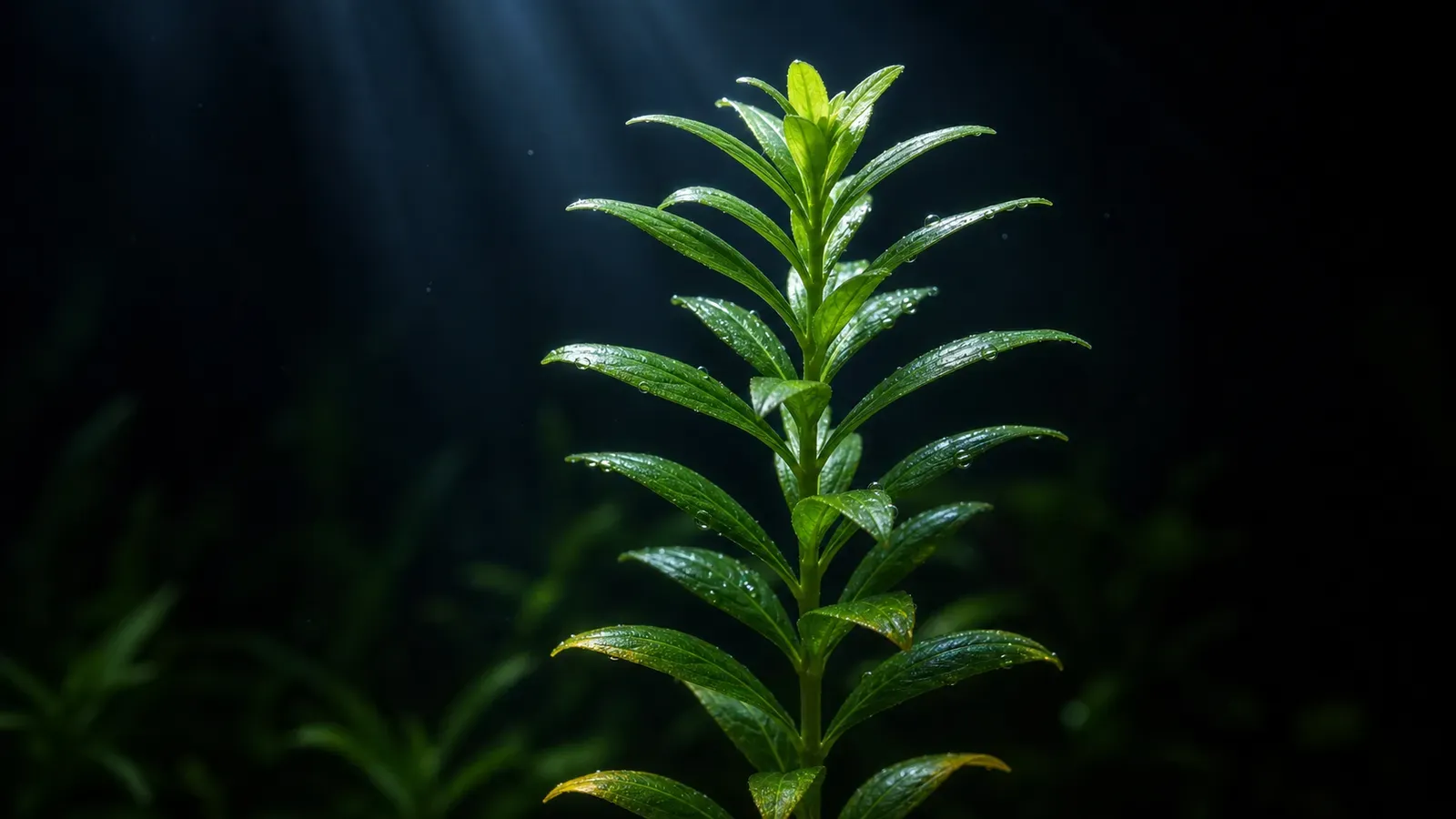
Diagnose aquarium plant deficiencies by leaf age and symptom: yellowing, pinholes, twisting, and stunting. Read the pattern, then fix it safely.
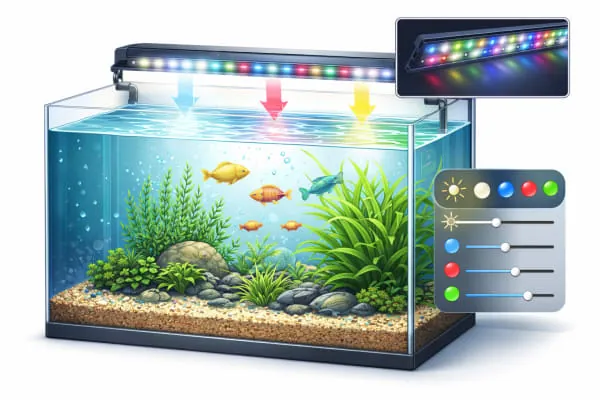
PAR-first planted tank lighting: choose intensity by what you grow, set photoperiod and spectrum, kill shadows, and hold algae back without overspending.
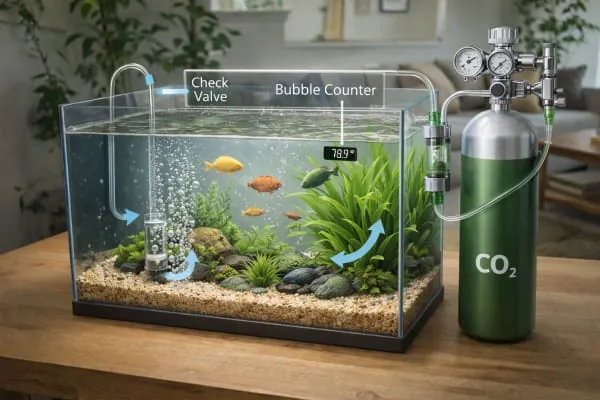
Aquarium CO₂ injection made safe: how carbon, light, and nutrients balance, which system to buy, and how to dial it in without gassing your fish.
Keeping Dwarf Hygrophila?
AquaLens identifies your fish and plants from a photo, tracks water chemistry, and flags health issues early — free on iOS and Android.