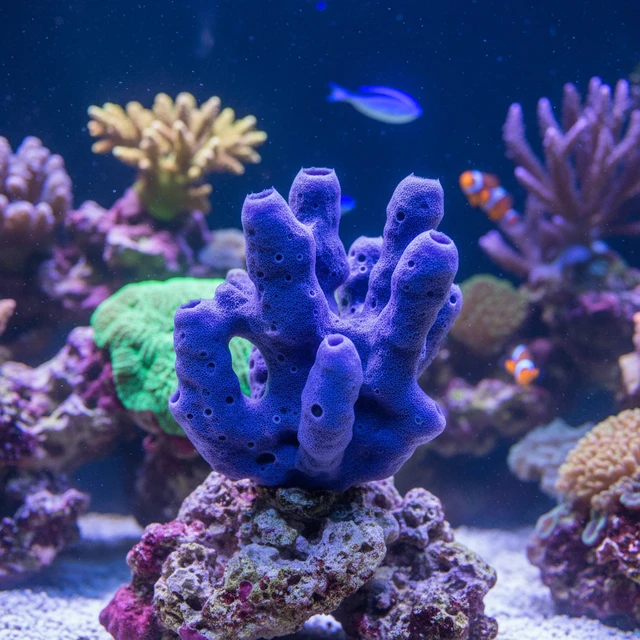
Orange Tree Sponge Care Guide
Ptilocaulis walpersi · Saltwater Sponge
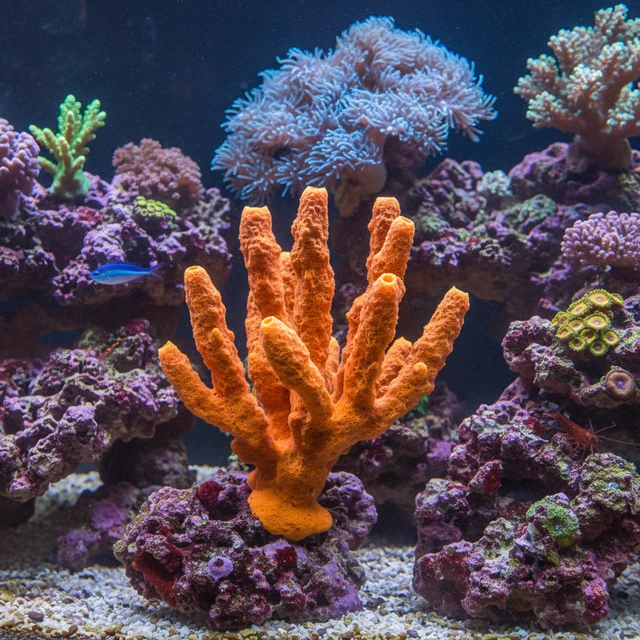
What Orange Tree Sponge look like
Ptilocaulis walpersi, commonly known as the Orange Tree Sponge, exhibits a distinctive morphology characterized by its branching, tree-like structure that can reach a maximum height of 30 centimeters. The sponge features a vibrant orange coloration, which is attributed to the presence of carotenoid pigments. Its surface is covered in small oscula, which are the excurrent openings, and the texture is generally soft and pliable. The sponge's body is composed of a network of siliceous spicules that provide structural support, while its porous nature allows for efficient water filtration. There is no sexual dimorphism observed in this species, as both sexes share similar physical characteristics. Additionally, the sponge possesses a unique ability to regenerate rapidly, making it resilient to physical disturbances.
Behavior & temperament
The Orange Tree Sponge is primarily a sessile organism, exhibiting minimal movement as it anchors itself to substrates in shallow marine environments. It engages in filter feeding, drawing in water through its porous structure to extract plankton and organic particles. This sponge often forms symbiotic relationships with various microorganisms, including photosynthetic algae, which can enhance its nutrient uptake. While it does not exhibit aggressive behaviors, it can release chemical compounds to deter potential competitors or predators. The sponge's polyp extension patterns are not applicable, as it lacks true polyps; instead, it relies on its filtration system for nutrient acquisition.
Diet & feeding
Ptilocaulis walpersi is a filter feeder, primarily consuming plankton and organic detritus from the water column. In captivity, it requires a stable supply of phytoplankton and other small particulate matter to thrive.
Behind the name
The genus name 'Ptilocaulis' is derived from the Greek words 'ptilo' meaning feather and 'caulis' meaning stem, referring to its feather-like branching structure. The species name 'walpersi' honors the German botanist and zoologist Wilhelm Walpers.
Plan your tank
Check the numbers before you buy: tank volume, salinity, salt mix, water changes, and your ongoing care routine. Keeping reef? Start from the Saltwater & Reef hub.
Keep reading
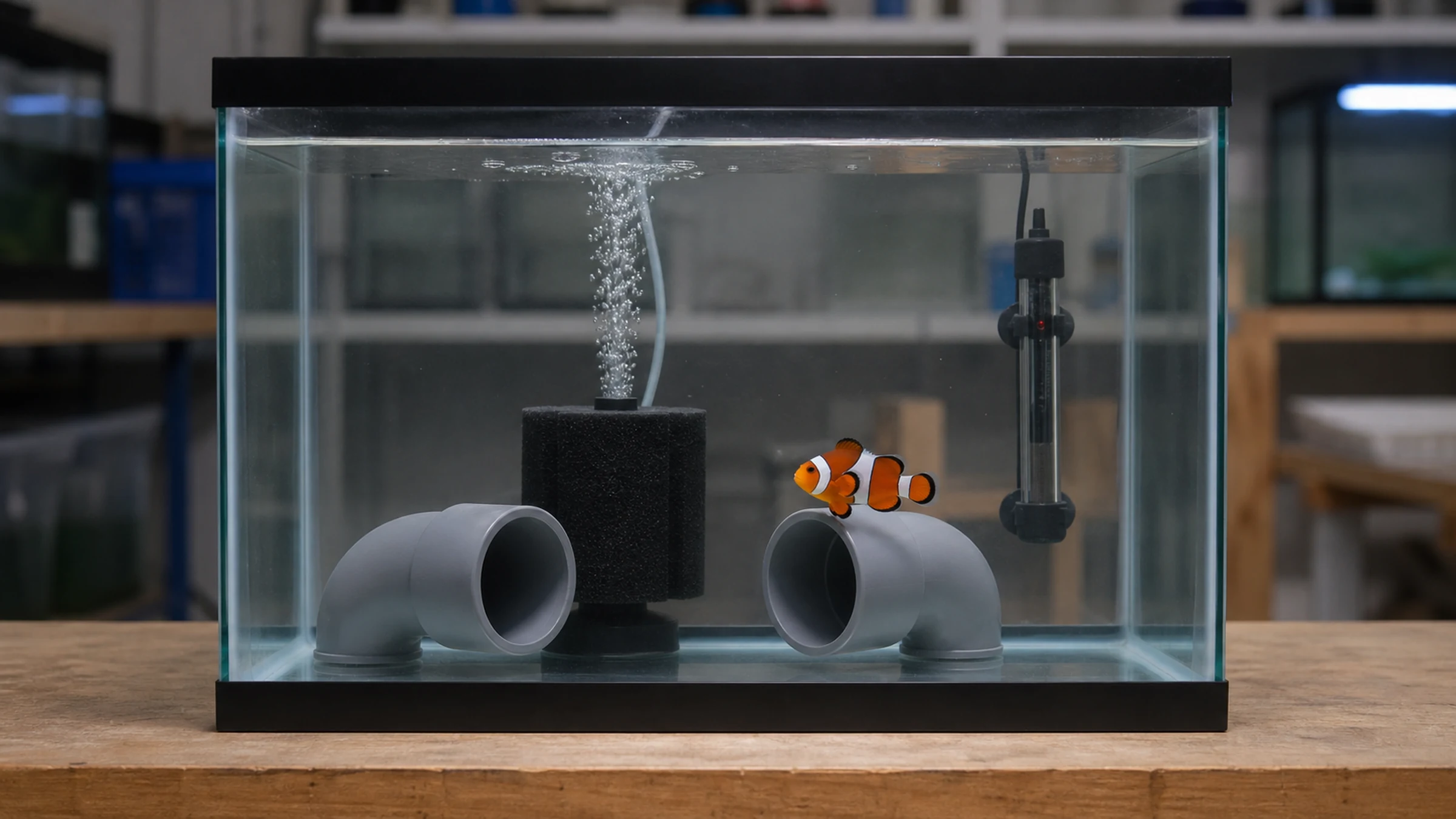
How to quarantine new saltwater fish against marine ich, velvet, and brooklynella: the QT tank, treatments, timelines, and the buy-clean shortcut.

What every reef parameter means and where to keep it: salinity, temperature, pH, alkalinity, calcium, magnesium, nitrate, and phosphate.
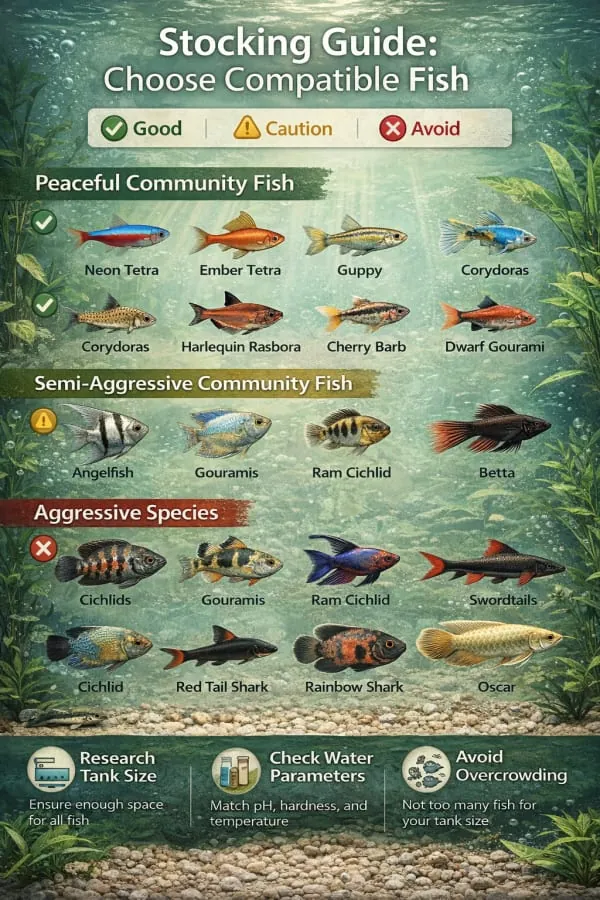
Choose compatible fish: school sizes, swimming zones, aggression, temperature and hardness matching, and honest bioload math for a peaceful community.
Keeping Orange Tree Sponge?
AquaLens identifies your fish and plants from a photo, tracks water chemistry, and flags health issues early — free on iOS and Android.