Organ Pipe Coral Care Guide
Tubipora musica · Saltwater Soft Coral
What Organ Pipe Coral look like
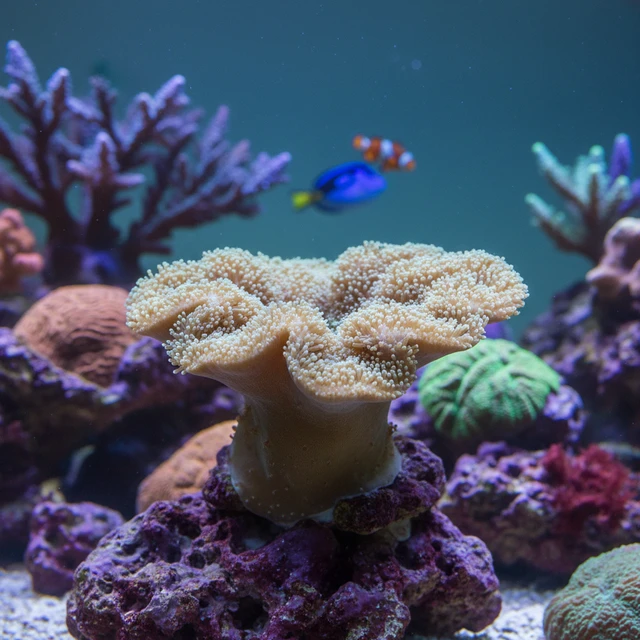
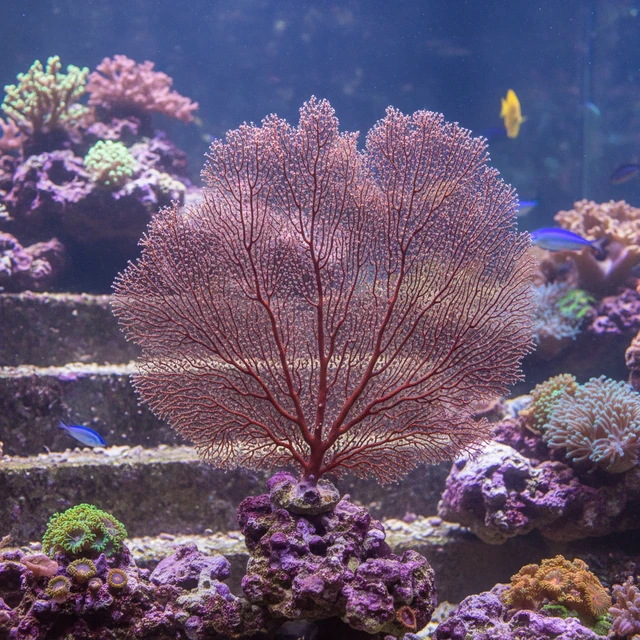
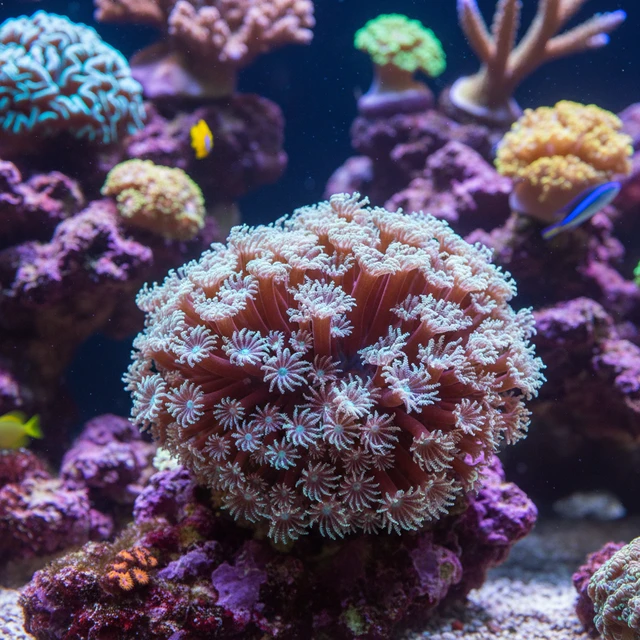
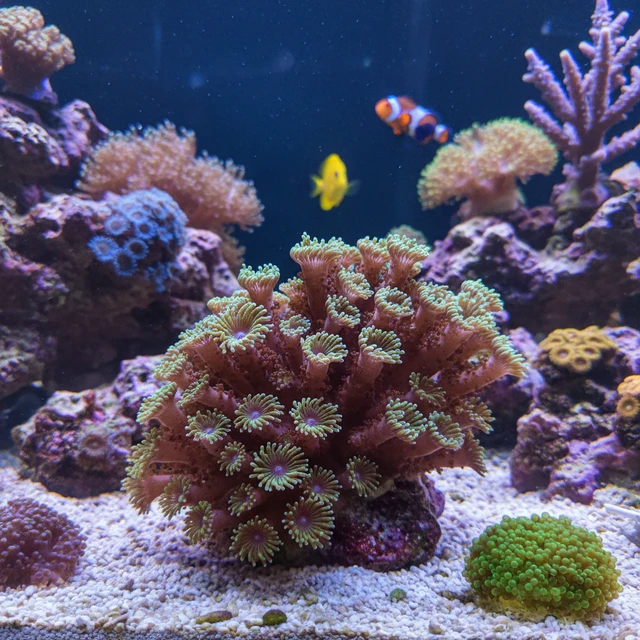
Tubipora musica, commonly known as Organ Pipe Coral, exhibits a unique morphology characterized by its distinct tubular structure. The coral forms long, cylindrical polyps that can reach up to 30 cm in height, with a maximum colony size of approximately 1 meter across. The polyps are arranged in a series of parallel tubes, which are composed of a hard, calcareous skeleton that provides structural support. The coloration of the polyps can range from bright pink to reddish-brown, often with contrasting white or cream-colored margins. Sexual dimorphism is not pronounced in this species, as both sexes exhibit similar physical traits. Defensive adaptations include the presence of nematocysts within the polyps, which can deliver a mild sting to deter potential predators. Additionally, the colony's unique skeletal structure allows for increased surface area for feeding and enhances its resilience against environmental stressors.
Behavior & temperament
Organ Pipe Coral is primarily a sessile organism, exhibiting limited movement; however, it can extend its polyps to capture plankton and other organic particles from the water column. This species is known to engage in a symbiotic relationship with zooxanthellae, which provide essential nutrients through photosynthesis, thus enhancing its growth and vitality. The coral exhibits a moderate level of aggression towards neighboring corals, utilizing its nematocysts to defend its territory. During periods of feeding, the polyps extend fully, creating a visually striking display. The coral's feeding behavior is predominantly nocturnal, with polyp extension peaking during the evening hours when planktonic food sources are more abundant.
Diet & feeding
Tubipora musica is a filter feeder that primarily consumes zooplankton and phytoplankton from the surrounding water. In captivity, it requires a diet supplemented with finely crushed marine foods and liquid coral foods to thrive.
Behind the name
The scientific name 'Tubipora musica' derives from the Latin 'tubus' meaning 'tube' and 'pora' meaning 'pore', referencing the tubular structure of the coral, while 'musica' refers to the musical quality of the sound produced by the hollow tubes when struck.
Plan your tank
Check the numbers before you buy: tank volume, salinity, salt mix, water changes, and your ongoing care routine. Keeping reef? Start from the Saltwater & Reef hub.
Keep reading
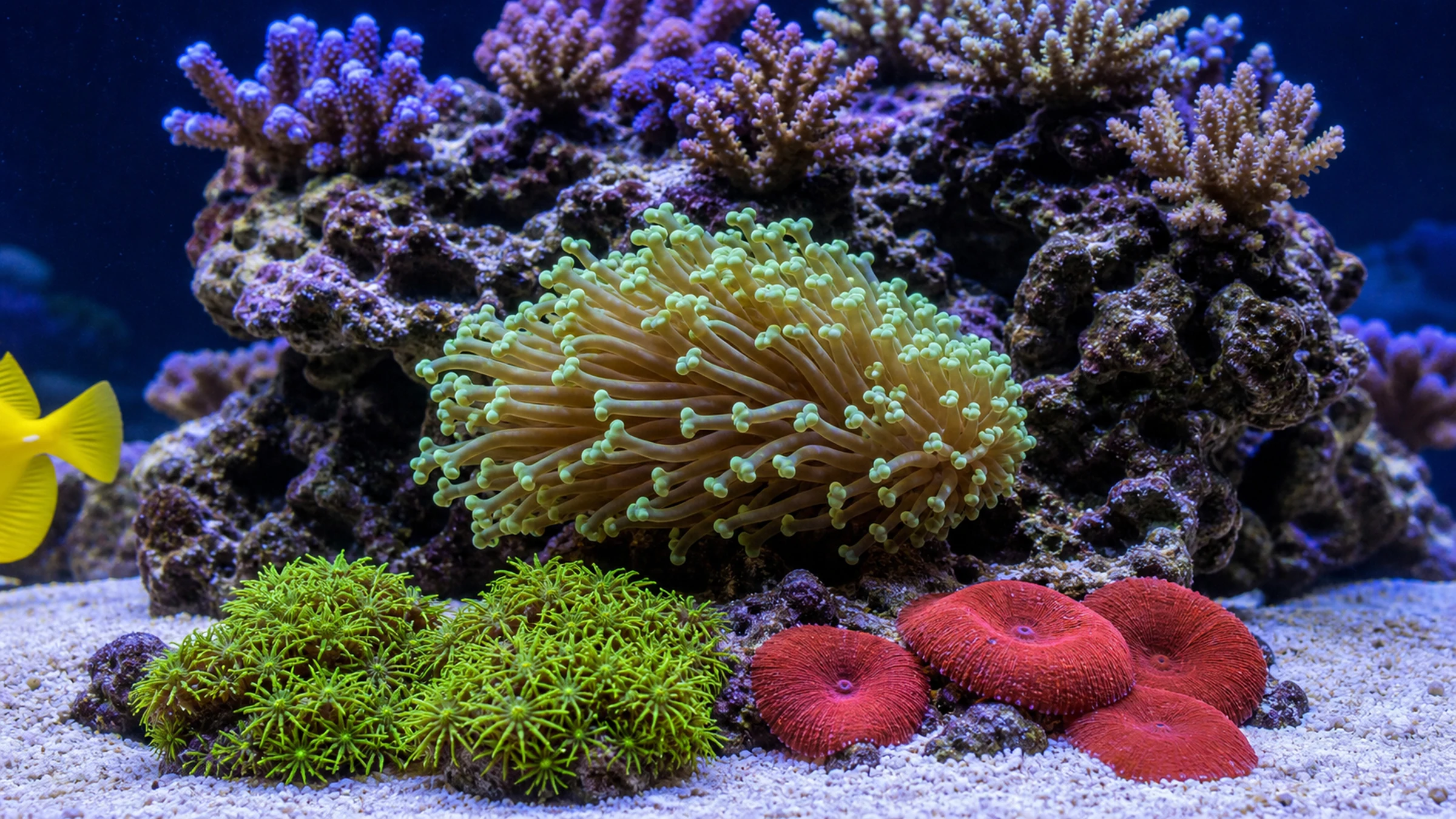
How to place corals by light and flow, PAR targets for softies, LPS, and SPS, dipping new corals for pests, and acclimating them without bleaching.

What every reef parameter means and where to keep it: salinity, temperature, pH, alkalinity, calcium, magnesium, nitrate, and phosphate.

Acclimate new fish, shrimp, and coral safely: temperature floating, drip acclimation, plop-and-drop for shipped livestock, and the first 24 hours.
Keeping Organ Pipe Coral?
AquaLens identifies your fish and plants from a photo, tracks water chemistry, and flags health issues early — free on iOS and Android.