Sea Fan Coral Care Guide
Gorgonia ventalina · Saltwater Soft Coral
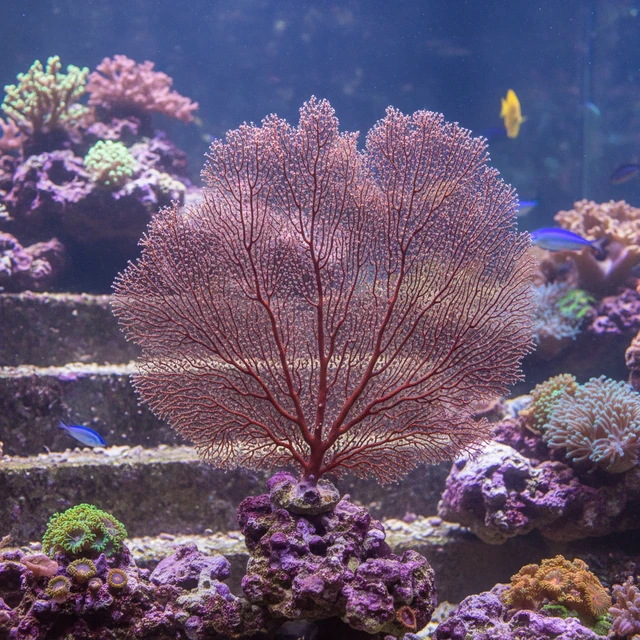
What Sea Fan Coral look like
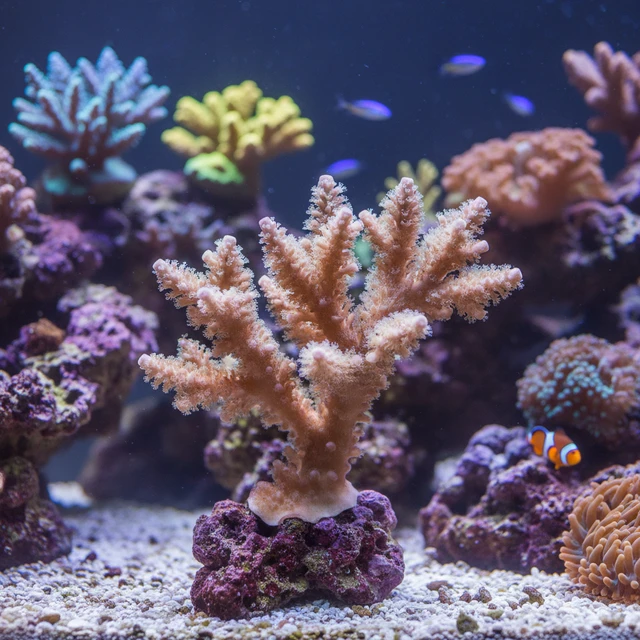
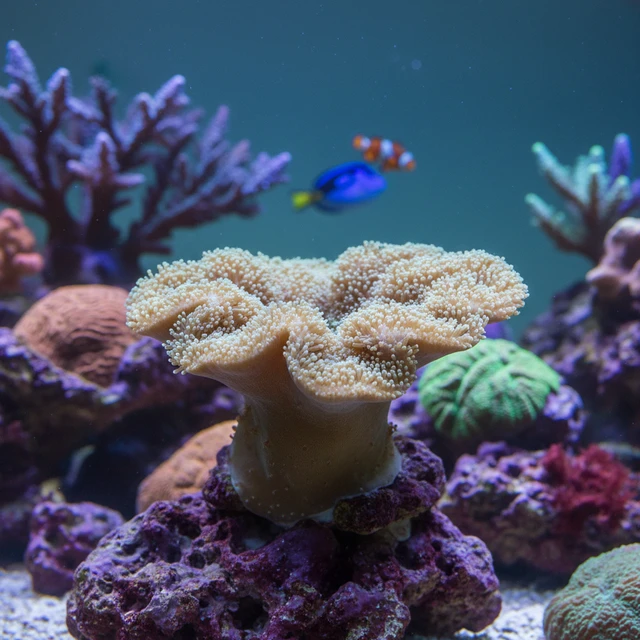
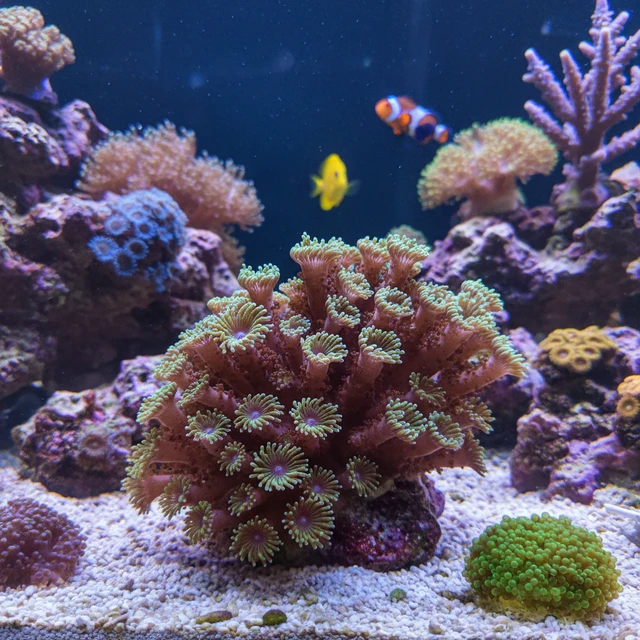
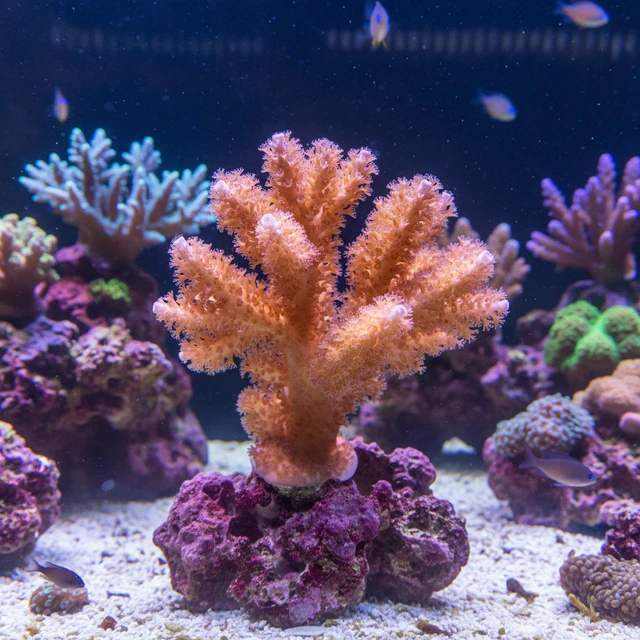
Gorgonia ventalina, commonly known as the Sea Fan Coral, exhibits a distinctive fan-like structure that can reach a maximum height of 1 meter (3.3 feet) and a width of up to 1.5 meters (5 feet). The colony is composed of a network of flattened, branching polyps that are supported by a flexible axial skeleton made of gorgonin, a type of protein. The polyps are typically small, with a diameter of 1-2 mm, and are arranged in a planar fashion, allowing for optimal water flow and feeding efficiency. The coloration of Gorgonia ventalina can vary widely, ranging from vibrant yellows and oranges to deep reds and purples, depending on environmental factors and symbiotic relationships with zooxanthellae. This species lacks a hard calcareous skeleton, which distinguishes it from stony corals, and it possesses a unique ability to retract its polyps into the skeleton for protection against predation and environmental stressors.
Behavior & temperament
Gorgonia ventalina is primarily a sessile organism, anchored to the substrate in shallow, warm waters, often found in areas with moderate to strong water flow. It exhibits a passive feeding behavior, extending its polyps to capture plankton and organic particles from the water column. The coral engages in a symbiotic relationship with zooxanthellae, which reside within its tissues and provide essential nutrients through photosynthesis. While Gorgonia ventalina does not exhibit aggressive territorial behavior, it can compete for space with other benthic organisms. Its polyp extension patterns are influenced by light availability and water movement, allowing for efficient feeding and respiration.
Diet & feeding
Gorgonia ventalina is a filter feeder, primarily consuming zooplankton and phytoplankton. In captivity, it requires a diet supplemented with liquid coral foods and phytoplankton to thrive.
Behind the name
The genus name 'Gorgonia' is derived from the Greek word 'gorgo', which refers to the Gorgons of mythology, while the species name 'ventalina' is derived from the Latin word 'ventus', meaning 'wind', likely referring to its fan-like shape resembling a wind-blown structure.
Plan your tank
Check the numbers before you buy: tank volume, salinity, salt mix, water changes, and your ongoing care routine. Keeping reef? Start from the Saltwater & Reef hub.
Keep reading
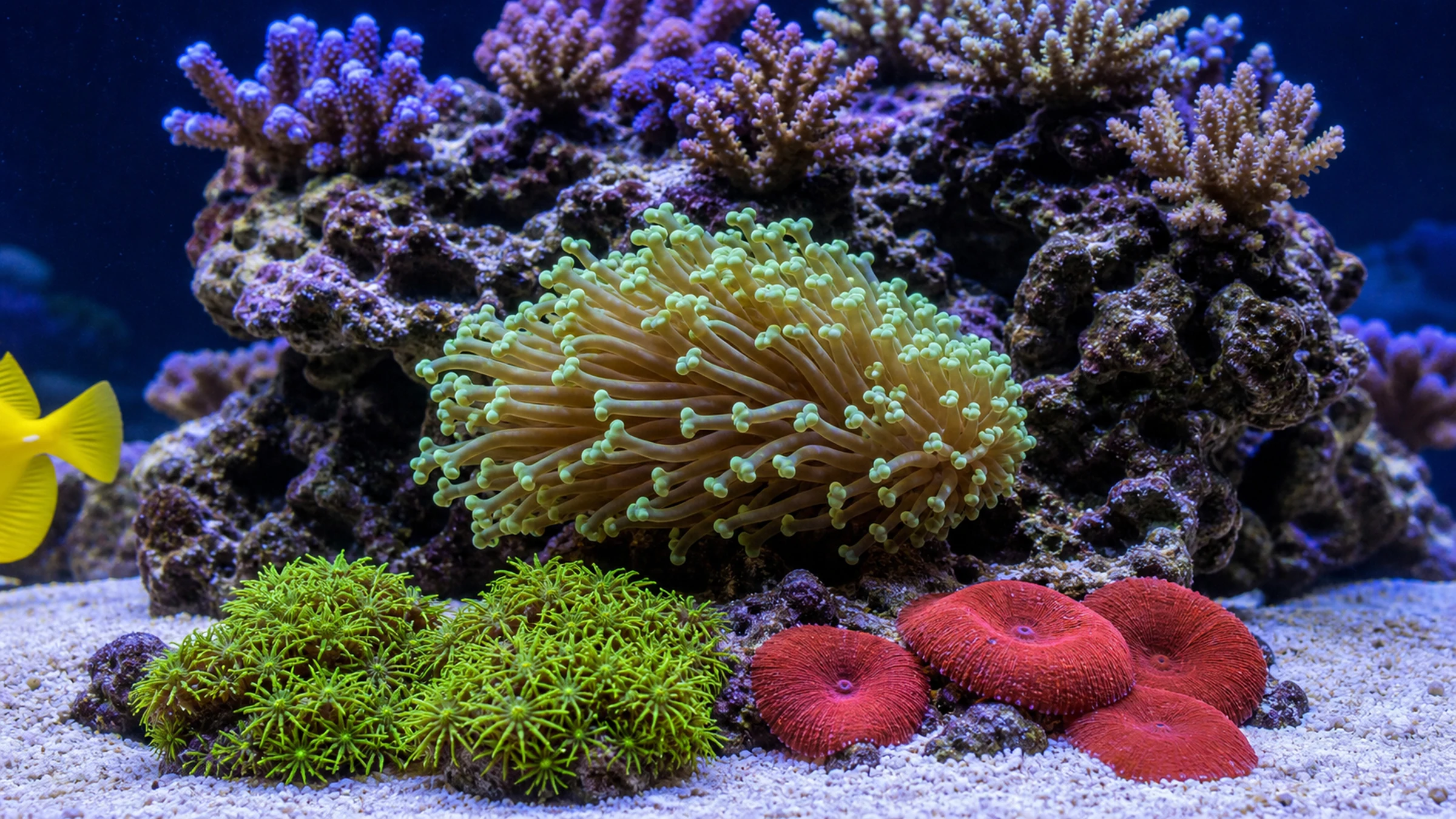
How to place corals by light and flow, PAR targets for softies, LPS, and SPS, dipping new corals for pests, and acclimating them without bleaching.
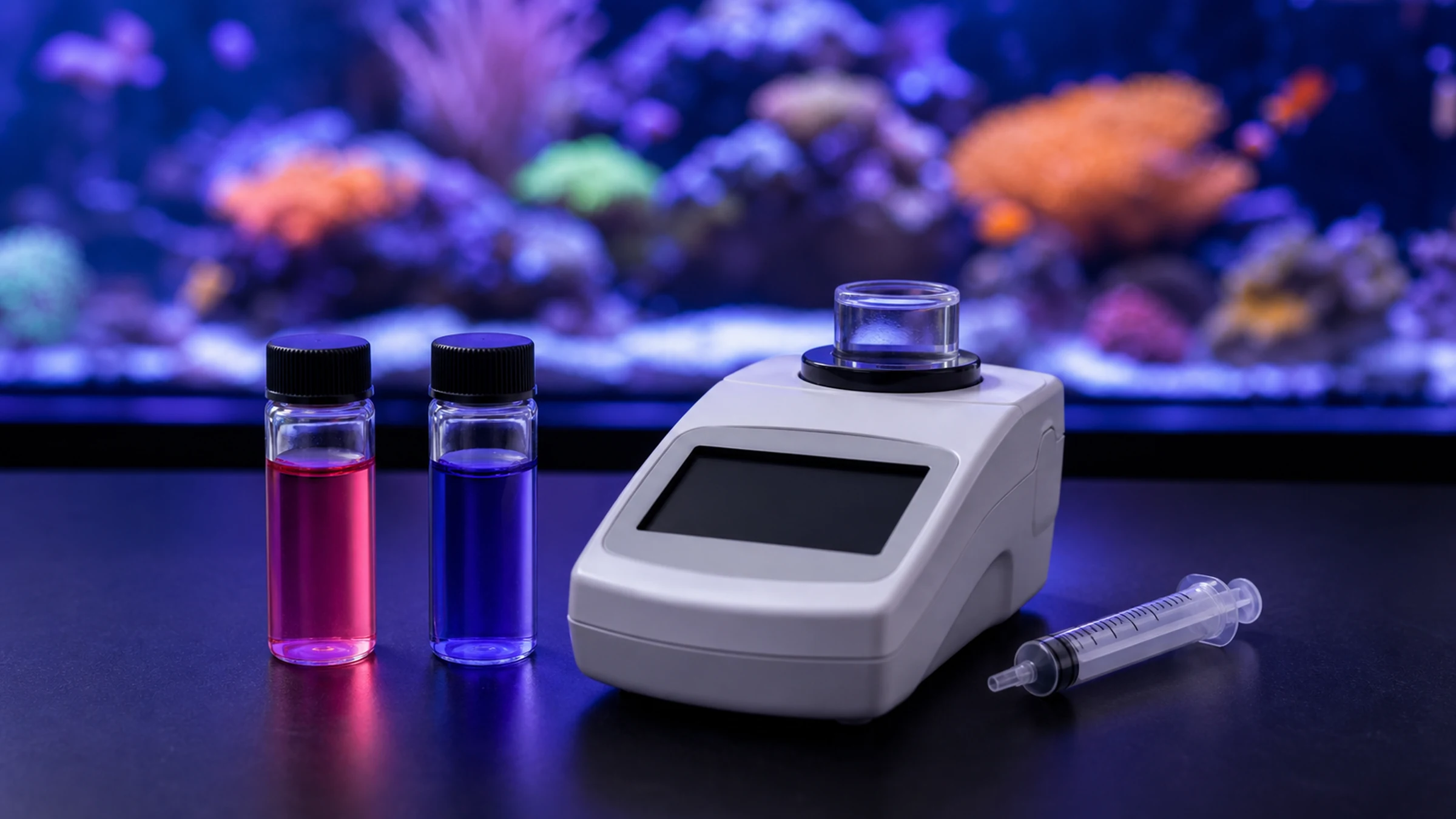
What every reef parameter means and where to keep it: salinity, temperature, pH, alkalinity, calcium, magnesium, nitrate, and phosphate.
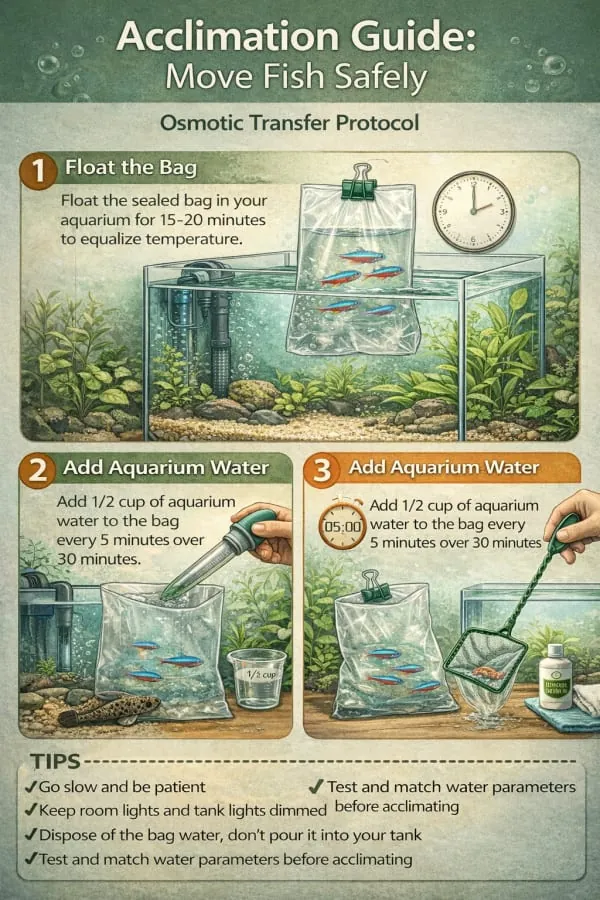
Acclimate new fish, shrimp, and coral safely: temperature floating, drip acclimation, plop-and-drop for shipped livestock, and the first 24 hours.
Keeping Sea Fan Coral?
AquaLens identifies your fish and plants from a photo, tracks water chemistry, and flags health issues early — free on iOS and Android.