
Pellia Care Guide
Monosolenium tenerum · Freshwater Plant
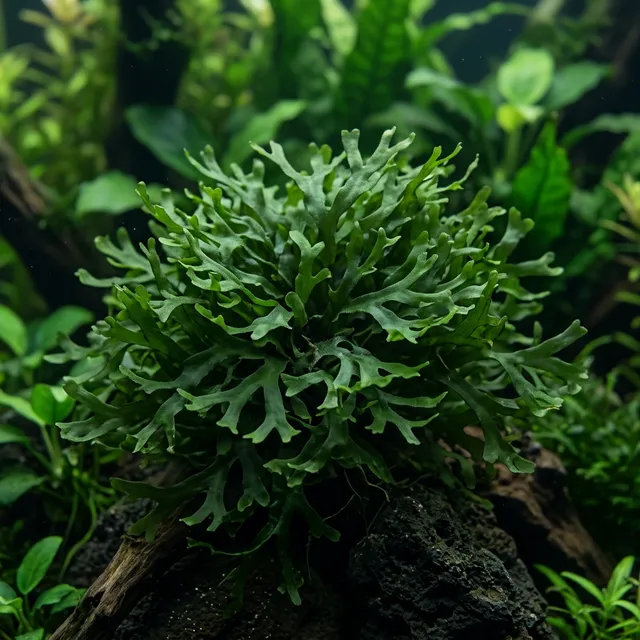
What Pellia look like
Monosolenium tenerum, commonly known as Pellia, exhibits a unique morphology characterized by its flat liverwort thallus. This aquatic plant forms dark green, irregularly branching, ribbon-like thalli that can reach widths of 1 to 2 inches, while its overall size can vary from 2 to 15 inches in length. Unlike typical vascular plants, Pellia lacks true leaves and stems, instead developing as flat, forking green sheets that present a slightly translucent and delicate texture. Its distinctive branching pattern is darker green than most mosses, providing a striking contrast in aquatic environments. The plant's structure allows it to attach loosely to hard surfaces or form clumps, making it an attractive addition to aquascapes. The absence of traditional plant features such as rosettes or upright growth further emphasizes its unique adaptation to aquatic habitats.
Behavior & temperament
Pellia is primarily a benthic plant that thrives in various aquatic environments, exhibiting a preference for stable substrates where it can attach and grow. It does not exhibit social hierarchy as it is not a mobile organism; instead, it spreads through vegetative propagation, forming dense mats that can provide habitat for small aquatic organisms. Pellia is not an obligate schooler, as it is a plant rather than an animal, and it does not display aggression or territorial behavior. Its reproductive strategy involves asexual reproduction through fragmentation, allowing it to colonize new areas effectively. In terms of environmental interaction, Pellia can adapt to different light conditions, although it typically flourishes in moderate to high light, which enhances its growth and aesthetic appeal.
Diet & feeding
Pellia is a photosynthetic organism, deriving its energy from sunlight through the process of photosynthesis. In captivity, it requires adequate lighting to promote healthy growth and vibrant coloration, along with a nutrient-rich substrate to support its development.
Behind the name
Monosolenium (single channel); tenerum (delicate or tender).
Plan your tank
Check the numbers before you buy: tank volume, a stocking plan, cycle progress, water changes, and your ongoing care routine.
Keep reading
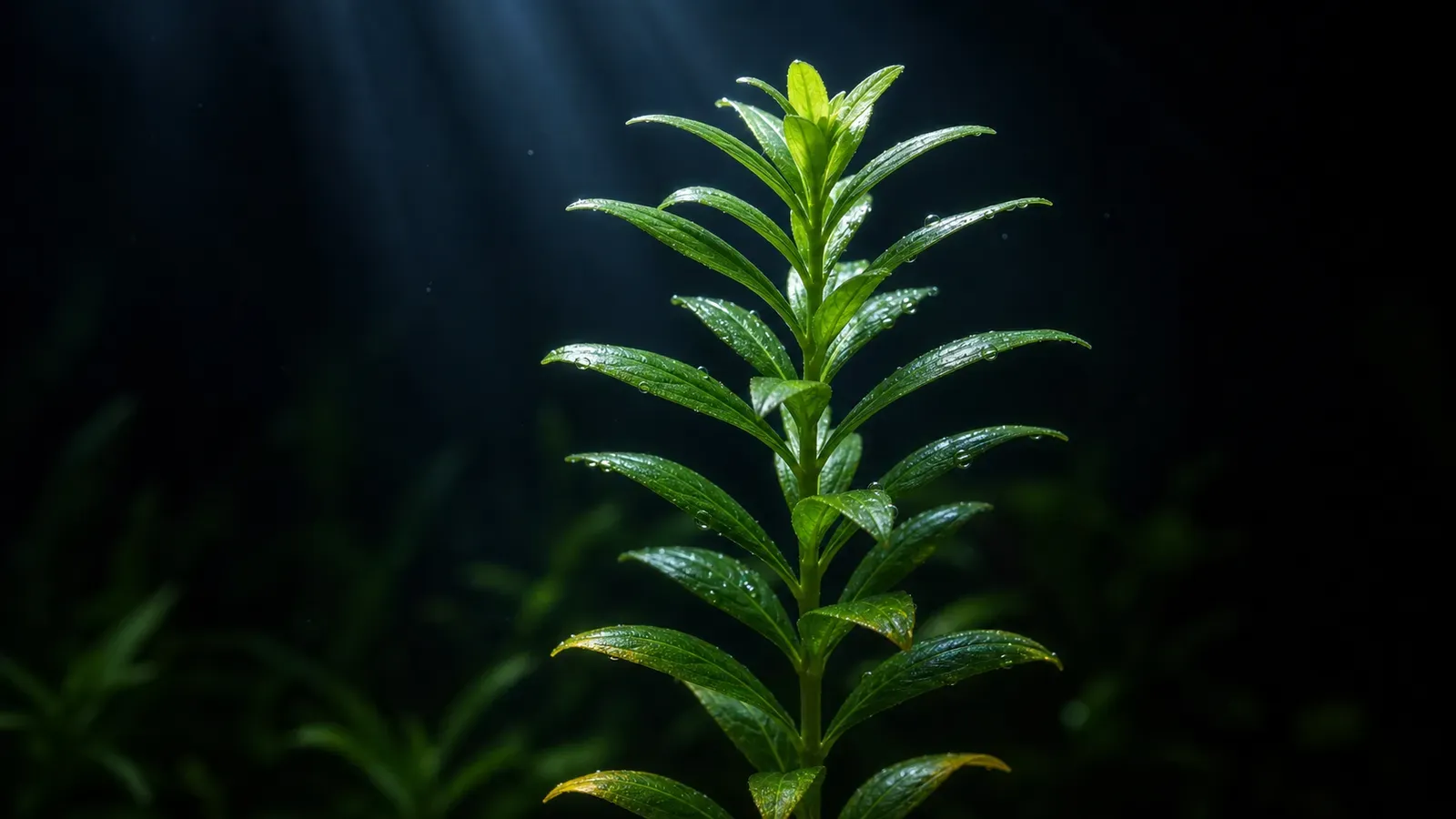
Diagnose aquarium plant deficiencies by leaf age and symptom: yellowing, pinholes, twisting, and stunting. Read the pattern, then fix it safely.
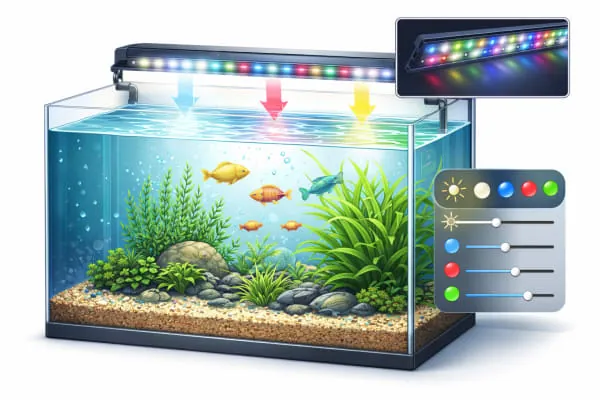
PAR-first planted tank lighting: choose intensity by what you grow, set photoperiod and spectrum, kill shadows, and hold algae back without overspending.
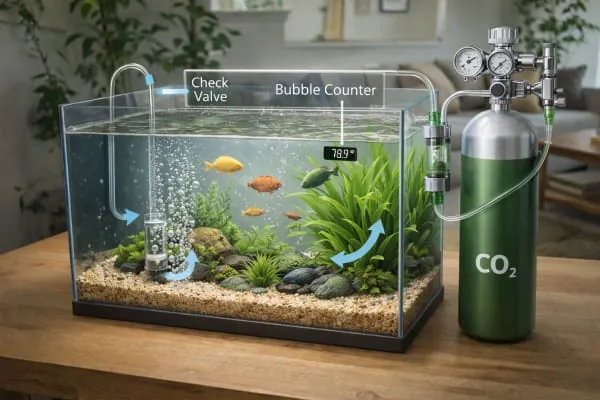
Aquarium CO₂ injection made safe: how carbon, light, and nutrients balance, which system to buy, and how to dial it in without gassing your fish.
Keeping Pellia?
AquaLens identifies your fish and plants from a photo, tracks water chemistry, and flags health issues early — free on iOS and Android.